When it comes to efficient packing solutions, choosing the right materials is crucial. Polythene Roll for Packing offers a versatile option for businesses and individuals alike. This material is lightweight, durable, and economical. The variety of thicknesses available makes it suitable for diverse packing needs.
Not all polythene rolls are created equal. Quality can vary significantly among suppliers. It's vital to consider factors like tensile strength, transparency, and flexibility. Poor choices can lead to damaged products during transit, impacting your reputation.
As we explore the best polythene roll options for 2026, consider what will suit your specific application. Are you packing fragile items or heavy goods? The right choice could enhance your packaging efficiency and reduce costs. Sometimes, taking the time to reflect on your needs will lead to better packing solutions.
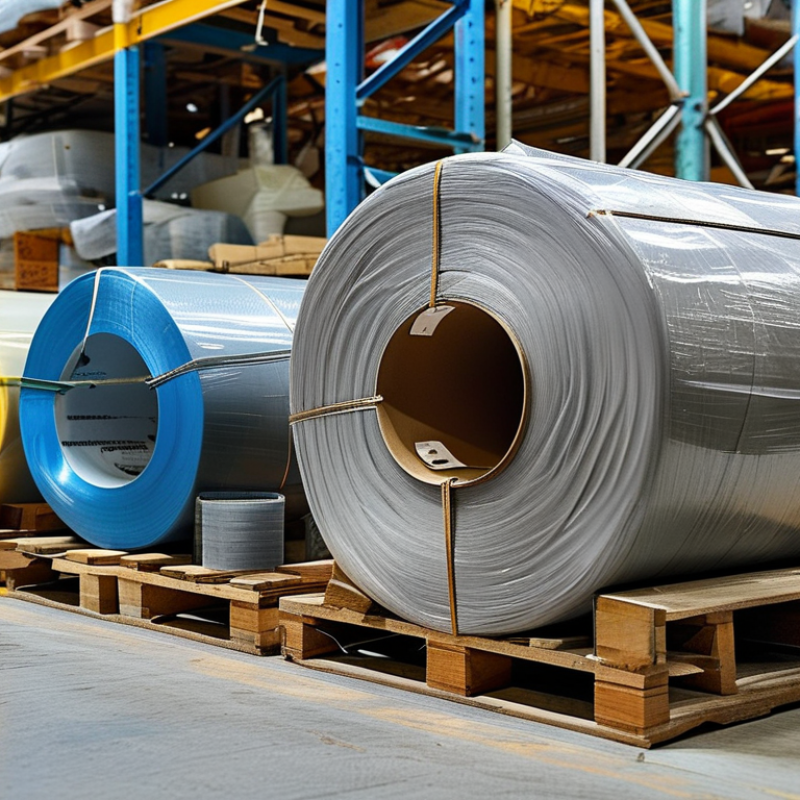
Polythene rolls are essential for packing supplies in 2026. Various types cater to different packaging needs. Companies choose from lightweight to heavyweight options, depending on the product being packed. The thickness of the roll often determines its durability. Thicker rolls offer better protection against punctures and tears.
Recycled polythene rolls are gaining popularity. They show a commitment to sustainability. These rolls effectively meet packing needs while minimizing environmental impact. However, their availability may vary. Businesses should verify suppliers to ensure quality.
Tips: Always test the roll before bulk purchase. This helps evaluate its strength and suitability. Remember that not all rolls are equal. Some may not hold up under stress. Check reviews or ask for samples when possible. Doing so ensures the best choice for your packaging requirements.
When selecting polythene rolls for packing, understanding the key features is crucial. Thickness is one of the most important factors. Industry standards often recommend rolls that range from 50 to 200 microns, depending on the intended application. A thicker roll provides better protection but may be less flexible.
Another vital feature is the clarity of the polythene. High-quality rolls should offer good transparency. This is particularly important for businesses that require visibility of their contents. Reports indicate that clear polythene can enhance customer satisfaction by allowing customers to see packaged products before purchase.
Moreover, UV resistance plays a significant role, especially for products stored outdoors. Polythene rolls that are treated for UV protection extend the shelf life of the contents. According to a recent survey, more than 30% of businesses faced losses due to inadequate packaging materials. This highlights the importance of careful selection when sourcing polythene rolls. Balancing thickness, clarity, and UV protection can result in optimal packing solutions.
In the world of packaging supplies, polythene rolls are essential. They offer versatile solutions for various industries. A recent report from Packaging Strategies highlights that the polythene film market has seen significant growth, driven by e-commerce demands. The market is expected to reach $5.4 billion by 2027, emphasizing the need for quality material in this sector.
When comparing popular brands, several factors come into play. Thickness, clarity, and strength are critical elements. Many users underestimate the impact of thickness. A roll that is too thin can lead to tears and product damage. Studies show that a thickness of 50 to 100 microns provides a balanced approach for durability and cost-effectiveness. Users sometimes overlook the importance of clarity in visibility for retail packaging, which can affect customer perception.
Choosing the right polythene roll also involves reflection on environmental impact. While polythene is effective, it raises sustainability concerns. Reports suggest that up to 30% of polythene used in packaging is not recycled. This statistic underscores the need for better practices and materials that minimize waste. Continuous innovation in biodegradable options is essential. This shift could enhance not only brand reputation but also consumer trust in packaging choices.
Polythene, widely used for packaging, presents notable sustainability challenges. Its production relies on fossil fuels, contributing to greenhouse gas emissions. The material often ends up in landfills, where it can take hundreds of years to decompose. Recycling rates for polythene remain low, leading to increased environmental impact.
Some alternatives have emerged, such as biodegradable plastics. However, they also carry environmental concerns. These newer materials often require specific conditions to degrade properly. In many cases, they can still contribute to pollution if not disposed of correctly. The complexity of the issue shows the necessity for a thoughtful approach.
Consumers, businesses, and policymakers must collaborate to improve packaging solutions. Emphasizing reuse and recycling can lead to better outcomes for the environment. There is a pressing need to innovate materials that balance functionality and sustainability. Examining the total lifecycle of packaging can prompt more responsible choices. This reflection is essential as we seek to mitigate the environmental consequences of polythene.
When considering cost-effective purchasing options for polythene rolls in 2026, it's essential to focus on quality without overspending. Polythene rolls are versatile. They serve various purposes, from packaging to insulation. Many suppliers may offer seemingly low prices, but these may not always ensure durability. Understanding the specific needs of your projects can prevent unnecessary purchases.
Researching local suppliers can lead to significant savings. Often, these suppliers can provide bulk discounts. Their knowledge of industry standards can also guide choices. Online marketplaces offer a range of options, but not all sellers uphold quality. Buyer reviews can be misleading, so it’s crucial to look for verified ratings. Meeting all packaging standards is important; consumers appreciate reliable materials.
Exploring eco-friendly polythene alternatives may be beneficial. While often perceived as costlier, they can promote sustainability. In the long run, these options may enhance brand reputation. However, transitioning materials requires careful planning and testing. Finding the right balance between cost and quality is an ongoing challenge.
: Polythene rolls are essential for packing supplies across various industries, serving multiple purposes, including insulation.
A thickness of 50 to 100 microns is commonly ideal for durability. Thinner rolls may lead to tears.
Yes, they are gaining popularity for sustainability. However, their availability varies, so check with suppliers.
Always test a sample roll to assess its strength. Not all rolls are equal in performance.
Research local suppliers for bulk discounts. They often have valuable knowledge about industry standards.
Up to 30% of polythene used in packaging isn’t recycled. This highlights the need for better materials and practices.
Not always. Buyer reviews can be misleading. Look for verified ratings to ensure quality.
Clarity can influence customer perception. Users often overlook this aspect, which can impact retail effectiveness.
They can seem costlier but may enhance brand reputation. Transitioning requires careful planning and testing.
Yes, ensuring compliance with packaging standards is crucial. Consumers appreciate reliability in materials used.
In 2026, selecting the ideal Polythene Roll For Packing involves understanding the various types available, including those suited for different applications and environments. Key features to consider include thickness, strength, and clarity, which significantly influence the effectiveness of the packing solution. A comparative analysis of popular brands can help consumers make informed decisions based on performance and reliability.
Additionally, the sustainability and environmental impact of polythene packing solutions are increasingly relevant, with options being developed to minimize ecological footprints. Cost-effective purchasing is also a focus for buyers, ensuring access to quality polythene rolls without overspending. By keeping these factors in mind, businesses can choose the best polythene roll for their packing needs, balancing efficiency with environmental considerations.

DongFa Printing