Cooking Package Manufacturers & Factory

High-Performance Retort Packaging, Spout Pouches & High-Barrier Laminates Engineered for Thermal Processing, Autoclave Sterilization, and Long Shelf-Life Preservation.

Over 35 Years of Engineering Excellence in Thermal Food Packaging

Founded on rigorous engineering values, Dongfa Printing Co., Ltd. has spent more than 35 years refining the materials science of high-performance retort packaging. Operating out of state-of-the-art cleanrooms integrated with GMP guidelines, we are a global technical pioneer in the flexible lamination industry.

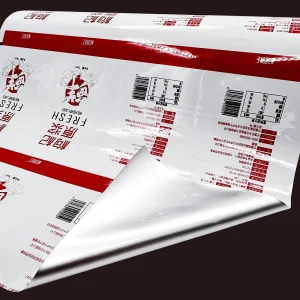
We specialized in the research, mechanical design, and chemical barrier formulation required for pasteurization and retort steam sterilization processes. Our production facility is outfitted with advanced printing machinery alongside online quality inspection systems to ensure zero-defect packaging integrity for long shelf-life items, spout pouches, and high-performance sealing films.
Key Quality Protocol: Our inline machine-vision inspection scanners inspect 100% of the web layout during printing and lamination, detecting structural micro-faults that standard sampling might miss.
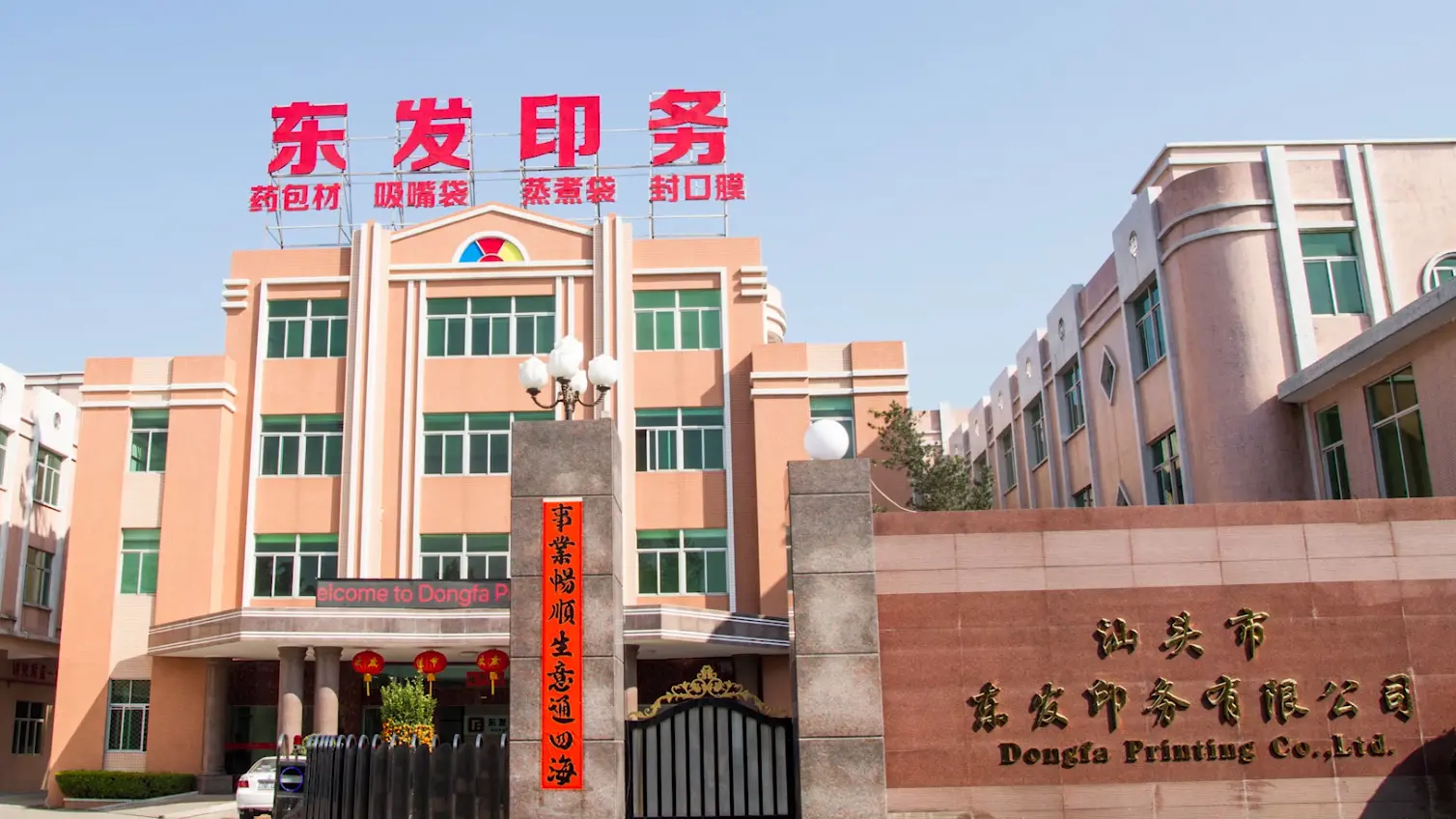
Dongfa Printing Co., Ltd. Manufacturing Facility & Quality Inspection

Macro-Industry Solutions for Sterile Cooking Packaging

Designing thermal-stable packaging systems that withstand pressure differentials and temperatures up to 135°C.

Thermal Processing Integrity

Our cooking packages are engineered using cast polypropylene (RCPP) as the sealant layer. This structural chemistry allows the laminate to undergo extreme autoclaving (retort) up to 135°C (275°F) for up to 45 minutes without suffering seal failure, material degradation, or delamination.

Oxygen & Moisture Barriers

Utilizing high-barrier laminates including PET, BOPA (Nylon), Aluminum Foil, and AlOx coatings. We consistently achieve near-zero Oxygen Transmission Rates (OTR < 0.1 cc/m²/day) and Water Vapor Transmission Rates (WVTR < 0.1 g/m²/day), ensuring shelf stability without refrigeration.

Hermetic Seal Engineering

We perform rigorous heat-seal optimization, verifying the interaction between modern filling nozzle technology and the structural thermal response of spout assemblies. This guarantees zero leakage at critical junctions, maintaining food hygiene and absolute sterile security.

Global Standards & Localized Compliance Protocols

Ensuring compliance with international food-grade regulations for safe, direct contact packaging.

Operating a global supply chain requires adherence to distinct regional regulatory frameworks. At Dongfa, our materials science laboratory and quality management team monitor compliance protocols across all target regions, including North America, Europe, Japan, Southeast Asia, and the Middle East.

US FDA & EU 10/2011 Certifications: All raw polymer resins, adhesives, inks, and masterbatches are fully traceable, satisfying direct food contact regulations.

By conducting continuous migration testing (including global migration, specific heavy metals, and primary aromatic amines testing), we verify that no chemical components transfer into the package contents during high-temperature autoclave processing.

Compliance Verification Metrics

FDA 21 CFR 177.1520 Compliant
EU Regulation No. 10/2011 Certified
BRCGS Food Safety Standard Grade A Audit
ISO 9001:2015 System Certified
Overall Migration Limit (OML) < 10 mg/dm²

Highly Engineered Application Scenarios

Tailored laminates optimized for unique chemical, thermal, and shelf-life demands across different industries.

Retort Ready Meals (MREs)

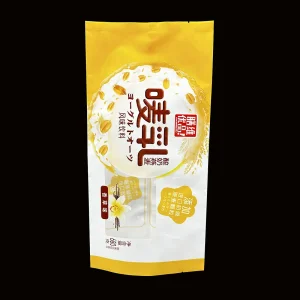
High-barrier laminate films (typically PET/NY/AL/RCPP or PET/NY/RCPP) designed to handle extreme sterilization environments. Provides stable barrier levels, preserving nutrition, aroma, and color of ready-to-eat meals for up to 24 months without cold-chain storage.

Spouted Liquid & Beverage Pouches

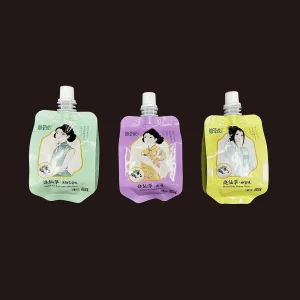
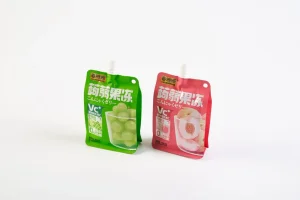
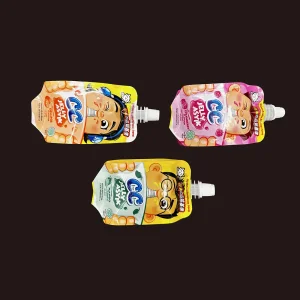
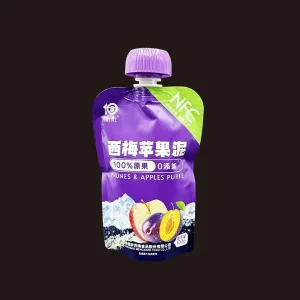
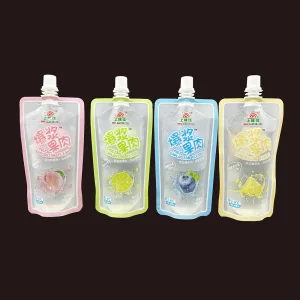
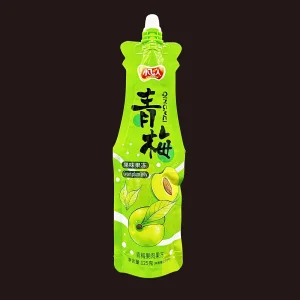
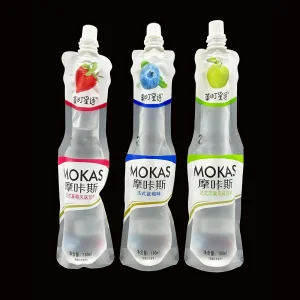
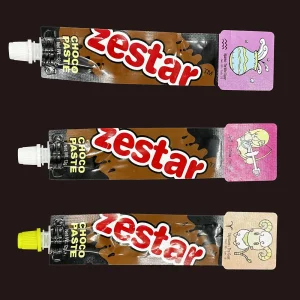
Specifically designed with customized, high-flow spouts and ergonomic shapes for liquid food, purees, and fruit jellies. Ideal for hot-fill systems and post-filling pasteurization, preventing material stress-cracking or weld failure.

Industrial Chemical & Medical Films

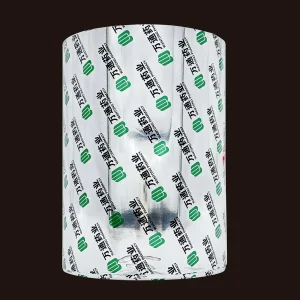
Engineered multilayer barrier webbings (PET+VMPET+PE, etc.) optimized for aggressive daily chemical ingredients and medical devices requiring localized sterile containment. Resistant to chemical leaching and stress degradation.

Lamination Structural Engineering

1. Outer Layer (PET / BOPA) Prints graphics, provides structural thermal resistance.
2. Barrier Layer (AL Foil / AlOx) Blocks oxygen, moisture, and light penetration.
3. Inner Core (BOPA / Nylon) Delivers high puncture, tear, and drop resistance.
4. Sealant Layer (RCPP / PE) Allows secure hermetic seal, directly contacts food.

Technical Roadmap: The Future of Sterile Flexible Packaging

At Dongfa, we are continually investing in research and development to align with emerging trends in circular economies and next-generation packaging technologies.

  • Mono-Material Recyclable Retort Pouches: Developing polypropylene (PP)-only structures that meet strict recycling requirements while still enduring high-temperature steam autoclaving.
  • AI-Assisted Material Analytics: Utilizing molecular modeling to simulate physical stress distributions under different pressure curves, optimizing material thickness.
  • Intelligent Indicators: Integrating thermal sensors that visually verify whether sterilization temperature profiles were correctly achieved during processing.

Our Cooperatives & Technical Alliances

Collaborating globally to supply superior raw materials, high-speed packing lines, and reliable seal controls.


Technical FAQ: Cooking & Retort Packaging Systems

Detailed engineering answers to the most common questions regarding materials safety, sterilization, and performance.

What material layers are required for standard autoclave retort packaging?
For standard steam sterilization (121°C for 30 minutes), we recommend a multi-layer composite structure. A typical four-layer laminate consists of PET (outer layer for mechanical protection and print quality) / Nylon (BOPA for puncture and mechanical toughness) / Aluminum Foil (AL for complete light, gas, and moisture barrier) / RCPP (Retort Cast Polypropylene for high-temperature heat sealability). For microwaveable applications, the Aluminum Foil is substituted with specialized ceramic-coated barrier films like AlOx-PET or SiOx-PET.
Why is Cast Polypropylene (CPP) preferred over standard Polyethylene (PE) in cooking packages?
Standard Polyethylene (PE) exhibits a relatively low melting point, typically between 105°C and 115°C, which causes it to lose seal integrity under steam retort pressures. Cast Polypropylene (CPP), especially retort-grade RCPP, features a higher melting point ranging from 160°C to 165°C. This chemical stability allows RCPP to maintain its seal strength and mechanical properties during intense pressure-cooker and autoclave sterilization environments up to 135°C.
How does Dongfa ensure there is no chemical migration during high-temperature cooking?
We source FDA-approved, EU-compliant resins and solvent-free lamination adhesives specifically formulated for high-temperature processes. In our GMP-certified laboratory, we run routine migration testing under simulated worst-case conditions (e.g., using food simulants at 121°C for 2 hours) to verify that Overall Migration Limits (OML) and Specific Migration Limits (SML) are far below international regulatory thresholds.
Can spouted pouches withstand the heat-treatment process?
Yes, our spouts and spouted caps are manufactured from specialized injection-grade PP resins that share thermal contraction properties with the RCPP sealant film of the pouch. This matching of thermal properties ensures that during the heating and subsequent cooling phases, the spout-to-film weld expands and contracts uniformly, preventing localized stress concentrations and leakage.
What quality check steps are conducted in your GMP cleanroom?
Within our cleanroom environment, we run online vision inspection systems that scan the visual web layout for errors. Off-line checks include peel strength tests, tensile strength tests, burst pressure testing (to measure the maximum pressure the heat seals can withstand), and gas chromatography checks to verify solvent residue limits remain well below safety thresholds.
All Cooking package Products