Explore our industrial-grade flexible packaging materials manufactured under strict GMP compliance, optimizing seal integrity and shelf-life extension.
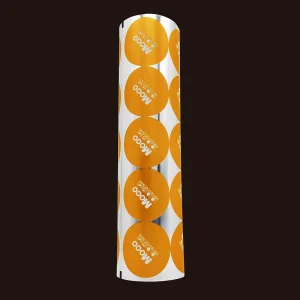
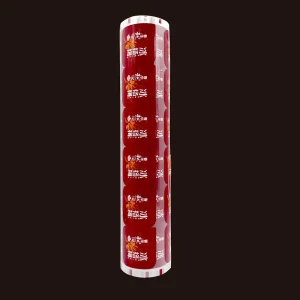
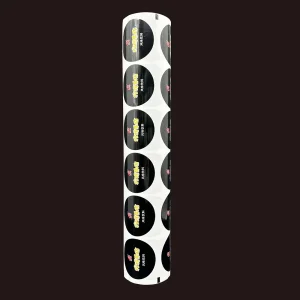
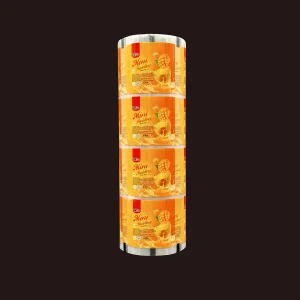
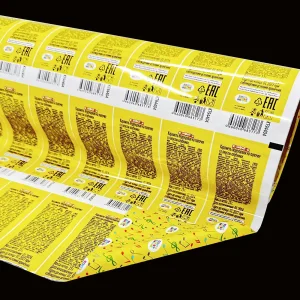
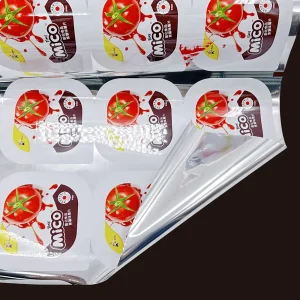
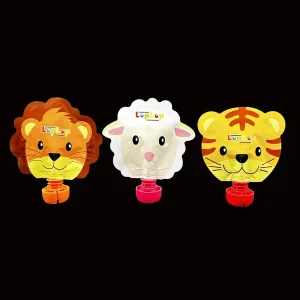
The global demand for high-performance cup cover films (commonly referred to as lidding films) has surged due to the rapid growth of the consumer food and beverage sectors. From retail dairy yogurts to automated bubble tea sealing machines, cup sealing films act as the critical barrier safeguarding food safety, preserving aroma, and preventing micro-leakage during shipping.
Modern lidding films are no longer simple monolayer plastics. They are highly engineered multi-layer composite structures utilizing advanced resins like PET, NY (Nylon), EVOH, and CPP. Factories worldwide are transitioning to high-speed inline heat sealing processes that demand exceptional thermal stability and consistent sealing windows.
As a leading cup cover film supplier, Dongfa Printing leverages over 35 years of engineering experience, offering optimized heat-seal solutions for polypropylene (PP), polyethylene (PE), polystyrene (PS), and paperboard containers. Our products are exported to crucial markets including North America, Japan, Southeast Asia, and the Middle East, satisfying strict FDA and European Food Contact standards.
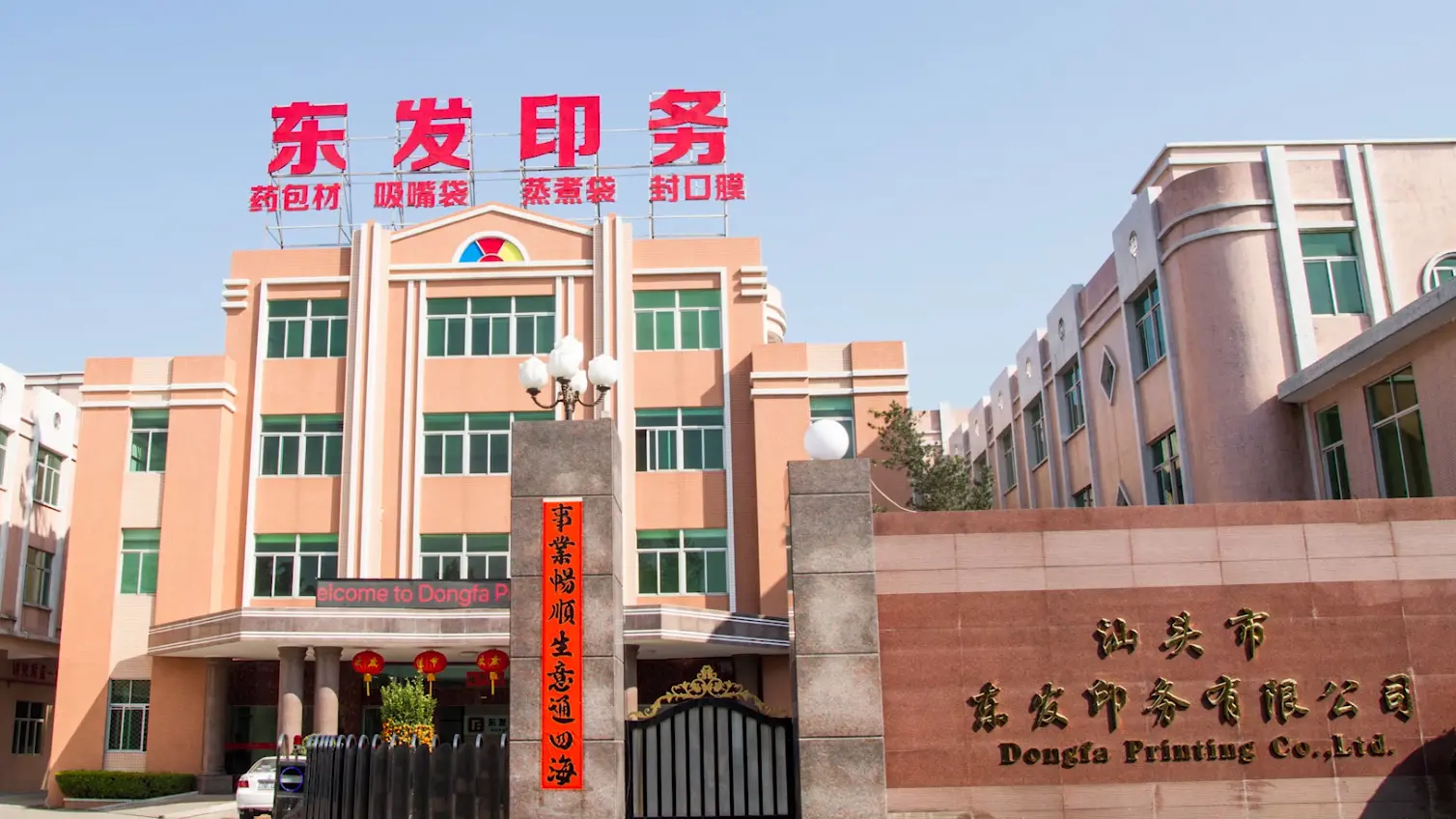
Dongfa Printing Co., Ltd. has over 35 years of professional experience in printing and packaging manufacturing. We provide all kinds of packaging, specialize in the development and production of various liquid packaging films and bags, suitable for use in pasteurization and retort steam sterilization processes, as well as different types of spout bags and sealing cup films. Based on our advanced printing machines equipped with online quality inspection systems and our Class-100,000 GMP workshops, we adhere to premium materials, professional production protocols, and strict quality control pipelines.
Our capabilities cover the entire manufacturing process from initial structural design, professional cylinder making, to final high-speed rotogravure printing and bag converting. We fulfill complex high-volume customized requests with unmatched precision.
Producing custom flexible packaging requires systematic testing. We evaluate heat seal strength, friction coefficients, barrier parameters (OTR/WVTR), and retort performance to guarantee defect-free lidding film roll-stocks.
Embodying "integrity, professionalism, innovation, and win-win," we prioritize sustainable development and eco-friendly practices. We are actively developing recyclable mono-material PP and PE lidding films to minimize environmental footprints.
Selecting the optimal composite material structure for your cup cover film depends on container compositions (PP, PS, PET, or Paper), pasteurization/retort processes, and desired peel strength. The table below lists our primary manufacturing material formulations.
| Material Structure | Ideal Application | Sterilization Method | Seal Characteristics | Key Properties |
|---|---|---|---|---|
| NY + CPP | Beverage cups, jelly, sauce packaging | Pasteurization (Up to 100°C) | Easy Tear / Peelable | High puncture resistance, transparent clarity |
| PET + VMPET + EVA | Dairy yogurt lids, high-barrier juices | Non-retort / Cold chain | Peelable low temp seal | Excellent light barrier, cost-effective metallization |
| PET + AL + CPP | Coffee capsules, high-temperature retort foods | Retort steam (121°C - 135°C) | Permanent Lock / Hermetic Seal | Zero gas transmission (absolute barrier), shelf-life 1+ years |
| PET + PE (80μm) | Automatic lidding film, dry snack cups | Ambient / Low temperature | Lock seal | High tensile strength, optimal speed on automated filling lines |
Achieving a reliable "Easy Tear" or peelable seal requires delicate control over the sealant layer (EVA or modified CPP/PE). Our co-extrusion technology prevents the lidding film from shredding or leaving raw plastic residues on the cup rim when peeled back by the user. By adjusting the percentage of adhesive additives, we control the interfacial adhesion force, achieving a smooth, continuous peel experience (typically between 4 to 8 N/15mm peel force) without sacrificing package integrity during distribution.
The packaging industry is experiencing rapid technological evolution. As a key partner to global food conglomerates, Dongfa Printing is focusing on several macro trends that define the future of cup lidding films.
Conventional multi-layer films (e.g., PET+AL+PE) are difficult to recycle due to the challenge of separating metal from polymer layers. Dongfa is engineering mono-material PE/PE and PP/PP structures that match the barrier qualities of classic foils using high-barrier MDO-PE and EVOH coatings, fitting seamlessly into existing recycling facilities.
Integrations of temperature indicators and QR codes on the cup lid are becoming standard. Our rotogravure printing lines support micro-engraved patterns and high-precision registered codes, turning the cup cover film into a data-driven customer interaction tool.
With cup-filling machines reaching speeds of up to 40,000 cups per hour, lidding films must have extremely low coefficients of friction (COF < 0.2) and stable tension profiles to avoid mechanical jams or seal misalignment. Our online vision detection monitors seal thickness and printing errors in real-time.
Different markets have distinct compliance and functional requirements. Dongfa Printing tailors its sealing films to target these localized packaging ecosystems:
In high-humidity, warm environments, sealing films must withstand thermal expansion while preventing mold and moisture ingress. Our sealing films for PP containers are formulated with anti-fogging coatings and high-performance UV-resistant matte inks, retaining their shelf-appeal and structural strength under direct sunlight and high ambient temperatures.
Western and Japanese markets demand rigorous safety compliance (such as heavy metal limits and monomer migrations). For microwavable ready-to-eat meals, our nylon-reinforced CPP retort films survive autoclave sterilization cycles at 121°C for 30 minutes, maintaining puncture resistance and clean peel properties upon end-user opening.
Technical guidance and purchasing support regarding custom lidding films, manufacturing capabilities, and ordering specifications.
Peelability is determined by the formulation of the sealing layer (typically modified EVA, PP, or PE peelable resin). The film must separate cleanly from the cup lip without tearing the structural PET/Nylon layers, requiring precise heat-sealing temperatures and sealing pressure during packaging line setup.
Yes, we specialize in high-temperature retort-grade structures (e.g., NY+AL+R-CPP or PET+NY+R-CPP) designed to handle temperatures ranging from 121°C up to 135°C without delamination, wrinkling, or seal failure.
We supply custom lidding roll stocks engineered to seal onto PP, PE, PS, PET, PVC, and clay-coated paperboard cups and trays. Each container material requires a corresponding sealant layer in the film structure to ensure a secure bond.
We utilize advanced multi-color rotogravure printing presses equipped with inline inspection sensors. This allows for rich graphics, precise brand color reproduction, and specialty finishes like matte varnishes, metallic colors, and tactile textures.
MOQ varies depending on film dimensions and specific composite structures. Typically, for custom rotogravure printed roll stocks, the minimum runs start around 500 kg to 1,000 kg per design to optimize material yield and run efficiency.
Yes. All raw resins, films, inks, and solvent-less laminating adhesives used by Dongfa Printing comply with FDA regulations for direct food contact. Our manufacturing plants operate under strict GMP cleanroom guidelines.
We provide superior products and best service to our global partners. Join our network of satisfied clients worldwide.
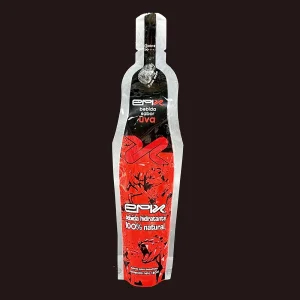
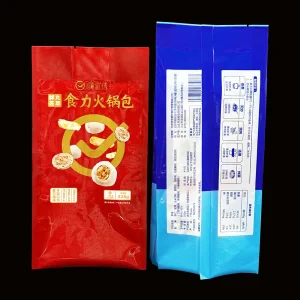
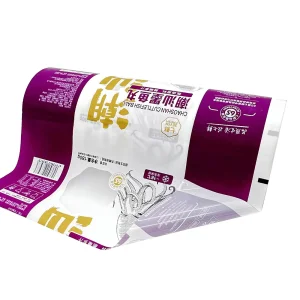
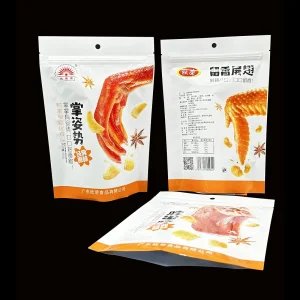
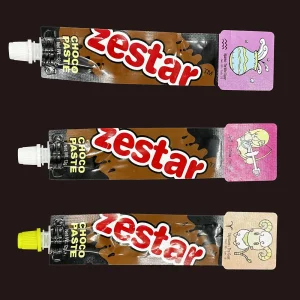
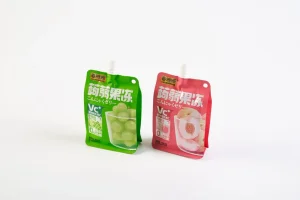
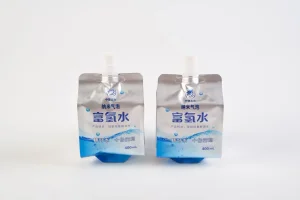
Explore our liquid-packaging pouches, frozen food films, and zipper-lock bags engineered to provide superior barrier protection and retail shelf presentation.
 DongFa Printing