 DongFa Printing
1 / 2
In the world of packaging and product protection, the choice of materials plays a crucial role in ensuring the integrity and safety of goods. One such material that has gained significant popularity is polypropylene (PP). Known for its versatility, durability, and cost-effectiveness, PP is widely used in various applications, including pallets, cups, and sealing films. This article explores the suitability of PP material for these applications and highlights its benefits.
Polypropylene is a thermoplastic polymer that is produced through the polymerization of propylene monomers. It is characterized by its lightweight nature, high tensile strength, and resistance to various chemicals. These properties make PP an ideal choice for a wide range of applications, particularly in the packaging industry.
Pallets made from PP are increasingly being used in logistics and warehousing due to their numerous advantages. Unlike traditional wooden pallets, PP pallets are resistant to moisture, chemicals, and pests, making them suitable for a variety of environments. They are also lightweight, which reduces transportation costs and makes handling easier. Additionally, PP pallets are designed to be stackable, optimizing storage space and improving efficiency in warehouses.
Moreover, PP pallets are recyclable, contributing to sustainability efforts in the packaging industry. As businesses strive to reduce their carbon footprint, the use of recyclable materials like PP is becoming more prevalent. This not only helps in waste reduction but also aligns with the growing consumer demand for environmentally friendly products.
In the food and beverage industry, the use of PP cups has become increasingly common. These cups are favored for their ability to withstand high temperatures, making them suitable for both hot and cold beverages. The clarity of PP also allows for an appealing presentation of drinks, enhancing the consumer experience.
Furthermore, PP cups are lightweight and durable, reducing the risk of breakage during transportation and handling. They are also resistant to grease and oil, making them ideal for serving a variety of food items. With the growing trend towards convenience and on-the-go consumption, PP cups offer a practical solution for both consumers and businesses.
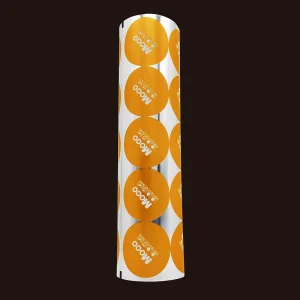
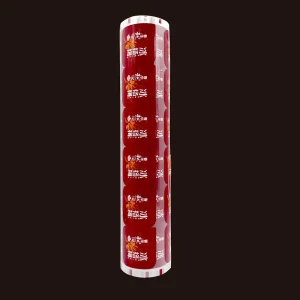
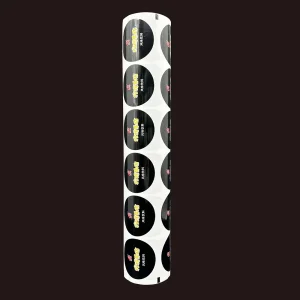
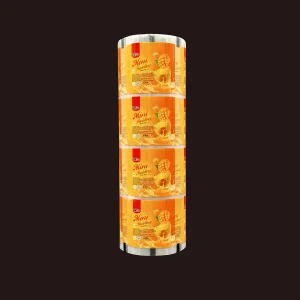
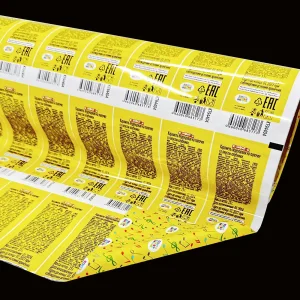
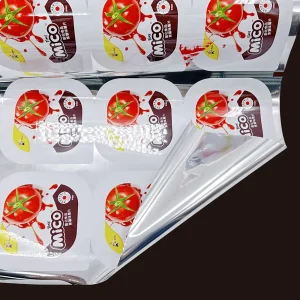
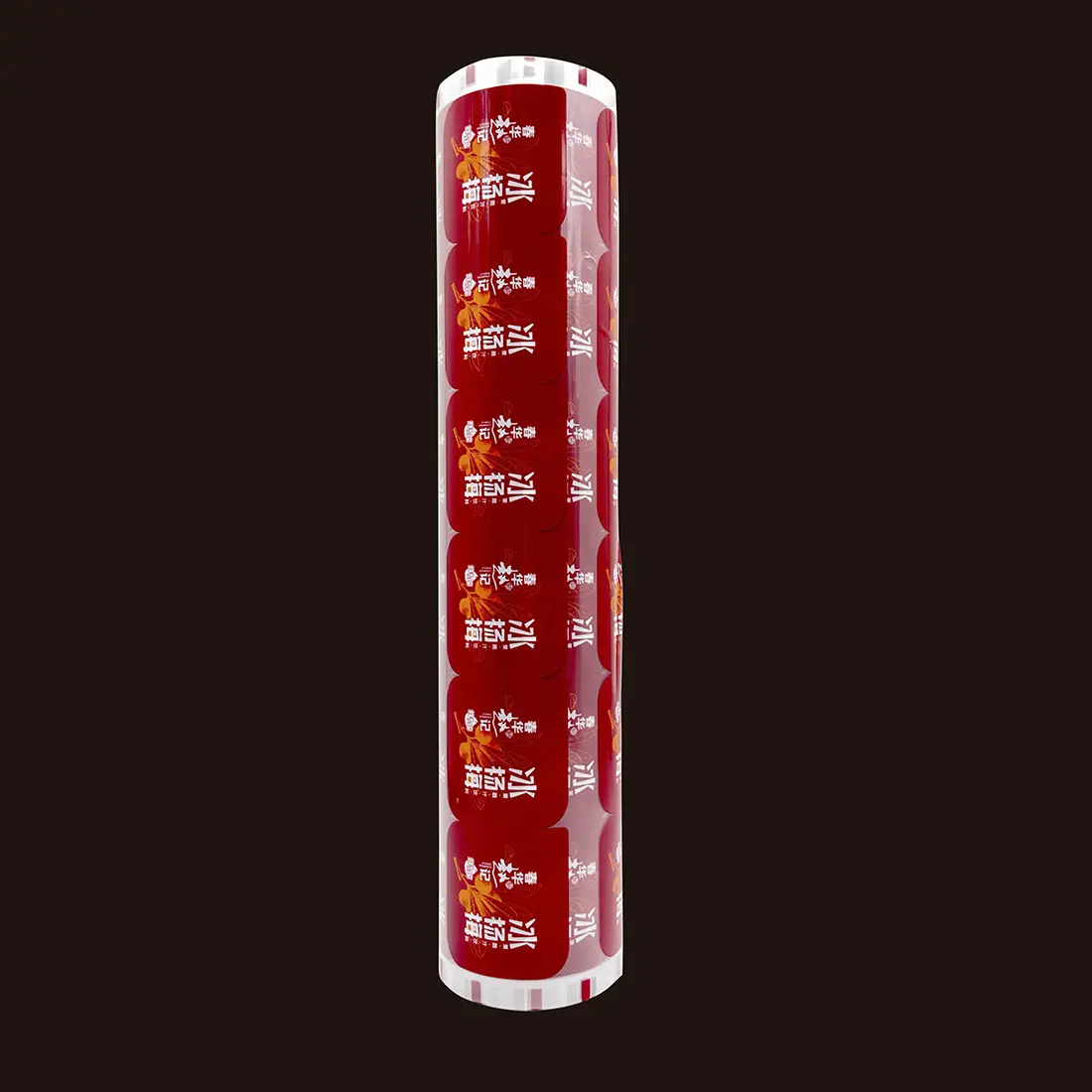
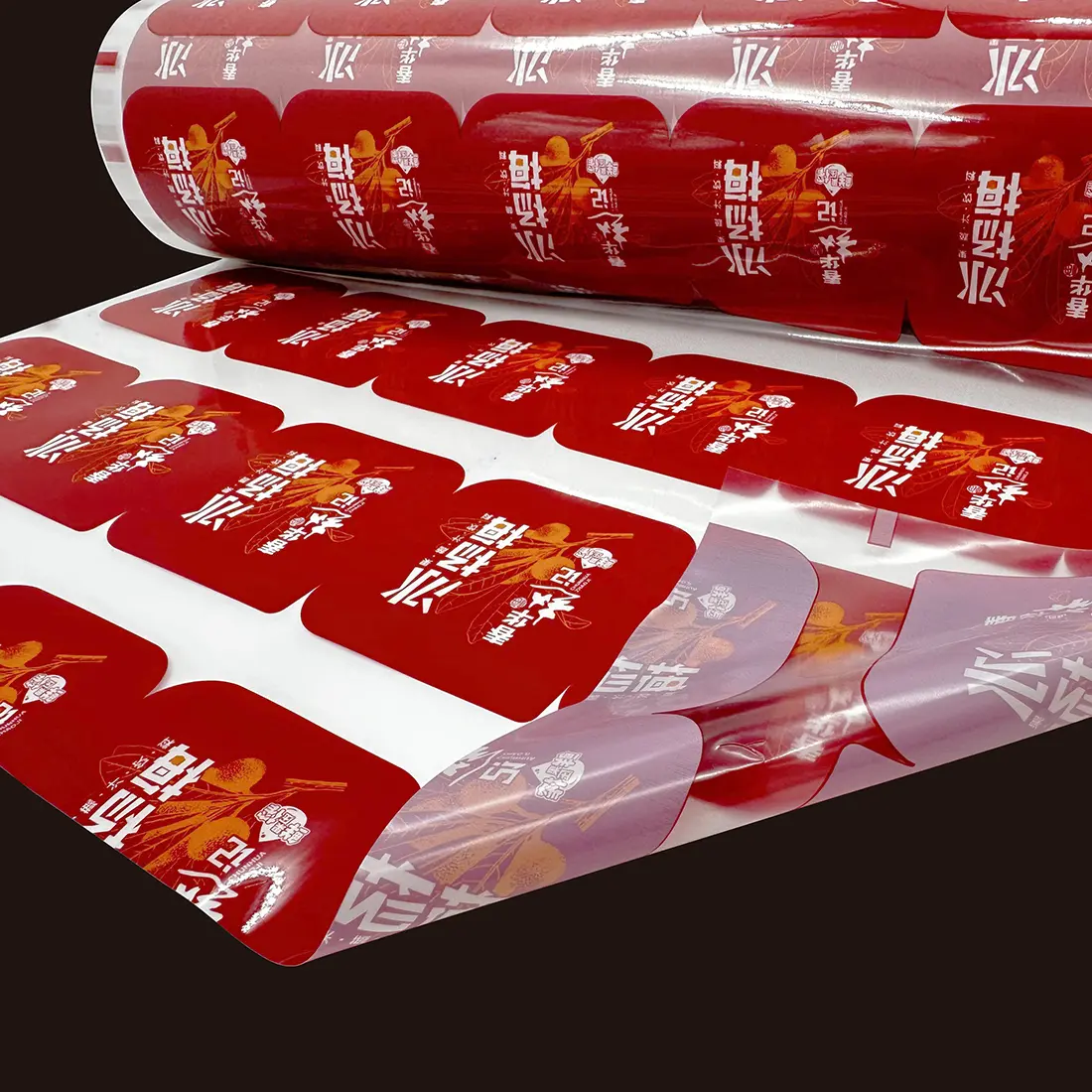
Sealing films are essential in the packaging process, providing a protective barrier that extends the shelf life of products. PP sealing films are particularly effective due to their excellent sealing properties and resistance to moisture and oxygen. This makes them suitable for packaging a wide range of products, from food items to pharmaceuticals.
The versatility of PP sealing films allows them to be used in various packaging formats, including vacuum sealing and shrink wrapping. Their ability to maintain product freshness while providing a tamper-evident seal is crucial in today's market, where consumer safety and product integrity are paramount.
In conclusion, the suitability of PP material for pallets, cups, and sealing films cannot be overstated. Its unique properties make it an ideal choice for a variety of applications in the packaging industry. As businesses continue to seek efficient, cost-effective, and sustainable solutions, the demand for PP products is likely to grow. By embracing the advantages of PP, companies can enhance their operational efficiency while meeting the evolving needs of consumers. Whether it's through durable pallets, convenient cups, or effective sealing films, PP material stands out as a reliable choice in modern packaging solutions.
Polypropylene (PP) is a durable thermoplastic polymer known for its lightweight properties, high tensile strength, and excellent chemical and heat resistance, making it ideal for packaging applications.
PP pallets are resistant to moisture, pests, and chemicals. Unlike wood, they do not splinter or rot, they are lightweight to reduce shipping costs, and they are fully recyclable.
Yes, PP has high thermal resistance, which allows PP cups to safely hold hot beverages as well as cold drinks without losing structural integrity.
PP sealing films provide a tight, reliable barrier against moisture and oxygen. This keeps products fresh, prevents contamination, and offers tamper-evident security.
Yes, PP is a highly recyclable material. Using PP products allows businesses to support sustainable practices and reduce waste compared to single-use non-recyclable alternatives.