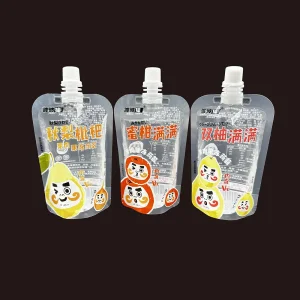
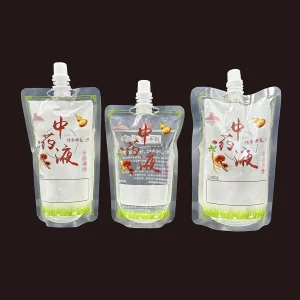
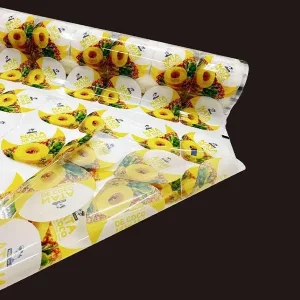
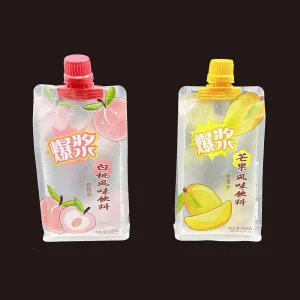
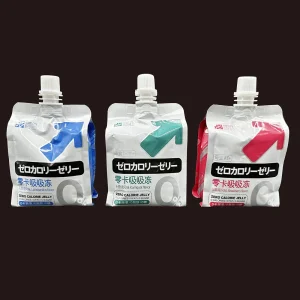
Discover our custom-engineered high-barrier stand-up pouches, spout bags, and laminated roll films designed for pasteurization, sterilization, and prolonged shelf-life stability.
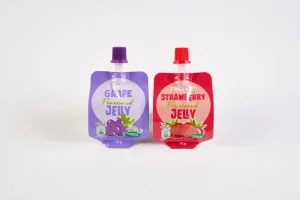
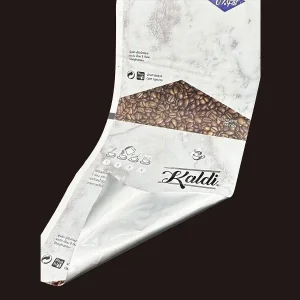
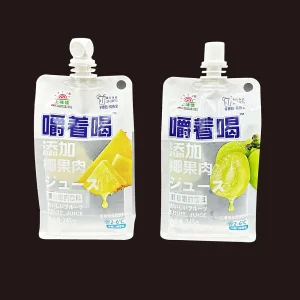
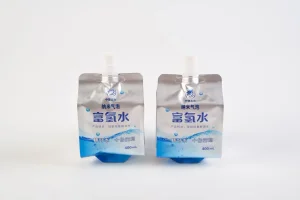
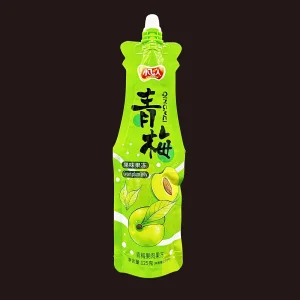
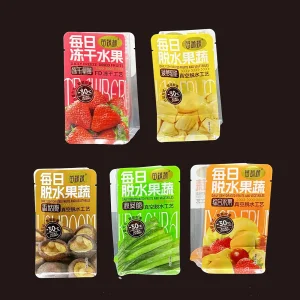
In the modern consumer goods sector, product visibility has transitioned from a marketing preference to an absolute industrial imperative. Today's consumers demand transparency—both in terms of clean labeling and the literal ability to inspect the quality, freshness, and color of their foods, liquids, and pharmaceutical solutions. However, replacing traditional, opaque barrier structures like aluminum foil with transparent high barrier materials presents severe materials-science challenges.
Historically, aluminum foil was the gold standard for blocking moisture vapor, oxygen, ultraviolet light, and aromatic transmission. Unfortunately, metallic layers are opaque, non-microwaveable, susceptible to flex-cracking, and carry a heavy carbon footprint. Transparent high barrier packaging leverages advanced multi-layer polymer chemistry and sub-micron ceramic deposition to match—and often exceed—the shelf-life characteristics of aluminum foil while remaining completely clear and microwaveable.
To achieve exceptional gas barrier properties without losing clarity, manufacturers rely on precise co-extrusion and lamination technologies. The principal polymers utilized in the core structure include:
The global transparent high barrier packaging market is expanding rapidly, projected to achieve a Compound Annual Growth Rate (CAGR) of over 6.5% through 2030. The primary growth drivers are:
The ultimate frontier in flexible packaging is Mono-Material Recyclability. Traditional high barrier films are composite laminates of different plastics (e.g., PET/EVOH/PE or PET/AlOx/BOPA/CPP). When these multi-material plastics enter recycling streams, they cannot be cleanly separated, ending up in landfills or waste incinerators.
The future belongs to Mono-Material PP or Mono-Material PE packaging. Through advanced orientation technologies (MDO-PE and BOPE), manufacturers are orienting single-polymer films to enhance optical clarity and tensile strength, and subsequently depositing thin SiOx or AlOx layers. This yields a single-polymer structure containing less than 5% foreign substances by weight—meaning it is fully compatible with standard global recycling collection channels (such as SPI class 2 and 4).
At Dongfa Printing Co., Ltd., we bring over 35 years of dedicated printing and packaging manufacturing experience to the global market. Our state-of-the-art facility is equipped with automated inline quality inspection technologies, ensuring that every micron of film aligns with target density parameters.
Working in cleanrooms that meet strict GMP standards, we supply high-integrity packaging to clients in the Middle East, Southeast Asia, Africa, North America, and Japan. Our production capacities cover:
Under the microscope: How our material composites resist external gas intrusion and maintain structural integrity.
Utilizing high-purity EVOH and ceramic oxide coatings to lock oxygen out, preventing product discoloration, oxidative spoilage, and rancidity of oils.
Formulated to withstand pasteurization and high-pressure retort sterilization processes up to 121°C/135°C without delamination or clouding.
Engineered with custom inner PE/CPP sealing layers for wide heat-sealing windows, ensuring zero leakages at spout joints under extreme shipping pressure.
Over three and a half decades of printing excellence and industry-leading quality control.
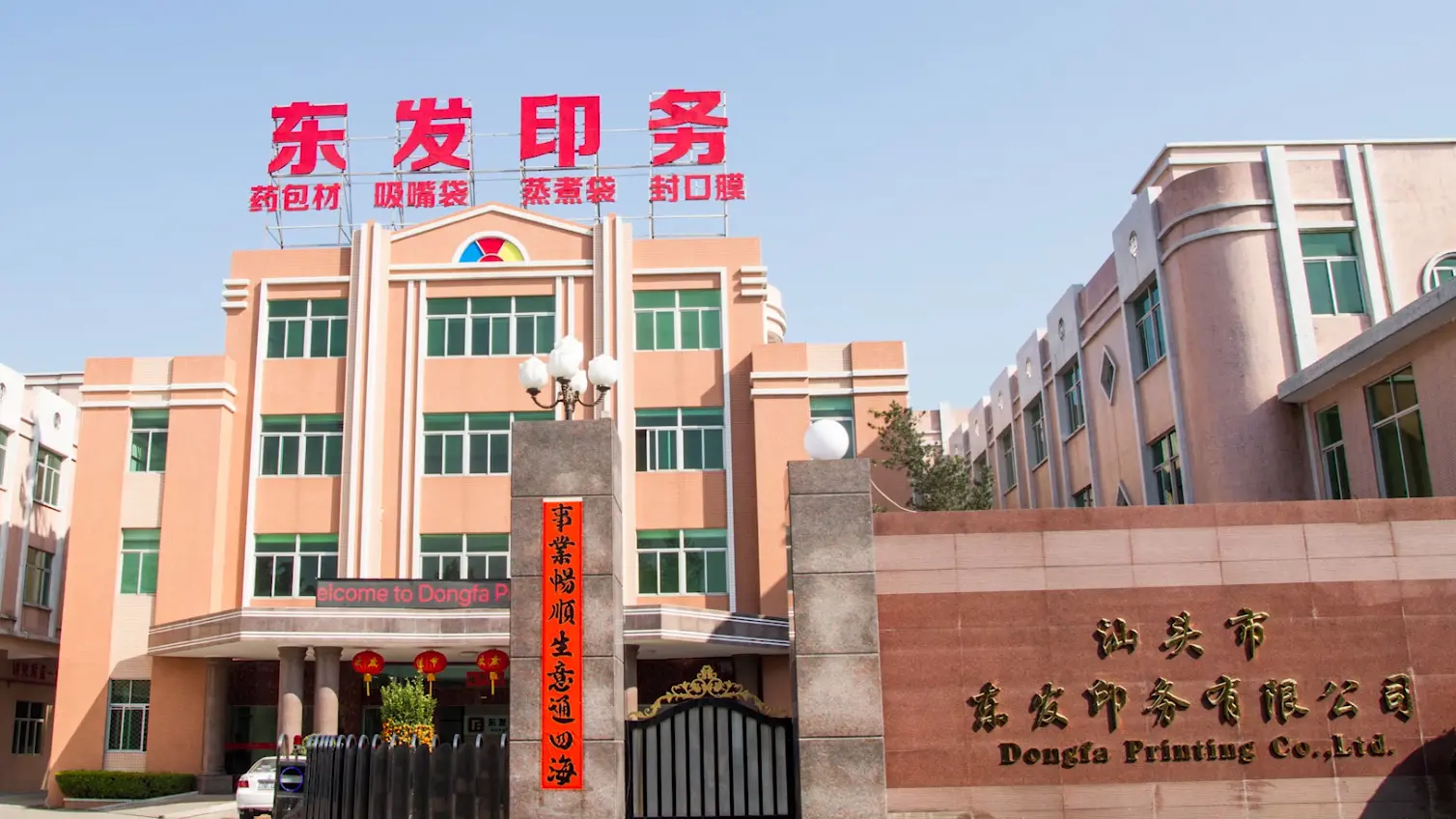
Established with a commitment to quality, Dongfa Printing Co., Ltd. has grown to become a cornerstone in the flexible packaging industry. With over 35 years of professional experience, we specialize in the development and manufacture of various high-end liquid packaging films, spouted pouches, and lidding films.
Our production capabilities are anchored by our advanced printing machinery, equipped with online automated defect detection systems. Our production occurs in standard GMP workshops where environmental variables are strictly managed. From initial graphic design and mechanical plate making to complex laminating and high-speed pouch converting, our full-process service ensures consistent product quality and reliable turnaround times.
Whether you require high-temperature cooking films or complex barrier pouch solutions, we select premium materials and apply rigorous testing protocols to meet global food safety and pharmaceutical regulations.
At Dongfa Printing, we balance industrial utility with environmental stewardship. We constantly innovate to minimize manufacturing waste, employ clean recovery systems for organic solvents, and focus on sustainable, recyclable mono-material barrier formulations to support a circular economy.
Answering critical queries on material properties, shelf-life performance, and sustainability standards.
Traditional aluminum composite structures offer exceptional moisture and oxygen barrier properties, but suffer from zero product visibility, susceptibility to flex-cracking, lack of microwave capability, and a high environmental footprint. Our transparent high barrier packaging utilizes thin layers of EVOH, SiOx, or AlOx, matching aluminum's shelf-life protection while remaining clear, microwave-safe, and easier to manufacture under low-carbon guidelines.
Historically, composite films containing different plastic categories (like PET laminated with PE and EVOH) were challenging to recycle. Dongfa Printing is addressing this by transitioning to mono-material PE/PE or PP/PP barrier platforms. By using thin barrier coatings (less than 5% of the total structure weight), these structures can be processed in standard recycling streams.
Standard EVOH can swell and lose its oxygen-blocking properties when exposed to high-temperature moisture during steam retort processing. To counter this, our retort-grade films encapsulate EVOH with high-density PP/PE or utilize specialized cross-linked barrier technology. This design protects the inner barrier layer, maintaining shelf-life integrity after thermal sterilization.
We employ online automated defect inspection systems that monitor film thickness, barrier uniformity, and print precision in real time. Combined with physical testing for heat seal strength, puncture resistance, and oxygen transmission rates (OTR), we ensure that every batch meets global standards for food, beverage, and medical packaging.
Collaborating with industry-leading brands to deliver high-quality, high-performance packaging globally.
From flexible packaging films to specialized spout bags, we offer engineered solutions tailored to your products.
 DongFa Printing