 DongFa Printing
1 / 2
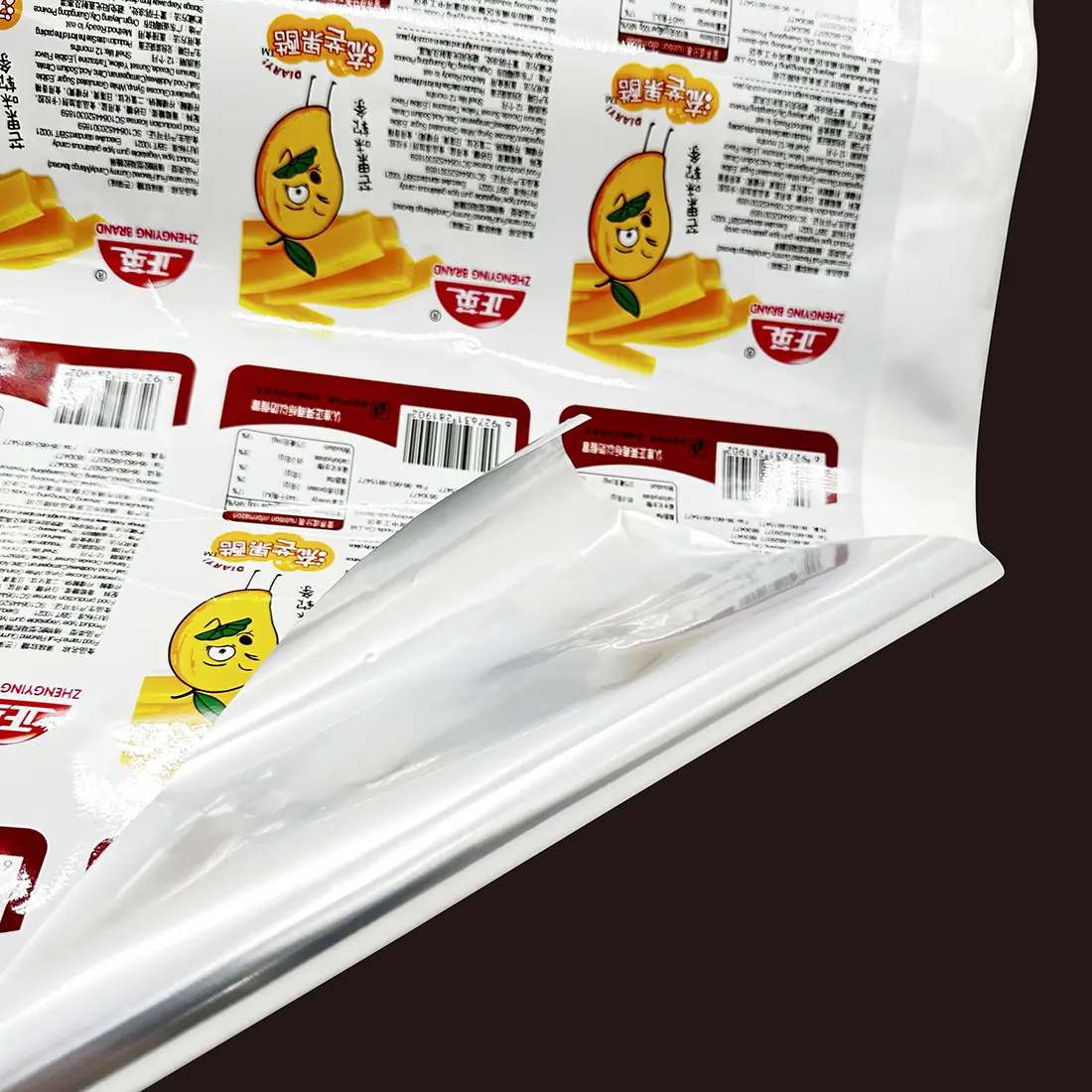
In today's fast-paced world, the demand for efficient and reliable packaging solutions has never been higher. One of the most significant advancements in this field is the development of automatic packaging film. This innovative material is transforming how products are packaged, ensuring that they are not only protected but also presented in an appealing manner.
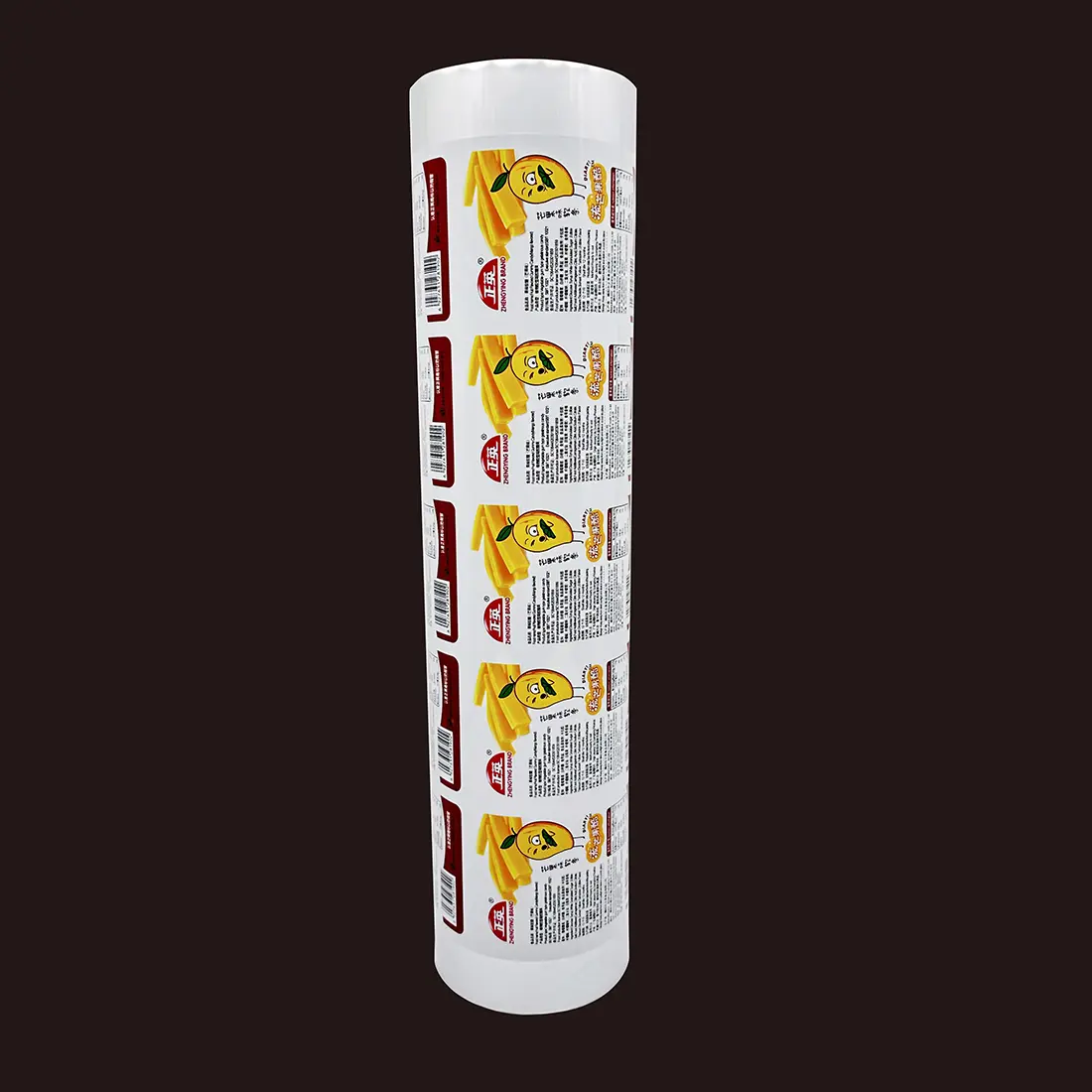
Automatic packaging film refers to a type of flexible film that is designed for use in automated packaging systems. These films are engineered to meet the specific needs of various industries, including food and beverage, pharmaceuticals, and consumer goods. The primary advantage of using automatic packaging film is its ability to streamline the packaging process, reducing labor costs and increasing production efficiency.
It can be produced in various thicknesses, sizes, and finishes, making it suitable for a wide range of products. Whether it's wrapping snacks, sealing medical devices, or packaging household items, automatic packaging film can be tailored to meet the unique requirements of each application. This adaptability not only enhances the functionality of the packaging but also allows businesses to maintain a competitive edge in the market.
Moreover, automatic packaging films are designed to be compatible with various types of packaging machinery. This compatibility ensures that businesses can easily integrate these films into their existing production lines without the need for significant modifications. As a result, companies can achieve a seamless transition to automated packaging processes, leading to increased productivity and reduced downtime.
Another significant benefit of automatic packaging film is its ability to enhance product protection. These films are often engineered with barrier properties that protect products from moisture, oxygen, and other environmental factors that can compromise quality. For instance, in the food industry, automatic packaging films can help extend shelf life by preventing spoilage and maintaining freshness. This not only benefits consumers but also reduces waste for manufacturers, contributing to a more sustainable approach to packaging.
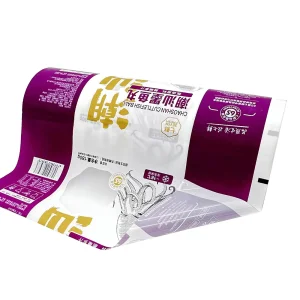
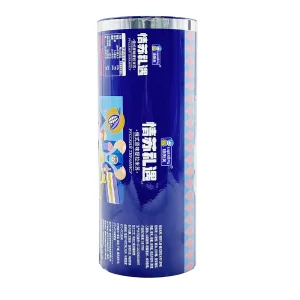
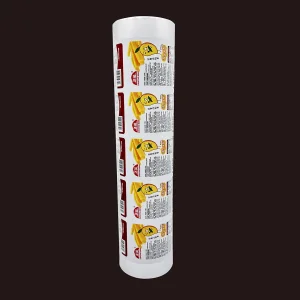
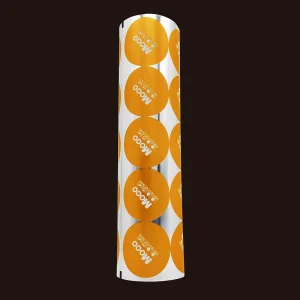
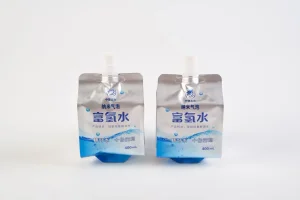
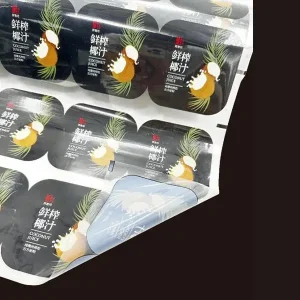
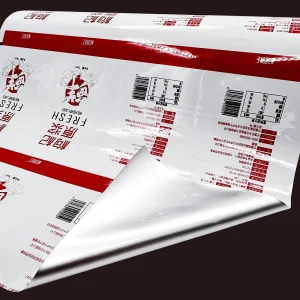
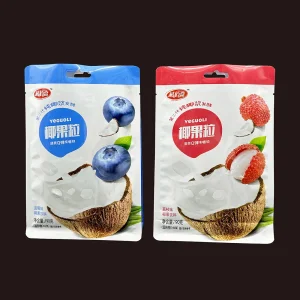
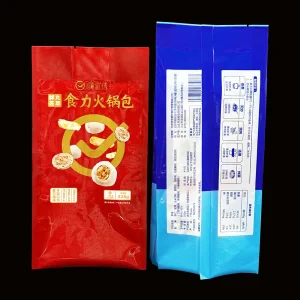
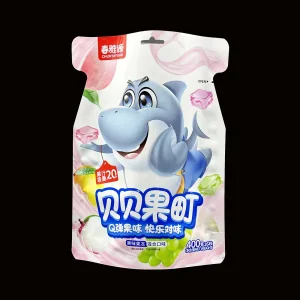
In addition to functionality, the aesthetic appeal of automatic packaging film cannot be overlooked. With advancements in printing technology, businesses can now customize their packaging films with vibrant colors, intricate designs, and branding elements. This capability allows companies to create eye-catching packaging that attracts consumers and enhances brand recognition. In a crowded marketplace, the visual appeal of packaging can significantly influence purchasing decisions, making automatic packaging film an essential tool for marketing.
Sustainability is another critical aspect of modern packaging solutions, and automatic packaging films are no exception. Many manufacturers are now producing films from recyclable or biodegradable materials, aligning with the growing consumer demand for eco-friendly products. By choosing sustainable packaging options, businesses can reduce their environmental footprint and appeal to environmentally conscious consumers.
In conclusion, automatic packaging film is revolutionizing the packaging industry by offering a combination of efficiency, versatility, and sustainability. As businesses continue to seek ways to optimize their packaging processes, the adoption of automatic packaging films will likely increase. With their ability to enhance product protection, improve aesthetic appeal, and support sustainable practices, automatic packaging films are poised to play a crucial role in the future of packaging. As we move forward, it will be exciting to see how this innovative material continues to evolve and shape the landscape of the packaging industry.
Automatic packaging film is a type of flexible packaging material designed specifically for automated packaging machines. It streamlines production, minimizes manual labor, and ensures reliable and consistent packaging for various products.
These films are highly versatile and widely used across several major sectors, including the food and beverage industry, pharmaceuticals, medical device manufacturing, and various consumer goods industries.
It is engineered with advanced barrier properties that block external environmental threats such as moisture, oxygen, and contaminants, effectively keeping food items fresh and preserving product quality.
Yes, modern printing technology allows businesses to apply vibrant colors, custom logos, and detailed designs to the packaging film, which helps enhance brand recognition and shelf appeal.
Absolutely. To support modern sustainability goals, many automatic packaging films are now manufactured using recyclable or biodegradable materials to reduce overall environmental impact.