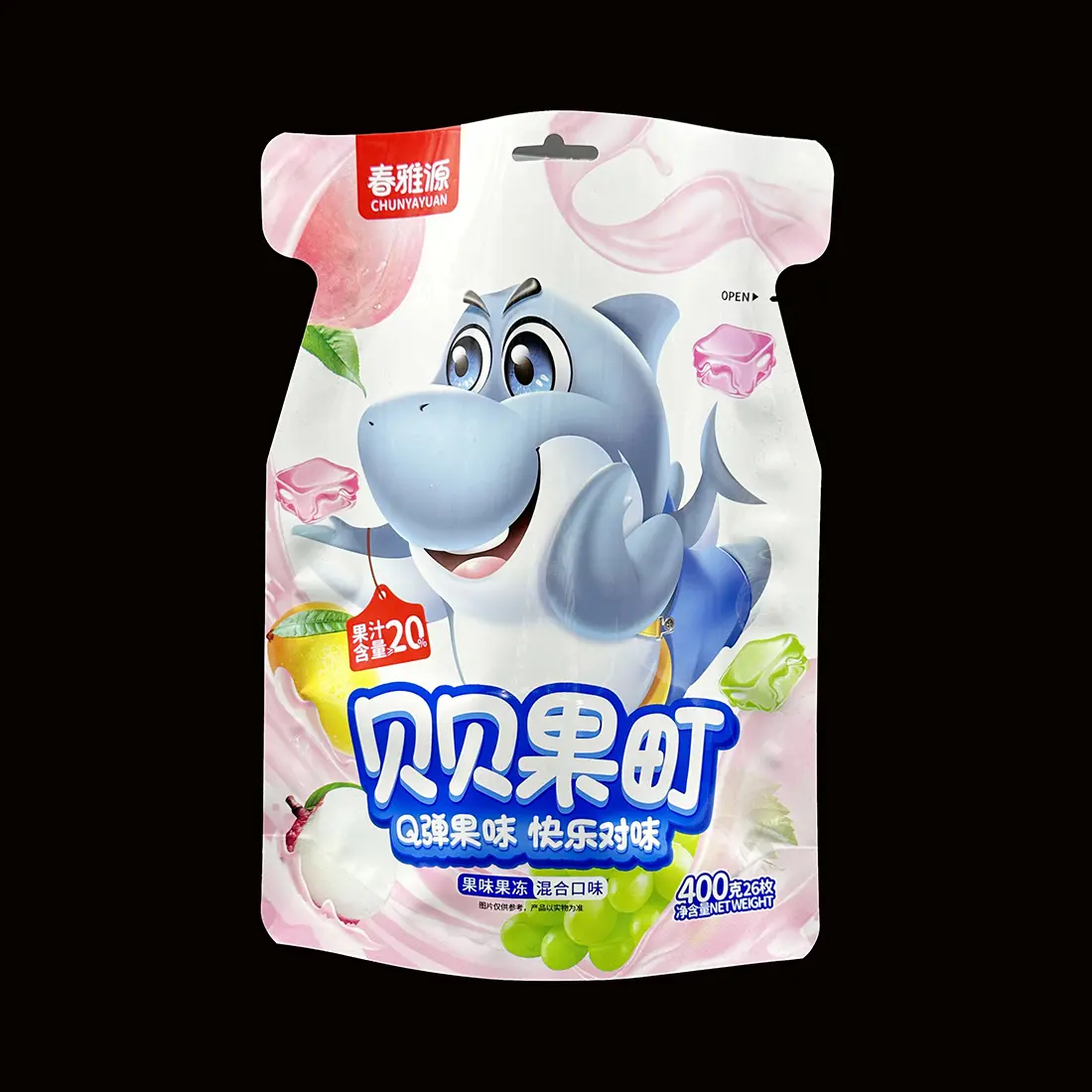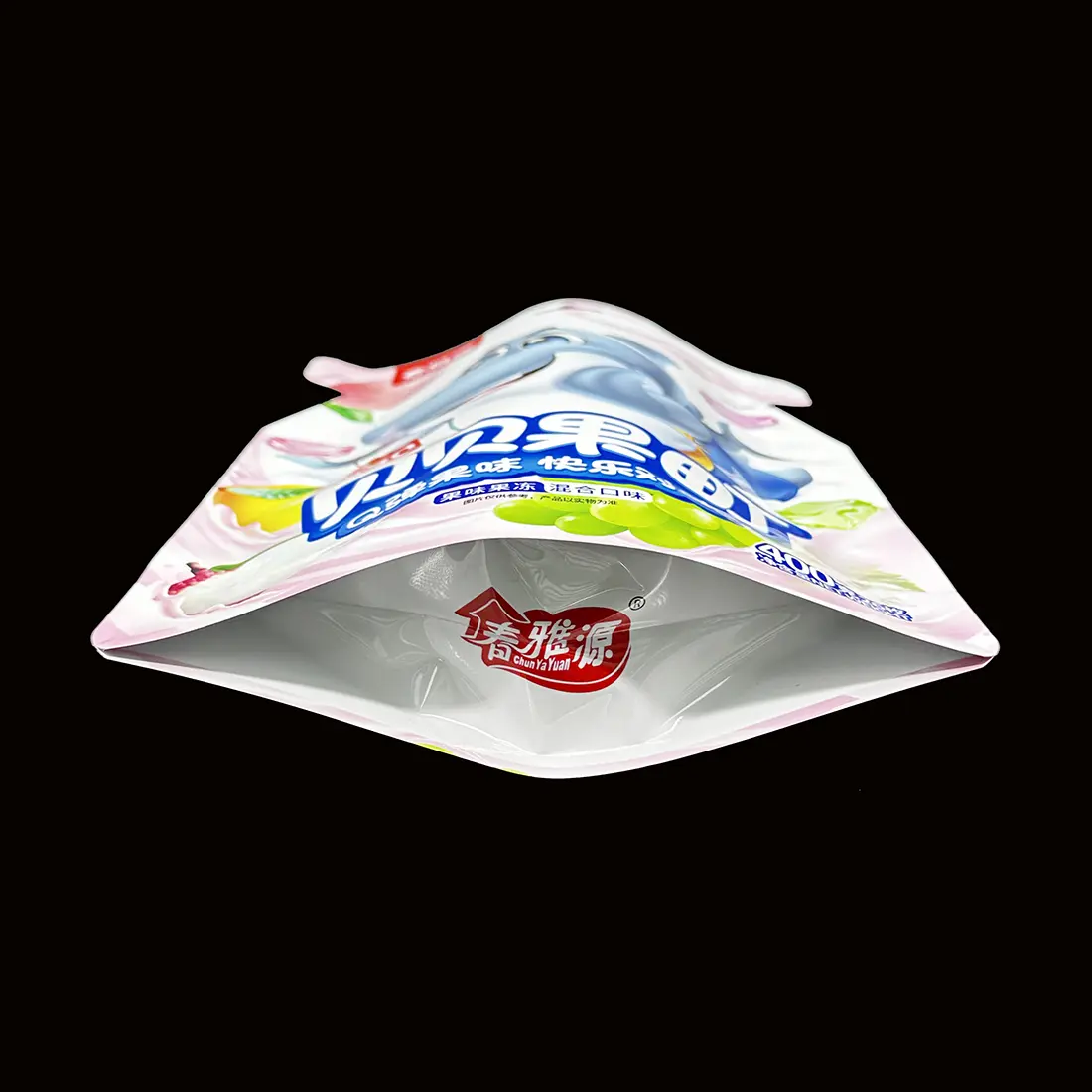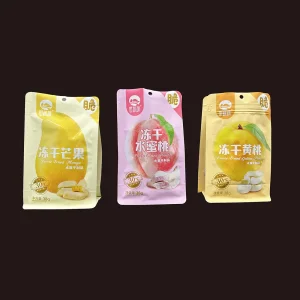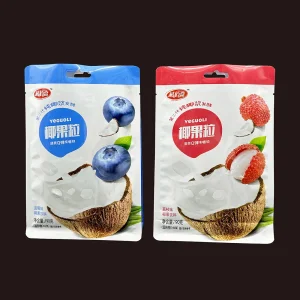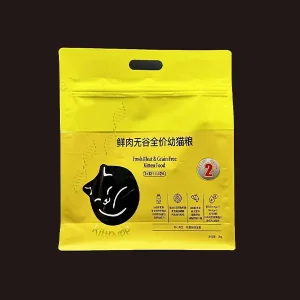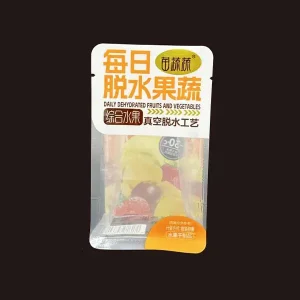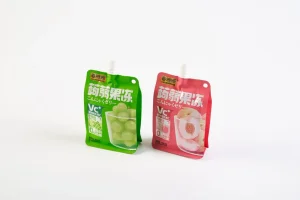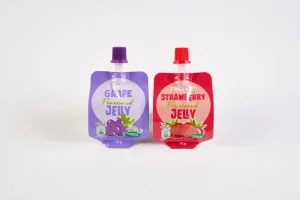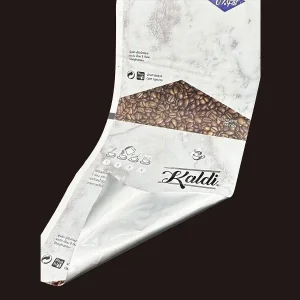
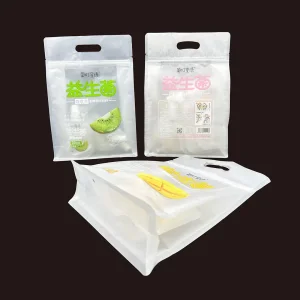
In the ever-evolving world of packaging, the demand for efficient, sustainable, and versatile solutions has never been greater. Among the various options available, the beverage and other liquid packaging pouch with a thickness of 112μm has emerged as a popular choice for manufacturers and consumers alike.
Understanding the 112μm Pouch
The 112μm beverage and liquid packaging pouch is designed to provide optimal protection and preservation for a wide range of liquids, including juices, sauces, dairy products, and ready-to-drink beverages. The thickness of 112 micrometers strikes a balance between durability and flexibility, making it suitable for various filling processes and storage conditions.
One of the key components of these pouches is the multi-layer structure, which typically includes layers of polyethylene (PE), polypropylene (PP), and sometimes aluminum foil. This combination not only enhances the mechanical strength of the pouch but also provides excellent barrier properties against moisture, oxygen, and light — critical factors in maintaining the quality and freshness of liquid products.
Applications in the Beverage Industry
The beverage industry has been one of the primary adopters of 112μm packaging pouches. These pouches are commonly used for:
🥤
Juices & Smoothies
The barrier properties of the pouch help preserve the flavor and nutritional value of fruit and vegetable juices, making them a popular choice for health-conscious consumers.
🥛
Dairy Products
Liquid dairy products such as milk and yogurt drinks benefit from the protective qualities of the 112μm pouch, ensuring freshness and safety throughout their shelf life.
🏃
Ready-to-Drink
The convenience of pouches makes them ideal for on-the-go consumption, catering to the busy lifestyles of modern consumers.
Conclusion
The beverage and other liquid packaging pouch with a thickness of 112μm represents a significant advancement in packaging technology. With its combination of durability, sustainability, and versatility, it meets the needs of both manufacturers and consumers in an increasingly competitive market. As the industry continues to innovate, the 112μm pouch is poised to play a crucial role in the future of liquid packaging.
Frequently Asked Questions (FAQ)
Q
What does 112μm mean in liquid packaging pouches?
112μm refers to the thickness of the packaging pouch — 112 micrometers. This specific thickness provides an optimal balance between flexibility and durability, making it suitable for a wide range of liquid products including beverages, sauces, and dairy items.
Q
What materials are used in the construction of 112μm pouches?
These pouches typically feature a multi-layer structure composed of polyethylene (PE), polypropylene (PP), and in some cases, aluminum foil. This combination delivers excellent mechanical strength along with strong barrier properties against moisture, oxygen, and light.
Q
How do 112μm pouches help extend the shelf life of beverages?
The multi-layer barrier structure of 112μm pouches effectively blocks the entry of oxygen and moisture — the two primary causes of spoilage and oxidation. This protection helps maintain the freshness, flavor, and nutritional quality of liquid products for extended periods.
Q
Are 112μm liquid packaging pouches environmentally friendly?
Many 112μm pouches are now produced using recyclable materials, and ongoing technological advancements are enabling the development of biodegradable alternatives. Their lightweight nature also reduces carbon emissions during transportation compared to glass or rigid plastic containers.
Q
What types of beverages are best suited for 112μm pouches?
112μm pouches are well-suited for a broad variety of beverages, including fruit juices, smoothies, flavored waters, dairy drinks (milk, yogurt beverages), ready-to-drink teas, and liquid sauces or dressings. Their versatility makes them compatible with both thin and viscous liquid formulations.
Q
Why are 112μm pouches considered more cost-effective than traditional packaging?
Compared to glass bottles or rigid plastic containers, 112μm pouches require less raw material to produce and weigh significantly less. This results in lower manufacturing costs and reduced freight expenses, offering tangible savings for manufacturers that can ultimately be reflected in more competitive retail pricing.