 DongFa Printing
1 / 2
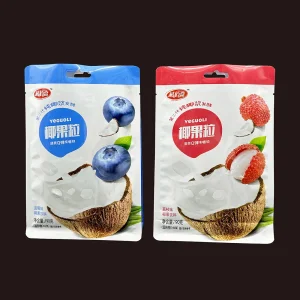
In the world of packaging, the choice of materials and design plays a crucial role in preserving the quality and extending the shelf life of products. Among the various packaging options available, flat bottom bags have emerged as a popular choice, particularly for their excellent barrier properties against oxygen and water vapor. This article explores the advantages of flat bottom bags and why they are considered a good barrier to these elements.
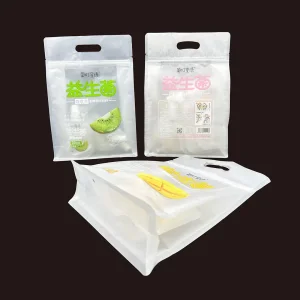
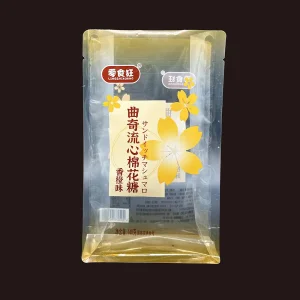
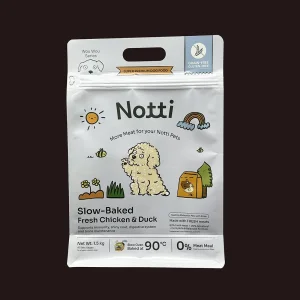
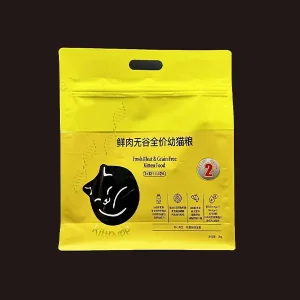
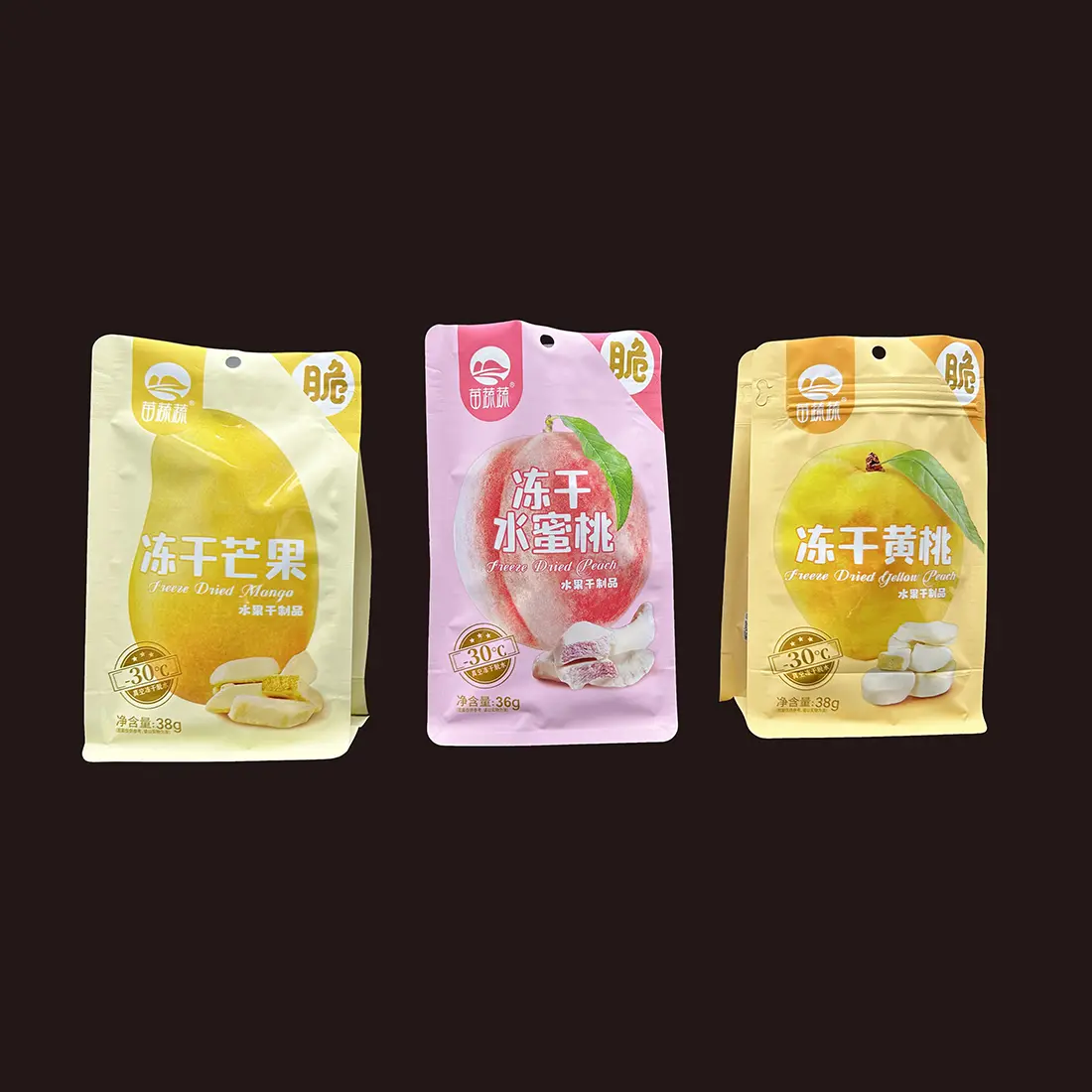
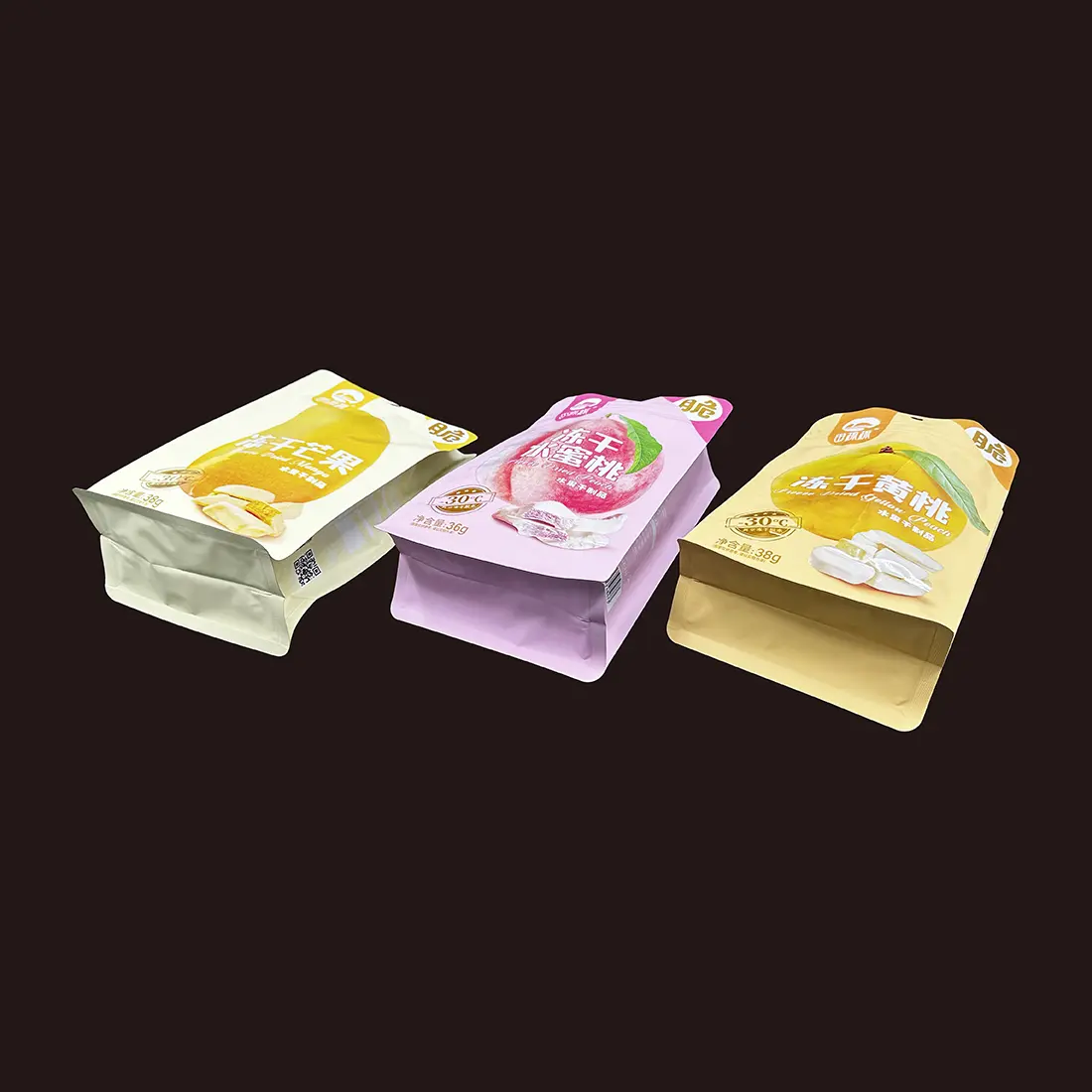
Flat bottom bags, also known as block bottom bags, are designed with a unique shape that allows them to stand upright on shelves. This design not only enhances the visual appeal of the product but also provides practical benefits for storage and display. Made from various materials, including polyethylene, polypropylene, and laminated films, flat bottom bags can be tailored to meet specific packaging needs.
One of the standout features of flat bottom bags is their ability to act as a barrier to oxygen and water vapor. Oxygen is a significant factor in the degradation of many products, particularly food items. When exposed to oxygen, products can undergo oxidation, leading to spoilage, loss of flavor, and nutritional degradation. Similarly, water vapor can cause moisture-related issues, such as mold growth and texture changes.
Flat bottom bags are engineered to minimize the permeability of external elements. The materials used in their construction can be selected based on their barrier properties, ensuring that the contents remain protected. Multi-layer films can be employed to enhance the barrier against oxygen and moisture, making them ideal for packaging sensitive products like snacks, coffee, and pharmaceuticals.
The versatility of flat bottom bags makes them suitable for a wide range of applications across different industries:
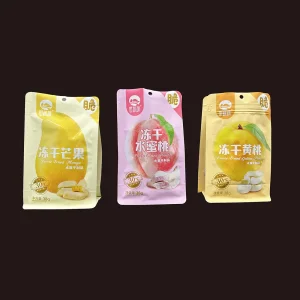
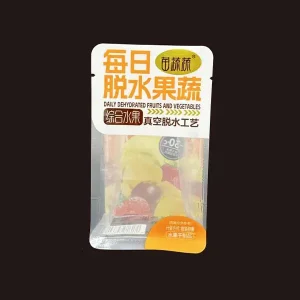
Commonly used for packaging items such as grains, nuts, and dried fruits. The excellent barrier properties help maintain freshness and prevent spoilage, ensuring consumers receive high-quality products.
Used to package medications and supplements. The ability to keep out oxygen and moisture is critical in preserving the efficacy of these products. Transparent flat bottom bags also allow for easy identification.
As sustainability becomes an increasingly important factor in packaging decisions, flat bottom bags can also be designed with eco-friendly materials. Many manufacturers are now offering biodegradable and recyclable options, allowing businesses to reduce their environmental impact while still benefiting from the protective qualities of these bags.
In conclusion, flat bottom bags are an excellent choice for packaging due to their good barrier properties against oxygen and water vapor. Their unique design, combined with the ability to customize materials for specific applications, makes them a versatile solution for various industries. As businesses continue to prioritize product quality and sustainability, flat bottom bags will likely remain a popular packaging option for years to come. Whether for food, pharmaceuticals, or other sensitive products, the advantages of flat bottom bags in preserving freshness and extending shelf life cannot be overstated.
Why are flat bottom bags effective barriers against oxygen and moisture?
Flat bottom bags utilize multi-layer laminated films, including materials like polyethylene and polypropylene, which are specifically engineered to minimize permeability and protect inner contents from degradation.
What are the main design benefits of flat bottom packaging?
Also known as block bottom bags, their unique flat base design allows them to stand completely upright on shelves. This maximizes shelf visibility, space efficiency, and overall aesthetic appeal.
What types of products are best suited for flat bottom bags?
They are ideal for sensitive products requiring protection from environmental factors, including food items (coffee, grains, nuts, dried fruits) and pharmaceutical goods (medications and supplements).
Are there eco-friendly options available for flat bottom bags?
Yes, many flat bottom packaging bags can be customized with sustainable materials, including biodegradable and recyclable options to meet environmental goals.
How does oxygen exposure affect food packaging?
Exposure to oxygen can cause oxidation, which leads to food spoilage, loss of natural flavor, and nutritional degradation. High-barrier flat bottom bags effectively prevent this process.