In today’s fast-paced global market, the demand for durable and reliable packaging solutions is ever-increasing. The Plastic Strapping Roll stands out as a critical component in ensuring secure and efficient packaging. This guide is designed for buyers seeking high-quality plastic strapping solutions for their industries. With numerous options available, selecting the right manufacturer and product can be daunting.
Understanding the features, strengths, and applications of different plastic strapping rolls is essential. Buyers must consider factors such as tensile strength, stretchability, and compatibility with sealing tools. Mistakes in this selection process can lead to inefficiencies and increased costs. Hence, informed choices are vital for operational success.
This buying guide aims to equip you with the necessary knowledge and insights to make wise investments in plastic strapping rolls. By emphasizing quality and reliability, we hope to help businesses optimize their supply chains and enhance product protection. Remember, a well-informed purchase can save time and resources, ultimately reflecting your commitment to excellence in packaging solutions.
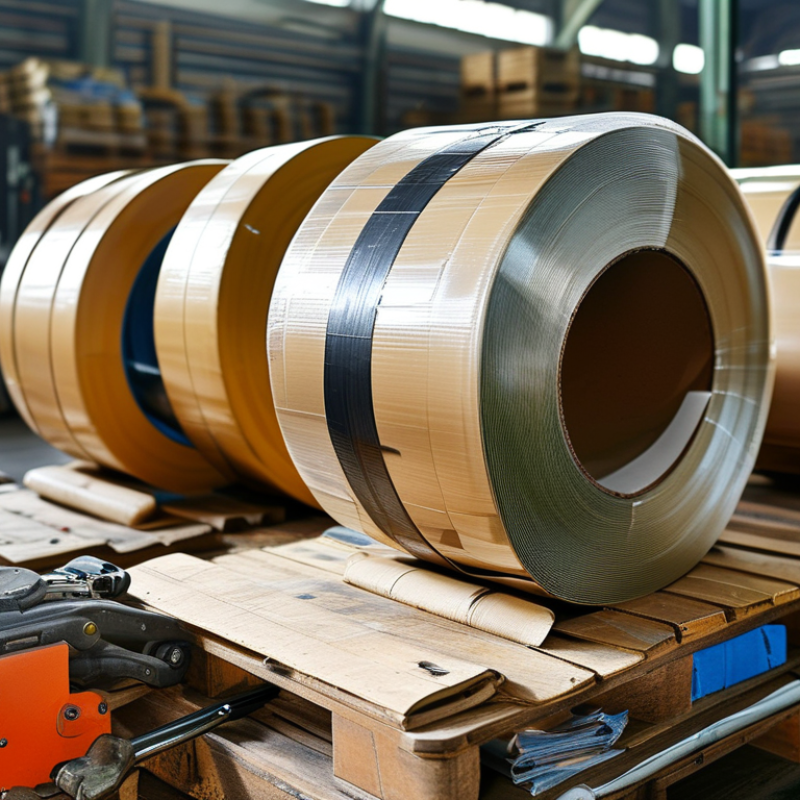
Plastic strapping rolls are vital in various industries. They provide essential support for packaging and securing products. Understanding their types and applications can aid businesses in making informed sourcing decisions.
There are several types of plastic strapping. Polypropylene is lightweight and economical. It resists UV rays and is good for indoor use. Polyester is stronger and often used for heavy loads. It is more resistant to stretching, which is crucial for stability during transport. Each type has specific advantages, depending on the application.
Applications vary widely. In construction, strapping secures lumber. In manufacturing, it bundles products for shipment. The choice of strapping can affect efficiency. Improper selection might lead to product damage or increased costs. Reflecting on these aspects is essential for successful global sourcing.
When sourcing plastic strapping rolls, several key factors should be considered to ensure effective supply chain management. Quality material is crucial. The right type of plastic can affect durability and performance. Look for high-tensile options for heavy loads. Conduct tests on the material's resistance to wear and temperature variations.
Tip: Always request samples before committing to a supplier. This allows for a hands-on assessment of the strapping's quality. Evaluate the flexibility, strength, and ease of use. Consider how the strapping will be used in your operation.
Another important factor is the supplier’s reliability. A trustworthy supplier can meet deadlines and maintain consistent quality. Research potential vendors thoroughly. Check their production capacity and delivery times. Customer reviews and case studies can provide insight into their dependability.
Tip: Establish clear communication with potential suppliers. Ask about their backup plans in case of disruptions. Understand their quality control processes to avoid unexpected issues. A reliable supply chain can prevent costly delays and enhance operational efficiency.
When sourcing plastic strapping rolls globally, identifying top suppliers is crucial. Various manufacturers operate in this industry, each offering unique qualities and capabilities. Key factors to consider include material quality, production capacity, and customer service. Understanding these elements helps businesses make informed choices.
Tips for assessing suppliers: Research their certifications and industry reputation. Quality certifications indicate a commitment to standards. Investigate customer reviews for insights into satisfaction levels. Engage with potential suppliers directly to gauge response times and support. This interaction reveals much about their reliability.
Another aspect to consider is logistics. Supplier locations can impact shipping times and costs. Companies should weigh the benefits of local suppliers against the potential savings of overseas ones. Sometimes, the cheapest option might not be the most effective. Ensure that suppliers provide clear lead times and shipping policies to avoid unexpected delays.
| Material Type | Width (mm) | Thickness (mm) | Breaking Strength (kg) | Length per Roll (m) | Average Price (USD) |
|---|---|---|---|---|---|
| Polypropylene (PP) | 12 | 0.5 | 150 | 1000 | 15 |
| Polyester (PET) | 16 | 0.6 | 200 | 1200 | 20 |
| High Strength Polyester | 19 | 0.8 | 250 | 1500 | 25 |
| Banding Plastic | 12 | 0.4 | 120 | 800 | 10 |
When budgeting for plastic strapping purchases, understanding price trends is crucial. Over the past few years, the costs of plastic strapping materials have fluctuated due to various factors, such as raw material availability and market demand. For businesses engaged in packaging, knowing these trends can help in making informed purchasing decisions. An effective budget plan requires careful analysis of current market prices and projected costs.
Many companies find themselves unsure of how to predict future price increases. Monitoring industry reports and forecasts provides valuable insights. Additionally, suppliers may offer bulk discounts or loyalty pricing for regular customers. It’s essential to evaluate these options to mitigate potential costs.
Sometimes, a cheaper alternative may compromise quality. This could lead to increased waste and more frequent replacements. Reflecting on past purchases can reveal patterns in pricing and quality. Companies need to balance their budget with the long-term benefits of high-quality strapping solutions. Achieving this balance is key to enhancing productivity while managing overall expenses effectively.
Proper storage and usage of plastic strapping rolls are crucial for efficiency in packaging operations. Industry data suggests that improperly stored strapping can lead to significant waste. Strapping that is exposed to excessive heat or sunlight can lose its tensile strength by up to 30%. Ensure your storage area is cool, dry, and dark to maintain the integrity of the rolls.
When using plastic strapping, always inspect the rolls for damage before each use. A flawed roll can lead to packing failures and, consequently, product damage. According to recent reports, nearly 20% of shipping mishaps are linked to improper strapping practices. This highlights the importance of thorough checks. Using the right tensioning tools also ensures optimal performance of the strapping.
Consider training staff on best practices for securing loads. A study indicated that companies investing in employee training see a 25% reduction in packaging errors. Encouraging feedback from employees on the usability of strapping can also drive improvements. Involving team members in discussions about strapping can reveal insights into their daily challenges and lead to operational enhancements.
This chart illustrates the average usage of different types of plastic strapping rolls across various industries, showcasing the preferences and trends in 2026. Data is gathered from industry reports and market analysis.
: They are used for packaging and securing products in various industries.
Common types include polypropylene and polyester, each with specific uses and benefits.
Quality affects durability and performance, especially under heavy loads.
Request samples to assess flexibility, strength, and ease of use before committing.
Reliability and ability to meet deadlines are crucial for consistent quality.
Price fluctuations can impact costs, so market analysis is essential for planning.
Yes, they can reduce costs, especially for regular customers.
Cheaper materials might lead to increased waste and frequent replacements.
Reflect on past purchases to identify patterns in pricing and quality.
Clear communication with suppliers helps prevent unexpected issues and delays.
The article "2026 Top Plastic Strapping Roll Buyers Guide for Global Sourcing" provides an in-depth exploration of plastic strapping rolls, highlighting their various types and applications in different industries. It offers crucial insights on key factors to consider when sourcing plastic strapping rolls, such as material quality, tensile strength, and compatibility with strapping tools.
Additionally, the guide outlines the leading global suppliers and manufacturers, providing a helpful context for buyers looking to make informed purchasing decisions. Readers will also find valuable information on price trends and budgeting for plastic strapping investments, along with best practices for the storage and usage of plastic strapping rolls to enhance efficiency and effectiveness in packaging operations.

DongFa Printing