10 Best Dehydrated Food Packaging Suppliers for Buyers

Time:2026-11-12 Author:Sienna
0%

Choosing a supplier for dehydrated foods is not just a price comparison. The right pouch or liner must protect crispness, limit moisture and oxygen exposure, and survive filling, sealing, shipping, and storage. A weak seal can undo careful drying. Small details matter.

This guide to the 10 Best Dehydrated Food Packaging Suppliers for Buyers examines materials, barrier options, customization, minimum order quantities, lead times, and quality documentation. Food-packaging expert Aaron L. Brody has written extensively about packaging and food preservation; the following is an editorial paraphrase, not a verbatim quotation: “Packaging must help preserve the food’s quality throughout its journey.” That principle gives buyers a practical starting point. Ask suppliers for specifications, sample packs, and clear answers about intended use. Then test the package with your actual product, not just an empty pouch on a desk.

Look closely. A bag that works for apple chips may not suit powdered soup or dried herbs. Compare zipper performance, seal width, puncture resistance, and how easily the pack fits your filling line. This list is a useful shortlist, not a final verdict. Supplier claims still need checking, and sample testing takes time. It can feel tedious. But that extra check may reveal a mismatch before a large order.
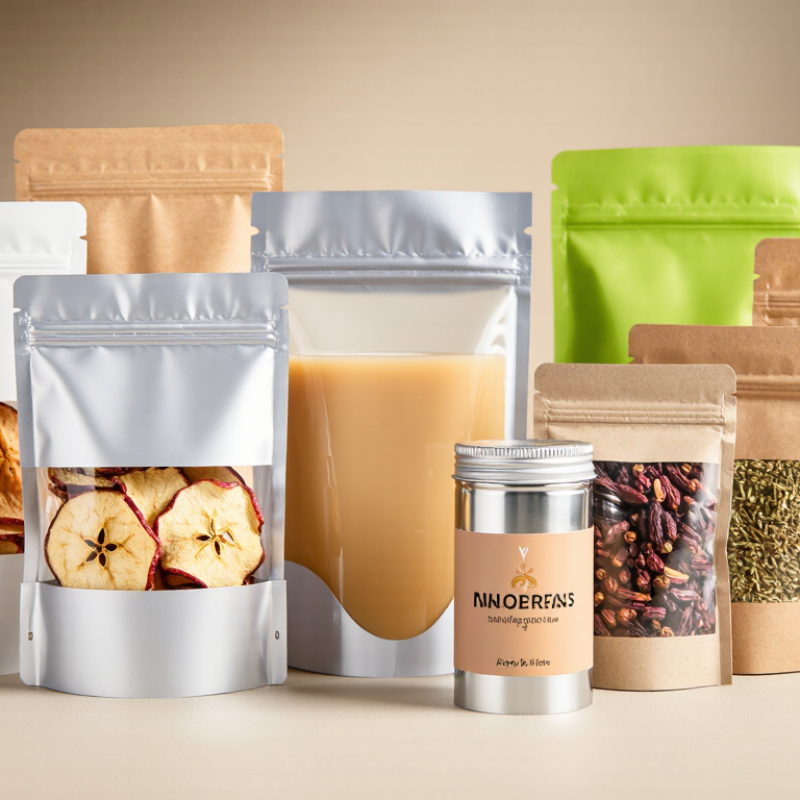
10 Best Dehydrated Food Packaging Suppliers for Buyers

Understanding Packaging Requirements for Dehydrated Foods

Dehydrated foods are sensitive to moisture, oxygen, and sometimes light. A small leak can soften crisp fruit or cause powdered ingredients to clump. Small details matter. Packaging should match the food’s texture, fat content, and expected shelf life. A supplier needs to understand the product before recommending a film or container.

Barrier selection involves trade-offs. A high-barrier pouch may help limit moisture and oxygen exposure, while an opaque layer can protect light-sensitive ingredients. But more protection is not always better. Overbuilt packaging can add cost and material without improving the product meaningfully. For snacks, resealable closures may help preserve crispness after opening. For powders, wide openings and reliable seals can make filling and everyday use easier.

Check how suppliers control seal quality and maintain consistent material thickness. Ask whether they can provide relevant test data, such as moisture or oxygen transmission results, and explain the conditions behind those figures. Testing matters. Trial packs should be filled, sealed, transported, and stored under realistic conditions. This can reveal pinholes, weak seams, or awkward dispensing before a full production run. It is easy to focus only on barrier numbers; I would also check whether the package suits the actual filling line and the people opening it.

Key Criteria for Evaluating Packaging Suppliers

Choosing a dehydrated food packaging supplier requires more than comparing prices. The package must limit moisture and oxygen exposure while protecting products during storage and transport. Ask what barrier properties the supplier can provide, and request test data for the proposed material. Details matter. Check whether seals remain intact after filling, handling, and temperature changes. A sample that looks sturdy may still have a weak seal.

Evaluate the supplier’s quality controls and production consistency. Ask how batches are tracked, how defects are recorded, and whether material specifications can be shared. Clear answers make future problems easier to investigate. Also confirm minimum order quantities, lead times, and options for reordering the same packaging. These details affect inventory planning. A low quote can become costly if deliveries are often delayed or specifications change without notice. Do not rely on a polished sample alone; ask how routine production is checked.

Tips: Test packaging with your actual dehydrated product, not an unrelated sample. Request a small production trial and inspect seals, punctures, and product condition after storage. Ask for proof. If a supplier cannot explain its testing process clearly, keep comparing options. Some criteria may need adjustment after real-world trials, and that is worth acknowledging.

Ten Dehydrated Food Packaging Suppliers to Consider

Buyers comparing dehydrated food packaging should look beyond price per pouch. Ten supplier types can be worth considering: flexible-pouch converters, high-barrier film producers, vacuum-pouch suppliers, stand-up pouch makers, and sachet specialists. Paper-laminate providers may suit lightweight products, while bulk-liner suppliers handle larger quantities. Custom printers, stock-packaging distributors, and contract packagers round out the field. Small details matter.

Ask each supplier for material specifications, sample packs, minimum order quantities, and realistic lead times. Check moisture and oxygen barrier data, seal performance, and documentation for intended food-contact use. Then test a filled sample through storage and handling; a neat-looking pouch can still leak at the seam. Requirements vary with product shape, residual moisture, and shipping conditions. A shortlist can look convincing on paper, yet miss how a pouch behaves on a packing line. I would not skip that test.

Comparing Supplier Materials, Capabilities, and Services

Choosing a dehydrated-food packaging supplier starts with the product’s risks. Dried fruit can regain moisture, while herbs may lose aroma or color. Ask how proposed films or laminates limit moisture, oxygen, and light exposure. Material claims need context. A thick-looking pouch is not automatically a better barrier. Request sample packs and compare seal quality, odor retention, and handling after filling.

Suppliers may offer paper-based structures, flexible films, high-barrier laminates, or combinations of these materials. Check whether the package format suits your filling equipment, storage conditions, and shipping method. A zipper helps consumers reseal a pouch, but it cannot compensate for a weak initial seal. Small details matter. Ask for technical specifications and food-contact documentation, then confirm that the supplied material matches the documents.

Capabilities and services deserve equal scrutiny. Compare minimum order quantities, custom sizes, print options, sample timing, and production lead times. Some suppliers can support testing or troubleshoot sealing problems; others mainly provide packaging materials. Ask how they control thickness and seal consistency between production batches. A polished sample can hide production variation. I would not judge a supplier from one sample alone; run a small trial with your actual product, filling process, and storage conditions before committing to larger orders.

How to Select and Verify the Right Supplier

Choosing a dehydrated food packaging supplier starts with the product, not the sales brochure. Ask how the proposed film or pouch protects against moisture, oxygen, light, and handling damage. Request technical data for the exact material and thickness, then compare it with your food’s expected shelf life and storage conditions. A crisp fruit slice may soften after a small seal leak. Check seal strength and barrier performance using samples from a production run, not only a polished display sample. Small details matter.

Verify the supplier’s quality records, lot traceability, and process for handling defects. Ask for recent test reports and a sample certificate of analysis, where relevant. Visit the facility if practical, or request a live walkthrough of receiving, production, and inspection areas. Confirm minimum order quantities, lead times, and how material changes are communicated. Speak with customers who pack similar foods. A supplier may answer every question smoothly, yet still struggle with a rush order. That deserves a closer look. Keep written records of specifications and approvals; memory gets unreliable when a packaging issue appears months later.

FAQS

What should I compare when choosing a packaging supplier?

Compare moisture and oxygen barrier data, seal performance, price, minimum order quantities, and lead times. Ask for material specifications and test results.

How can I test whether a pouch protects dehydrated food?

Fill a sample with your actual product. Store and handle it, then inspect the seams, punctures, and food condition. Small trial, useful evidence.

Which supplier types may suit dehydrated foods?

Options include flexible-pouch converters, high-barrier film producers, vacuum-pouch suppliers, stand-up pouch makers, and sachet specialists. Bulk liners suit larger quantities.

What quality-control details should I ask about?

Ask how batches are tracked, defects recorded, and routine production checked. Request material specifications. Vague answers make later problems harder to investigate.

Is a polished sample enough to judge packaging?

No. A sample can look sturdy but have a weak seal. Check how routine production is tested, too.

What documents should a supplier provide?

Request barrier data, material specifications, and documentation for intended food-contact use. Keep the records with your packaging samples.

How do minimum orders and lead times affect planning?

Confirm order quantities, delivery estimates, and reordering options. Delays or changing specifications can make a low quote costly.

Does one packaging type work for every dehydrated product?

No. Product shape, residual moisture, and shipping conditions affect the choice. A shortlist may look right on paper, yet fail on your packing line.

Conclusion

This guide explains how to choose Dehydrated Food Packaging that protects product quality, supports shelf life, and fits practical storage and shipping needs. It outlines key requirements such as moisture and oxygen barriers, light protection, reliable seals, suitable pack sizes, and clear product information. It also presents criteria for evaluating suppliers, including material options, production capacity, customization, quality controls, lead times, and customer support.

Readers will find an overview of ten supplier options to consider, followed by a comparison of the materials, capabilities, and services that may distinguish them. The guide concludes with a practical selection process: define product and packaging needs, request samples, review specifications and quality documentation, confirm production and delivery capabilities, and assess communication and ongoing support. These steps help buyers compare suppliers consistently and select a dependable partner suited to their products and business requirements.

Sienna

Sienna

Sienna is a skilled marketing professional with a deep expertise in our company’s core products and services. With a passion for innovation and detail, she plays a pivotal role in crafting insightful blog posts that not only highlight the unique features of our offerings but also provide valuable......