Navigating the vast landscape of dry food packages in China can be a daunting task for global buyers. The market is filled with an array of options, each promising quality and convenience. Choosing the right dry food packages requires careful consideration of various factors, such as nutritional value and packaging quality. It's important to rely on knowledgeable sources to guide these choices, ensuring that buyers make informed decisions.
As buyers explore their options, they may encounter a mix of premium and budget-friendly packages. While affordability is tempting, the risk lies in compromising quality. Some brands may cut corners, leading to subpar food safety standards. These concerns reflect the importance of thorough research before making a purchase. Engaging with consumer reviews and expert recommendations can shed light on reliable brands.
Moreover, buyers should expect to encounter regional variations in flavor and texture. This adds richness to the shopping experience but may not align with familiar tastes. It's essential to remain open-minded and learn from these encounters. Reflecting on these factors will lead to more satisfactory choices, ultimately enhancing the experience of selecting dry food packages in China.
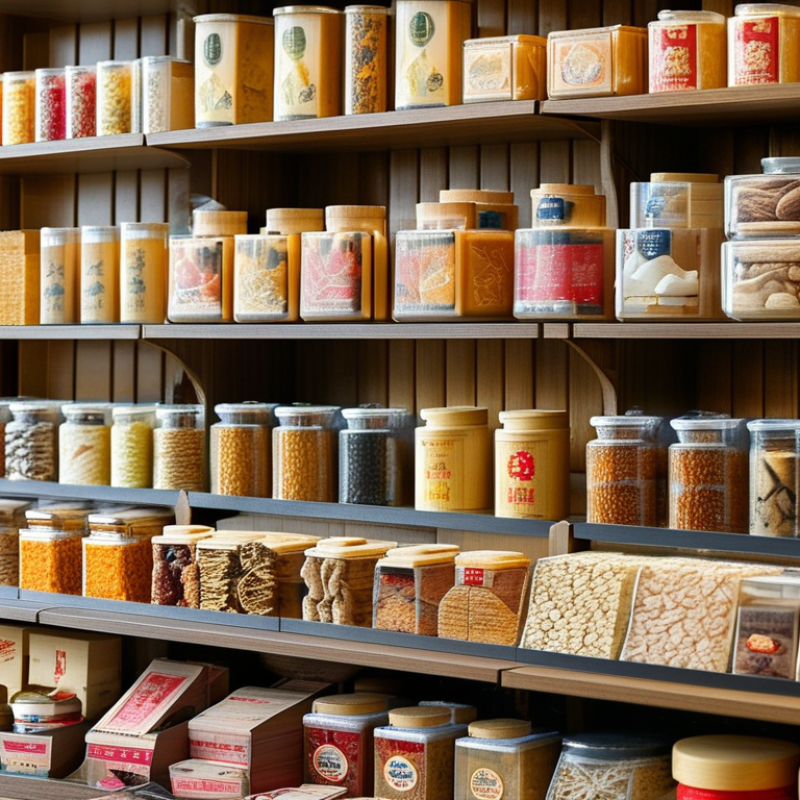
Sourcing dry food packages in China requires a strategic approach. Many global buyers seek reliable suppliers. Industry reports show that China accounts for over over 30% of the world’s dry food packaging market. This presents a significant opportunity for international businesses.
Quality control is paramount. Buyers must ensure manufacturers comply with international standards. A study by the China National Packaging Association indicates that nearly 25% of packaging defects arise from inadequate quality checks. Frequent factory audits can minimize these risks. Integrating technology, like real-time tracking systems, can further enhance transparency.
Developing relationships with suppliers is key. Knowing cultural nuances can prevent misunderstandings. Yet, language barriers can still pose challenges. Experts stress the importance of clear communication to avoid costly mistakes. Overall, while the Chinese market offers immense potential, navigating its complexities requires careful planning and diligence.
Navigating the landscape of dry food packaging in China requires understanding key regulations. Importers must recognize that compliance is essential for success. China has stringent laws on food safety, labeling, and packaging materials. This ensures consumer protection and minimizes health risks. Packaging must be made from approved materials, which are tested for safety.
Another critical aspect is labeling. All packaging must include accurate product information in Mandarin. This means clear descriptions of ingredients, nutritional values, and expiry dates. Misleading or incomplete information can lead to penalties. Importers should also be aware of the import licenses needed for various food types. Each category may have different requirements.
Importers must stay updated on regulatory changes. Chinese authorities often revise regulations to adapt to market trends and safety concerns. Regular consultation with logistics experts can enhance compliance. Also, it’s valuable to network with local businesses. They can provide insights into common challenges faced in packaging. Adapting to these local nuances can make a significant difference.
In recent years, consumer preferences for dry food packaging in China have evolved significantly. An increasing number of buyers prioritize sustainability and convenience. Eco-friendly materials are now favored by many. Packaging that reduces environmental impact aligns with the values of modern consumers. For instance, biodegradable options are gaining traction. Many people are willing to pay more for products that support sustainability.
Moreover, convenience plays a crucial role. Packaging designed for easy storage and portion control is in high demand. Many customers appreciate resealable bags and single-serve options. These features enhance user experience and reduce waste. However, some consumers express concerns about over-packaging. They feel that excessive plastic use undermines sustainability efforts.
Lastly, aesthetic appeal cannot be overlooked. Attractive designs draw attention on store shelves. Many consumers choose products based on packaging appearance. Some trends include minimalist designs with bold colors. Yet, balancing beauty and functionality remains a challenge. Striking the right mix is essential for brands aiming to capture this dynamic market.
In recent years, dry food packaging has become essential for global buyers in China. The market is diverse, with numerous suppliers offering various solutions. This complexity can overwhelm buyers seeking quality and reliability. Understanding the strengths and weaknesses of different packaging options is crucial for making informed decisions.
Many top suppliers provide innovative materials for dry food packaging. For instance, companies are increasingly using biodegradable films and moisture-resistant barriers. These technologies help preserve freshness. However, questions about their long-term sustainability remain. While some materials may perform well, their environmental impact often warrants further investigation.
Prices and quality vary significantly across suppliers. Buyers often struggle to identify the best options available. It is essential to request samples and conduct rigorous evaluations. Engaging with multiple suppliers can also yield more insights. Buyers need to communicate their specific needs clearly. This can facilitate better responses and tailored solutions from packaging providers. Adapting to this dynamic landscape requires continuous learning and market observation.
Sustainability is a pressing concern in the dry food packaging industry, especially in China. Recent reports indicate that over 60% of consumers prefer eco-friendly packaging. This trend pushes manufacturers to innovate. Many are now using biodegradable materials and reducing plastic usage. A study shows that sustainable packaging can reduce carbon footprints by up to 30%. Innovative solutions are necessary for compliance with China's evolving environmental regulations.
Tips for Buyers: Look for certifications and standards that ensure sustainability. Trustworthy packaging often carries eco-labels that guide your choices.
Despite these advancements, challenges remain. Some manufacturers still prioritize cost over sustainability. Cheap packaging may lead to environmental harm in the long run. As consumers, we must advocate for better practices.
Tips for Evaluating Products: Review the lifecycle impact of packaging. Ask suppliers about their sourcing and production processes. Understanding these factors will guide more responsible purchasing decisions.
| Package Type | Material Used | Sustainability Rating | Innovative Features | Regulatory Compliance |
|---|---|---|---|---|
| Pouch | Biodegradable plastics | A+ | Zipper seal, moisture barrier | ISO 14001 certified |
| Box | Recycled cardboard | A | Stackable design, easy to open | Compliant with GB standards |
| Film | PLA film | A++ | Fully compostable, lightweight | FDA approved |
| Jar | Glass | A- | Reusable, recyclable | Reach compliant |
| Bag | Kraft paper | B+ | Sustainable sourcing | FSC certified |
: Dry food packaging preserves freshness and ensures product safety during storage and transport.
Suppliers commonly use biodegradable films and moisture-resistant barriers to enhance product quality.
Request samples and conduct evaluations. Engaging multiple suppliers provides deeper insights into options.
Over 60% of consumers now prefer eco-friendly packaging, prompting innovations in the industry.
Certifications and eco-labels indicate compliance with environmental standards and guide better choices.
Yes, some manufacturers prioritize cost over sustainability, which can lead to environmental harm.
By choosing sustainable options and demanding accountability from manufacturers regarding their practices.
Sustainable packaging can reduce carbon footprints by up to 30%, benefiting the planet.
Inquire about sourcing and production processes to evaluate the lifecycle impact of packaging.
The dynamic landscape requires adaptation and awareness of emerging trends and solutions in the market.
This article provides a comprehensive overview of best practices for sourcing dry food packages in China, addressing critical aspects that global buyers need to consider. It outlines key Chinese regulations that affect dry food packaging for importers, ensuring compliance and understanding of local laws. Furthermore, the article delves into consumer preferences and emerging trends in the dry food packaging market, highlighting the importance of catering to local tastes and demands.
In addition, the analysis includes a market overview of top suppliers offering innovative dry food packaging solutions in China. Sustainability emerges as a crucial theme, with a focus on innovations and compliance that meet both environmental standards and consumer expectations. Overall, this resource serves as a valuable guide for global buyers looking to navigate the complexities of the dry food package market in China.

DongFa Printing