10 Best Plastic Wrapping Sheets for Food Packaging?

Time:2026-11-05 Author:Aria
0%

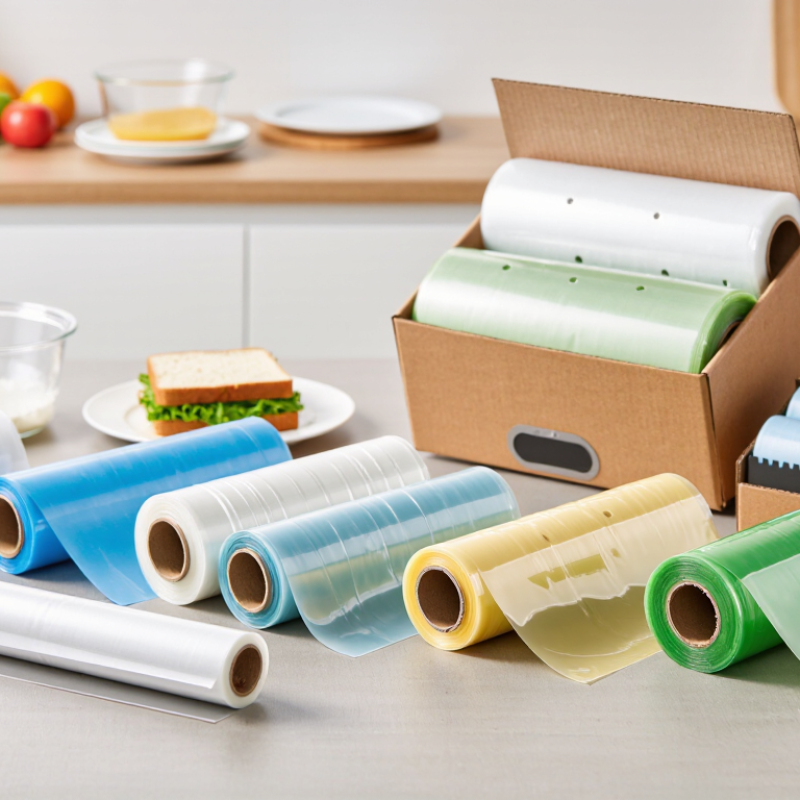
Choosing a plastic wrap for food is not just about cling. The right Plastic Wrapping Sheet For Food can help protect freshness, contain spills, and make leftovers easier to store. Yet thickness, stretch, sealing behavior, and dispenser design vary widely. Small details matter. Some sheets grip bowls well but tear when pulled quickly; others cut cleanly but loosen around cold containers. No sheet is perfect. A wrap that suits a sandwich may feel awkward on a wide mixing bowl, so everyday use deserves attention alongside product claims.

This guide introduces ten options and the features worth comparing, including handling, coverage, roll length, and intended storage uses. It also considers practical limitations, because a low price or strong cling alone does not tell the whole story. Read the packaging carefully: food-contact directions and suitability for refrigeration, freezing, or microwave use can differ by product. Do not assume every wrap is designed for every temperature or food. The comparisons can help narrow your choices, but your own containers and routines matter too. I would still test a new roll on a small, ordinary task before relying on it for meal prep. That is a little less convenient, but it can reveal a frustrating tear or weak seal early.
10 Best Plastic Wrapping Sheets for Food Packaging?

What Plastic Wrapping Sheets Are and How They Protect Food

Plastic wrapping sheets are thin, flexible films used to cover or separate food. Common materials include polyethylene and polyvinyl chloride, but their properties differ. Some cling closely to bowls; others work better as loose covers or liners. The right choice depends on the food and how it will be stored.

A sheet can reduce exposure to dust, handling, and air movement. When fitted snugly over a container, it may also slow moisture loss and help keep refrigerator odors from reaching food. That does not make food sterile. It cannot replace clean hands, safe refrigeration, or a suitable container. Not a cure-all.

For example, a cut cucumber covered well may stay crisp longer, while a loose corner can let it dry out. Films also vary in their resistance to oxygen, grease, and heat. Check the product’s food-contact and temperature instructions, especially before wrapping warm or fatty foods. If the sheet clouds, slips, or tears, it may not be protecting the food as intended. A better seal helps. But even careful wrapping has limits; storage time and temperature still matter.

Key Features to Compare in Food-Grade Wrapping Sheets

10 Best Plastic Wrapping Sheets for Food Packaging?

When comparing food-grade wrapping sheets, start with the food they must protect. A thin sheet may suit sandwiches, while heavier cuts of meat can need stronger puncture resistance. Check thickness, flexibility, and whether the sheet clings reliably to bowls or trays. A wrap that loosens overnight is frustrating, even if it looks clear and tidy.

Small details matter. Look for clear information about intended food contact and temperature limits. Chilling, freezing, and heating are not interchangeable uses, so follow the supplier’s instructions. If the sheet touches fatty or acidic foods, verify that its stated use covers them. Local food-contact requirements may differ, so documentation matters more than a vague “food safe” claim. Not just appearance.

Clarity helps staff identify contents, but it should not outweigh performance. Compare how easily sheets separate, how well they seal, and whether they tear cleanly during busy prep. Roll size and sheet dimensions also affect waste; a very large sheet can leave awkward scraps around a small plate. There is no perfect option for every kitchen. I would test a few sheets with actual containers and foods before ordering in bulk. That small trial can reveal weak cling or inconvenient sizing that a product description misses.

10 Best Plastic Wrapping Sheets for Food Packaging? — Key Features to Compare in Food-Grade Wrapping Sheets

Compare common food-contact wrapping materials by barrier performance, heat suitability, and typical use. “Best” depends on the food, storage conditions, and the packaging specification.

Wrapping Sheet Material Typical Barrier Properties Heat and Storage Suitability Common Food Uses Key Consideration
1. PE Cling Film Polyethylene (PE), commonly low-density PE or a PE blend Good moisture barrier; limited oxygen and odor barrier Often used for refrigerated storage. Microwave suitability depends on the product label and instructions. Covering bowls, produce, sandwiches, and chilled prepared foods Usually stretches and clings well. Check that the film is intended for food contact and follow its stated temperature limits.
2. PVC Cling Film Plasticized polyvinyl chloride (PVC) Good cling and moisture retention; gas transmission varies by formulation Commonly used for chilled display and short-term food wrapping. Do not assume it is suitable for heating. Fresh produce, meat, and deli-counter display, where permitted by local rules and product instructions Formulations and permitted uses vary. Use only food-contact grades specified for the intended food and conditions.
3. Parchment Paper Grease-resistant, treated paper Good grease resistance; not a strong moisture or gas barrier Many products are designed for oven use within a stated temperature range; not all are suitable for direct flame. Baking, lining trays, wrapping baked goods, and separating food portions Follow the package temperature limit and keep paper away from heating elements or open flames.
4. Waxed Paper Paper coated with food-grade wax Resists moisture and grease; provides a modest barrier to air Generally suited to cold or room-temperature handling, not oven use. Wrapping sandwiches, cheese, and snacks; separating baked goods Wax coatings may soften or melt with heat, so it should not be substituted for oven-safe parchment.
5. Aluminum Foil Thin aluminum sheet Excellent barrier to light, moisture, oxygen, and odors when intact Suitable for many oven and freezer applications; not for microwave use unless specifically designed and permitted. Roasting, covering dishes, wrapping leftovers, and freezer packaging Foil can tear or crease. Avoid prolonged contact with highly acidic or salty foods unless the product guidance allows it.
6. Butcher Paper Uncoated or treated paper made for food wrapping Breathable; barrier level depends on paper grade and any treatment Some grades are used for cold storage or barbecue wrapping; heat suitability varies by product. Meat, fish, sandwiches, and food-service counter wrapping Choose a food-grade paper suited to the food and intended use; ordinary craft paper is not an equivalent substitute.
7. Freezer Paper Paper with a moisture-resistant plastic coating, usually on one side Good moisture barrier on the coated side; helps reduce freezer dehydration when wrapped properly Designed for freezer storage; not generally intended for oven or microwave heating. Portioning and wrapping meat, fish, and other foods for freezing Place the coated side toward the food when instructed, and seal the package well to limit air exposure.
8. Deli Paper Lightweight paper, sometimes waxed or otherwise coated Basic grease and moisture resistance; limited long-term barrier performance Best for short-term serving, handling, or refrigerated storage as specified by the product. Wrapping sandwiches, burgers, baked goods, and deli portions Coatings differ across products; check food-contact and heat-use instructions before selecting.
9. Cellophane Sheets Regenerated cellulose film; may have coatings that alter its barrier properties Uncoated cellophane can provide a useful gas barrier when dry, but moisture resistance is limited; coatings vary. Commonly used for dry or room-temperature packaging. Heat-sealing and heating suitability depend on the grade. Confectionery, baked goods, and gift-style food wrapping Cellophane is not the same material as ordinary plastic film. Confirm food-contact status, coating, and disposal guidance.
10. Compostable Cellulose Film Cellulose-based film, sometimes coated or laminated Barrier performance varies; coatings may improve resistance to moisture or gases. Use only within the storage and temperature conditions specified for the product. Dry snacks, produce, and selected food-service applications “Compostable” does not automatically mean home-compostable or suitable for every food. Verify certification and local composting options.

Selection note: Food-contact approval, temperature limits, and permitted uses depend on the specific product and local regulations. Check the packaging specification before use, especially for heating, acidic or fatty foods, and long-term storage.

10 Plastic Wrapping Sheet Types for Different Packaging Needs

Plastic wrapping sheets serve different packaging needs. Clear overwrap helps shoppers inspect food, while barrier films protect products during storage. The OECD’s Global Plastics Outlook (2022) reports that packaging generated 40% of plastic waste in 2019. That figure makes material choice and avoiding excess layers worth considering. More plastic is not automatically better protection.

Ten useful types cover common tasks.

PVC cling film hugs bowls and cut produce; PE cling film offers another flexible overwrap.
LDPE sheets bend around baked goods, while stiffer HDPE sheets work as liners or separators.
PP sheets suit warmer filling only when made for that use.
PET lidding forms a clear top seal on trays.
Perforated film vents moisture around leafy greens.
Shrink film tightens around multipacks; stretch film secures outer loads.
Multilayer barrier film slows oxygen and moisture transfer.

Details matter.

Match the sheet to the food, sealing method, storage temperature, and desired shelf life. A practical check: test a small pack for leaks, fogging, and seal strength. I would not choose by clarity alone; that is an easy mistake. A film can look excellent and still trap condensation. Confirm that the material is specified for the intended food-contact use, and check supplier data for barrier performance.

How to Match a Wrapping Sheet to Each Food Category

10 Best Plastic Wrapping Sheets for Food Packaging?
How to Match a Wrapping Sheet to Each Food Category

Match a wrapping sheet to the food, not just the container. Fresh produce often benefits from a breathable wrap or a lightly covered tray, since trapped moisture can soften leaves and encourage spoilage. Leafy greens need a dry layer beneath the wrap; washed greens should be dried well first. For cut fruit or sandwiches, a closer seal helps limit drying and keeps fillings from contacting other foods. Air matters, too. Soft cheese may need a food-contact sheet that limits drying without crushing its surface.

Raw meat and fish need leak-resistant wrapping and a separate place in the refrigerator. Choose sheets labeled for food contact, and avoid reusing sheets that touched raw juices. For freezer storage, use a wrap suited to low temperatures and press out excess air to help reduce freezer burn. Bakery items usually need a looser wrap; a tight seal can turn a crisp crust soft. For hot leftovers, let food cool as appropriate and check the sheet’s temperature guidance before covering it. No sheet suits everything. Moisture, texture, and storage time can change the best choice, so a small test with one portion may prevent a whole batch from turning soggy.

Safe Handling, Storage, and Disposal of Plastic Wrapping Sheets

Safe Handling, Storage, and Disposal of Plastic Wrapping Sheets

Choose wrapping sheets labeled for food contact, and follow their temperature limits. Wash and dry your hands before handling them. Use a clean sheet over a clean surface, and avoid letting the wrap touch raw meat juices. Keep it away from ovens, stovetops, and hot pans unless the packaging specifically says it is heat-safe. A sheet can look unchanged after contact with food, but that does not make it clean enough to reuse.

Store unused sheets in their original box or a closed drawer, away from sunlight, heat, and household chemicals. Press the wrap gently onto a bowl’s rim, rather than stretching it over sharp edges that may tear. I’ve found that rushing this step often leaves tiny gaps. Check the seal before placing food in the refrigerator, and use a container when a tight cover matters.

Tips: Tear off only what you need. Keep used wrap away from children and pets. Don’t reuse sheets that are greasy, torn, or have touched raw food. For disposal, scrape off food and place the wrap in household waste unless your local recycling service clearly accepts it. Many programs do not take thin, stretchy film, and loose wrap can tangle sorting equipment. A quick check of local guidance is worthwhile.

FAQS

How do I choose a wrapping sheet for different foods?

Match the sheet to the food’s weight, shape, and storage needs. Thin film may suit sandwiches, while meat may need better puncture resistance. Test it with your actual containers.

What information should I check before using a sheet with food?

Check the supplier’s food-contact documentation and temperature limits. Confirm that the stated use covers fatty or acidic foods. “Food safe” alone is not enough.

Which wrapping sheet types suit common kitchen tasks?

PVC or PE cling film can wrap bowls and cut produce. LDPE sheets bend around baked goods, while HDPE sheets can work as liners or separators. Details matter.

Can every plastic wrapping sheet be used for heating or freezing?

No. Chilling, freezing, and heating are different uses. Follow the supplier’s instructions for the specific sheet.

How can I tell whether a film seals well?

Try a small pack and check for leaks, fogging, and weak edges. A clear film can still trap condensation. Not always obvious.

Does a clearer sheet provide better protection?

Not necessarily. Clarity helps staff or shoppers see the food, but it does not prove strong sealing or barrier performance. Check the product data.

How do sheet size and flexibility affect food prep?

A very large sheet can leave scraps around a small plate. Compare dimensions and test how easily sheets separate and tear during busy prep.

What should I consider when choosing film for trays or produce?

PET lidding can form a clear tray top, while perforated film lets moisture escape around leafy greens. Multilayer barrier film can slow oxygen and moisture transfer. I would still test the seal; specifications do not show every kitchen problem.

Conclusion

This guide explains what a Plastic Wrapping Sheet For Food is and how it helps protect food from moisture loss, air exposure, spills, and everyday handling. It outlines the features worth comparing, including food-contact suitability, thickness, flexibility, cling, transparency, and resistance to tearing. It also introduces ten types of wrapping sheets, from thin cling films to stronger and more specialized options, so readers can understand how their properties suit different packaging needs.

The guide then matches wrapping materials to food categories such as fresh produce, baked goods, meats, and prepared meals, while emphasizing that the sheet should be appropriate for the intended food and storage conditions. Practical advice covers clean handling, keeping unused sheets dry and protected, avoiding unsuitable heat or direct contact where the product instructions advise against it, and disposing of used wrapping responsibly according to local waste-sorting guidance.


Aria

Aria

Aria is a dedicated marketing professional with a deep passion for innovative strategies and a keen understanding of our company's product offerings. With a wealth of experience in the industry, Aria excels at crafting engaging content that highlights the unique features and benefits of our......