Dried fish packaging is crucial for global buyers. Proper packaging not only ensures freshness but also maintains quality during transportation. It protects the product from environmental factors like moisture and air. Poor packaging can lead to spoilage and customer dissatisfaction.
Innovative materials enhance dried fish packaging. Biodegradable options are gaining popularity. These materials cater to eco-conscious consumers. However, not all suppliers prioritize sustainability. Nonetheless, it remains an important consideration for buyers.
Understanding regional preferences is essential in dried fish packaging. Different markets have unique demands. There is still a gap in knowledge for some exporters. Addressing this gap can improve buyer-seller relationships and boost sales. By staying informed, businesses can navigate the complexities of global markets more effectively.
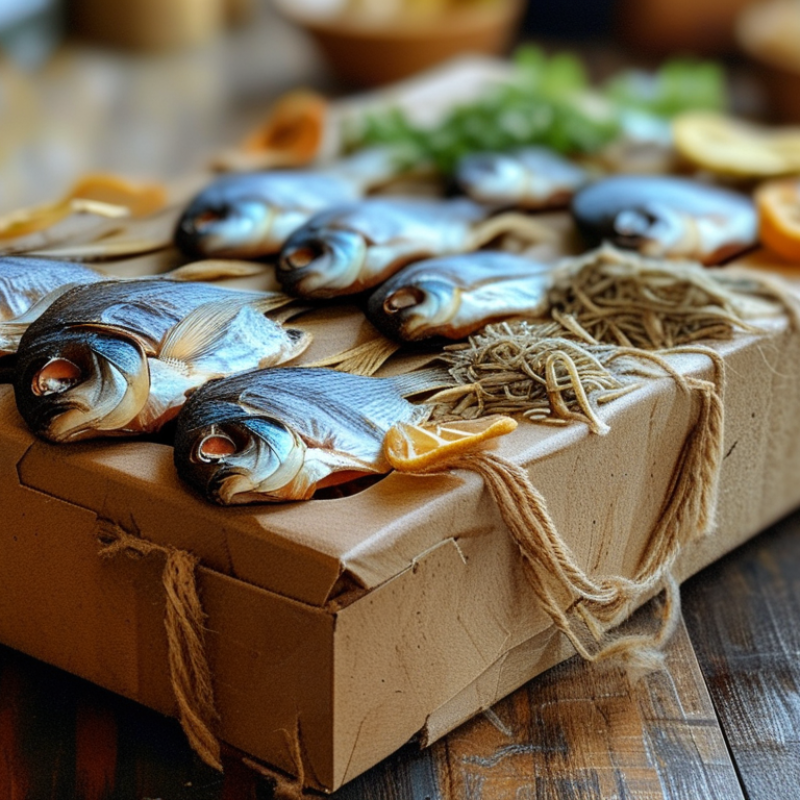
Dried fish is a popular product in global markets. Proper packaging plays a crucial role in ensuring quality and safety during export. Several essential factors contribute to effective dried fish packaging.
Choosing the right material is vital. Materials should prevent moisture and air from affecting the fish. Vacuum-sealed bags are popular. They help extend the product's shelf life. It’s worth noting that some materials may not meet international standards. Always verify compliance before exporting.
Labeling is another important aspect. Include critical information such as origin, processing date, and expiry. Clear labeling enhances transparency for buyers. Use legible fonts and easy-to-read layouts. This approach builds trust and reduces confusion.
Lastly, consider the environmental impact. Eco-friendly packaging options are increasingly favored. Green choices appeal to conscious consumers. They reflect a commitment to sustainability. However, it’s essential to balance cost and quality.
Packaging dried fish requires attention to detail. Focusing on these factors can enhance your export strategy and meet global buyer expectations.
Choosing the right materials for dried fish packaging is crucial for maintaining quality. Effective packaging prevents moisture, light, and oxygen exposure. These elements can degrade the fish's texture and flavor. High-barrier materials like vacuum-sealed bags can significantly extend shelf life.
Consider biodegradable options to appeal to environmentally conscious consumers. Materials such as kraft paper and compostable films are becoming popular. However, they may lack the durability of plastic. Balance is key. Test different materials to examine their protective qualities and sustainability.
Reflecting on your packaging choices is essential. Not all materials perform the same under various conditions. For example, using cheap plastic can lead to spoilage and waste. Monitor customer feedback on packaging. Their experiences can provide valuable insights for future improvements. Always be open to exploring new solutions in the evolving market.
When venturing into global markets, understanding regulatory considerations in dried fish packaging is crucial. Different countries have varying standards regarding food safety and packaging materials. Compliance with these regulations ensures that products reach consumers without risk. Moreover, packaging must preserve the quality and freshness of the fish while meeting these legal requirements.
It’s important to note that packaging materials should be tested for contaminants. Some materials may not be suitable due to chemical leaching. Sellers might find it challenging to navigate these regulations, especially when exporting to multiple countries with different rules. Additionally, labeling requirements can vary widely, including nutritional information and sale details. These aspects require careful attention to avoid international trade issues.
Many producers may overlook sustainability obligations in packaging. They choose convenience over eco-friendly options, which can damage reputation. Thoughtful choices about materials can lead to a better market reception. Reflecting on these elements can guide improvement and enhance product appeal.
When it comes to dried fish packaging, maintaining freshness is crucial. Proper sealing techniques can help. Use vacuum sealing to minimize air exposure. Nitrogen flushing is another good option. It pushes out oxygen, helping to preserve quality. Use moisture-absorbing packets inside the packaging. This will control humidity levels.
Temperature is another key factor. Ensure the packaging is kept in cool environments. High temperatures can accelerate spoilage. Consider using insulated containers during transport. They provide an extra layer of protection against heat.
Labeling is important too. Include clear information about production and expiration dates. This builds trust with buyers. However, over packaging can be a concern. It may create waste and lead to questions about sustainability. Iterating on packaging methods can help find a solution that balances freshness and environmental impact.
Sustainable packaging is crucial for dried fish products. According to a report by the Food Packaging Association, around 30% of packaging waste comes from the seafood sector. This emphasizes the need for eco-friendly approaches.
Biodegradable materials are emerging as viable options. Researchers found that fish packaging made from plant-based materials can reduce carbon emissions by up to 50%. However, challenges remain. These materials often have shorter shelf lives and may increase costs.
Transparency in sourcing is also essential. Consumers demand clear information about packaging origins. A study from GlobalData highlighted that 65% of consumers are willing to pay more for sustainably packaged products. Addressing this demand requires a balance between sustainability and cost-effectiveness. The industry must innovate, yet streamline processes to ensure reliability in supply chains.
: High-barrier materials like vacuum-sealed bags are preferred. They prevent moisture and air exposure.
Proper packaging significantly extends shelf life by protecting the fish from light, moisture, and oxygen.
Clear labeling provides essential information and builds trust with buyers. It reduces confusion about the product.
Yes, biodegradable materials like kraft paper are gaining popularity. However, they may not be as durable as plastic.
Use vacuum sealing and moisture-absorbing packets. These methods help control humidity and reduce spoilage.
Packaging should be kept in cool environments. High temperatures accelerate spoilage and affect quality.
Yes, over-packaging can lead to waste and sustainability issues. It’s important to balance protection and environmental impact.
Regularly monitor customer feedback to improve choices. Different materials have varying performance under different conditions.
Dried Fish Packaging is a critical process for exporters aiming to meet the demands of global markets. Essential factors include selecting appropriate materials that protect the fish from environmental factors while complying with regulatory considerations specific to different countries. Ensuring freshness and quality during the packaging process is vital, and best practices such as vacuum sealing and moisture control can significantly enhance the product's shelf life.
Moreover, with an increasing focus on sustainability, exploring eco-friendly packaging solutions can not only meet consumer preferences but also contribute to responsible fishing practices. By adhering to these best practices, exporters can enhance the appeal of their dried fish products, ensuring they reach consumers in optimal condition while maintaining regulatory compliance and sustainability goals.

DongFa Printing