How to Choose Plastic Wrapping Roll for Packaging?

Time:2026-09-21 Author:Charlotte
0%

Choosing the right Plastic Wrapping Roll For Packaging is more practical than simply selecting the thickest film. A roll must match the product, equipment, storage conditions, and transport distance. A light carton may need only moderate stretch and puncture resistance. A pallet of sharp-edged metal parts needs much more protection.

Dr. Susan Selke, a respected packaging professor and author, offers a useful principle: “Packaging must protect the product while using resources responsibly.” That idea matters when comparing film thickness, recycled content, stretch performance, and end-of-life options. A cheaper roll may require more layers. That is not always economical. It may also increase material waste.

Look closely at the packaging process. Does the film unwind smoothly? Does it cling without tearing? Can workers apply it safely by hand? For machine wrapping, check the roll width, core size, pre-stretch setting, and recommended tension. A film that works well on one wrapper may perform poorly on another.

Consider the product’s corners and surface. Rough edges can puncture weak film. Dust, moisture, cold storage, and long-distance shipping can also change performance. Test a small batch before ordering in bulk. Watch for loose layers, crushed cartons, and exposed loads.

There is no universal best roll. That is the uncomfortable part. Buyers sometimes focus on price and overlook total packaging performance. Measure film usage, damaged goods, labor time, and disposal needs. Then choose the roll that protects consistently, not merely the one that looks strongest on a specification sheet.
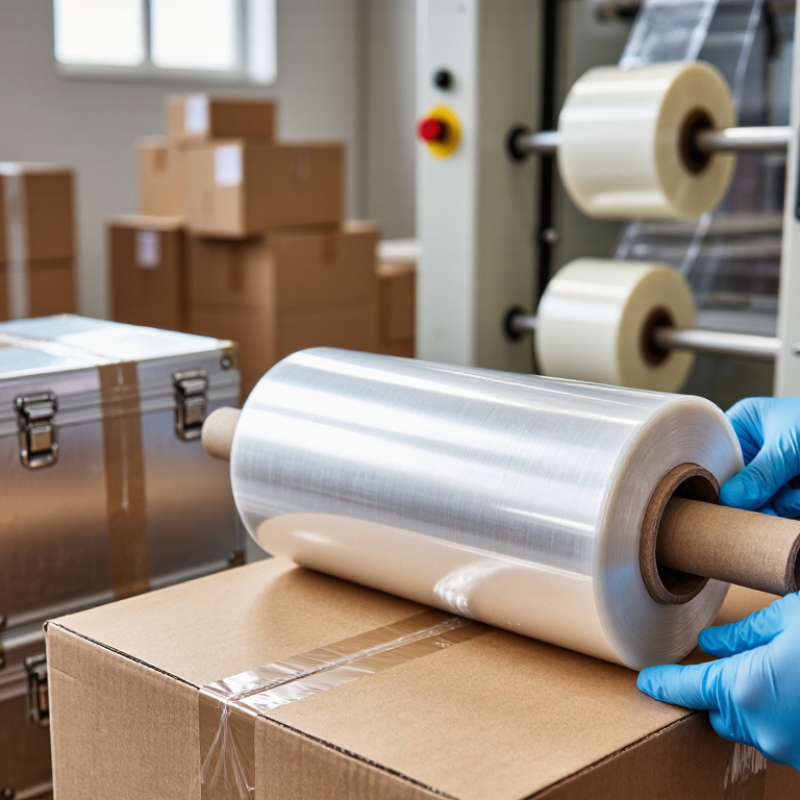
How to Choose Plastic Wrapping Roll for Packaging?

Identify the Packaging Load, Film Type, and Required Protection Level

How to Choose Plastic Wrapping Roll for Packaging?

Choosing a plastic wrapping roll starts with the load, not the roll itself. Record the pallet’s weight, height, width, and stability. Note sharp corners, loose cartons, uneven surfaces, and exposed products. A small sample helps. If boxes shift during a short test wrap, the film may be too weak, too narrow, or poorly applied. That mistake is common.

Match the film type to the wrapping method and load shape. Hand wrapping usually needs an easy-to-control roll with balanced stretch. Machine wrapping may require consistent thickness and predictable tension. Cast film offers quiet unwinding and clear visibility. Blown film often provides stronger puncture resistance for rough or irregular loads. Pre-stretched film can reduce effort, but it may not hold heavy products securely without proper overlap.

Set the protection level according to storage and transport conditions. For dust and light handling, a thinner film may work well. Moisture exposure, long-distance transport, or sharp edges require stronger containment and suitable overlap. A thicker roll is not always safer. I once selected a heavy film for a stable load and increased material use without improving protection. Test the wrapped pallet by checking corner coverage, tension, and movement at the top, middle, and bottom. Recheck the choice after seasonal temperature changes, because cold film can behave differently.

Choose LDPE or LLDPE Film by Flexibility, Strength, and Recyclability

How to Choose Plastic Wrapping Roll for Packaging?

The right plastic wrapping roll depends on flexibility, strength, and recyclability. LDPE film feels softer and stretches easily around uneven products. It works well for light cartons, bundled items, and surfaces needing gentle contact. LLDPE film usually offers higher puncture resistance and stronger stretch recovery. It suits heavier loads, sharp corners, and demanding warehouse handling.

During packing trials, a thinner LLDPE roll often held better than thicker LDPE. Still, film performance changes with thickness, temperature, and machine tension.

Tips: Test both films with your actual products. Wrap one carton by hand. Check for tears, loose edges, and damaged corners. Avoid choosing by thickness alone. A heavier roll is not always the stronger option.

Recyclability also requires practical attention. Many polyethylene films can enter recycling systems, but local facilities may not accept them. Keep film clean, dry, and free from labels or mixed materials. Ask your waste provider about accepted flexible plastics before changing materials.

This step is easy to overlook. For a balanced choice, select LDPE when softness and flexibility matter most. Choose LLDPE when load stability and puncture resistance matter more.

If both options perform adequately, use the lighter film that protects the product reliably. Results may differ, so review real packing tests instead of trusting specifications alone.

Set Film Thickness: Common Stretch Wrap Gauges Range from 12–30 μm

How to Choose Plastic Wrapping Roll for Packaging?

Film thickness strongly affects load stability, puncture resistance, and material use. Common stretch wrap gauges range from 12–30 μm. Thin 12–15 μm film may suit light cartons with smooth edges. However, sharp corners can tear it during transport. A 17–23 μm roll often handles ordinary warehouse loads more reliably. Heavy, uneven, or abrasive products may need 25–30 μm film.

Start with the load, not the roll alone. Check its weight, corner shape, surface, and stacking height. A 20 μm film may secure regular boxes well, while the same film may fail around metal parts or rough timber. Apply several wraps around the lower, middle, and upper sections. Keep the tension consistent. Too little tension allows shifting. Too much tension can crush cartons or stretch the film beyond useful holding power.

I once chose a thinner roll to reduce waste, but the damaged corners increased repacking time. That result was not ideal. A micrometer can help verify actual thickness, although thickness alone cannot predict performance. Test a small batch under normal handling conditions. Watch for loose layers, split edges, and leaning pallets after storage. Temperature also matters. Film can behave differently in a cold loading area. The best choice balances thickness, stretchability, holding force, and application speed rather than chasing the lowest material cost.

Compare Stretch Performance: Commercial Films Often Reach 150–300% Elongation

How to Choose Plastic Wrapping Roll for Packaging?

Stretch performance is a practical starting point when choosing plastic wrapping roll. Commercial films often reach 150–300% elongation before breaking. This means a 1-meter sheet may extend to 1.5–3 meters. However, higher stretch does not automatically mean better protection. The film must recover after stretching and hold the load firmly during storage and transport.

In real packaging work, I check three details: load weight, corner shape, and wrapping method. A pallet with sharp carton edges may need stronger puncture resistance. A hand wrapper may require a softer film with easier extension. Machine wrapping can apply higher, more consistent tension. Measure the film’s actual stretch under working conditions. Laboratory figures can look impressive, but warehouse results may differ. I have seen thin film perform well on smooth boxes and fail around rough corners.

Tips: Pull a short section by hand before buying. Mark it at one meter and test its length under steady force. Compare the stretch, recovery, and tearing behavior. Do not judge quality by thickness alone. Store rolls away from heat and direct sunlight. Check the wrapped pallet after several hours; loose layers reveal poor recovery. A small trial is wiser than a full purchase.

How to Choose Plastic Wrapping Roll for Packaging?

Compare stretch performance: commercial films often reach 150–300% elongation

Elongation shows how far a film can stretch compared with its original length. Pre-stretched films usually provide lower additional stretch, while hand-applied and machine-applied commercial stretch films commonly offer higher elongation. Actual performance varies with resin type, film thickness, formulation, temperature, and application method.

Verify Roll Size, Core Dimensions, Load Capacity, and ASTM D882 Compliance

Choosing a plastic wrapping roll starts with measurements, not appearance. Measure film width, length, and wound diameter against your dispenser and packing line. A roll that looks compact may still exceed the machine’s shaft clearance. Check the core’s inside diameter, outside diameter, and core material. Small differences matter. A loose fit can cause wobbling, uneven tension, and damaged edges. Record the actual roll weight, not only the nominal figure. I have seen teams overlook core size during urgent purchasing. That shortcut created downtime.

Load capacity requires more than reading a thickness number. Consider pallet weight, corner sharpness, stacking height, and transport movement. Test a sample around the real load before ordering in volume. Measure elongation, tensile strength, and tear behavior after wrapping. For technical verification, request ASTM D882 test data for the film. This method evaluates tensile properties of thin plastic sheeting under controlled conditions. Check specimen direction, thickness, conditioning, and reported values. Results from one direction may not represent machine-direction performance. Be careful here. ASTM D882 data supports comparison, but it does not replace a packaging trial. Keep batch records and photographs of failed wraps. They reveal patterns that a specification sheet can hide. A perfect-looking roll can still perform poorly on a cold, dusty line.

FAQS

What should I check before choosing a plastic wrapping roll?

Measure the pallet’s weight, height, width, and stability. Note sharp corners, loose cartons, and uneven surfaces. Small details matter. Perform a short test wrap before ordering large quantities.

Which film type suits hand wrapping?

Hand wrapping needs a controllable roll with balanced stretch. The film should unwind smoothly and maintain steady tension. If the operator struggles, the roll may be too wide or difficult to stretch.

When is machine wrapping more suitable?

Machine wrapping benefits from consistent thickness and predictable tension. Check the roll width, diameter, and core size carefully. A small mismatch can cause wobbling, edge damage, or production downtime.

How do LDPE and LLDPE films differ?

LDPE feels softer and stretches easily around uneven products. LLDPE usually provides better puncture resistance and stretch recovery. Choose softness for light cartons. Choose stronger containment for heavy or sharp-edged loads.

Is thicker film always safer?

No. A thicker roll can increase material use without improving protection. Test corner coverage, tension, and movement at three pallet levels. The lighter film may perform better in real conditions.

How should I choose protection for transport and storage?

Dust and light handling may need thinner film. Moisture, long-distance transport, and sharp edges require stronger containment. Use suitable overlap around exposed corners. Cold temperatures can change film behavior.

What roll dimensions must match the dispenser?

Check film width, length, wound diameter, and core dimensions. Measure the actual roll weight, not only the listed weight. A loose core can create uneven tension and damaged film edges.

How can I test a film before buying in volume?

Wrap one real carton or pallet using the proposed film. Check tears, loose edges, damaged corners, and product movement. Record failed wraps with photographs. Specifications alone can hide practical problems.

What does ASTM D882 testing help verify?

ASTM D882 data helps compare tensile properties of thin plastic sheeting. Review elongation, tensile strength, thickness, direction, and conditioning. It supports comparison, but it cannot replace a packaging trial.

How can I improve film recyclability?

Keep used polyethylene film clean, dry, and separated from labels or mixed materials. Ask the local waste provider about accepted flexible plastics. Recycling access varies. That part is easy to overlook.

Conclusion

Choosing the right Plastic Wrapping Roll For Packaging starts with understanding the load, handling conditions, and level of protection required. Consider whether the wrapped products need resistance to punctures, moisture, dust, or shifting during storage and transport. LDPE film is known for flexibility and reliable coverage, while LLDPE often provides greater tensile strength, stretchability, and material efficiency. Recyclability should also be reviewed according to available local systems and packaging goals.

Film thickness is another important factor. Common stretch wrap gauges range from 12 to 30 μm, with thicker options offering added durability for heavier or irregular loads. Commercial films may reach approximately 150–300% elongation, helping reduce material use while maintaining load stability. Before purchasing, confirm the roll width, length, core dimensions, and expected load capacity. It is also useful to check technical data, including tensile performance measured under ASTM D882, to ensure the film matches the packaging equipment and application requirements.


Charlotte

Charlotte

Charlotte is a seasoned marketing professional with a deep understanding of the company's portfolio and a passion for elevating its presence in the market. With a keen eye for detail and a commitment to excellence, she ensures that our professional blog is regularly updated with insightful articles......