Choosing the right Aluminium Sachet can be challenging. With various types available, understanding your specific needs is crucial. Proper selection ensures product freshness and extends shelf life.
Aluminium Sachets are highly versatile packaging solutions. They effectively protect contents from moisture, light, and oxygen. This protection is vital for sensitive products like food, pharmaceuticals, and chemicals. When selecting a sachet, consider the material thickness, size, and sealing options. Each detail influences product integrity.
Reflect on your unique requirements. Are you prioritizing durability or eco-friendliness? Sometimes, the perfect choice might not exist. It’s essential to balance various factors like cost and functionality. By weighing these aspects carefully, you can make a more informed decision.
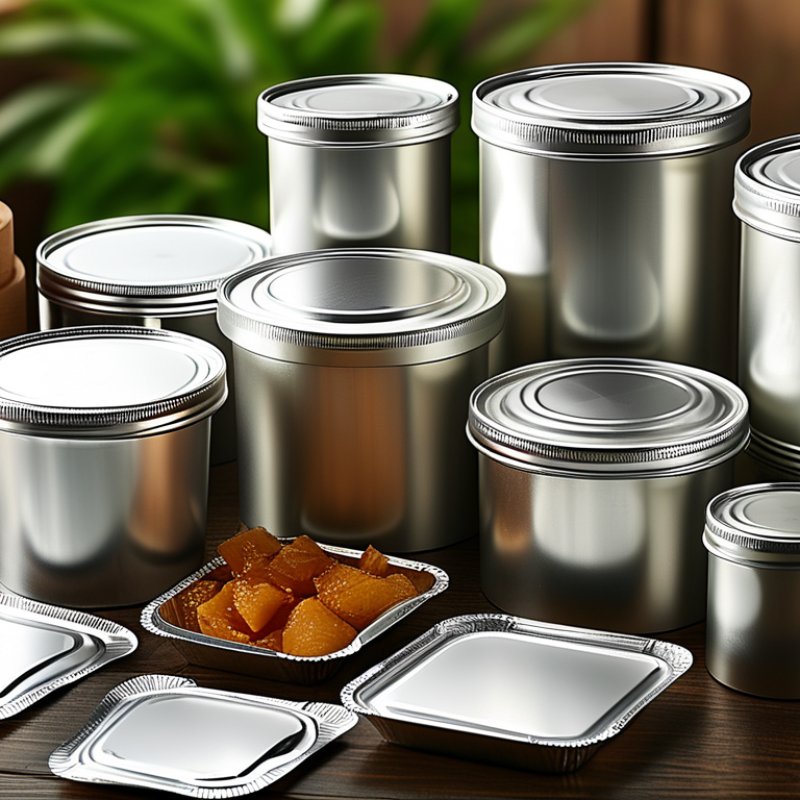
When selecting the right aluminium sachet, understanding the available types is crucial. Aluminium sachets come in various shapes and sizes, each designed to meet specific needs. For instance, stand-up pouches offer convenience for packaging liquids and powders. According to a market study, nearly 30% of consumers prefer this type for its reusability and ease of transport.
Flat sachets are another popular option. These are often used for single servings of products, ensuring optimal freshness. A report from a packaging industry analysis highlights that flat sachets contributed to 25% of the total sachet market in 2022. Their simplicity can be appealing, but they may not provide the best barrier protection compared to others.
Vacuum-sealed sachets are ideal for preserving perishable goods. Their airtight nature prolongs shelf life. Yet, they can sometimes fail in sealing properly, leading to spoilage. This aspect shows the need for careful selection based on the intended application. Overall, a thorough understanding of each type’s benefits and limitations is essential for making an informed decision.
When selecting aluminium sachets for your product, consider several key factors. First, the size matters. Aluminium sachets come in various dimensions tailored to different volumes. Reports indicate that 40% of consumers prefer smaller, more manageable sizes. This fits well for single-serve applications or promotional samples.
Next, think about the barrier properties of the sachets. Aluminium offers excellent protection against moisture, light, and oxygen. Studies reveal that products packaged in high-barrier materials retain freshness up to three times longer than those in standard packaging.
The sealing method is also crucial. Proper sealing ensures product integrity. Sachets that are not well-sealed can lead to waste and customer dissatisfaction. Additionally, sustainability plays an increasing role. According to industry data, 30% of consumers now prefer eco-friendly packaging options. Consider how your choice of aluminium sachets aligns with this growing trend while reflecting on whether your supply chain supports such initiatives.
When selecting aluminium sachets, the barrier properties are essential. Optimal barrier performance protects products from moisture, oxygen, and light exposure. These factors are critical for preserving product quality.
According to a study by the Flexible Packaging Association, aluminium sachets can provide an oxygen barrier of 4.4 cc/m² per day, significantly outperforming alternatives like plastic films. This makes them ideal for sensitive products.
Another significant aspect is moisture control. The permeability of aluminium sachets to water vapor can be as low as 0.001 g/m² per day. This attribute is crucial for items like food or pharmaceuticals that require strict environmental control. Insufficient barrier properties in packaging can lead to product degradation. It is essential to assess these factors based on specific use cases and requirements.
However, not all aluminium sachets are created equal. Variations in thickness, seal integrity, and design can affect performance. Testing under real-world conditions is advisable. This ensures that the sachets will meet your exact needs. Choosing the right aluminium sachet involves understanding these properties and their impact on product life. A careful evaluation of the barrier specifications can ultimately enhance product reliability and consumer satisfaction.
When selecting an aluminium sachet, customization plays a vital role. Tailoring your sachet can enhance its appeal and functionality. Consider size and shape first. Custom shapes can attract more attention on shelves. Standard sizes might not meet specific needs, so be open to variations.
Color and design are equally important. A unique design can communicate your brand's message effectively. High-quality prints can create a professional look. Think about the target audience. What colors or designs resonate with them? Testing different samples might be beneficial to reflect on what works best.
Tips: Always check for material thickness. Thicker sachets may offer better protection for contents. Reflect on the sealing options as well. A good seal can prevent contamination. Keep in mind that not all customization options will lead to enhanced functionality. Regular feedback from users can guide improvements. Trial and error might be part of the process. Ultimately, it is about finding the best fit for your requirements.
| Dimension | Customizable Option | Material Type | Typical Use | Barrier Properties |
|---|---|---|---|---|
| 10cm x 15cm | Yes | Aluminium Foil | Food & Beverage | Oxygen & Moisture Barrier |
| 15cm x 20cm | Yes | Metalized Film | Cosmetics | High Barrier |
| 5cm x 7cm | Limited | Aluminium Foil | Pharmaceuticals | Moisture Barrier |
| 20cm x 30cm | Yes | Multi-layer Film | Industrial Packaging | Strong Barrier |
When evaluating the cost-effectiveness of aluminium sachets, it’s essential to consider several key factors. The global aluminium packaging market is projected to grow by 4.1% annually, reflecting a rising demand for sustainable packaging solutions. Aluminium sachets are a popular choice due to their lightweight and recyclable nature. They protect contents from moisture, light, and air, enhancing product shelf life. A study by Smithers Pira indicates that the barrier properties of aluminium significantly prolong the freshness of food products by up to 50%.
Purchasing aluminium sachets in bulk can also lead to considerable savings. Costs can decrease by 15-20% when ordered directly from manufacturers. However, businesses must assess their specific requirements. Consideration of the sachet size, thickness, and closure method impacts overall efficacy and expense. Common thickness options range from 80 to 120 microns, with thicker films providing better protection but at a higher initial cost. Potential trade-offs exist between upfront costs and long-term benefits.
Moreover, there may be environmental costs associated with aluminium production and recycling. It’s crucial to weigh these aspects against the packaging's efficacy. While aluminium sachets offer durability, they could contribute to waste if not properly recycled. Exploring alternatives or ensuring robust recycling practices can enhance overall sustainability. Balancing these factors will guide businesses in making informed decisions about aluminium sachets that align with their budget and sustainability goals.
: Common types include stand-up pouches, flat sachets, and vacuum-sealed sachets. Each serves different purposes.
They are convenient for liquids and powders. Nearly 30% of consumers like their reusability and portability.
Flat sachets are often used for single servings. They ensure freshness, contributing to 25% of the sachet market.
They preserve perishable goods effectively. However, sealing issues can lead to spoilage, so caution is necessary.
Key factors include size, barrier properties, and sealing methods. These directly affect the product’s freshness and integrity.
Size affects usability. Smaller sachets are preferred by 40% of consumers for single-serve options and samples.
Aluminium protects against moisture, light, and oxygen. High-barrier materials can keep products fresh up to three times longer.
Sustainability is important to consumers. About 30% prefer eco-friendly packaging, so it is worth considering this in your choice.
Custom sizes, shapes, and designs can attract attention and communicate effectively with your audience.
Testing material thickness and sealing options is crucial. Not all designs improve functionality, so feedback is necessary.
When selecting the right aluminium sachet for your needs, it is essential to understand the different types available and their specific applications. Each variant of aluminium sachet provides unique benefits, ranging from moisture and oxygen protection to UV shielding, making it crucial to assess the barrier properties that align with your product requirements.
Additionally, factors such as customization options and cost-effectiveness should be taken into account. Customized aluminium sachets can enhance your branding and product differentiation in the market. Evaluating the overall cost against the benefits provided can help ensure that your choice is both practical and economically viable. By considering these aspects, you can make an informed decision that suits your packaging needs effectively.

DongFa Printing