Packing dry fruits for international shipping requires careful consideration. Proper packing ensures the quality and freshness of the fruits during transit. It's crucial to use the right materials to protect them from moisture, temperature fluctuations, and damage.
One challenge is finding suitable packaging that prevents spills and maintains freshness. Air-tight containers or vacuum-sealed bags work well, but they can be costly. One should also consider the environmental impact of packaging choices. This is often overlooked but is increasingly important for many consumers.
Another aspect is compliance with international shipping regulations. Some countries have strict rules regarding food imports. Failing to adhere to these can lead to delays or confiscation. It’s essential to research and understand these regulations beforehand. Even with good packing, unexpected issues may arise. Always be prepared for the possibility of needing to adapt your approach.
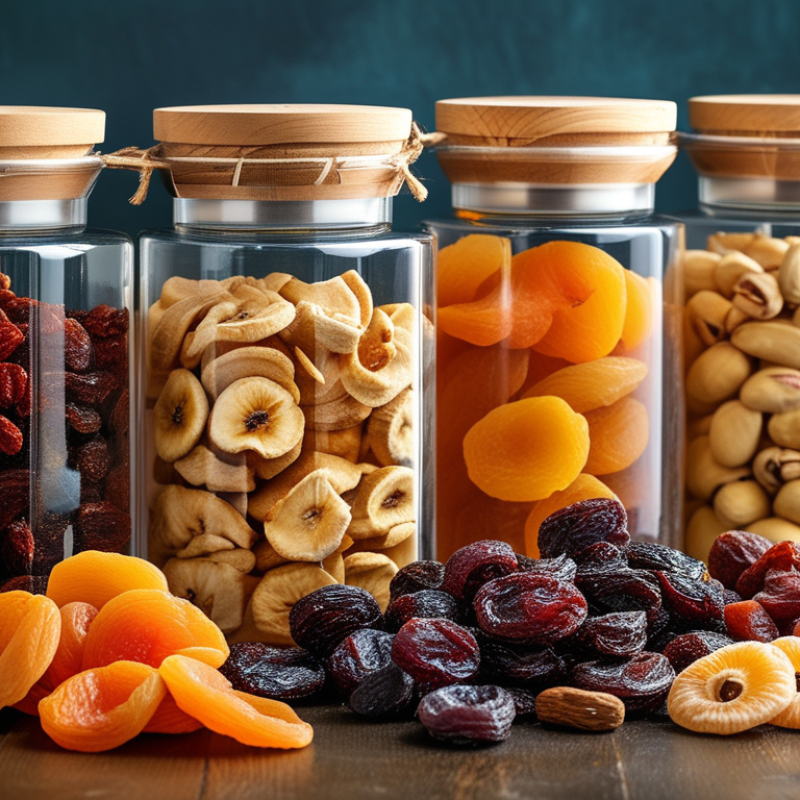
Choosing the right packaging materials for dry fruits is crucial for successful international shipping. The aim is to preserve freshness and prevent damage. Start with moisture-resistant bags or vacuum-sealed pouches. These materials help keep the fruits dry and flavorful. Light-proof packaging is also beneficial. It protects the fruits from UV rays, which can degrade quality over time.
Consider using sturdy outer boxes for added protection. Corrugated boxes offer excellent durability against impacts and rough handling. Adding cushioning materials, like air-filled padding, can absorb shocks during transit. Remember, sealing is important. Moisture can sneak in through weak seals, leading to spoilage. It’s a detail that can be easily overlooked.
Testing your packaging is wise. Sometimes, what seems sturdy in theory fails in practice. Make sure to conduct trials with different shipping methods. Monitor how your fruits fare in various conditions. This approach will enhance reliability. Address any weaknesses you find in your packaging strategy. Customers expect fresh, undamaged products. Providing that is non-negotiable in keeping their trust.
When preparing dry fruits for secure packing, proper selection and handling play vital roles. Begin by choosing high-quality dry fruits. Inspect them for signs of spoilage. Fresh fruits ensure better taste and longevity during shipping. Clean them thoroughly to remove any dirt or residues. This will help maintain their quality.
For effective packing, use airtight containers. Vacuum-sealed bags are ideal for keeping moisture out. These bags prevent spoilage and preserve flavor. If vacuum sealing isn't an option, use thick, resealable plastic bags, ensuring they are tightly closed. Label the containers with the contents and date of packaging. This step helps in tracking and quality assessment upon delivery.
Sometimes, overpacking can lead to unnecessary damage. Use cushioning materials like bubble wrap or packing peanuts around your containers. Ensure there's no room for movement during transit. It's also wise to choose a sturdy shipping box that can withstand the rigors of international shipping. Remember, securing your packed dry fruits is essential for quality and customer satisfaction.
When packing dry fruits for international shipping, attention to detail is crucial. Choose sturdy, moisture-resistant bags to contain the fruits. Vacuum sealing helps prevent air exposure, which can lead to spoilage. Layer the vacuum-sealed bags in a reinforced cardboard box for added protection. This box should be the right size; too much space can lead to movement and potential damage during transit.
Consider temperature sensitivity. Some dry fruits can be affected by extreme heat or cold. Use insulation materials, like bubble wrap or packing peanuts, to maintain a steady temperature inside the box. Label each package clearly, indicating contents and weight. It’s vital to adhere to international shipping regulations, which may differ from one country to another.
Be aware of potential customs inspections. Ensure your packing reflects the quality and origin of your products. Any discrepancies could lead to delays or returns. It’s also worth reflecting on the choice of fruits; not all varieties travel well. Testing different types for durability can save your shipment from disappointment. Finally, double-check that everything is securely sealed before shipping.
When preparing dry fruits for international shipping, labeling and documentation are crucial. Proper labels not only identify the contents but also ensure compliance with regulations. Each package should display the contents clearly. Include bite-sized details like net weight and country of origin. This transparency reduces confusion and helps in customs processing.
Documentation is equally important. Adequate paperwork can prevent delays. Include invoices and packing lists in each shipment. Make sure all documents are accurate and well-organized. Incorrect or missing information can lead to hefty fines or returns. Consider that customs may require specific forms. Staying informed about these requirements can save time and frustration.
Reflecting on past experiences, many shippers overlook the importance of clear labeling. A simple mistake like mislabeling can lead to unwanted complications. It’s wise to double-check all details before shipment. In the fast-paced world of international shipping, attention to detail can make a significant difference.
Properly packing dry fruits for international shipping is crucial for maintaining their quality. Start by selecting high-quality packaging materials that offer protection. Use sturdy boxes or padded envelopes to prevent damage during transit. Vacuum sealing can also help preserve freshness and prevent moisture from spoiling the fruits. Ensure that the packaging is lightweight yet durable to keep shipping costs down.
Temperature control is a key factor in shipping dry fruits. Ideal temperatures prevent melting or spoilage. It’s beneficial to include moisture-absorbing packets in the packaging to keep humidity at bay. Be mindful of customs regulations. Providing accurate descriptions and values can help avoid delays. However, customs can be unpredictable, so always have an alternative shipping plan in mind.
Many shippers overlook the importance of labeling. Clear, concise labels improve tracking and ensure the package reaches its destination without confusion. Incorporating a feedback system can also help gather insights on shipping performance. This step could reveal areas for improvement, such as packaging methods or shipping times. Collecting data on customer experiences can guide future shipments and enhance overall quality.
: Proper packaging preserves freshness and prevents damage during international shipping.
Choose moisture-resistant bags or vacuum-sealed pouches to keep fruits dry and flavorful.
Light-proof packaging is essential to shield fruits from UV exposure.
Use sturdy corrugated boxes with cushioning materials to absorb shocks during transit.
Weak seals can let moisture in, leading to spoilage and reduced quality.
Testing packaging and shipping methods helps identify weaknesses before actual shipping.
Temperature control is vital to prevent spoilage while shipping dry fruits.
Accurate labeling and adherence to regulations can help avoid delays and returns.
Incorporating a feedback system reveals areas for improvement in packaging and shipping.
Use lightweight but durable packaging to keep shipping costs lower while ensuring protection.
When it comes to packing dry fruits for international shipping, selecting the appropriate packaging materials is crucial to ensuring that the products remain fresh and undamaged during transit. Proper preparation of the dry fruits, such as cleaning and drying them thoroughly, is essential before moving on to the packing process. The step-by-step guide provides detailed instructions on how to effectively pack dry fruits, emphasizing the importance of securing them with suitable cushioning materials.
Additionally, proper labeling and documentation are vital for compliance with international shipping regulations, which helps in smooth border crossings. Implementing best practices while packing dry fruits not only preserves their quality but also enhances customer satisfaction upon delivery. By paying attention to these critical aspects, businesses can successfully navigate the complexities involved in packing dry fruits for international markets.

DongFa Printing