Choosing the right Packing Panni Roll can affect product safety, handling speed, and presentation. Packaging teams often compare rolls by material, thickness, sealing method, flexibility, and intended use. A bakery may need a clean, food-contact film, while an industrial warehouse may require stronger protection against dust and moisture. These needs are different.
This guide examines ten common types of Packing Panni Roll used across retail, food, logistics, and light manufacturing. Each type offers practical advantages, but none is perfect for every application. Some rolls provide excellent clarity yet tear under sharp edges. Others resist punctures but feel less flexible during manual packing. Real performance depends on storage conditions, machinery settings, product weight, and operator technique.
The comparison considers transparent film, stretchable rolls, heat-sealable materials, laminated structures, and recyclable options. It also explains where each format performs best and what limitations deserve attention. A roll that works smoothly in a warm warehouse may become difficult to handle in colder conditions. Small details matter, such as roll width, core size, unwind tension, and surface grip.
Reliable selection should follow supplier specifications, product testing, and applicable packaging standards. Visual appearance alone is not enough. A practical trial can reveal sealing weakness, uneven tension, or excessive material waste before large-scale purchasing begins. The following overview aims to support informed decisions with clear, experience-based guidance. Some categories overlap, and that is worth acknowledging. Packaging terminology is not always consistent across markets.
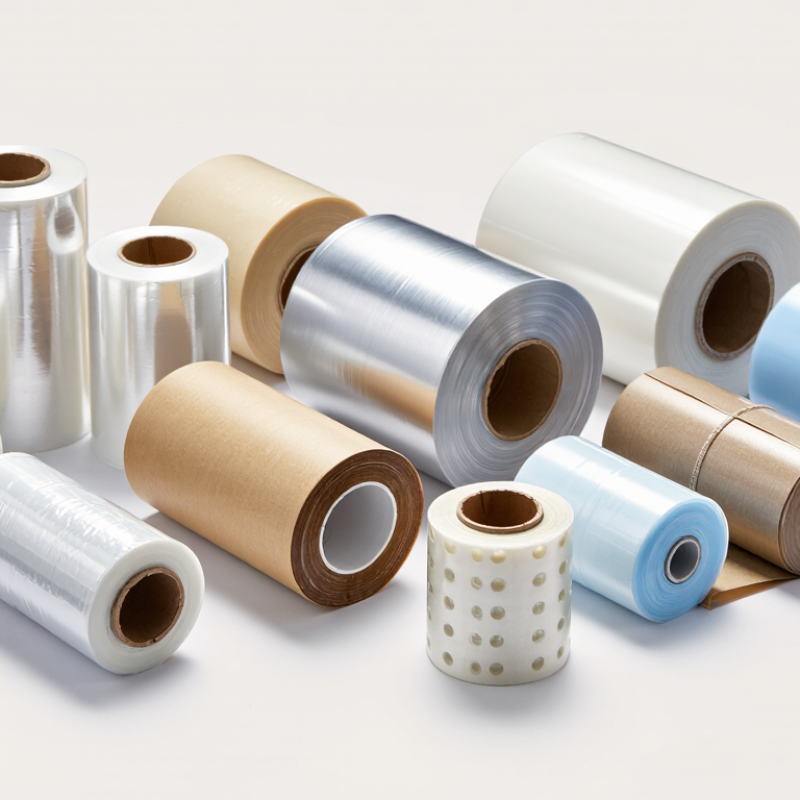
A packing panni roll is a continuous sheet of flexible material wound around a cardboard core. In many markets, “panni” refers to a plastic film or polythene sheet used for wrapping, covering, bundling, or lining packages. The term is not perfectly standardized, so its meaning can vary by region and supplier. Always check the product specification before ordering.
These rolls may include clear film, colored film, stretch film, shrink film, bubble-lined film, kraft-paper laminate, and moisture-resistant sheets. Other variations include heavy-duty film, food-contact film, anti-static film, and recyclable mono-material film. Each type serves a different purpose. Stretch film grips cartons tightly, while shrink film contracts around products after controlled heating. Bubble-lined material cushions fragile surfaces.
A good packing panni roll should match the item’s weight, shape, surface, and storage conditions. Measure thickness in microns, then check roll width, length, tear resistance, and sealing behavior. For food or medical packaging, confirm documented compliance with applicable regulations. Do not rely on appearance alone. A glossy film may still tear easily.
In warehouse use, I have seen operators choose overly thick rolls for light parcels. It adds cost and waste. The opposite mistake causes split corners and exposed goods. Humidity, sharp edges, and long transport distances also matter. Sometimes the cheaper roll performs poorly. That lesson is easy to miss.
Packing panni rolls are best classified by material, barrier performance, sealing method, and end use. This approach is more useful than ranking them by appearance alone.
The ten common types include polyethylene, polypropylene, polyester, polyamide, paper-laminated, aluminium-laminated, biodegradable, stretch, shrink, and vacuum rolls. Polyethylene rolls suit basic moisture protection and flexible sealing. Polypropylene offers clearer presentation and stronger heat resistance. Polyester and polyamide improve stiffness, puncture resistance, and oxygen control. Paper-laminated rolls provide a natural surface, but their layers may complicate recycling. Aluminium-laminated rolls deliver strong light and aroma protection. Biodegradable rolls require careful testing, not just attractive claims.
Stretch and shrink rolls are classified by how they respond to heat or tension. Vacuum rolls are selected for air removal and seal reliability. Material choice depends on product weight, storage humidity, filling speed, and sealing temperature. Small details matter, especially at the seal.
The Flexible Packaging Association reported that the United States flexible packaging industry reached about 39 billion dollars in 2022. Grand View Research also estimated the global flexible packaging market at approximately 201.13 billion dollars in 2023. These figures show strong demand, but they do not prove that every roll is sustainable. I have seen packaging fail because film thickness was chosen by price alone. That mistake deserves more attention. Classification should include verified barrier data, seal strength, recyclability evidence, and real transport trials. Performance claims can look convincing. Testing remains decisive.
Packing panni roll usually means continuous plastic film used for wrapping, sealing, or making bags. The top ten types are stretch film, shrink film, cling film, LDPE film, HDPE film, BOPP film, CPP film, laminated film, recyclable mono-material film, and compostable film.
Stretch film holds cartons tightly during transport. Shrink film contracts around products after controlled heating. Cling film suits short-term food protection, while LDPE film offers flexibility and reliable heat sealing. HDPE film feels stronger and more resistant to punctures. BOPP film provides clear printing surfaces. CPP film performs well in heat-sealing applications. Laminated film combines barrier layers for moisture, oxygen, or light control. Mono-material film simplifies recycling design. Compostable film serves selected applications, but it needs suitable disposal systems.
Grand View Research estimated the global flexible packaging market at about 273 billion US dollars in 2023. Its report also projects continued growth through 2030, supported by food delivery, retail, and pharmaceutical packaging demand. Packaging professionals usually test tensile strength, seal integrity, thickness consistency, and moisture resistance before choosing a roll. A thin film may reduce material use, yet it can tear during loading. That mistake is costly.
The best packing panni roll depends on product weight, storage temperature, machine speed, and required shelf life. Ask for technical data sheets and migration information when packaging food. Supplier claims still need practical testing. Sometimes the “strongest” roll is simply oversized.
What Are the Top 10 Types of Packing Panni Roll?
Packing panni rolls differ mainly by material, thickness, sealing layer, and surface treatment. Polyethylene film rolls are flexible and useful for wrapping cartons or loose items. Polypropylene rolls offer clearer surfaces and stronger resistance to tearing. Polyolefin rolls provide balanced stretch, toughness, and clean presentation. PVC rolls feel soft and cling tightly, but temperature control matters during storage. Paper rolls suit dry products that need a natural touch and moderate protection. Corrugated rolls add fluted cushioning around fragile parts. Bubble film rolls trap air pockets and reduce impact damage. Foam rolls create a smoother barrier for polished surfaces. Strong.
Multilayer barrier rolls combine several films, such as polyethylene, nylon, and an oxygen-resistant layer. Their structure can protect against moisture, odor, and light. Laminated foil rolls add a thin metal layer for stronger light and vapor resistance. Sealant layers are important because they melt at controlled temperatures and close the package edges. Adhesive layers can improve bonding, although poor heat settings may cause wrinkles or weak seals. I have found that a thicker roll is not always safer. It may waste material and overload small packing equipment.
Roll selection should match product weight, handling distance, humidity, and sealing speed. A soft foam roll may protect glass better than rigid plastic. A barrier structure may be unnecessary for short-distance carton wrapping. Operators should test tear strength, seal strength, roll tension, and storage stability before full production. Real results vary. Even a carefully designed structure can fail when dust reaches the sealing area.
Choosing the right packing panni roll starts with the product, not the roll’s appearance. I examine weight, surface sensitivity, moisture exposure, storage time, and transport distance. A light item may need stretch film, while fragile glass often needs bubble or foam rolls. Heavy machinery usually requires stronger, thicker protection.
The ten common types include stretch film, shrink film, bubble wrap, foam roll, kraft paper, corrugated paper, tissue paper, aluminum-laminated film, anti-static film, and waterproof plastic film. Each has a different purpose. Stretch film holds cartons together. Shrink film fits tightly around grouped products. Bubble wrap absorbs impact. Foam prevents scratches. Kraft and corrugated rolls suit surface protection and separation.
Check thickness and roll width carefully. A narrow roll wastes time on large cartons. A very thick roll can increase cost without improving safety. I also test the material on one sample package before ordering more. This matters because packaging data can look reliable but fail under real vibration. Once, I chose a soft roll for a rough delivery route, and its cushioning collapsed near the corners. The mistake was obvious later. Consider sealing method, storage temperature, recycling requirements, and worker handling. Ask for measurable details, such as tensile strength, puncture resistance, and usable length. A clear specification sheet is useful, but practical testing remains more trustworthy. Keep it simple. Test before scaling.
| No. | Type of Packing Panni Roll | Typical Material | Common Thickness | Best-Suited Applications | Main Advantages | Important Limitations | How to Choose It | Recycling Consideration |
|---|---|---|---|---|---|---|---|---|
| 1 | LDPE Film Roll | Low-density polyethylene | 30–200 microns | General wrapping, loose products, liners, moisture protection, and lightweight industrial packaging | Flexible, moisture-resistant, heat-sealable, and easy to use | Lower puncture and load-bearing strength than thicker or higher-density films | Choose LDPE when flexibility, softness, and basic moisture protection are more important than high stiffness | Usually identified as plastic code 4; recycling availability depends on local collection systems |
| 2 | HDPE Film Roll | High-density polyethylene | 20–150 microns | Heavy-duty liners, sacks, commodity packaging, and products requiring a firmer film | Good tensile strength, chemical resistance, and relatively high stiffness | Less stretchable and less transparent than many LDPE films | Choose HDPE when strength, stiffness, and chemical resistance are priorities | Usually identified as plastic code 2; recyclability varies by region and film format |
| 3 | LLDPE Stretch Film Roll | Linear low-density polyethylene | 8–35 microns | Pallet wrapping, load stabilization, warehouse handling, and transport protection | High stretch, strong cling, good tear resistance, and efficient material usage | Not normally suitable for high-temperature sealing or direct protection from sharp edges without reinforcement | Choose it by comparing required stretch, load weight, puncture risk, and whether hand or machine application is used | Generally handled as polyethylene film; collection programs may be limited |
| 4 | CPP Film Roll | Cast polypropylene | 20–80 microns | Food pouches, bakery products, garment packaging, and clear overwraps | Good clarity, moisture resistance, heat-sealing performance, and flexibility | Lower stiffness and puncture resistance than some oriented polypropylene structures | Choose CPP when clear appearance, reliable sealing, and product visibility are required | Usually identified as plastic code 5; recycling depends on local polypropylene infrastructure |
| 5 | BOPP Film Roll | Biaxially oriented polypropylene | 15–50 microns | Printed wrapping, labels, snack packaging, adhesive tape, and retail overwrap | High clarity, good stiffness, attractive print surface, and strong resistance to moisture | Can be less heat-sealable unless a sealant layer is added; may become brittle in some conditions | Choose BOPP for presentation, stiffness, graphics, and moisture resistance; confirm sealability for automatic packing | Usually identified as plastic code 5; multilayer or printed structures may be harder to recycle |
| 6 | PVC Film Roll | Polyvinyl chloride | 20–150 microns | Cling wrap, some retail overwraps, labels, and specialized protective packaging | Good cling, clarity, flexibility, and resistance to oils in selected applications | Less preferred for some food and environmental applications; disposal requirements can be restrictive | Choose PVC only when its cling, clarity, or application-specific performance is necessary and compliant with regulations | Usually identified as plastic code 3; recycling options are comparatively limited |
| 7 | PET Film Roll | Polyethylene terephthalate | 12–100 microns | High-strength laminates, protective layers, electrical insulation, and dimensional-stability applications | Excellent strength, clarity, dimensional stability, and resistance to many chemicals | More rigid and less stretchable; often requires lamination or special sealing layers | Choose PET when strength, stability, transparency, or temperature resistance is needed | Usually identified as plastic code 1; recycling is established for many PET products, but films and laminates may differ |
| 8 | Metallized Film Roll | Plastic film coated with a thin layer of aluminum | 8–40 microns | Light-sensitive foods, aroma-sensitive goods, snack packaging, and barrier laminates | Improved light, oxygen, and moisture barrier compared with ordinary transparent film | Usually not recyclable as a simple single-material film when bonded to other layers | Choose it when shelf life and protection from light or oxygen justify a higher-barrier structure | Recycling depends heavily on whether the film is mono-material or a multilayer laminate |
| 9 | PLA Film Roll | Polylactic acid, a bio-based polyester | 20–80 microns | Selected food-service items, produce packaging, compostable bags, and applications with certified composting access | Can be made from renewable feedstocks and offers good clarity in suitable grades | Lower heat resistance than some conventional films; industrial composting may be required | Choose PLA only when the required performance, certification, and local composting conditions are confirmed | Not automatically home-compostable or recyclable with conventional plastics; follow the applicable certification and disposal guidance |
| 10 | VCI Film Roll | Polyethylene film containing volatile corrosion inhibitor additives | 50–200 microns | Protection of ferrous and non-ferrous metal parts during storage and shipment | Helps reduce corrosion without applying oil directly to many metal surfaces | Must be selected for the correct metal type, storage conditions, and required protection period | Choose it for metal components after checking compatibility, enclosure requirements, humidity, and expected storage duration | Often polyethylene-based, but additive content and local recycling rules should be checked before disposal |
It is continuous material used for wrapping, sealing, cushioning, or making bags. Common choices include plastic film, paper rolls, foam, and bubble wrap.
Common types include stretch film, shrink film, cling film, LDPE, HDPE, BOPP, CPP, laminated film, mono-material film, and compostable film. Other rolls include bubble wrap, foam, kraft paper, and corrugated paper.
Use stretch film to hold cartons tightly during transport. It works well around stacked boxes and pallets. Check the corners carefully.
Shrink film contracts around products after controlled heating. It suits grouped items and compact bundles. Excessive heat may damage sensitive products.
Bubble wrap and foam rolls absorb impact and reduce scratches. Use thicker cushioning for glass, machinery, or products with sharp edges. Thin foam can collapse during rough delivery.
Consider product weight, surface sensitivity, transport distance, and storage conditions. A thin roll saves material but may tear during loading. A thick roll may add cost without improving protection.
Ask for thickness, width, usable length, tensile strength, puncture resistance, and seal performance. For food packaging, request migration information. Data sheets help, but real testing matters more.
Wrap one sample package and test it under normal handling conditions. Check corners, seals, vibration resistance, and moisture exposure. Test it first.
Not always. Mono-material rolls can simplify recycling design, while compostable rolls need suitable disposal systems. The label sounds promising, but local facilities may not support it.
Do not choose by appearance alone. A narrow roll may waste labor on large cartons, while a soft roll may fail around corners. The strongest roll is not automatically the right one.
A Packing Panni Roll is a continuous flexible material supplied in roll form for wrapping, protecting, grouping, or sealing products during storage and transportation. Its main purpose is to provide a practical balance of protection, flexibility, strength, and packing efficiency. The top ten types can be classified according to their material, surface treatment, thickness, flexibility, barrier performance, and intended application.
Common types include stretch, shrink, laminated, coated, reinforced, transparent, moisture-resistant, heat-resistant, anti-static, and recyclable Packing Panni Roll varieties. Each type has a different structure, such as single-layer film, multi-layer laminate, woven reinforcement, or a specially treated surface. Choosing the right option depends on the product’s size, weight, shape, fragility, environmental conditions, required protection, sealing method, and sustainability goals. Buyers should also consider roll width, thickness, tensile strength, storage requirements, and compatibility with packing equipment. A well-matched Packing Panni Roll can improve handling efficiency, reduce material waste, and help keep packaged goods secure throughout the distribution process.

DongFa Printing