China remains a major manufacturing base for packaging films, sheets, and converted plastic materials. According to PlasticsEurope’s Plastics—the Fast Facts 2024, global plastics production reached approximately 414 million tonnes in 2023. China represented about one-third of that output. This scale creates strong sourcing opportunities. It also creates confusion.
When buyers search for China’s top suppliers of Plastic Sheet Roll For Packing, product fit matters more than factory size. A reliable supplier should provide stable thickness, clear width tolerances, controlled winding, and consistent sealing performance. These details affect carton wrapping, pallet protection, moisture resistance, and machine efficiency. The Flexible Packaging Association reported that the United States flexible packaging market reached roughly $40 billion in 2023. That figure shows how demanding modern packaging supply chains have become.
A practical supplier review should examine resin selection, recycled content, production capacity, and quality records. Requesting sample rolls is essential. Check the roll edge, surface clarity, core alignment, odor, and tensile behavior. Ask for recent inspection reports, batch traceability, and relevant management-system certificates. ISO 9001 can support process control, but it does not guarantee every shipment will perform perfectly. That point is easy to overlook. Smithers’ global flexible packaging research also highlights continuing demand for lighter materials, recyclable structures, and efficient converting. Chinese manufacturers are responding, although their technical consistency can differ sharply. The best choice balances price, documented performance, communication, and realistic delivery capability. A low quotation is not always a low total cost.
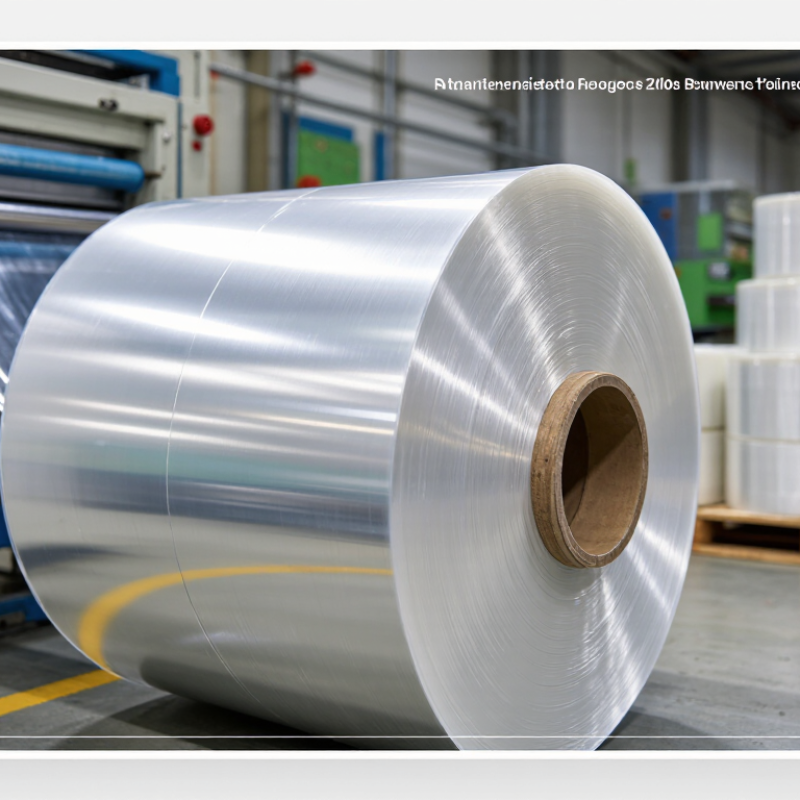
Plastic sheet rolls are continuous lengths of flexible plastic wound around a paper or plastic core. They are commonly produced from polyethylene or polypropylene, depending on the packing task. Thickness, width, clarity, stiffness, and surface texture can vary widely. A thin roll may cover goods, while a thicker sheet can protect sharp edges or heavy loads.
In packing operations, workers cut sheets to line cartons, wrap furniture, separate stacked products, or cover pallets during storage and transport. Some rolls work well with heat sealing. Others are better for manual folding, taping, or machine wrapping. For food-related packing, the material should have suitable contact documentation and controlled production records. Packing teams should also check roll length, core size, tensile strength, puncture resistance, and moisture protection before ordering.
A roll can look suitable but fail on the packing line. Poor winding may cause telescoping, uneven feeding, or sudden tearing. I have found that appearance alone is a weak quality test. A small trial is more reliable. Measure the film under working tension, test the actual sealing temperature, and inspect packed cartons after handling. Suppliers should provide clear specifications, sample rolls, batch traceability, and inspection data. Even then, requirements may change with product weight, climate, and equipment. No single plastic sheet roll fits every packing application.
Plastic sheet rolls are continuous rolls of flexible or semi-rigid plastic used for wrapping, lining, palletizing, cushioning, and forming packaging components. The chart shows representative densities for commonly used packaging materials. Lower-density materials generally reduce weight, while higher-density materials can provide greater stiffness and barrier performance.
Packing sheet rolls come in several practical materials. Polyethylene is flexible, moisture resistant, and suitable for wrapping cartons, furniture, and irregular loads. Polypropylene feels stiffer and offers cleaner folds for lightweight products. Recycled blends can reduce material use, but their clarity and strength may vary between batches. Test them before placing a large order.
Common roll widths range from 300 to 2,000 millimeters. Thickness often falls between 20 and 200 microns, depending on the load and handling conditions. A thin sheet may suit inner wrapping, while a thicker roll protects sharp edges and heavy surfaces. Clear film improves product visibility. Colored or opaque film offers privacy and light protection. Some rolls include anti-static, UV-resistant, or perforated options. These features should match the actual packing environment, not just the product brochure.
Tips: Ask for a sample roll first. Check tear resistance, sealing performance, surface friction, and roll winding quality. Measure the core diameter and confirm the roll length. A frequent mistake is choosing thickness alone. In practice, poor winding can waste more material than a slightly thinner sheet. Request test data, production tolerances, and inspection records from potential Chinese suppliers. Also review packaging for moisture protection during shipment. Details matter.
Plastic sheet rolls support many packaging operations because they are flexible, lightweight, and easy to cut. Food processors use them for lining cartons, wrapping pallets, and separating stacked products. Their production areas often need clean surfaces, stable thickness, and reliable sealing performance.
Pharmaceutical and medical manufacturers use plastic rolls for outer protection, tray lining, and controlled handling. These applications demand clear specifications, low contamination risk, and traceable quality records. A supplier should provide thickness reports, material declarations, and batch identification. Small gaps in documentation can create large purchasing problems.
Agricultural businesses use sheet rolls to cover produce crates, protect soil products, and group shipments during transport. Construction suppliers often place them between panels, tiles, or metal parts to reduce scratches. In electronics packaging, smooth rolls help limit dust contact and surface damage. The right material depends on temperature, load, moisture, and contact requirements.
I have seen buyers focus too heavily on price. That choice sometimes causes uneven winding, weak edges, or difficult unwinding on packing lines. Samples should run through the real machine, not only pass a visual check. Measurements matter. So do storage conditions, core size, roll length, and packaging for export. A practical supplier review should include production experience, inspection procedures, response speed, and willingness to correct defects. Some specifications look perfect on paper but fail under daily pressure.
When evaluating plastic sheet roll suppliers in China, request a specification sheet for each grade, not just a quoted price. Check thickness, width, roll length, core size, and stated tolerances. Then measure a sample at several points across its width; a single reading can miss uneven thickness. Small details matter.
The OECD’s Global Plastics Outlook (2022) reports that packaging generated about 40% of plastic waste in 2019. That figure makes material selection and waste controls relevant purchasing questions. Ask suppliers how they document resin grades, batch numbers, and recycled content, where applicable. Request recent inspection records and compare them with your own sample tests. A neat sample is not proof of consistent production. It is only one data point. I would also check whether the supplier explains defects and corrective actions clearly, rather than promising that every roll will be perfect. That question may feel awkward, but the answer can reveal more than a polished brochure. Where possible, inspect rolls from different production dates before committing to a large order.
Selecting a China-based plastic sheet roll supplier requires more than comparing quoted prices. Packaging represented nearly 40% of global plastic use in 2019, according to the OECD Global Plastics Outlook. This scale makes material consistency and waste control important sourcing issues.
Buyers should request production samples from different batches. Check thickness at several points with a calibrated micrometer. A roll can look smooth while its gauge varies near the core.
Test tensile strength, elongation, tear resistance, haze, and sealing performance. For food packaging, request migration testing and a current compliance declaration. The testing method must match the intended market.
Ask for a certificate of analysis linked to each shipment. Confirm resin type, recycled content, additives, roll width, weight, and winding direction. Factory audits should review storage conditions, moisture control, inspection records, and traceability. The OECD reported that only 9% of plastic waste was recycled globally in 2019, so accurate recycled-content claims deserve careful verification. Paperwork alone is weak evidence.
A practical mistake is approving a sample without testing after printing or heat sealing. Performance can change. No checklist catches every defect. Buyers should define acceptable limits before ordering, including telescoping, wrinkles, pinholes, odor, and core damage. Independent pre-shipment inspection adds cost, but one failed container costs more. Suppliers should also explain corrective actions, not simply promise better quality next time.
They are continuous flexible sheets wound around a paper or plastic core. Thickness and texture vary.
Workers cut them to line cartons, wrap furniture, separate products, or cover pallets. A simple cut can save time.
Polyethylene and polypropylene are common options. The right choice depends on the load, moisture, and packing process.
Run a sample through the actual machine. Check feeding, tearing, and sealing temperature. Looks can mislead.
Review thickness, width, roll length, core size, tensile strength, and puncture resistance. Measure under working tension, too.
Food, medical, agricultural, construction, and electronics operations use them for different packing needs. Dust control matters.
Ask for clear specifications, inspection data, and batch identification. For food-related use, check suitable contact documentation.
Poor winding may cause uneven feeding, telescoping, or sudden tears. A small trial helps, though it cannot predict every condition.
Review inspection procedures, response speed, sample quality, and willingness to correct defects. Price alone is a shaky guide.
No. Product weight, climate, equipment, and storage conditions can change what works. It is easy to overlook one detail.
Plastic Sheet Roll For Packing is a versatile packaging material designed to protect products during storage, handling, and transportation. Made from materials such as polyethylene, polypropylene, or other engineered plastics, these rolls are available in different thicknesses, widths, lengths, colors, and surface finishes. Depending on the application, they may offer flexibility, moisture resistance, puncture protection, transparency, or cushioning performance. They are widely used in industries including food packaging, electronics, furniture, agriculture, construction, and general manufacturing.
When evaluating suppliers in China, buyers should consider material consistency, dimensional accuracy, production capacity, customization options, lead times, and communication efficiency. Quality checks should include testing thickness, tensile strength, tear resistance, sealing performance, cleanliness, and packaging condition. Buyers should also confirm product specifications, sampling procedures, inspection standards, export documentation, and compliance with the regulations of the destination market. A reliable sourcing process helps ensure stable quality, predictable costs, and packaging performance suited to the intended product.

DongFa Printing