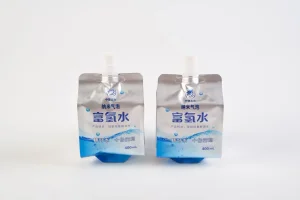
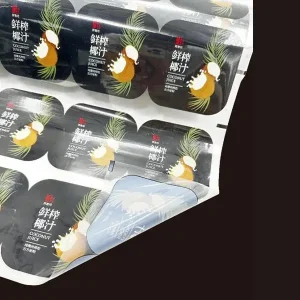
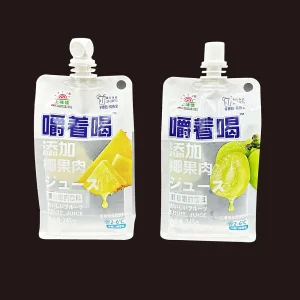
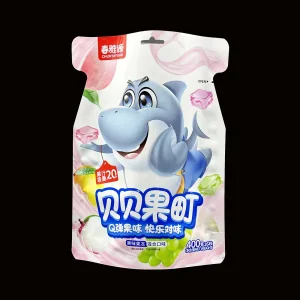
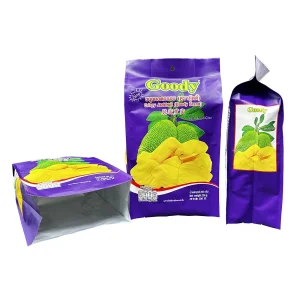
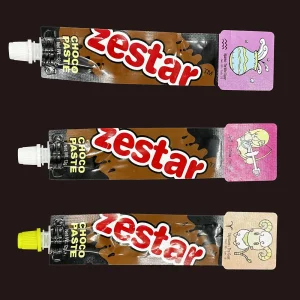
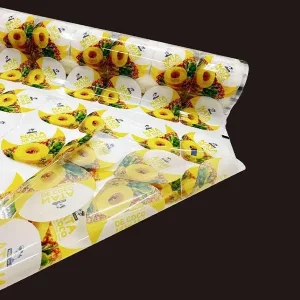
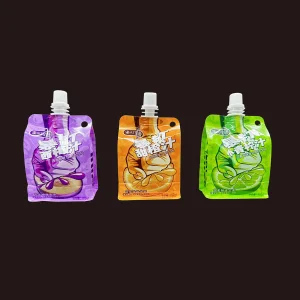
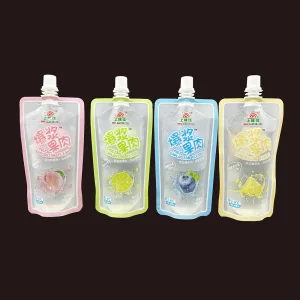
Explore our core range of high-barrier flat bottom pouches, spouted pouches, and performance laminates designed for strict shelf-life protection.
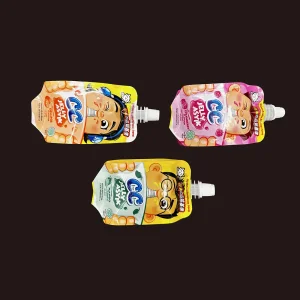
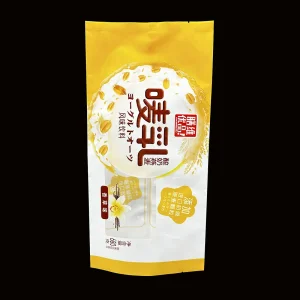
A Comprehensive B2B Blueprint on Material Engineering, Market Trends, and Supply Chain Excellence in Specialty Coffee Packaging.
In the highly competitive global coffee sector, structural packaging has transitioned from a basic containment unit to a key brand differentiator and active product preservation tool. The Flat Bottom Coffee Bag (also structurally categorized as a box pouch or five-panel stand-up bag) is the gold standard for specialty roasters targeting retail shelf prominence and prolonged product freshness. By combining the visual footprint of a folding carton with the logistical benefits of a flexible, high-barrier pouch, flat bottom coffee bags optimize shelf display while cutting freight overhead.
Global demand for flat bottom packaging has surged, particularly across North America, the European Union, and the Asia-Pacific region. Consumers and specialty distributors are demanding packaging that is structurally stable, easily resealable, and compatible with modern high-speed automatic filling lines. The flat base prevents the packaging from tilting when displayed on retail shelves, ensuring a continuous brand facing.
Compared to traditional quad-seal pouches or standard pillow bags, flat bottom configurations yield a 30% increase in volume utilization. For wholesale distributors and coffee exporters, this translates directly to increased pallet density, decreased shipping footprint, and optimized container packing efficiency during long-haul ocean shipping from manufacturing hubs in China to global markets.
Optimized package shape enables tighter packing densities in shipping boxes, lowering international logistics costs.
High-barrier laminate engineering drops Oxygen Transmission Rate (OTR) and Water Vapor Transmission Rate (WVTR) close to zero.
Transition support to recyclable mono-material PE, compostable PLA, and biodegradable Kraft laminates.
Preserving coffee quality relies on defending against oxygen, moisture, and ultraviolet radiation. Ground coffee and freshly roasted beans are highly susceptible to oxidation, which degrades key flavor and aroma compounds. The structural laminate composition must be tailored to match regional distribution timelines and environmental conditions:
| Laminate Structure | Target Thickness | Key Barrier Characteristics | Common Applications |
|---|---|---|---|
| PET / AL / PE | 120μm – 150μm | Maximum oxygen/moisture barrier. Ideal protection against UV rays. | Premium specialty whole-bean coffee intended for long shelf-life. |
| MOPP / VMPET / PE | 110μm – 130μm | Excellent barrier with metallic look. Flexible and cost-effective. | Standard commercial coffee blends and retail packaging. |
| Kraft Paper / AL / PE | 130μm – 160μm | Tactile, natural texture with aluminum foil core barrier protection. | Artisan, organic coffee brands aiming for a natural brand identity. |
| Recyclable Mono-PE (EVOH) | 100μm – 120μm | High-barrier EVOH layer. Circular economy compliant. | Eco-conscious brands looking to meet European packaging waste regulations. |
Crucial to these structures is the addition of the One-Way Degassing Valve. Freshly roasted coffee naturally releases carbon dioxide (CO2). An integrated valve allows excess gas to escape without letting ambient oxygen enter the pouch, avoiding bag rupture and preserving the integrity of the roasted coffee beans.
Over 35 Years of Advanced Packaging Manufacturing & Printing Innovation.
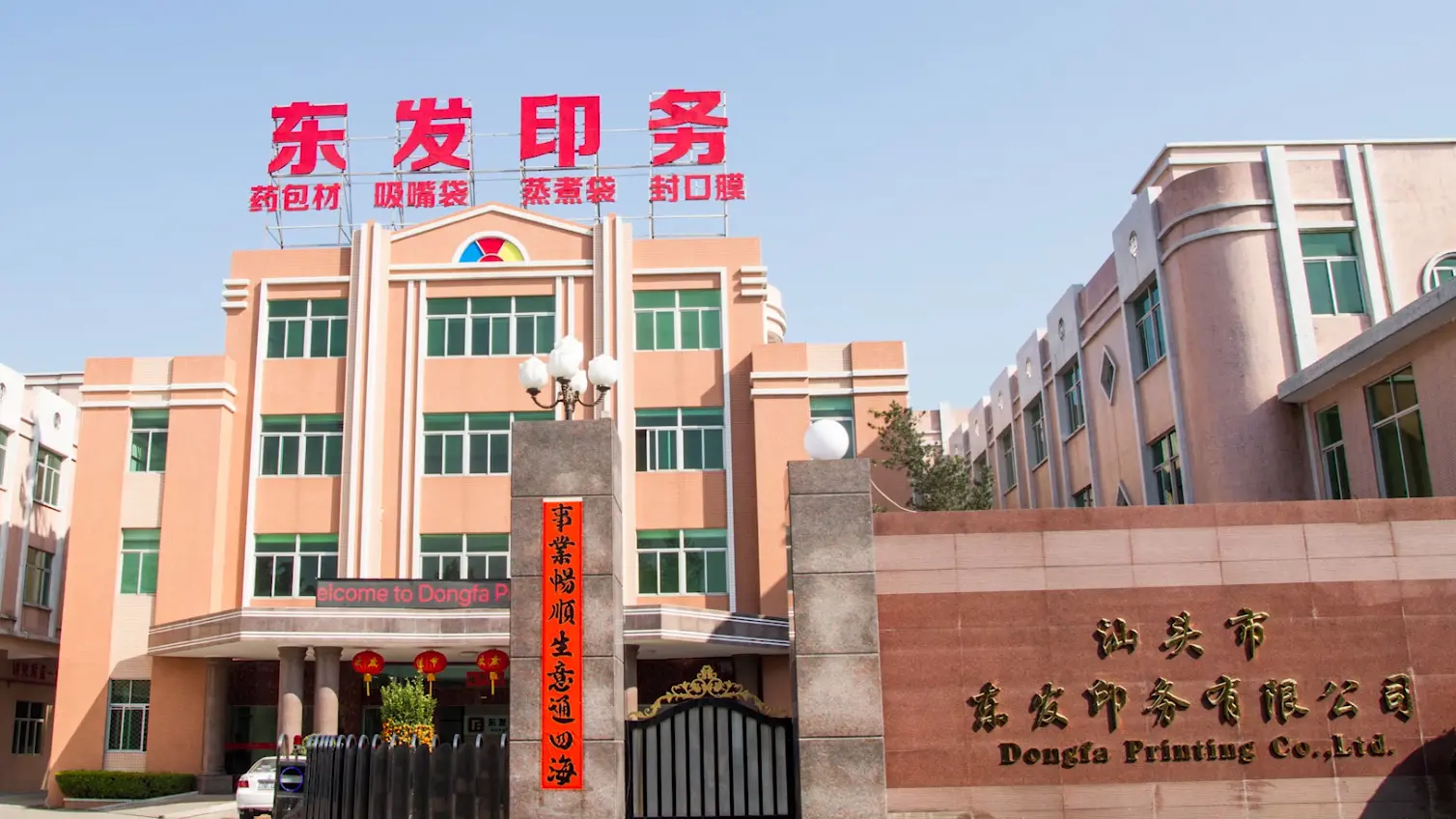
Dongfa Printing Co., Ltd. has over 35 years of professional experience in printing and packaging manufacturing. We specialize in the development and production of various liquid packaging films, retort pouches, and flat-bottom pouches. Our high-performance bags are designed to withstand pasteurization and retort steam sterilization processes, making them exceptionally durable under demanding conditions.
Operating a state-of-the-art GMP (Good Manufacturing Practice) clean workshop and utilizing advanced printing machinery with online quality inspection equipment, we are dedicated to strict quality control and clean production. From design and plate-making to custom lamination and final conversion, our team delivers consistent quality for food, pharmaceutical, and chemical B2B buyers worldwide.
Our products are exported to North America, Japan, Europe, Southeast Asia, Africa, and the Middle East, gaining recognition for outstanding puncture resistance, excellent barrier properties, and robust heat-seals.
Customizing a flat bottom coffee bag involves selecting features that improve both branding and user convenience. Here are the options we offer at our factory:
The global regulatory landscape is changing, especially with European and North American mandates limiting single-use plastics and promoting circular economy packaging. In response, our manufacturing plant has spent years refining the production of sustainable coffee packaging.
Instead of traditional PET/AL/PE multilayer films, which are challenging to recycle, we produce mono-material PE pouches. These use specialized EVOH barriers to deliver performance that matches standard laminates, allowing the bag to be recycled within current PE collection streams. Additionally, we provide compostable options using PLA derived from plant starches, matching our commitment to sustainable packaging innovation.
We deliver premium products and reliable service to global brands and packaging buyers.


Essential insights for B2B procurement managers sourcing packaging from China.
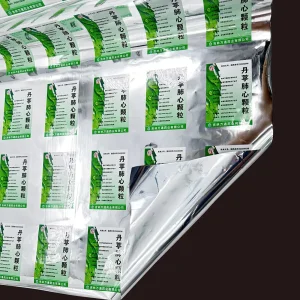
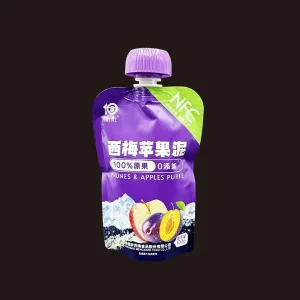
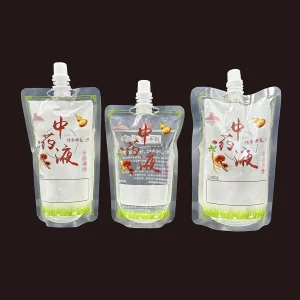
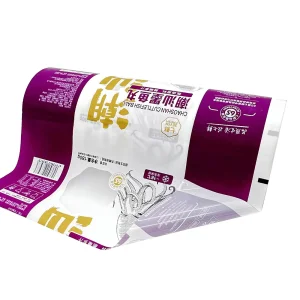
Additional premium roll films, spouted pouches, and high-barrier medical-grade materials manufactured in our GMP facility.
 DongFa Printing