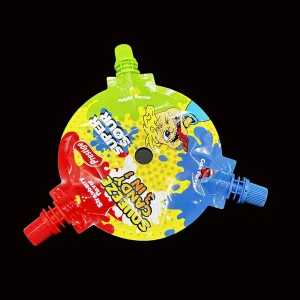
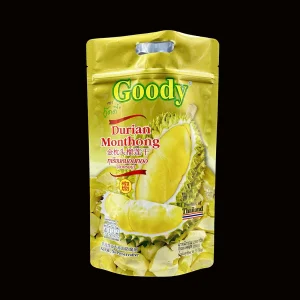
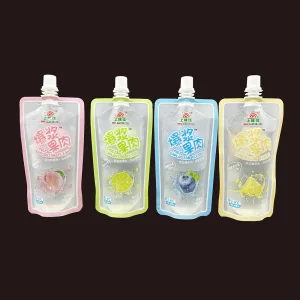
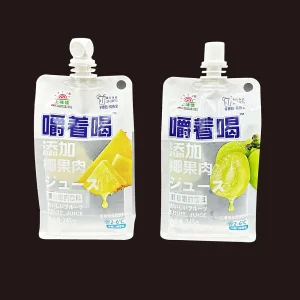
Engineered barrier compounds, high seal integrity, and functional closures designed for international food and industrial supply chains.
In the hyper-competitive global specialty coffee market, packaging is no longer merely a container. It is a critical preservation system, an environmental statement, and a touchpoint for consumer engagement. As regulatory bodies across the European Union (such as the PPWD directives) and North America intensify mandates on single-use plastics, the market has undergone a structural pivot toward paper-based composites.
Global brands are phasing out traditional multi-layer plastics. Sustainable paper packaging utilizing FSC-certified kraft structures significantly reduces the overall carbon footprint, addressing corporate ESG metrics and modern consumer preferences.
Roasted coffee is highly sensitive to oxygen, moisture, and ultraviolet radiation. The challenge in paper-based packaging is providing a barrier that achieves a zero-oxygen transmission rate (OTR) while maintaining recyclability.
Fluctuating raw material prices globally necessitate partnerships with highly integrated Chinese factories that secure continuous access to high-grade virgin kraft paper and advanced compostable barrier laminates.
Modern paper coffee bags require composite engineering to protect delicate aromatic compounds. The selection of materials depends on the expected shelf-life, supply chain transport temperatures, and regional recycling capabilities. Below is the structural material blueprint implemented by advanced manufacturers like Dongfa Printing:
| Structure Configuration | Typical Thickness | Oxygen Barrier (OTR) | Moisture Barrier (WVTR) | Primary Application |
|---|---|---|---|---|
| Kraft Paper / PLA (Polylactic Acid) | 110μm - 145μm | Moderate | Standard | Short shelf-life, locally distributed specialty beans (Compostable) |
| Kraft Paper / VMPET / LLDPE | 120μm - 150μm | Excellent (<0.5 cc/m²/day) | High | Global commercial retail coffee bags, long shelf-life requirements |
| Kraft Paper / EVOH-PE (Monomaterial) | 130μm - 160μm | Very High | High | Fully recyclable (Pebble-loop compliant) premium coffee lines |
| Kraft Paper / Aluminum Foil / PE | 140μm - 170μm | Absolute Zero Barrier | Absolute Zero Barrier | Industrial supply chains, extreme climate storage, long-haul logistics |
Freshly roasted coffee beans release significant volumes of carbon dioxide ($CO_2$). If sealed in an airtight container without release valves, the accumulated pressure will cause the package to rupture. Conversely, if exposed to outside air, oxygen will oxidize the oils in the coffee, causing rancidity.
Integrating mechanical or filter-based degassing valves allows internal gas to escape while preventing oxygen ingress. Dongfa offers both imported Italian valves and high-grade domestically engineered solutions tailored to specific roast profiles.
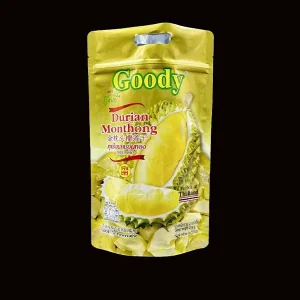
To preserve freshness after opening, we offer various closure profiles, including standard press-to-close zippers, pocket zippers, and pull-tabs. All closures are thermally welded to ensure the bag's structural integrity.
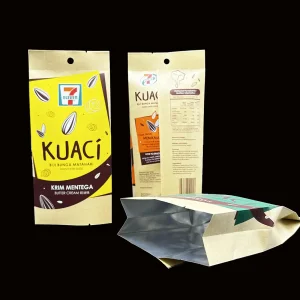
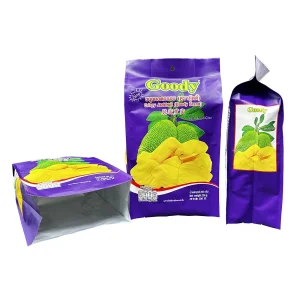
From traditional side-gusseted bags to modern flat-bottom pouches (five-panel boxes) and quad-seal bags, our manufacturing lines handle complex conversions to maximize shelf presence and optimize shipping volume.
China's flexible packaging industry has transitioned from rapid expansion to high-tech, precision manufacturing. Companies like Dongfa Printing Co., Ltd. bridge the gap between scale, cost efficiency, and strict global quality standards.
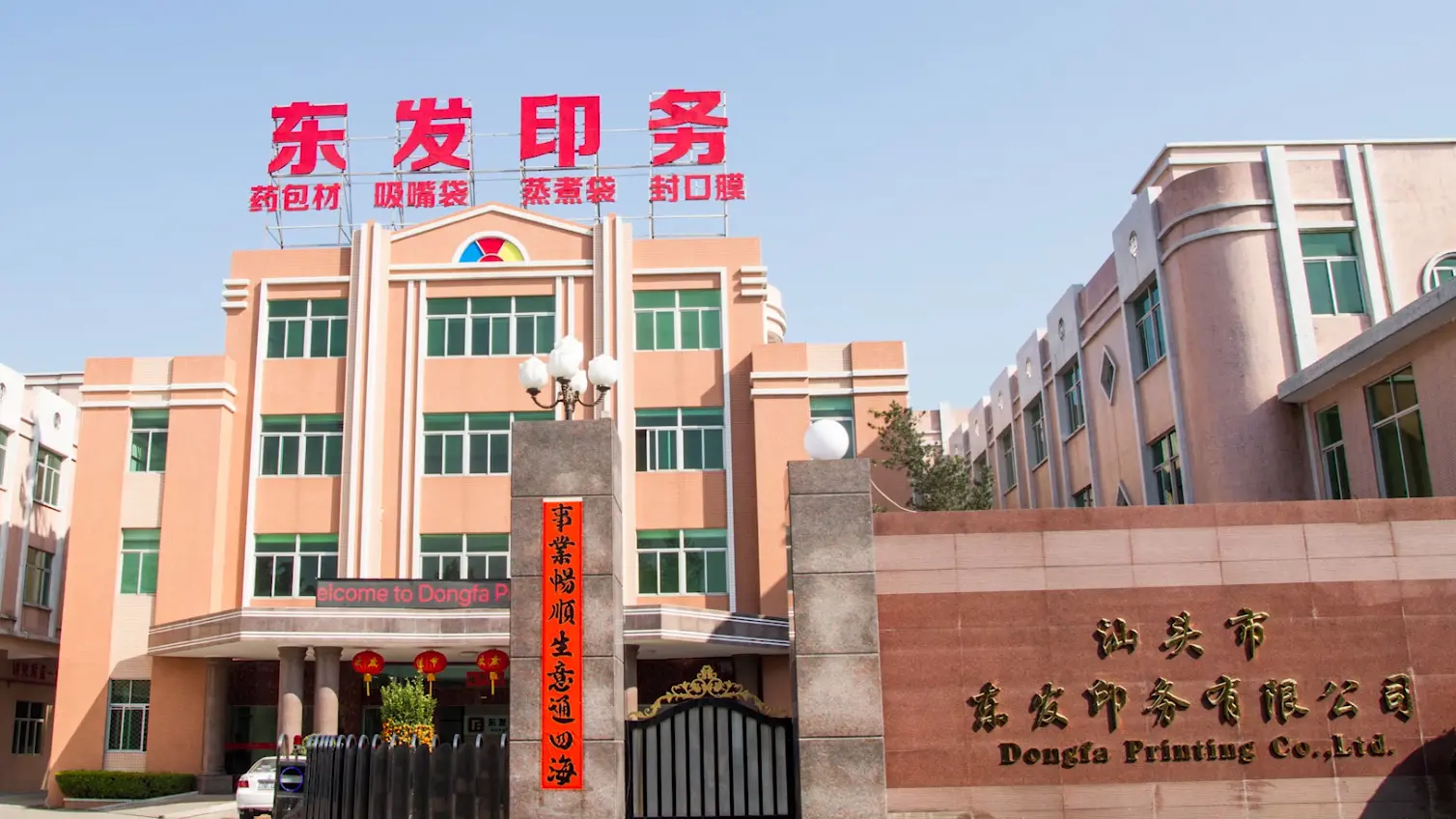
With a 35-year operational footprint, Dongfa combines professional printing and packaging expertise in custom food, pharmaceutical, and chemical packaging. Operating out of state-of-the-art facilities equipped with online optical inspection equipment and operating within GMP-certified clean rooms, we maintain tight control over every milliliter of laminate adhesion and micron of barrier thickness.
By sourcing directly from certified Chinese suppliers, global coffee brands secure not only competitive unit economics but also customizable options suited for retort steam sterilization, pasteurization, and high-speed filling lines.
Understanding the complexities of custom packaging procurement is essential for product managers and supply chain directors. We address the most common technical inquiries below.
From quad-sealed paper pouches to high-barrier medical packaging films—manufactured with precision and shipped globally.
Dongfa Printing's corporate vision is to remain at the forefront of the flexible packaging and printing industries. Exporting widely to key global trade regions—including the Middle East, Southeast Asia, Africa, North America, and Japan—our brand is associated with quality and reliability. In addition to performance, we prioritize environmental stewardship, implementing waste reduction measures to support sustainable development.
Transparency underpins our business relations. We establish verified material disclosures and chemical composition declarations for all our paper coffee bags and industrial films.
Our team consists of material scientists, mechanical engineers, and print operators with decades of experience in packaging conversion technology.
We continuously invest in R&D to develop monomaterial recyclable laminates, high-strength closures, and biodegradable barrier layers.

 DongFa Printing