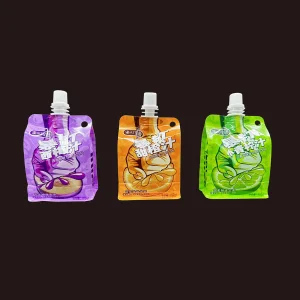
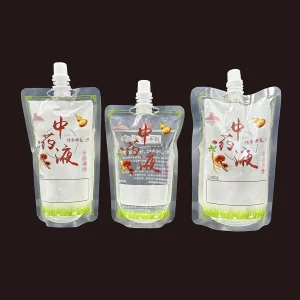
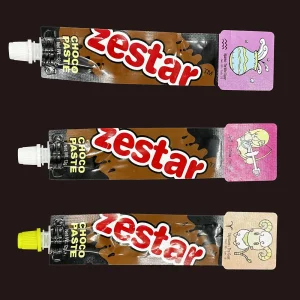
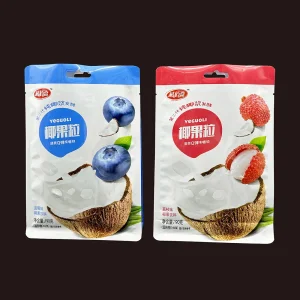
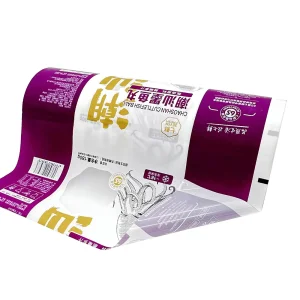
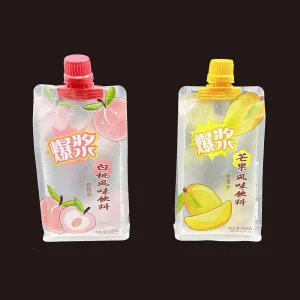
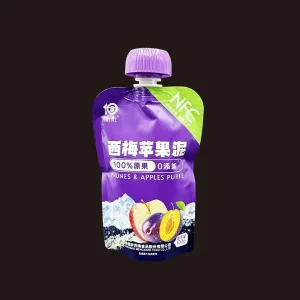
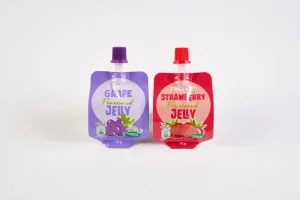
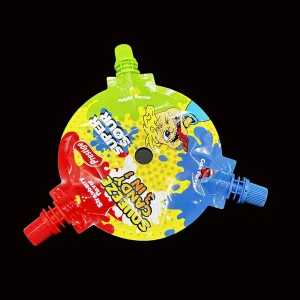
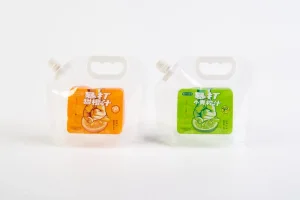
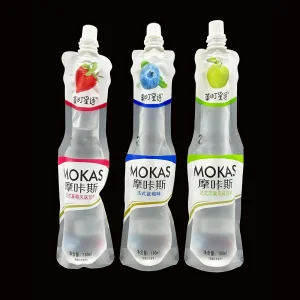
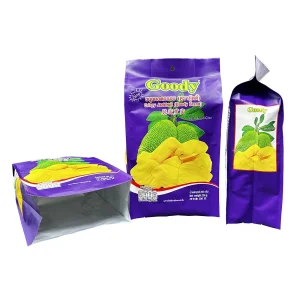
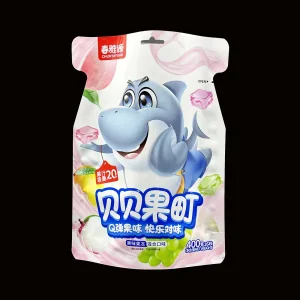
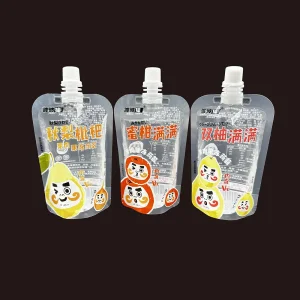
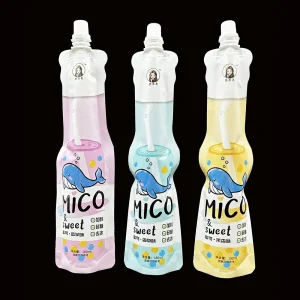
Explore our state-of-the-art structural configurations designed for ultimate barrier protection and mechanical resilience.
The global transition from rigid metal cans, glass jars, and heavy plastic containers to high-performance, lightweight flexible standing pouches is accelerating. Historically, packaging was restricted by the mechanical limits of raw materials. Today, advanced multi-layer polymer laminates have enabled standing pouches to comfortably support heavy-volume payloads, specifically the 1 Kg capacity sweet-spot.
In the packaging industry, the 1 Kg format serves as the foundational unit for wholesale-to-consumer and business-to-business transactions. For dry food formulations, grains, powdered chemicals, pet foods, liquid detergents, and agricultural inputs, the 1 Kg standing pouch provides the perfect balance between volume efficiency, shipping weight savings, and retail shelf-presence.
By moving to a flexible format, manufacturers reduce empty container storage volume by up to 90%. A single truckload of empty 1 Kg standing pouches is equivalent to approximately 25 truckloads of rigid plastic containers, dramatically dropping emissions and shipping costs.
Life Cycle Assessments (LCA) demonstrate that multi-layer barrier laminates require up to 60% less fossil fuel and water to manufacture compared to traditional rigid containers, aligning with global Net-Zero environmental goals.
Integrated handles, ergonomic contours, and resealable systems (press-to-close zippers, slider seals, and child-resistant spouts) enhance usability and preserve product freshness long after the seal is broken.
Manufacturing a pouch capable of holding 1 Kg of product requires precise mechanical engineering. Unlike smaller pouches (e.g., 50ml–150ml), a 1 Kg load exerts substantial static pressure on the bottom seals and sides. Dropping a 1 Kg filled pouch from a retail height of 1.2 meters can exert instantaneous stress that will rupture weak films.
Our factory employs premium polymer combinations to form custom composite barriers. Below is a analysis of the engineering structures commonly utilized:
| Pouch Application | Material Structure (Lamination Layers) | Common Thickness | Primary Technical Characteristics |
|---|---|---|---|
| Dry Powder/Grains (High Barrier) | PET + VMPET + PE | 110μm - 130μm | High moisture and light barrier, low cost, excellent mechanical shelf life. |
| Liquid Spout Pouches (1.5L / 1Kg) | NY (BOPA) + AL + PE | 115μm - 150μm | Extremely high puncture resistance, absolute gas/oxygen barrier, high seal strength. |
| Retort Food Packaging (Pasteurized) | PET + R-NY + AL + CPP | 120μm - 140μm | Withstands steam retort cycles up to 121°C/135°C without delamination or seal breakdown. |
| Sustainable (Mono-material) | MDO-PE + PE (Recyclable) | 110μm - 125μm | Fully recyclable polymer composition, optimized for circular economy regulatory targets. |
The internal mechanical stability of our 1 Kg pouches is defined by two key metrics:
The demand profile for 1 Kg pouches varies geographically due to consumer behavior, retail infrastructures, and regional regulatory pressures:
Focuses on pet food bulk packaging, lawn & garden fertilizers, and artisanal organic grains. Key design requirement: Resealability using heavy-duty wide zippers, robust drop performance, and visually striking matte coatings to attract premium retail shoppers.
Driven by rigid circular economy legislation. Our technical teams focus on producing mono-material recyclable films (PE/PE or PP/PP) that maintain high-barrier protection while fitting directly into regional recycling networks.
High demand for liquid refills (soaps, liquid sauces, culinary pastes). High temperature pasteurization compatibility is vital here, as is high puncture resistance to protect goods against temperature swings during supply chain transit.
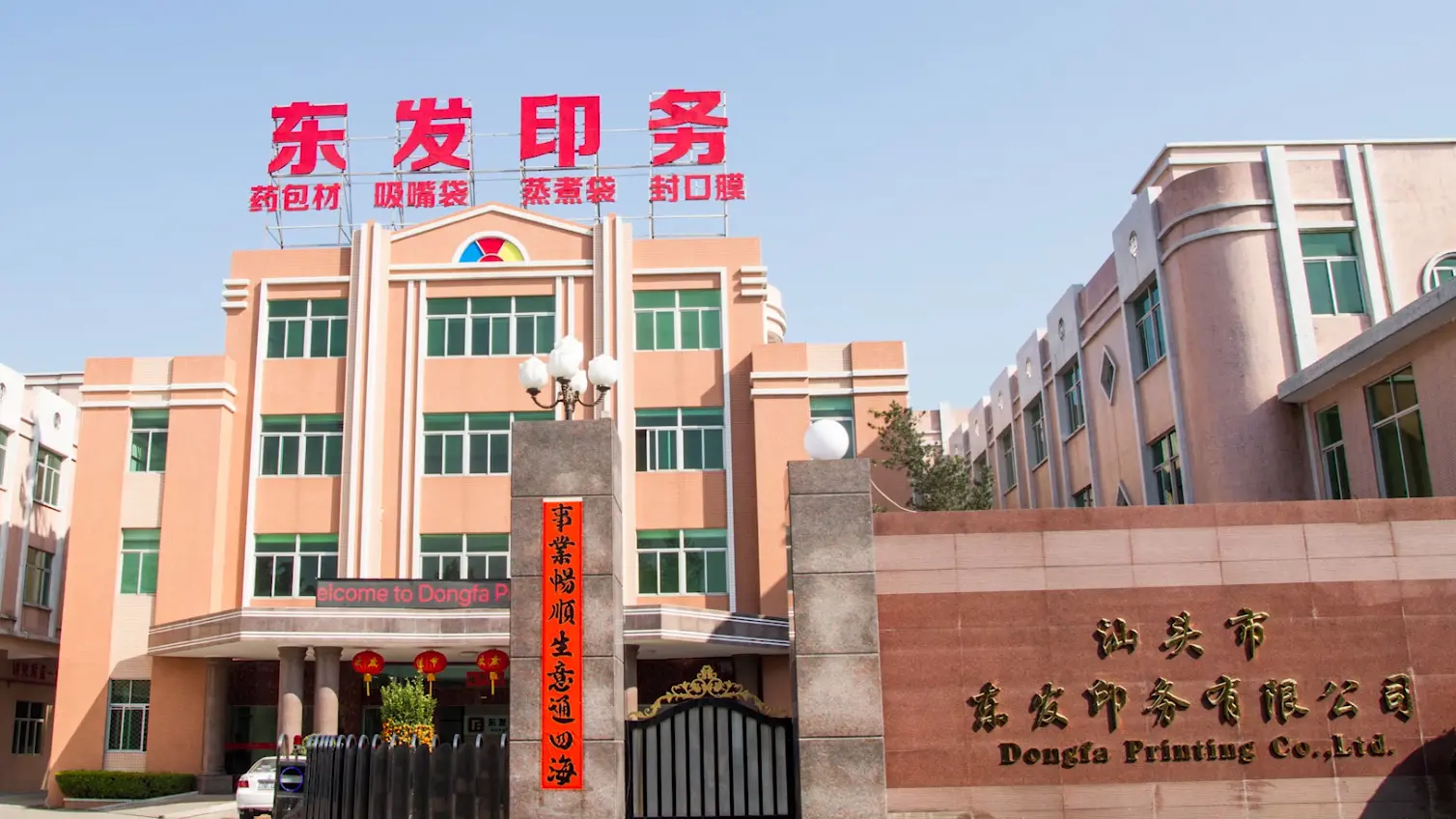
With over 35 years of professional printing and packaging experience, Dongfa Printing Co., Ltd. has established itself as an industry leader in flexible liquid, paste, and solid packaging. Located in China, our state-of-the-art facility operates under strict GMP standards, ensuring that all food, medical, and agricultural chemical packaging complies with global safety regulations.
Our core strength lies in our integrated production lines. We control every stage of fabrication, starting with raw resin evaluation down to the final extrusion, high-speed rotogravure printing, lamination, curing, bag forming, and spout installation. Our printing machinery is fitted with inline vision inspection equipment that scans 100% of the film web to detect microscopic printing errors, specks, and layer voids.
We deploy high-speed solvent-less lamination processes alongside dry lamination, maintaining minimal residual solvent limits and ensuring the food-grade purity of our products. This setup supports high thermal stability and prevents packaging delamination during autoclaving or pasteurization.
Our structures are optimized for both high-pressure retort sterilization (reaching temperatures up to 121°C–135°C) and hot-filling methods. This is essential for extended shelf-life foods like organic purées, pet food, jelly, juice, and liquid sauces.
We offer a versatile catalog including flat-bottom bags, quad-seal pouches, self-standing pouches, multi-spout variants, and high-tensile zip closures to fit any industrial or consumer application.
Guided by our foundational values of "integrity, professionalism, innovation, and win-win", we maintain a client-focused service model spanning graphic design, advanced mechanical engineering, and worldwide logistics coordination.
The flexible packaging industry is undergoing rapid technical evolution. Over the next five years, key technological changes will center around sustainability and digital tracking:
Replacing complex multi-material films (like PET/AL/PE) with high-barrier mono-PE or mono-PP structures. These advanced formulations match the oxygen and water barriers of metals while remaining fully compatible with modern post-consumer recycling facilities.
Embedding RFID sensors, temperature indicator inks, and unique QR codes directly onto the laminate film. This allows commercial customers to trace supply chains and monitor fresh storage metrics in real-time.
Integrating PLA (Polylactic Acid) and bio-based barrier coatings derived from agricultural co-products. This reduces fossil fuel dependence while preserving raw material tensile strength.
Explore additional specialized packaging formats designed for diverse industrial, agricultural, and retail applications.


 DongFa Printing