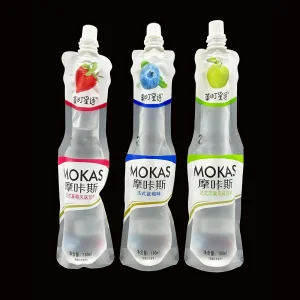
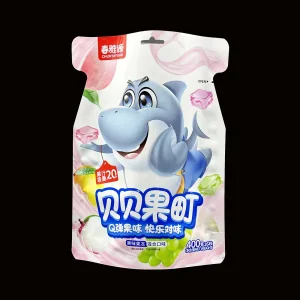
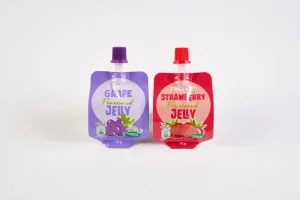
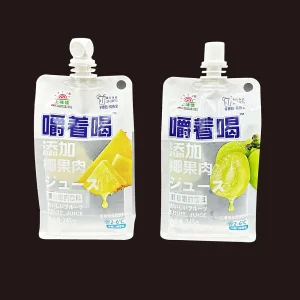
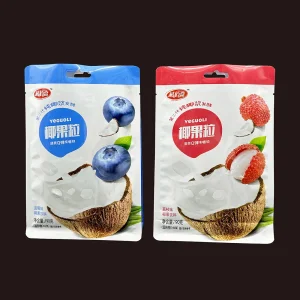
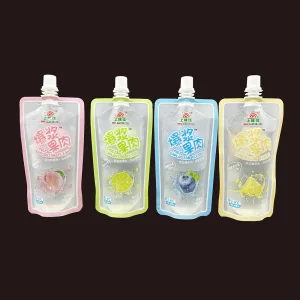
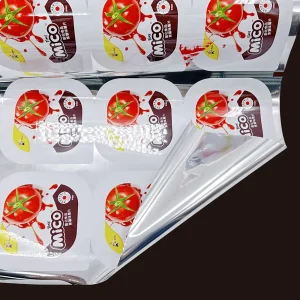
High-performance flexible barriers, medical-grade materials, and pasteurization-retort pouch configurations designed for demanding global industrial standards.
In the contemporary fast-moving consumer goods (FMCG), pharmaceutical, and chemical industries, the global packaging market is undergoing a seismic migration from rigid containers (glass bottles, HDPE jars, tin cans) to high-performance, lightweight flexible options. At the forefront of this revolution is the Transparent Stand Up Pouch. The global market valuation for flexible stand-up packaging reached USD 24.8 Billion in 2023 and is projected to expand at a compound annual growth rate (CAGR) of 6.4% through 2032. This growth is driven by three main factors: logistical cost containment, consumer demand for product visual confirmation, and sustainability initiatives aimed at minimizing carbon footprints during shipping.
Historically, high-barrier properties required the integration of solid aluminum foil layers, which rendered packaging opaque and structurally challenging to recycle. However, advances in polymer chemistry have unlocked transparent high-barrier alternatives. Modern buyers, especially in North America, Western Europe, and Asia-Pacific, demand transparency as it communicates transparency in branding. Consumers want to physically inspect the food, medical compound, or liquid beverage inside before purchase. Dongfa Printing Co., Ltd., leveraging over 35 years of dedicated printing and packaging manufacturing experience, stands at this cross-section of clarity, structural integrity, and barrier excellence.
Flexible stand-up pouches ship flat. One truckload of empty stand-up pouches equals approximately 25 truckloads of empty rigid plastic bottles, drastically lowering global shipping costs and reducing Scope 3 emissions.
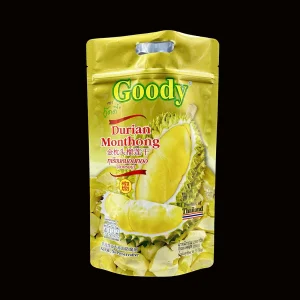
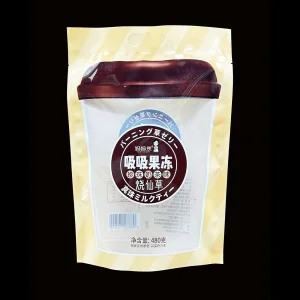
Visual verification builds immediate trust. Transparent window configurations and fully clear barriers let customers witness the color, purity, and texture of premium liquids, purees, or medical solutions.
Stand-up pouches use up to 60-70% less plastic than conventional rigid plastic bottles, aligning with international mandates for overall source-material reduction.
Achieving superior barrier performance without compromising visibility requires advanced polymer design. Transparent stand-up pouches manufactured by Chinese factories utilize a multi-layer co-extrusion or adhesive lamination roadmap designed for specific gas barrier metrics:
For applications demanding sterilizability—such as baby food purees, ready-to-eat meals, and clinical liquids—we utilize specialized retort-grade CPP (RCPP). This allows the pouches to withstand pasteurization and high-pressure steam retort sterilization (ranging from 121°C to 135°C) without delamination or barrier degradation.
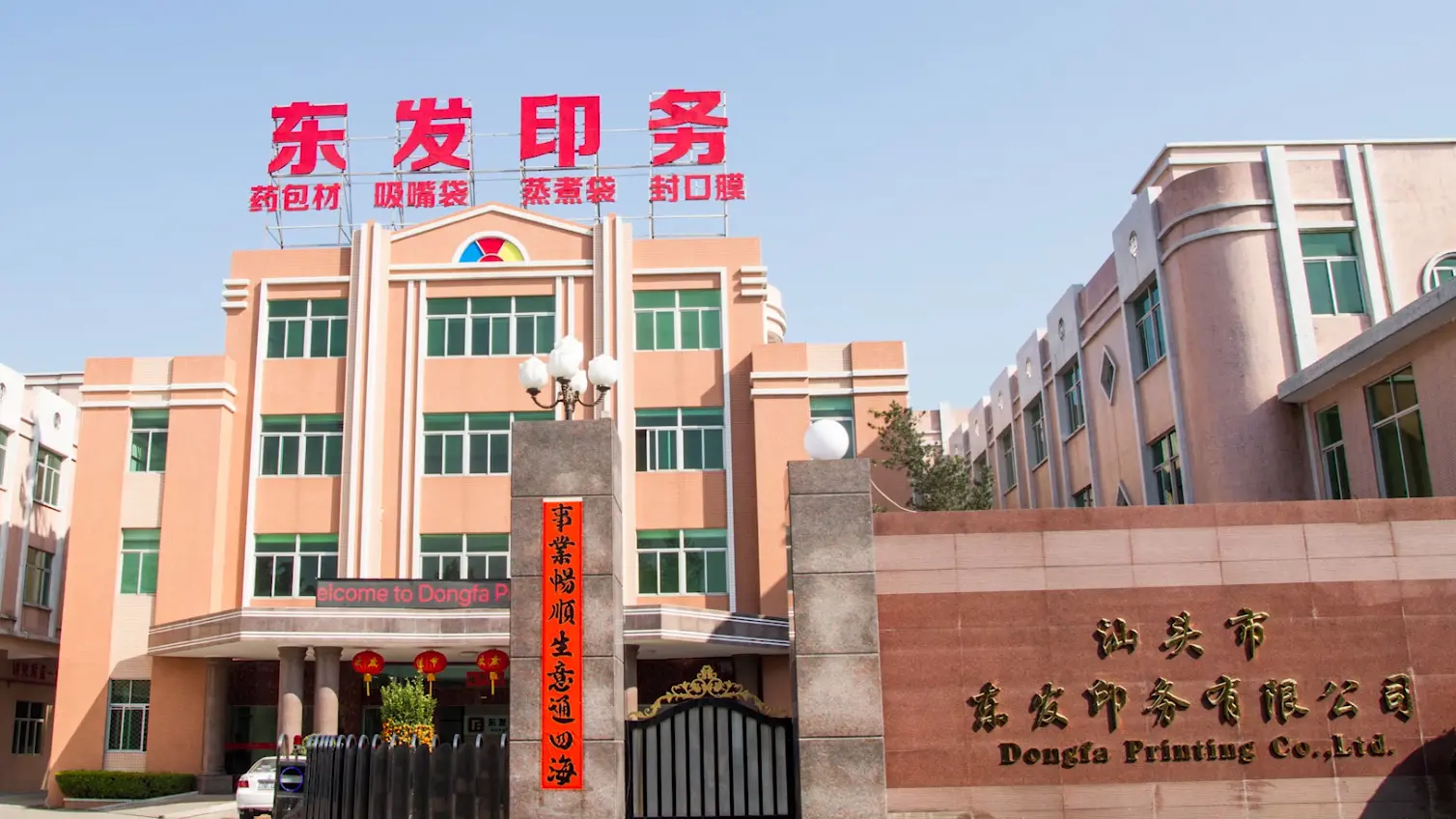
Why do leading global brands source transparent stand-up pouches directly from Chinese hubs like Dongfa Printing? The answer lies in the deep supply chain integration, raw material localization, and automation scale that other regional markets lack. Our GMP cleanroom facilities run high-speed, 10-color rotogravure presses alongside solvent-free laminators. This infrastructure allows us to achieve precise web tension controls, reducing optical hazing in clear pouches while maintaining high mechanical strength.
Different markets present distinct mechanical stress and chemical demands on transparent stand-up pouches. At Dongfa Printing, we customize pouch geometries, material layers, and fitment closures to match specific industry sectors:
Material: PET/EVOH-PET/PE, PET/NY/PE, BOPP/VMPET/PE (with clear windows).
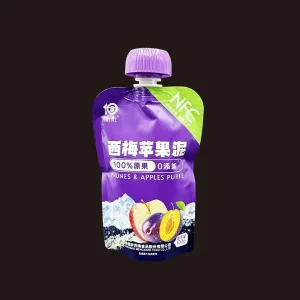
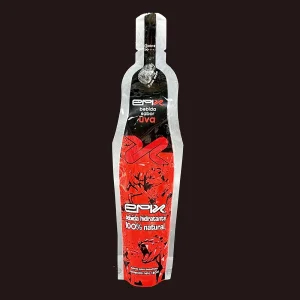
Use Case: Juices, health supplements, fruit purees, and energy gels. The addition of a top or corner spout requires high-precision ultrasonic welding of the HDPE spout to the multi-layer film web, preventing leak paths in high-stress zones.
Material: PET/ALOx-PET/Retort-CPP.
Use Case: Ready meals, soups, and pet wet food. Standard PET/PE pouches will delaminate under retort temperatures of 121°C. Dongfa utilizes high-spec polyurethane adhesives and RCPP sealants to maintain seal strength during thermal expansion and pressure cycling.
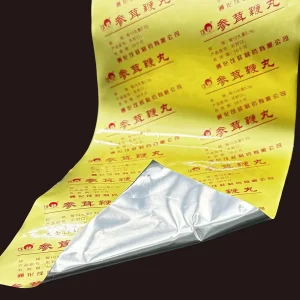
Material: Special medical grade lamination PET/PE (72μm to 92μm).
Use Case: Sterile medical devices, test kits, and pharmaceutical powders. Requires production within dust-free GMP zones and absolute particulate control, verified by online optical inspection.
For international procurement managers, regulatory compliance is non-negotiable. To ensure global distribution compatibility, all raw materials, ink configurations, and lamination adhesives utilized by Dongfa Printing comply strictly with localized food-contact regulations, including the US FDA 21 CFR 177.1520, EU Regulation No. 10/2011, and German BfR recommendations. Our quality control protocol includes:
We achieve this balance by substituting aluminum foil with transparent EVOH or PET films coated with Silicon Oxide (SiOx) or Aluminum Oxide (AlOx). These microscopically thin vapor-deposited coatings block oxygen and moisture molecules while remaining highly transparent.
Our specialized retort transparent pouches, utilizing customized cast polypropylene (RCPP) inner sealants and high-temperature polyurethane adhesives, can withstand retort steam sterilization up to 135°C for up to 30 minutes without delamination.
Yes, we manufacture high-barrier mono-material (such as all-PE laminated) stand-up pouches. These structures are recyclable under typical recycling streams, helping brands meet modern circular packaging standards.
Our 10-color rotogravure printing presses feature advanced automatic registration control systems and online optical sensors. These systems monitor film tension in real-time, correcting shifts to ensure crisp, accurate print alignment.
With our automated co-extrusion, lamination, and pouch-making lines, custom print runs typically ship within 15 to 25 days following design approval, depending on the complexity of the material lamination and fitments.
Solvent-free lamination eliminates organic solvents during curing. This removes the risk of solvent migration and odors, ensuring food contact safety and compliance with FDA and EU regulations.
The flexible packaging sector is moving quickly toward circularity. Historically, multi-layer materials were difficult to recycle because separating laminated layers like PET, Nylon, and PE was challenging. To address this, Dongfa Printing's R&D focus is on developing high-barrier, mono-material structures (such as Oriented PE + PE) that can be recycled in PE streams. In addition, we are testing bio-based coatings that decompose in industrial composting facilities without leaving microplastic residues.
We are also integrating smart packaging elements, such as thermochromic inks that change color to show pasteurization completeness and QR codes for blockchain supply chain transparency. As a leading manufacturer, Dongfa Printing continues to innovate, providing premium packaging solutions that support your sustainability goals.
Reliable quality control and service trusted by global brands.
Engineered barrier laminates, flexible spouted pouches, and custom packaging films manufactured to strict international quality standards.
 DongFa Printing