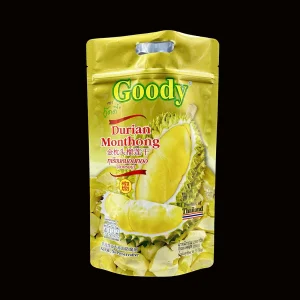
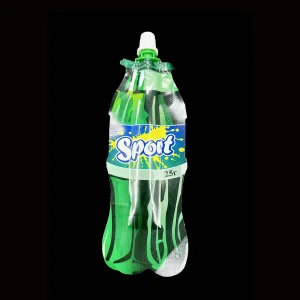
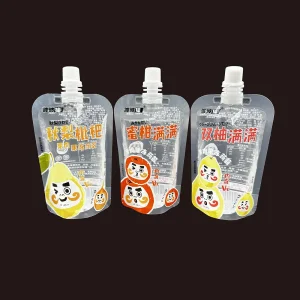
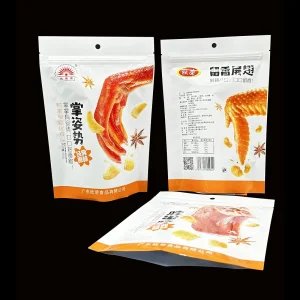
China Vacuum Pack Coffee Factories & Factory

High-Barrier Engineering, Global Compliance Standards, and Industry-Leading Flexible Packaging Solutions by Dongfa Printing

Executive Whitepaper: The Critical Mechanics of Vacuum Pack Coffee Packaging

In the highly competitive global coffee market, preserving the delicate organoleptic profile of roasted coffee beans and ground coffee is a precise science. Upon completion of the roasting process, coffee is highly vulnerable to degradation caused by exposure to oxygen, moisture, UV light, and temperature fluctuations. Oxygen, in particular, initiates the oxidative rancidity of coffee oils, rapidly degrading the complex aromas that define specialty coffee. This is where high-performance vacuum pack coffee packaging becomes indispensable.

Over 35 Years of Engineering Excellence

Dongfa Printing Co., Ltd. stands at the forefront of China's flexible packaging industry. With over 35 years of professional experience in custom packaging design, plate making, high-definition rotogravure printing, and multi-layer structural lamination, we have established ourselves as a benchmark manufacturer. We specialize in the R&D and production of barrier materials, food-grade pouch designs, and advanced liquid packaging solutions compatible with extreme processing environments, including pasteurization and retort steam sterilization.

Operating out of our state-of-the-art GMP-compliant cleanroom workshops, we pair our chemical engineering expertise with online automatic quality inspection equipment. This integration guarantees that every batch of roll film, stand-up spout pouch, flat-bottom zipper pouch, or three-side seal vacuum bag maintains strict zero-defect quality parameters. Our unwavering adherence to premium materials and robust quality controls has earned the trust of global clients across the Americas, Europe, Japan, Southeast Asia, and the Middle East.
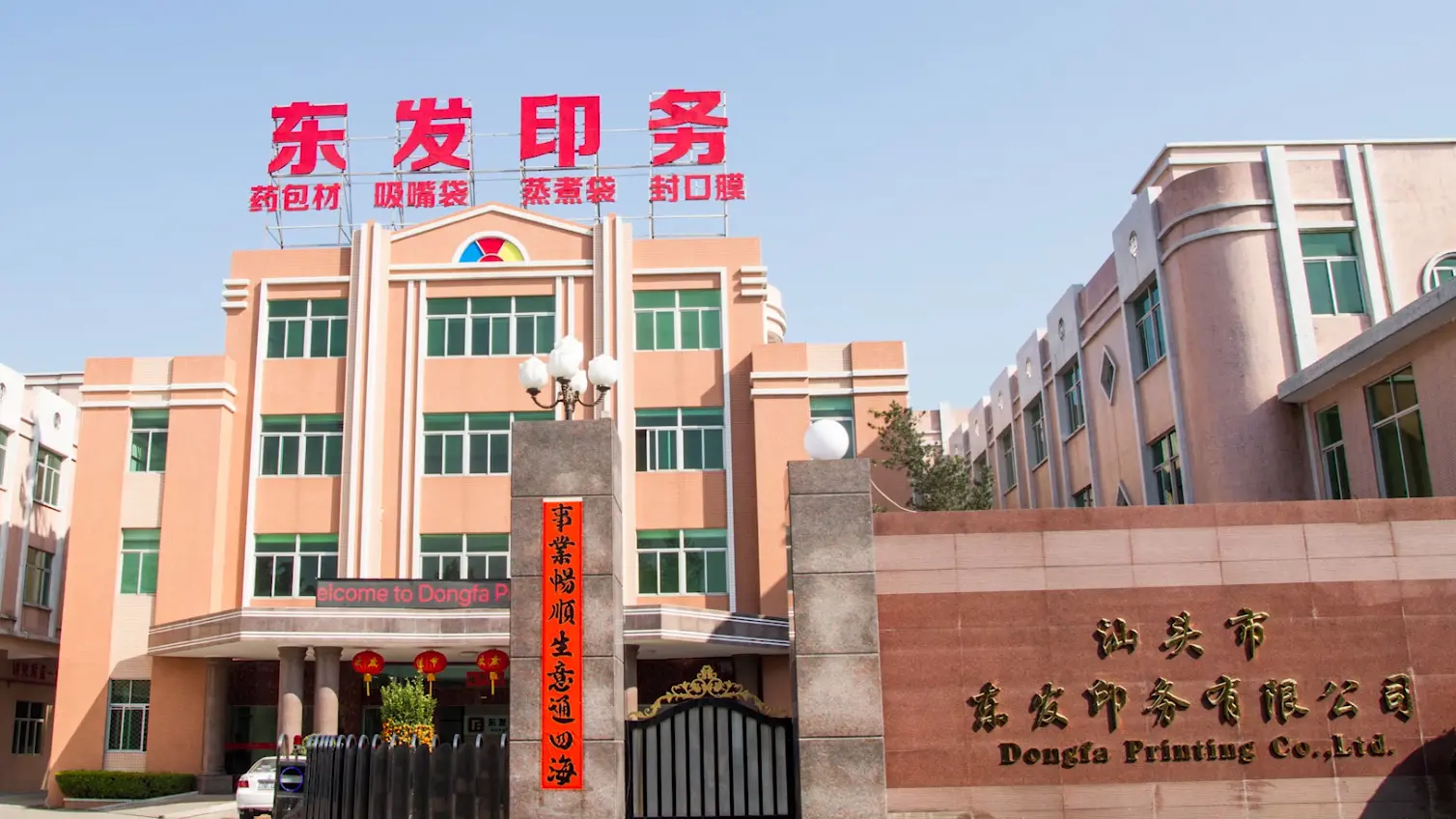
Dongfa Printing GMP Workshop and Production Facility
35+
Years Industry Experience
GMP
Cleanroom Standard
100%
Online Quality Check
50+
Exporting Countries

Advanced Material Architecture for Vacuum Coffee Packaging

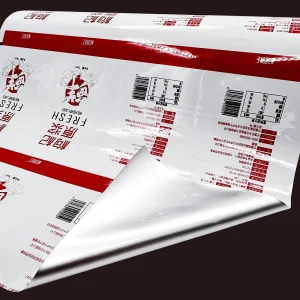
Vacuum coffee packaging is not a single-layer film; it is a meticulously engineered composite of multiple polymer and metallic layers. Each layer plays a distinct role in barrier performance, structural integrity, and seal strength. As a premium vacuum pack coffee factory, Dongfa Printing utilizes top-tier raw materials to customize barrier structures based on the target application.

Multi-Layer Lamination Anatomy

Understanding the polymer dynamics is crucial for procurement teams looking to optimize shelf life while managing costs. Below is the typical breakdown of the high-barrier laminates we construct:

  • Outer Layer (PET / BOPP): This layer offers high mechanical strength, optical clarity, and thermal resistance during the sealing process. It serves as the primary substrate for high-fidelity gravure printing, ensuring vivid branding and barcode readability.
  • Barrier Layer (Aluminum Foil / VMPET / NY Nylon):
    • Aluminum Foil (AL): The gold standard for barrier performance. It delivers near-zero Oxygen Transmission Rates (OTR) and Water Vapor Transmission Rates (WVTR), protecting contents from light, moisture, and gases.
    • VMPET (Vacuum Metallized PET): Provides a cost-effective, high-barrier alternative to solid foil, delivering excellent reflective properties and robust protection.
    • Nylon (NY / BOPA): Renowned for its puncture resistance, gas barrier, and flexible fatigue resistance, making it essential for vacuum packaging to prevent pinholes caused by sharp coffee beans.
  • Inner Sealing Layer (PE / RCPP):
    • Polyethylene (PE): Standard food-safe sealant layer offering reliable low-temperature sealability and excellent seal strength.
    • RCPP (Retort Cast Polypropylene): Used for pouches undergoing retort sterilization or high-temperature steam cooking (up to 121°C–135°C), ensuring structural bonds do not delaminate.
Packaging Style Typical Materials Thickness Range Primary Application Sterilization Capability
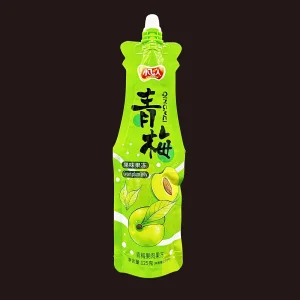
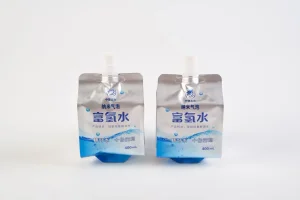
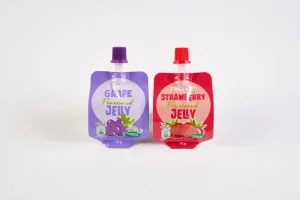
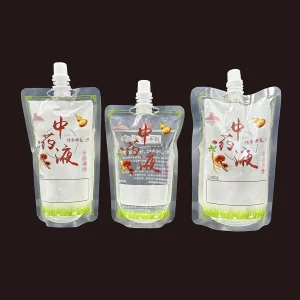
Stand-Up Spout Pouches PET / NY / AL / PE or PET / VMPET / PE 110μm - 136μm Liquid Cold Brew, Coffee Concentrates, Jelly Pasteurization Compatible
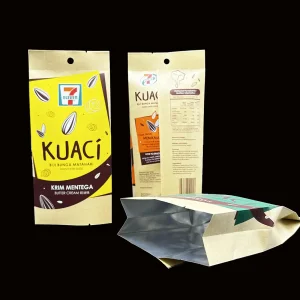
Vacuum Coffee Pouch PET / NY / AL / PE or Kraft Paper / VMPET / PE 115μm - 145μm Ground Coffee, Roasted Beans, Instant Powders Gas Flush / Vacuum Extraction
High-Temp Retort Pouches PET / AL / NY / RCPP 95μm - 120μm Ready-to-Drink Coffee, Dairy Beverages Steam Retort (121°C - 135°C)
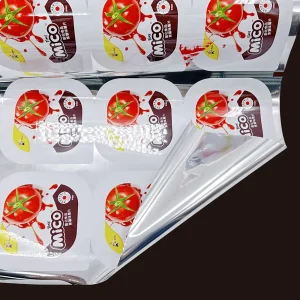
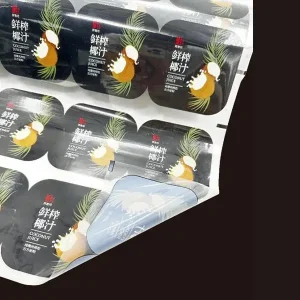
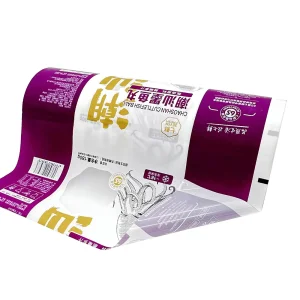
Automatic Roll Film PET / PE or PET / VMPET / EVA 70μm - 90μm Single-serve drip bags, cup sealing lids High-speed inline form-fill-seal

China Supply Chain Advantages & Technical Capabilities

Sourcing your packaging directly from China's leading manufacturers unlocks significant cost-to-performance ratios and production scaling capacities.

Modern GMP Production

Our GMP-certified workshops feature controlled environments that prevent microbial and particulate contamination, meeting strict safety guidelines for direct food-contact packaging.

Online Quality Defect Scanning

Equipped with computerized high-speed inspection cameras on our printing machines, we detect ink deviations, alignment errors, and material voids in real-time at 300m/min.

Comprehensive Structural Customization

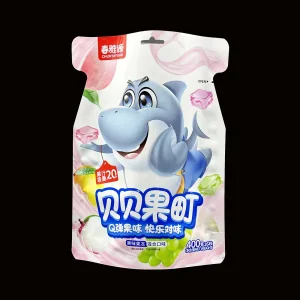
We supply a diverse array of form factors, including spout bags, retort bags, back sealing bags, three-side seal bags, stand-up pouches, quad-seal pouches, flat-bottom bags, zipper pouches, and customized roll films.

Global Sourcing Needs, Compliance, & Localization Support

For international buyers, importing custom packaging from China requires absolute confidence in local regulatory compliance and structural testing validation. Leading global coffee brands and food conglomerates look beyond low pricing, prioritizing consistent quality management systems and clear technical accountability.

Strict Compliance Standards for North America, Europe, & Japan

Dongfa Printing ensures that all laminated film materials meet food-contact safety regulations globally. Our raw material suppliers are fully certified, and we regularly test our final composite products for:

  • FDA Food Contact Compliance: Assuring that inner sealant layers (PE, CPP) do not transfer chemical compounds (plasticizers, monomers) to the beverage or coffee inside under high-temperature extraction or long storage periods.
  • EU Framework Regulation (EC) No 1935/2004: Providing full traceability profiles for our flexible packaging structures, ensuring raw materials are completely documented from polymer synthesis to the final pouch.
  • Heavy Metals & Phthalates Testing: Maintaining compliance with RoHS and local laws, ensuring zero migration of heavy metals or harmful additives into ground coffee or ready-to-drink beverages.

Localized Support and Integration

Global brands often require seamless integration with their automated packaging lines. Dongfa Printing provides customized technical support, including:

  1. COF (Coefficient of Friction) Optimization: Calibrating the outer and inner slip levels of our roll stock film to guarantee high-speed operation on vertical form-fill-seal (VFFS) machinery without jamming or tearing.
  2. Custom Gas-Valve Integration: Integrating one-way degassing valves onto vacuum pouches, allowing freshly roasted coffee to release carbon dioxide while preventing oxygen entry.
  3. Color Consistency Management: Using spectrophotometers to control ΔE color values, keeping brand colors uniform across production batches.

Future Trends in Vacuum Pack Coffee Packaging

The global packaging sector is undergoing a massive shift driven by environmental initiatives and smart tech integration. Coffee brands must balance their carbon footprint with the absolute necessity of maintaining high oxygen barriers. The industry is moving towards two major developments:

  • Recyclable Mono-Material Laminates: Traditional multi-material structures (such as PET/AL/PE) are difficult to recycle. Modern developments use MDO-PE (Machine Direction Oriented PE) laminated to barrier PE to create a single-polymer structure that can be recycled in PE streams while offering good barrier metrics.
  • Compostable High-Barrier Film Structures: Biodegradable materials like PLA (Polylactic Acid) and PBS (Polybutylene Succinate) combined with natural high-barrier coatings are emerging as alternatives for dry ground coffee with shorter shelf lives.

Our Cooperatives & Technical Partners

Collaborating with global brands and material suppliers to maintain industrial quality standards

Cooperative Partner 1
Cooperative Partner 2
Cooperative Partner 3
Cooperative Partner 4
Cooperative Partner 5

Local Application Scenarios & Industrial Implementation

Vacuum coffee packaging is utilized across multiple sectors of the market. Understanding these scenarios helps determine the correct structural configurations:

Specialty Roasters & Cafes

Typically require side-gusseted bags or flat-bottom pouches with integrated pull-tab zippers and one-way degassing valves, keeping whole beans fresh for up to 12 months.

RTD Coffee Beverages

Utilize stand-up spout pouches with a high-barrier aluminum or clear polymer laminate designed to withstand post-fill pasteurization, preventing ambient contamination.

Retail Instant Coffee Powders

Rely on automatic high-speed roll films (PET/VMPET/PE) for single-serve stick packs. These require reliable tear properties and clean sealing capabilities.

Technical Questions & Industry Answers (FAQ)

Q1: Why is Nylon (NY) often integrated into vacuum pack coffee pouch laminations?
A1: Nylon (BOPA) offers exceptional puncture resistance and flexibility. When ground coffee is vacuum-sealed, the particles compress and form hard, sharp edges. Without a Nylon layer, these sharp points can puncture the outer PET/PE layers during transit, causing vacuum loss. Nylon prevents these micro-punctures.
Q2: What is the main difference between using solid Aluminum Foil (AL) versus Metallized Polyester (VMPET)?
A2: Solid Aluminum foil provides a complete barrier to oxygen, moisture, and light, with transmission rates near zero. VMPET is a plastic film coated with a microscopic layer of aluminum. While VMPET offers excellent barrier properties and flexibility at a lower cost, solid Aluminum Foil remains the ideal choice for products requiring a shelf life of over 12 months.
Q3: Can these flexible pouches undergo autoclave or high-temperature retort processes?
A3: Yes. For retort applications (such as liquid coffee blends requiring sterilization), we construct pouches using specialized heat-resistant laminates, such as PET/AL/NY/RCPP. Retort Cast Polypropylene (RCPP) retains its seal integrity and structural bonding at temperatures up to 121°C–135°C without delaminating.
Q4: How does Dongfa Printing guarantee that no chemical migration occurs into the food contents?
A4: We construct all direct food-contact packaging inside a GMP-compliant workshop. We use premium, food-safe raw materials that meet FDA and EU regulations. We also employ solventless lamination processes and high-performance curing systems to ensure no chemical migration occurs.
Q5: What are one-way degassing valves, and are they necessary for vacuum-sealed coffee?
A5: Freshly roasted coffee releases carbon dioxide (CO2). In airtight vacuum packaging, this gas buildup can bloat or burst the bag. A one-way degassing valve allows CO2 to escape while preventing outside oxygen from entering, preserving the coffee's quality.