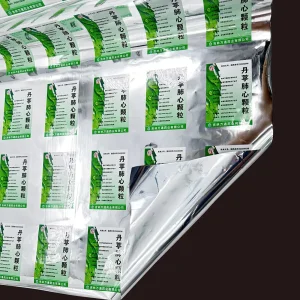
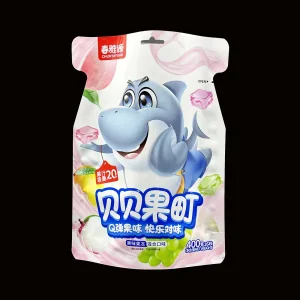
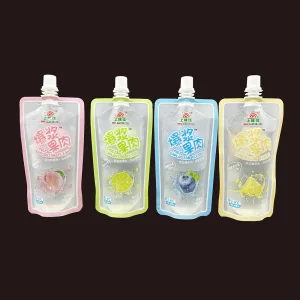
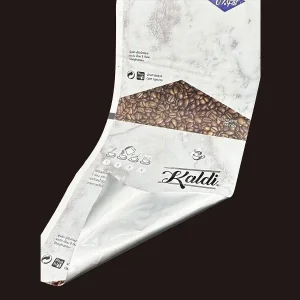
Explore our high-performance stand-up pouches, automatic barrier films, and retort-grade packaging engineered for agricultural products, beverages, and liquid logistics.
The global bean market, spanning dry agricultural legumes, bulk soybeans, specialty raw cocoa, and premium roasted coffee beans, has transitioned into a highly technical segment of the packaging industry. Historically treated as basic agricultural commodities packed in simple woven bags, modern commerce demands high-performance packaging matrices to combat volatile supply chain parameters. High-barrier films, modified atmosphere technologies, and structural pouch modifications are now baseline requirements to address the critical mechanisms of product degradation: oxidation, moisture ingress, lipid spoilage, and aroma loss.
In the wholesale arena, beans present unique physiological packaging challenges. Roasted coffee beans emit carbon dioxide (CO2) for weeks post-roasting, necessitating integrated one-way degasification valves to prevent package rupture while blocking incoming atmospheric oxygen. Conversely, raw agricultural beans and pulses require extreme puncture-resistant laminates to withstand the friction of high-speed filling, shipping vibration, and insect penetration during bulk distribution. As trade boundaries expand, manufacturing companies must supply packaging materials that comply with international phytosanitary, food contact, and waste reduction regulations, aligning with the EU Packaging and Packaging Waste Regulation (PPWR) and US FDA standards.
Currently, the wholesale packaging landscape is shaped by three key forces: material circularity, high-speed machine compatibility, and sterilization-ready retort solutions. First, brands are actively shifting away from conventional, non-recyclable multi-material laminate configurations (such as PET/AL/PE) toward mono-material designs (such as high-barrier Recyclable PE) and compostable cellulose-based composites. Second, the rise of automated packaging processes requires high-performance rollstock films that maintain low-seal-initiation temperatures and excellent hot-tack strength on Vertical Form-Fill-Seal (VFFS) systems. Finally, the growing demand for convenient, ready-to-eat bean products has accelerated the adoptability of retort packaging, requiring films that can endure autoclave steam sterilization up to 121°C without barrier delamination.
Understanding the material science behind advanced barrier structures, polymers, and thermal resistance capabilities.
Lamination of PET, VMPET, NY, and Aluminium (AL) prevents oxygen and moisture permeation, keeping beans, coffee, and liquid pure and aroma-stable.
Using Retort Cast Polypropylene (RCPP) allows our packaging to withstand 121°C steam sterilization without thermal shrinkage or delamination.
Every roll of film and spout bag is manufactured in our cleanroom workshop with inline optical quality inspection systems to ensure zero food-contact risk.
Industrial bean packaging is far from one-size-fits-all. Different geographical markets and application scenarios demand highly targeted structural and material modifications:
In mature markets like the US and Canada, coffee roasters require side-gusseted bags and flat-bottom pouches equipped with one-way degasification valves. These valves allow CO2 to escape from freshly roasted beans while preventing oxygen (O2) ingress. The structure typically utilizes a PET/VMPET/PE or a metal-free, high-barrier EVOH co-extruded substrate to support premium matte or tactile finishes that appeal directly to consumers.
European supermarkets are replacing traditional metal tin cans with high-barrier stand-up retort pouches for pre-cooked navy beans, kidney beans, and chickpeas. These packages must survive 121°C sterilization cycles under high pressure. The ideal material matrix is a four-layer composite (PET/AL/NY/RCPP), providing outstanding puncture resistance, gas barrier performance, and a low carbon footprint during transportation.
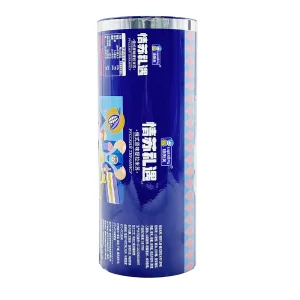
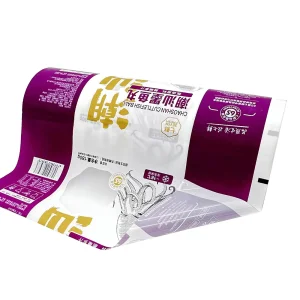
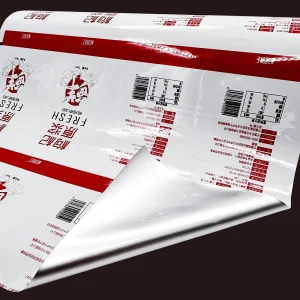
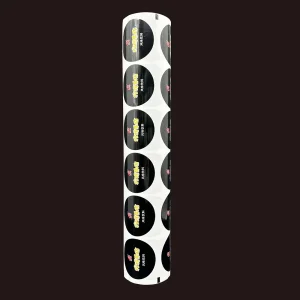
For agricultural exporters in regions like Vietnam and Indonesia, the focus shifts to bulk automatic packaging film rolls (such as PET/PE or BOPP/CPP). These rolls are run on high-speed VFFS machines to pack raw green coffee beans and dry mung beans. The film must exhibit low coefficient of friction (COF), static-dissipative properties, and robust thermal seal strength to maintain throughput speeds exceeding 80 bags per minute without sealing failures.
Looking to the future, the packaging sector is evolving toward intelligent and eco-friendly designs. Below is our engineering roadmap for beans and liquid packaging structures:
Phase 1: Pure Mono-Polymer Evolution - Transitioning current multi-layer composite structures to mono-material PE and PP laminates. This simplifies the recycling process while achieving OTR and WVTR ratings comparable to traditional metalized films through advanced vapor-deposited barrier coatings (Al2O3 / SiOx).
Phase 2: Intelligent Degasification and Quality Indicators - Incorporating smart color-changing sensors into degassing valves. These sensors detect inner volatile organic compounds (VOCs) and CO2 levels, letting consumers verify product freshness directly on retail shelves.
Phase 3: Circular Sourcing & Bio-based Raw Materials - Scaling the integration of Post-Consumer Recycled (PCR) polymers and bio-sourced PLA resins in food-grade packaging. This reduces reliance on petrochemicals while maintaining food safety standards.
Dongfa Printing Co., Ltd. has over 35 years of professional experience in printing and packaging manufacturing. We provide all kinds of packaging, specialize in the development and production of various liquid packaging films and bags, suitable for use in pasteurization and retort steam sterilization processes, as well as different types of spout bags and sealing cup films. Base on the printing machine with online quality inspection equipment and GMP workshop, we adhered to excellent materials, professional production and strict quality control. We can provide you superior products and best service.
Since its establishment, Dongfa Printing has been committed to providing customers with efficient and high-quality printing services. Our business scope covers the entire process from design, plate making to printing and binding. Whether it's commercial printing or personalized customization, we can fulfill customer needs with our professional technical skills and attentive service.
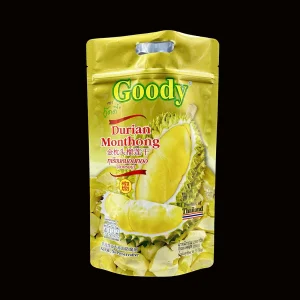
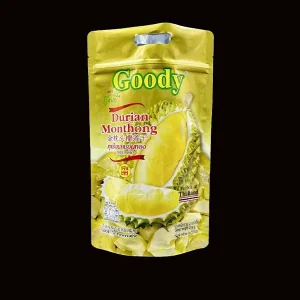
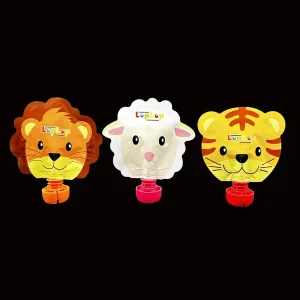
Our company is dedicated to producing custom flexible packaging for food, medicine, daily-use products, and chemical products. We offer a wide range of products, including spout bags, retort bags, back sealing bags, three-side seal bags, stand-up pouches, quad-seal pouches, flat-bottom bags, zipper pouches, and customized roll films. We consistently use high-quality materials for professional production and strict quality control.
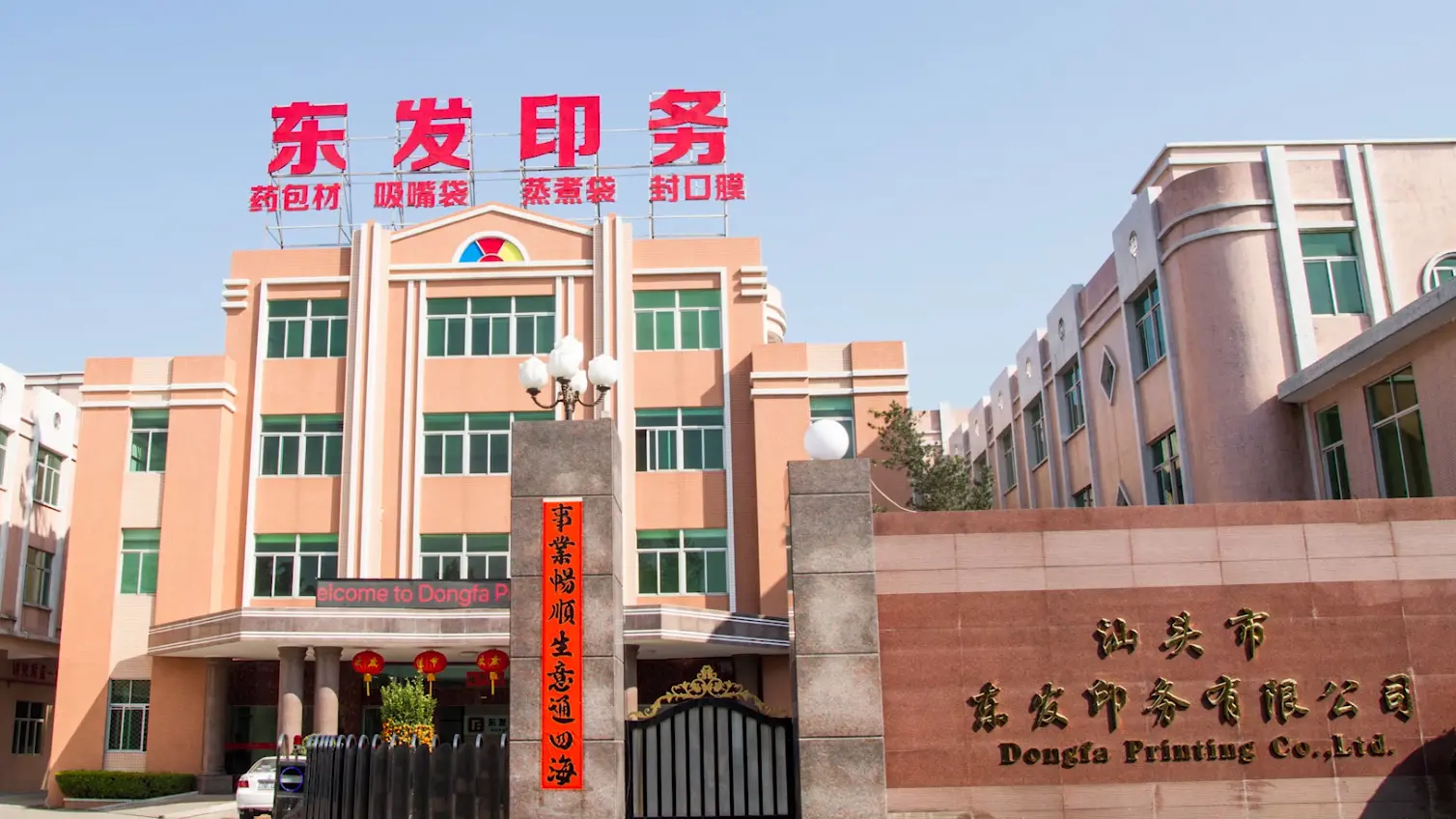
Our products are mainly exported to the Middle East, Southeast Asia, Africa, North America, and Japan, and have received widespread praise from customers. Dongfa Printing's corporate vision is to become a leading company in the printing industry. We strive for excellence, constantly innovate, and are dedicated to providing customers with better printing products and services. Additionally, we prioritize environmental protection and sustainable development, striving to reduce pollution and waste in the production process, and contributing to the harmonious development of society and the environment.
Our corporate values are "integrity, professionalism, innovation, and win-win." We uphold integrity as our foundation, professionalism as our basis, innovation as our driving force, and strive for win-win outcomes with customers, employees, and society. These values not only guide our business practices but also inspire our team to continuously move forward. We have a professional and knowledgeable team ready to serve you. We sincerely welcome you to visit our company for further business and cooperation opportunities!
Collaborating with top brands globally to deliver reliable packaging standards.
Get answers to common queries regarding material selection, high-barrier film setups, and processing compliance.
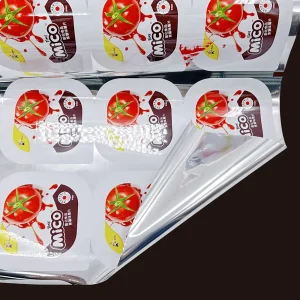
Explore our industrial rollstocks, retort packaging films, and specialized easy-tear cup sealing films.
 DongFa Printing