Analyzing the paradigm shift in preservation technology, barrier optimization, and B2B commercial dynamics.
The global coffee trade relies heavily on maintaining complex volatile organic compound profiles. Once roasted, coffee beans release carbon dioxide and immediately begin a process of degradation driven by oxygen exposure, moisture ingress, and ultraviolet light degradation. The industry's evolution from standard atmospheric bags to specialized Coffee Can Packaging and ultra-high-barrier composite flexible packaging is a testament to the modern requirements of extended shelf-life and sensory conservation.
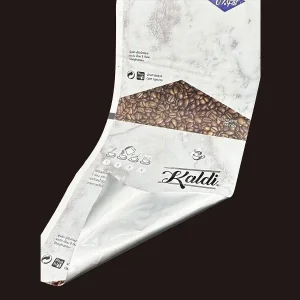
Historically, rigid tinplated steel or aluminum cans offered the pinnacle of barrier integrity, yielding an absolute barrier to gases, moisture, and light. However, the rise of the specialized flexible laminate packaging format—often categorized alongside modern can replacements—has revolutionized the global supply chain. Brands are increasingly adopting composite aluminum and metallized barrier pouch configurations because they combine the structural strength of rigid metal cans with the low freight carbon footprint of flexible plastics.
In retail and B2B industrial sourcing, "coffee can packaging" represents both traditional rigid containers and high-thickness laminated structures that perform identical protective functions. Commercial roasters analyze materials from an analytical standpoint: oxygen transmission rates (OTR) and water vapor transmission rates (WVTR) must approach zero. Utilizing structures like PET/AL/PE or PET/VMPET/PE allows factories to achieve barrier parameters identical to metal cans, but at a fraction of the cost, weight, and volume before filling.
Comprehensive comparative breakdown of common laminations and their specific physical barrier attributes.
| Material Structure | Common Thickness | Barrier Efficiency (OTR/WVTR) | Primary Industrial Use Case | Sterilization Compatibility |
|---|---|---|---|---|
| PET + AL + PE | 90μm - 120μm | Extremely High (< 0.1 cc/m²/day) | Premium Whole Bean & Fine Grind Export Pack | Standard Ambient Nitrogen Flush |
| PET + VMPET + PE | 88μm - 110μm | High (< 0.5 cc/m²/day) | Commercial Retail Packs & Instant Coffee Powders | Standard Fill / Vacuum Sealing |
| NY + CPP (Nylon + Cast PP) | 80μm - 105μm | Medium-High (Tensile Strength Focus) | Retort and Heavy-Duty Liquid Filling Pouches | High Temp Pasteurization / Retort Steam |
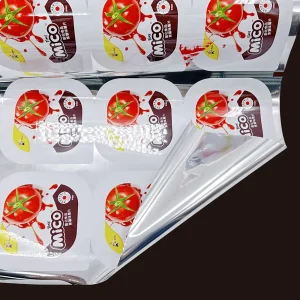
| PET + VMPET + EVA | 50μm - 75μm | Medium Barrier / Excellent Heat Seal | Top Sealing Cup Films for Pods & K-cups | Lidding Sealing Solutions |
As detailed above, selection of the proper material laminate is dictated by the chemical characteristics of the product. Roasted coffee releases substantial amounts of carbon dioxide (CO2). If packaged in a completely hermetic container without a one-way degassing valve, the container will balloon and structural seams will fail. Dongfa Printing’s high-barrier composite materials, including our China Coffee Powder Aluminum Composite Film, are designed to integrate seamlessly with degassing valve technology, ensuring structural integrity and volatile preservation.
Aluminum composite films block oxygen transmission down to <0.05 cc/m²/day, ensuring coffee oils do not undergo lipid oxidation.
Integrating high-speed digital optical camera arrays on our rotogravure presses ensures 100% inspection of ink laydown and film integrity.
Laminations engineered to endure pasteurization and high-pressure retort sterilization temperatures without delamination.
Unpacking the supply chain integration, technological infrastructure, and cost efficiencies of the Chinese industrial base.
Global procurement managers face intense pressure to manage cost of goods sold (COGS) while upgrading packaging aesthetics. China’s packaging sector, led by experienced hubs like Dongfa Printing Co., Ltd., operates on scale principles that are unavailable to regional converters in Europe or North America. By centralizing raw polymer sourcing, plate making, high-speed rotogravure printing, dry/solventless lamination, bag making, and inline spout-insertion, Chinese factories dramatically reduce overhead costs.
Furthermore, China’s industrial ecosystem includes advanced machinery builders. This allows local manufacturers to run late-generation extrusion and slitting machines that maintain mechanical film tension with micron-level precision, reducing edge curling and film stretching during fast packaging lines.
Sourcing directly from a highly specialized factory translates to compressed lead times. With advanced plate-making facilities on site, the design-to-press loop is reduced from weeks to mere days. This speed is crucial for global FMCG coffee brands launching seasonal SKUs or regional promotions. Furthermore, strict adherence to global standards (ISO 9001, FDA food contact certifications, GMP workshops) ensures that the output is compatible with standard fast-filling lines in North America, Western Europe, and Japan.
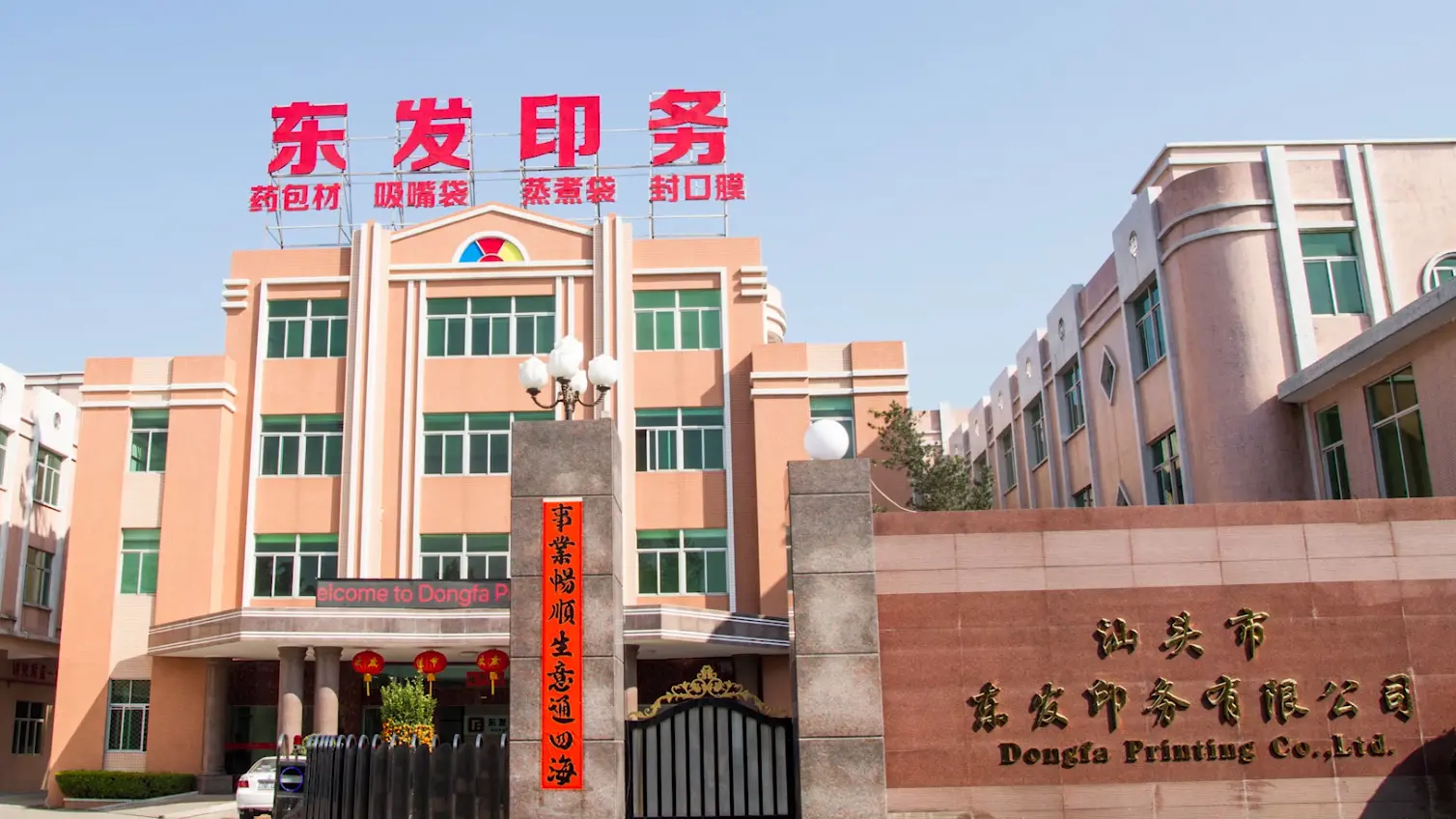
Dongfa Printing Co., Ltd. has over 35 years of professional experience in printing and packaging manufacturing. We provide all kinds of packaging, specialize in the development and production of various liquid packaging films and bags, suitable for use in pasteurization and retort steam sterilization processes, as well as different types of spout bags and sealing cup films.
Based on our high-speed printing machinery equipped with online quality inspection systems and our state-of-the-art Good Manufacturing Practice (GMP) workshop, we adhere strictly to premium material sourcing, expert operational standards, and strict quality control. We can provide you superior products and best service.
Our Comprehensive Service Capabilities: Since our establishment, we have been committed to providing our worldwide customers with efficient and high-quality printing services. Our business scope covers the entire process from design, plate making to printing and binding. Whether it's commercial high-volume printing or customized low-MOQ runs, we fulfill your technical needs with professional skills and attentive customer service.
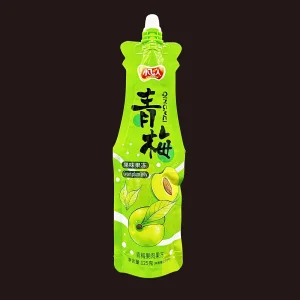
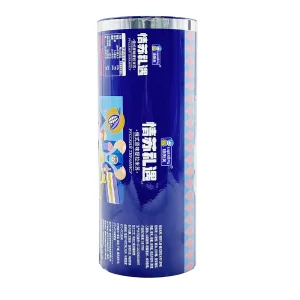
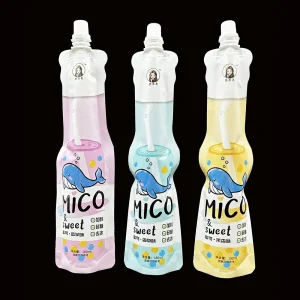
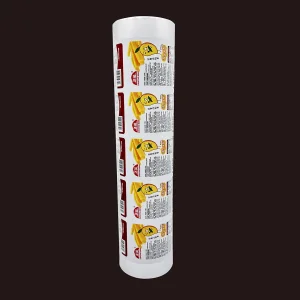
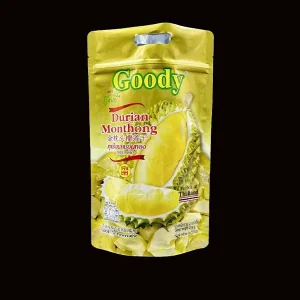
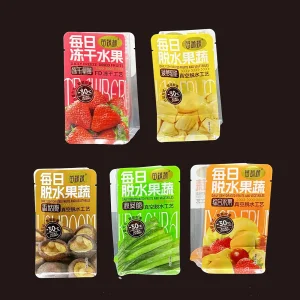
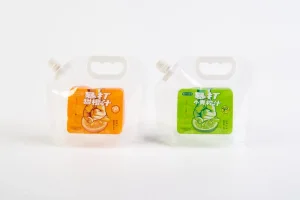
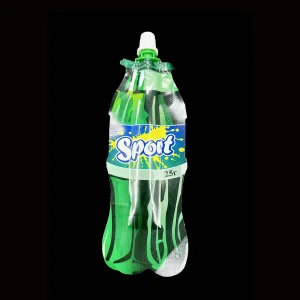
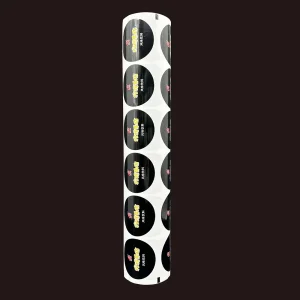
Our company is dedicated to producing custom flexible packaging for food, medicine, daily-use products, and chemical products. We offer a wide range of products, including spout bags, retort bags, back sealing bags, three-side seal bags, stand-up pouches, quad-seal pouches, flat-bottom bags, zipper pouches, and customized roll films. We consistently use high-quality materials for professional production and strict quality control.
Our products are mainly exported to the Middle East, Southeast Asia, Africa, North America, and Japan, and have received widespread praise from customers. Dongfa Printing's corporate vision is to become a leading company in the printing industry. We strive for excellence, constantly innovate, and are dedicated to providing customers with better printing products and services.
Additionally, we prioritize environmental protection and sustainable development, striving to reduce pollution and waste in the production process, contributing to the harmonious development of society and the environment.
"Integrity, Professionalism, Innovation, and Win-Win"
How regional regulations and consumer habits drive different packaging requirements across global hubs.
High demand for shelf-stable cold brew liquid bag-in-box and custom flat-bottom coffee stand-up pouches with integrated zippers. Sustainability certification is highly prioritized.
Strong demand for individual 3-in-1 coffee powder stick packs, heat-sealed cup film roll stock for RTD beverages, and heavy-gauge bulk storage valve pouches.
Requires flawless surface printing quality, high-barrier NY/CPP retort structures for RTD coffee cans/pouches, and micro-tolerance dimensional stability for high-speed filling lines.
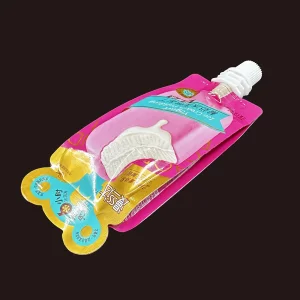
In addition to geographical preferences, localized application scenarios depend heavily on packaging sterilization. Ready-to-drink (RTD) iced coffees, lattes, and jelly-beverage blends must undergo pasteurization or high-pressure steam retort processes to achieve stable ambient storage. Our spout pouches, constructed from specialized NY+CPP laminates with custom heat-resistant sealants, are specifically designed to survive these thermal cycles without experiencing seal degradation or physical leakage.
Expert answers addressing MOQ, material certifications, design customization, and logistics workflows.
Reach out directly to our packaging engineering team for specialized recommendations on materials, dimensions, and custom printing layouts.
Request a Factory Quote DongFa Printing