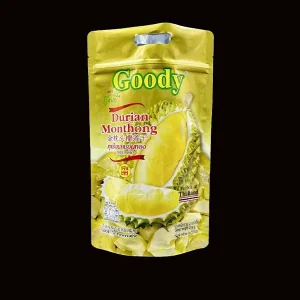
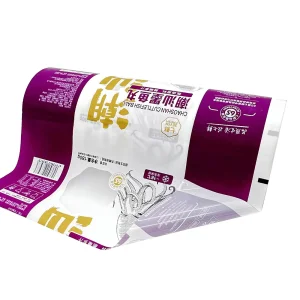
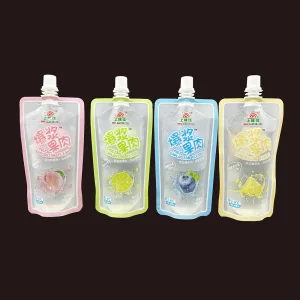
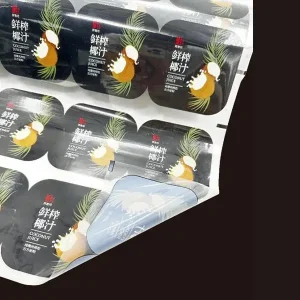
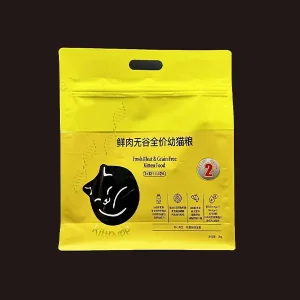
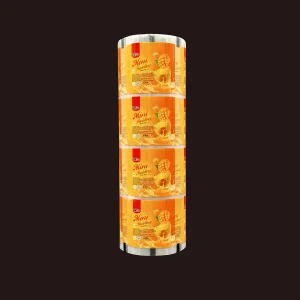
Explore our flagship catalog of high-performance laminate materials, specialized degassing pouches, and automated custom-printed roll stocks engineered for global beverage & coffee brands.
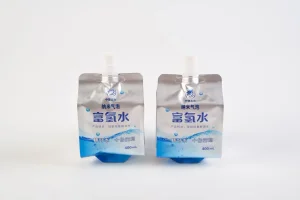
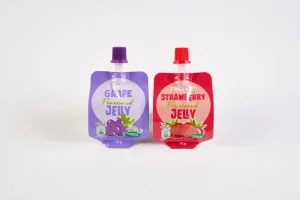
In the modern commercial landscape, coffee packaging is no longer a simple container—it is a critical, scientifically engineered component of the product's quality maintenance system. As coffee roasters scale from regional boutique businesses to international distribution, the choice of materials, structure, and aesthetics determines the brand’s retention of key volatile aromatic compounds.
Proper wholesale coffee packaging designs must mitigate four primary environmental threat vectors: oxygen ingress, moisture contamination, UV light exposure, and mechanical degradation during transit. Without engineered barrier systems, roasted coffee beans release carbon dioxide (CO2) rapidly while oxidizing, turning stale within days. By integrating specialized degassing valves and multi-layer polymer laminate films, factories ensure roasters can deliver peak freshness to the consumer.
When searching for a B2B packaging manufacturer, procurement officers look beyond basic aesthetic options. They require specialized solutions like structural stability (flat bottom and stand-up formats), thermal resistance for gas-flush operations, and high-barrier structures like PET/AL/NY/PE laminations. Understanding this technical need allows our factories to match exact material configurations with specific roasting profiles, guaranteeing optimal shelf life and performance.
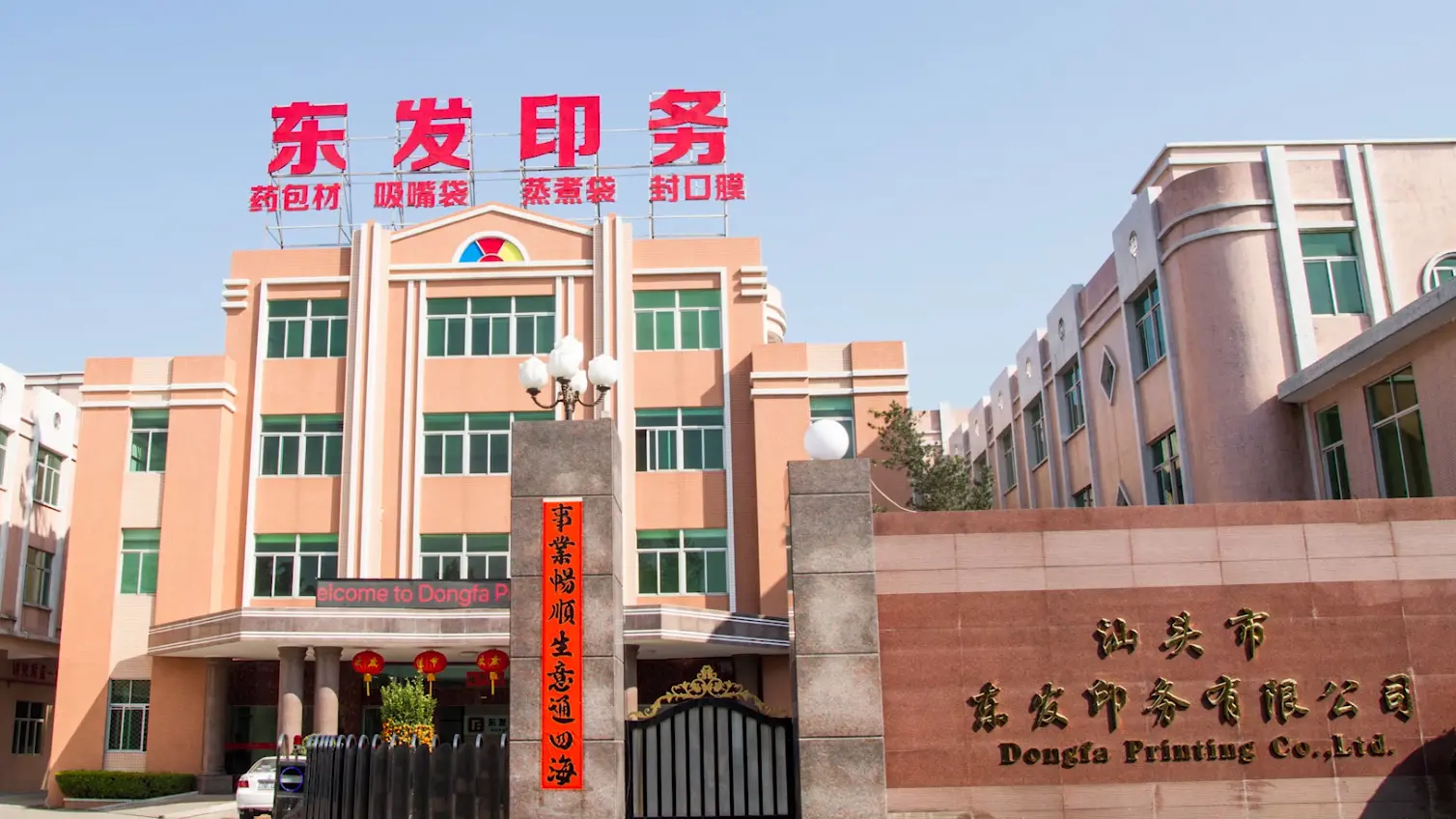
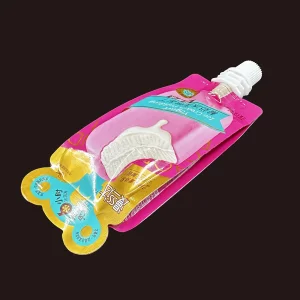
With over 35 years of professional experience, we are a leading developer and manufacturer of advanced liquid packaging films, pasteurization/retort steam sterilization pouches, spout bags, and high-barrier coffee packaging designs.
Our production facilities operate under strict Good Manufacturing Practices (GMP). This clean-room protocol ensures zero contamination risk, meeting the stringent hygiene requirements of food-contact regulations across the US, Europe, and Japan.
Using real-time vision inspection systems integrated into our high-speed rotogravure printing presses, we detect and filter micro-defects instantly, maintaining printing accuracy and color fidelity across million-unit wholesale runs.
We work with a broad array of flexible packaging materials including PET, PET, NY, AL, RCPP, and eco-friendly EVOH co-extrusions, creating tailored barrier systems matching the unique physical properties of your product.
In wholesale coffee packaging, the structural barrier configuration is key to protecting whole roasted coffee beans or ground powder from oxidation. Freshly roasted coffee releases significant amounts of CO2, which can cause airtight bags to swell and burst if not managed properly. To counter this, specialized degassing valves are integrated. These valves allow CO2 to escape while blocking exterior oxygen from entering.
For high-volume retail and logistics, dynamic laminated film structures are designed to provide custom physical properties, mechanical strength, and chemical resistance:
| Film Layer Structure | Typical Thickness | Barrier Level (OTR / WVTR) | Primary Industrial Application |
|---|---|---|---|
| PET + PE (Polyethylene) | 80μm - 100μm | Medium Barrier | Fast-moving retail coffee beans, daily consumption packs. Excellent clarity and sealability. |
| PET + AL + PE | 90μm - 120μm | Ultra-High Barrier | Premium whole bean specialty coffee. Aluminum provides complete light and gas isolation. |
| PET + AL + NY + RCPP | 110μm - 140μm | Extreme Retort Grade | Liquid coffee concentrates, RTD beverages requiring thermal sterilization up to 121°C. |
| MOPP + VMPET + PE | 100μm - 130μm | High Barrier | Matte-finish commercial coffee bags. Provides high aesthetic value with solid shelf-life. |
Oxygen Transmission Rate (OTR) and Water Vapor Transmission Rate (WVTR) are the primary metrics used to determine packaging efficiency. A laminate combining PET (for tensile strength and printability), Aluminum Foil (for total gas and light block), and Nylon (for puncture resistance) yields near-zero gas transfer rates. This maintains the aromatic oils inside the coffee beans, preventing them from turning rancid over months of logistics and storage.
Dongfa Printing's state-of-the-art facilities in China leverage localized ecosystem integration, allowing us to source premium resins and foils efficiently. This localized vertical integration translates directly into cost advantages for global wholesale buyers. By operating advanced, high-speed automated extrusion and slitting machinery, we maintain tight lead times while optimizing material yields.
Navigating different food contact material regulations is a major challenge for modern B2B buyers. Our manufacturing processes strictly comply with global food safety standards, including FDA standards, EU Regulation (EC) No 1935/2004, and Japan’s Food Sanitation Act. We provide complete chemical testing documentation, material safety data sheets (MSDS), and certifications for export compliance, ensuring smooth customs clearance and regulatory approval.
Our logistics network covers key regions, including North America, Europe, the Middle East, Southeast Asia, and Africa. We offer end-to-end transport support, from port-to-port shipping to local warehousing coordination, ensuring consistent supply chains for your roasting facilities.
As brands prioritize environmental sustainability, the packaging industry is moving toward green, recyclable alternatives. The main challenge has been replacing classic multi-material metallic films with recyclable structures that still offer comparable barrier protection.
Our R&D roadmap focused on developing mono-material laminates (such as all-PE or all-PP structures) and biodegradable films (such as PLA-based layers) integrated with compostable degassing valves. These modern materials offer excellent barrier metrics while matching standard recycling stream requirements, helping brands lower their carbon footprint without sacrificing product freshness.
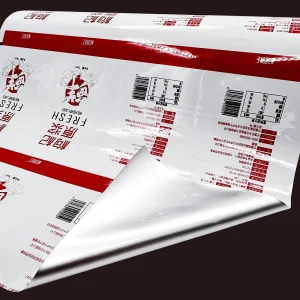
Review our specialized range of high-barrier laminate film rolls, easy-tear cup sealers, and high-temperature retort solutions built to withstand extreme thermal conditions.
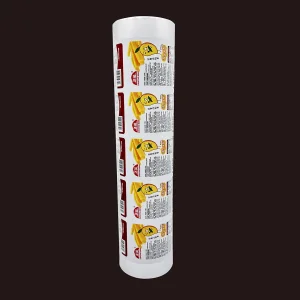
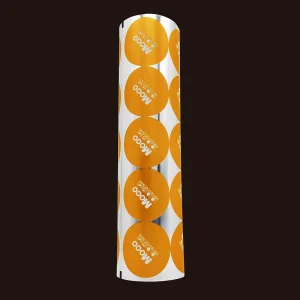
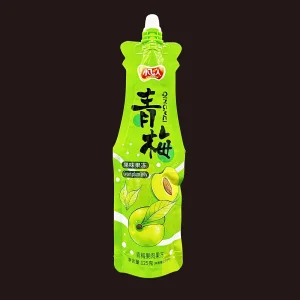


B2B buyer FAQs regarding structural design, barrier selection, and manufacturing protocols.
After roasting, coffee beans release carbon dioxide (CO2) for days. If sealed in an airtight bag without a valve, the accumulated gas will cause the pouch to swell and potentially burst. The one-way valve allows internal CO2 to escape while preventing external oxygen from entering, protecting the beans from oxidation and rancidity.
For high-end specialty coffee requiring a shelf-life of 12 to 24 months, a tri-laminate structure like PET / AL / PE or PET / NY / AL / PE is recommended. The aluminum (AL) layer provides an absolute barrier to light, oxygen, and moisture, while Nylon (NY) adds puncture resistance for shipping.
We utilize advanced high-speed rotogravure printing presses equipped with integrated online visual inspection systems. This technology detects and flags print discrepancies or micro-defects in real-time, ensuring color accuracy and registration consistency throughout long production runs.
Yes. We offer eco-friendly packaging alternatives, including mono-material PE/PE structures and metal-free EVOH high-barrier laminates. These configurations provide excellent barrier properties while remaining compatible with regional plastic recycling streams.
 DongFa Printing