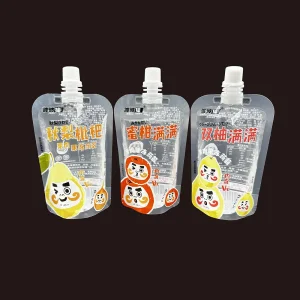
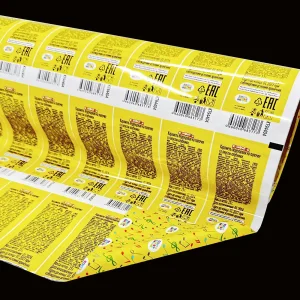
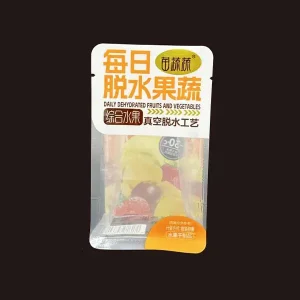
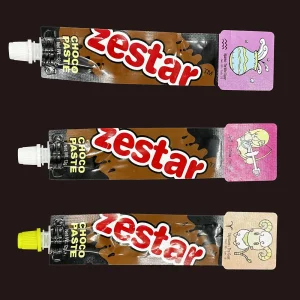
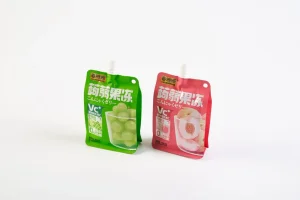
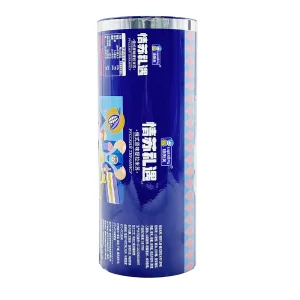
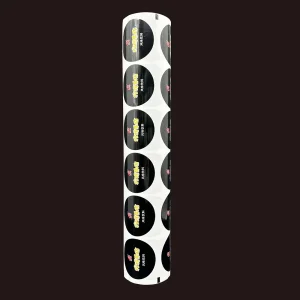
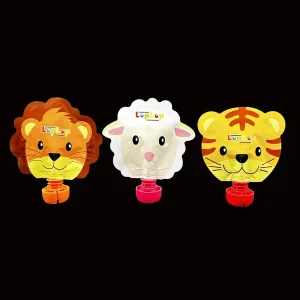
Explore our high-performance liquid packaging pouches, high-barrier medical films, and automated roll stock designed to optimize shelf life and processing efficiency.
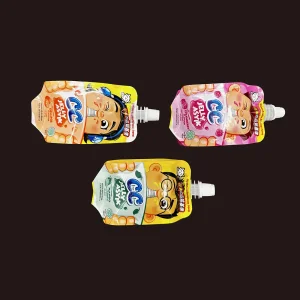
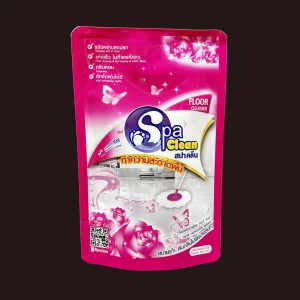
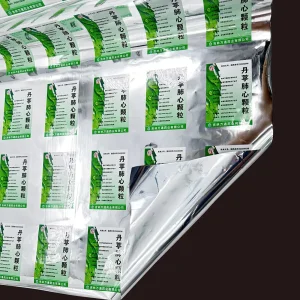
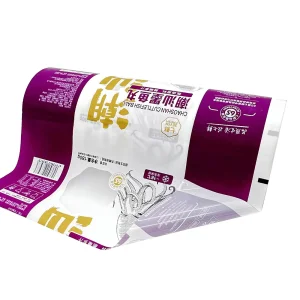
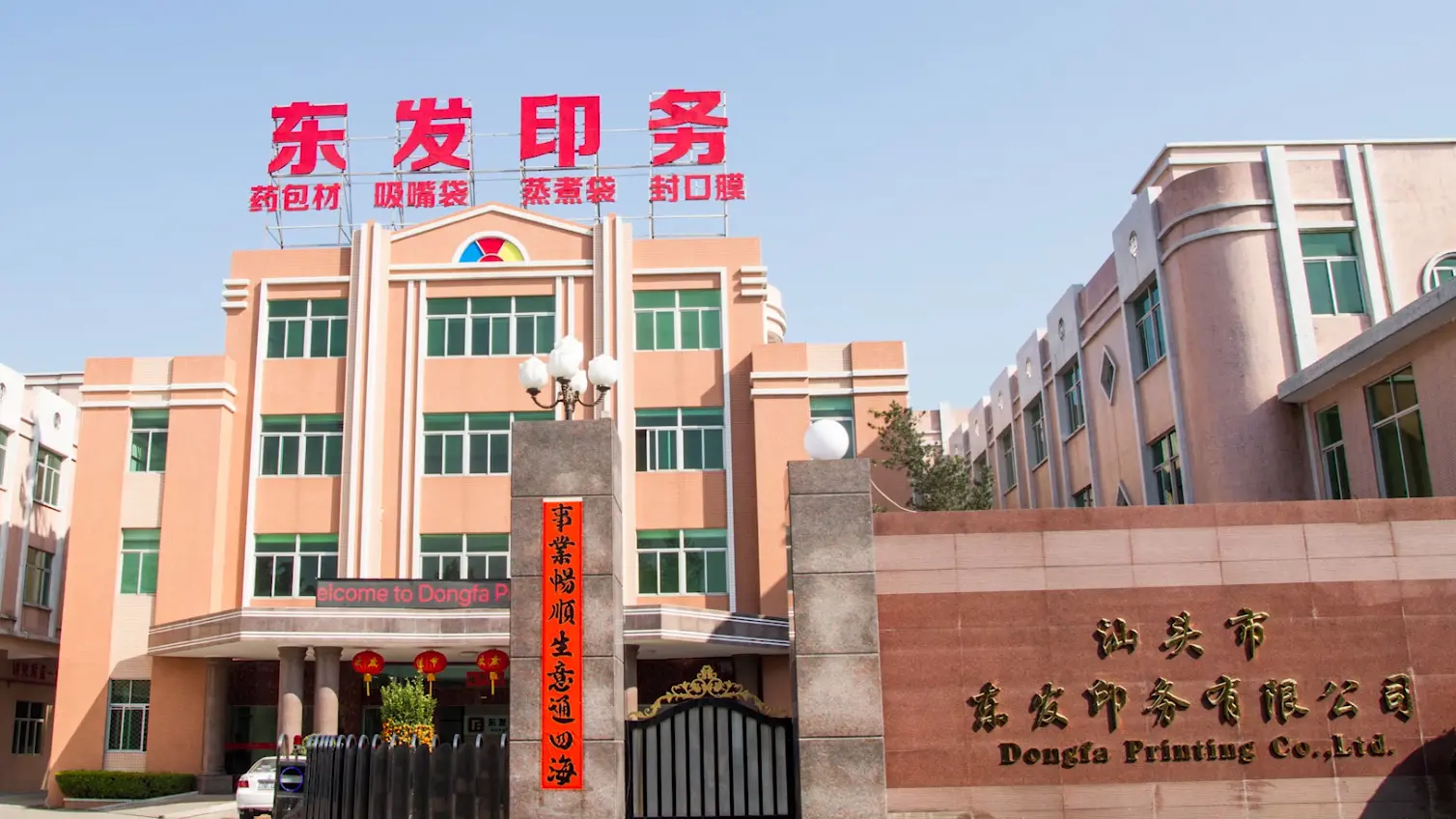
Dongfa Printing Co., Ltd. brings over 35 years of professional printing and packaging manufacturing expertise. Operating out of state-of-the-art facilities equipped with ISO-compliant clean rooms, GMP workshops, and online optical quality inspection hardware, we deliver tailored flexible packaging architectures for the food, pharmaceutical, and chemical industries.
We specialize in structural laminates optimized for retort steam sterilization, aseptic processing, and thermal processing (pasteurization). Our high-barrier polymers ensure zero-defect packaging of highly sensitive compounds, preventing volatile organic compounds (VOCs) leakage while extending product life cycles.
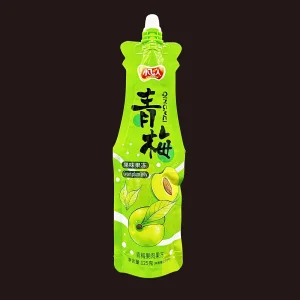
Industrial transition from rigid materials to lightweight flexible barrier laminates is driving structural logistics savings and carbon footprint reductions across global supply chains.
Modern retail and industrial logistics prioritize high volume-to-weight packaging ratios. The traditional box or glass container has increasingly yielded share to flexible stand-up structures, and more specifically, the Flat Bottom Stand Up Pouch (also known as the box pouch or block bottom pouch). This package type combines the structural stability of a box with the weight reductions and printability of a flexible bag.
Dongfa Printing's structural engineering teams design packaging systems that minimize overall material usage by up to 40% relative to traditional containers, resulting in proportional logistics savings during transport. Furthermore, our flat bottom packaging solutions allow for five distinct panels of printable space, substantially increasing billboard impact on store shelves and enhancing consumer-facing marketing avenues.
To ensure high shelf stability and flavor preservation, we manufacture customized multi-layer structures. These structures are built from advanced barrier polymers (PET, Nylon, PE, CPP, and Aluminum foil) depending on thermal demands and the product's chemical characteristics.
| Structural Profile | Primary Applications | Key Properties | Temperature Thresholds |
|---|---|---|---|
| PET / NY / PE | Daily chemical liquids, heavy goods | Excellent puncture resistance, seal strength | Up to 100°C (Pasteurization) |
| PET / AL / NY / CPP | Ready-to-eat meals, medical, long shelf-life | Zero gas transmission, UV barrier, high oil resistance | 121°C - 135°C (Retort sterilization) |
| NY / PE (High Barrier) | Liquids, cold chain, pet food packaging | Flexible, transparent, low oxygen permeability | Sub-zero storage to 90°C |
| OPP / Kraft Paper / PE | Organic foods, premium tea, dry powders | Natural tactile feel, moderate vapor barrier | Dry goods storage only |
For applications such as wet pet food, pharmaceutical products, and liquid baby food, our materials survive the rigorous pressures of retort autoclaves. Through precise selection of high-temperature-tolerant aliphatic polyurethane adhesives, we eliminate the risk of delamination under pressures of up to 0.3 MPa and sterilization cycles running at 135°C for over 30 minutes.
Operating a centralized modern plant in China, Dongfa Printing is an active exporter to key international markets, including the Middle East, Southeast Asia, Africa, North America, and Japan. Our production floor hosts high-speed 10-color rotogravure printing presses and solventless lamination machinery that significantly reduce VOC emissions during fabrication.
By leveraging an efficient raw material procurement network, we secure top-grade resins and foils that guarantee consistent barrier metrics. This systematic procurement keeps our pricing competitive for wholesale distribution, and our production capacity accommodates orders ranging from custom boutique configurations to millions of units for international retailers.
Dongfa Printing maintains stringent quality controls that comply with international regulatory frameworks, including FDA food contact guidelines, EFSA specifications, and localized Japanese environmental laws. Understanding the complexities of cross-border customs and product compliance, we offer complete documentation verification, certifying that all films are bisphenol A (BPA) free and plasticizer compliant.
Our research and development program currently prioritizes the circular economy. We are developing monomaterial structures (all-PE laminates) that can be fully recycled within standard municipal waste collection processes, replacing multi-polymer barriers that are difficult to process.
Additionally, we are exploring PLA (polylactic acid) and paper-based high-barrier coatings to offer direct biodegradable alternatives for dry food products. These materials match the barrier properties of traditional metalized films while decomposing in industrial composting facilities within 180 days.
Our core values—Integrity, Professionalism, Innovation, and Win-Win outcomes—drive our day-to-day operations and business relationships.
We build trust through transparent communications, rigorous specification compliance, and reliable lead-time execution.
Our technicians bring decades of combined polymer science and high-precision converting expertise to every production run.
We actively invest in sustainable barrier research, co-developing high-yield, eco-friendly packages with our global client base.
Technical guidance from our senior production team regarding material tolerances, structural specifications, and food-grade compliance.
A standard stand-up pouch uses a bottom gusset (Doyen or K-seal design), which expands as product is filled. When empty, it lies flat. A Flat Bottom Pouch (or box pouch) features a completely flat, rectangular base and four vertical sides. This configuration ensures superior vertical stability, even when filled with lightweight or low-density products, and maximizes the volume efficiency inside shipping cartons by eliminating wasted corner space.
Yes. We engineer customized laminate films incorporating Cast Polypropylene (CPP) or Biaxially Oriented Nylon (BON) along with high-grade polyurethane adhesives. This enables our packaging to withstand retort temperatures ranging from 121°C to 135°C under high pressure without risk of delamination, pouch bursting, or structural deformation. Our retort pouches are widely used for ready-to-eat foods, broths, and nutritional purees.
All raw materials (polymers, inks, and adhesives) are food-grade and comply with FDA (US Food and Drug Administration) and EFSA (European Food Safety Authority) contact regulations. Our GMP production facilities maintain strict temperature and humidity controls to ensure complete curing of adhesives. We run batch-level tests using gas chromatography to confirm that residual solvents are kept well below national limit thresholds (typically < 5mg/m²).
For custom printed bags using rotogravure presses, the standard MOQ typically ranges from 10,000 to 20,000 pieces per design, depending on the pouch size and material structure. Lead times average 15 to 21 days from digital proof sign-off and cylinder engraving to port dispatch. We also offer plain, unprinted packaging or label-applied configurations for pilot-scale batches and market testing.
For oil-heavy foods like kibble or dog treats, we recommend a laminate that includes a Nylon layer (PET/NY/PE or PET/AL/NY/PE). Nylon provides high puncture resistance and acts as an effective oil barrier, preventing grease from migrating to the outer PET layer. This ensures the packaging design remains legible and prevents the film from feeling greasy to consumers.
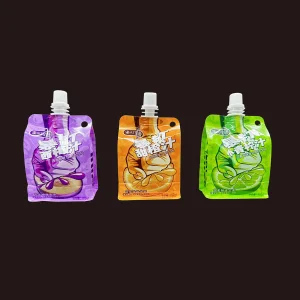
Explore our liquid-filling films, custom-shaped pouches with fitments, and easy-tear sealing films for commercial packaging systems.
 DongFa Printing