Explore our engineering-first product line, designed to meet the strict demands of global regulatory standards, retort pasteurization, and advanced barriers.
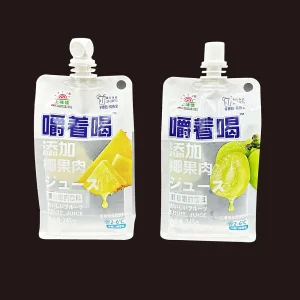
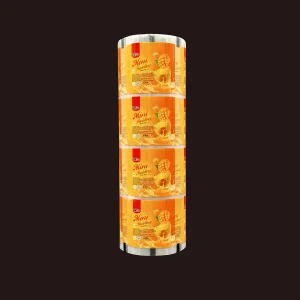
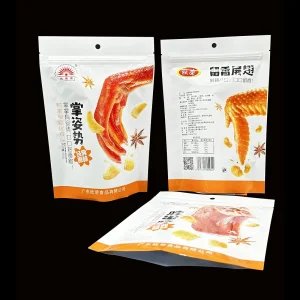
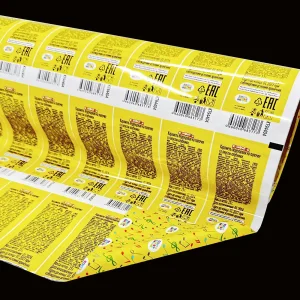
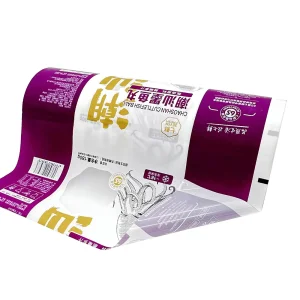
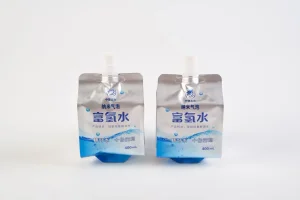
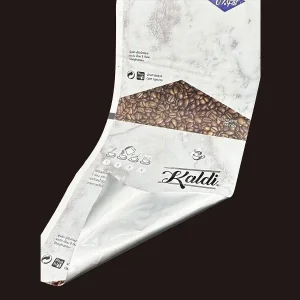
The modern packaging landscape has witnessed a definitive shift from traditional rigid packaging (like glass jars, tin cans, and rigid plastic tubs) to flexible stand-up pouches. Driven by macroeconomic shifts in consumer convenience, logistics optimization, and sustainability initiatives, the global demand for food stand-up pouches continues to surge. In 2024, stand-up packaging is no longer just a superficial branding choice—it is a critical element of global food preservation, shelf-life extensions, and shipping efficiency.
Stand-up pouches, particularly when designed for high-barrier food protection, integrate advanced polymer science. By minimizing packaging weight by up to 70% compared to rigid formats, they drastically cut carbon emissions during transport. This reduction in packaging mass translates directly to reduced logistics expenses, making bulk imports from specialized manufacturing hubs like China highly economical for global brands.
By shipping empty flat pouches instead of bulky rigid containers, companies reduce their outbound logistics costs and warehousing space requirements up to 85% before product filling.
Multi-layer high-barrier structures shield organic products from oxygen, light, and water vapor transmission, dramatically extending shelf stability without added preservatives.
Modern recyclability and post-consumer recycled (PCR) resin technology are turning standard multi-layer films into eco-compliant solutions that meet strict EU and FDA regulations.
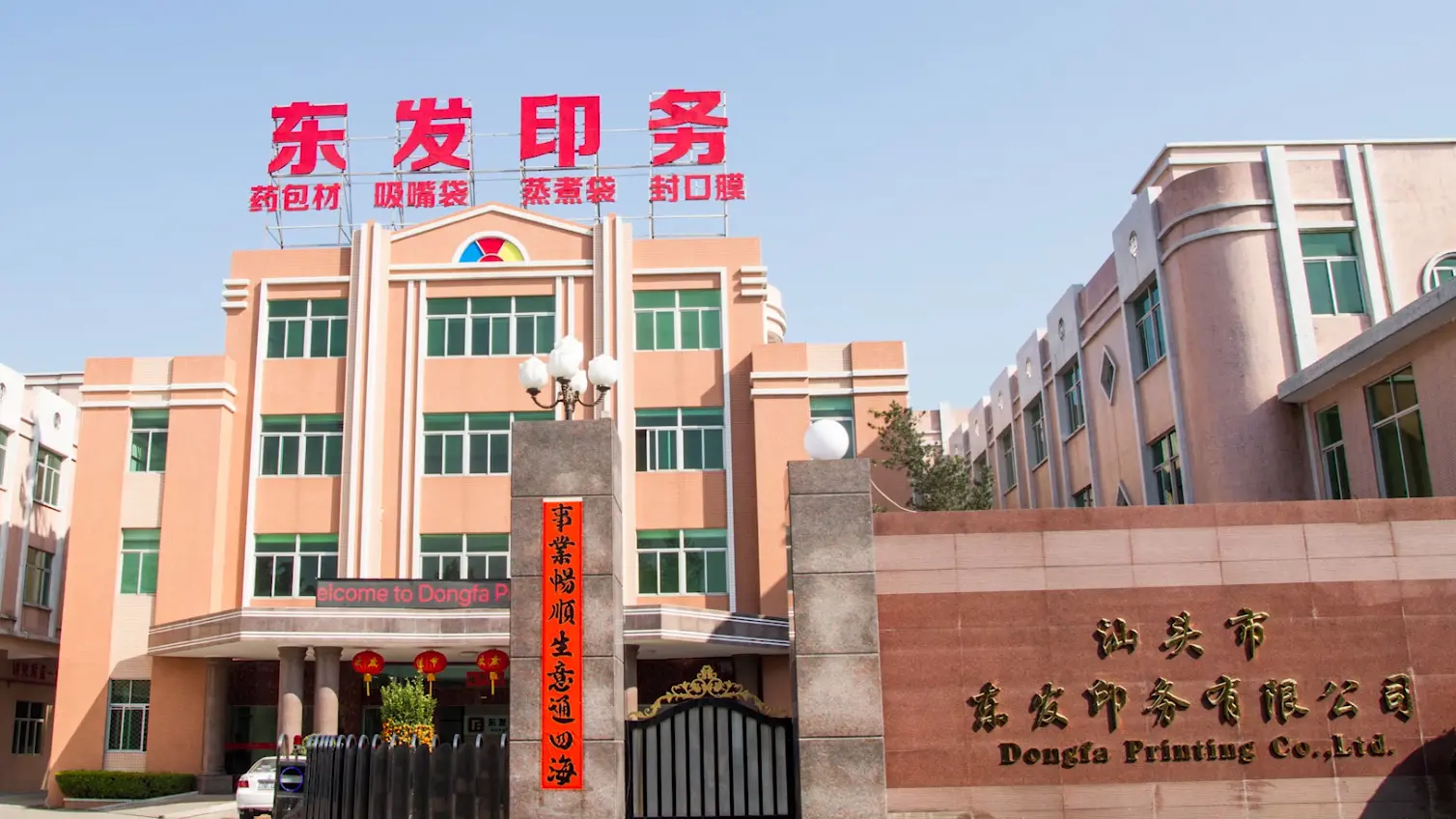
Dongfa Printing Co., Ltd. stands as a premier manufacturer of customizable flexible packaging with over 35 years of professional experience. Our operations specialize in the production of high-performance liquid packaging films and stand-up pouches designed for pasteurization and high-pressure retort steam sterilization processes.
Operating out of a state-of-the-art GMP workshop, Dongfa ensures every batch of packaging materials conforms to rigorous safety protocols. Our advanced manufacturing line features high-speed gravure printing presses integrated with online quality inspection equipment. By utilizing real-time cameras and AI-assisted alignment algorithms, we identify and discard printing defects, pinholes, and substrate variations instantly, guaranteeing a flawless finished product.
We produce customized packaging solutions for diverse verticals: stand-up spout bags, high-performance retort pouches, back sealing bags, three-side seal bags, quad-seal pouches, flat-bottom bags, and high-efficiency roll films. Our values of "integrity, professionalism, innovation, and win-win" drive us to provide superior products and responsive services to partners globally.
To secure a reliable packaging integrity system, understanding film lamination chemistry is paramount. A single-layer plastic bag is porous on a molecular scale, letting moisture and oxygen degrade organic goods. To prevent this, Dongfa employs co-extruded laminates. The barrier layers are selected meticulously according to the food product's physical state (liquid, granular, powder, acid level) and sterilization profile.
Commonly used as the outermost layer. PET provides excellent gloss, high mechanical tensile strength, temperature resistance, and a superior canvas for gravure printing.
Crucial for puncture resistance and puncture propagation mitigation. Highly recommended for liquid packaging, sharp-edged foods, or pouches undergoing thermal retort stress.
Provides a near-zero OTR (Oxygen Transmission Rate) and WVTR (Water Vapor Transmission Rate). Essential for light-sensitive compounds, high-fat foods, and extended long-term storage.
The food-contact sealant layer. PE offers high low-temperature flexibility and seals, while CPP (Cast Polypropylene) is utilized when high-temperature retort resistance (up to 135°C) is required.
For products like liquid beverages, yogurt pouches, or industrial sauces, the integration of physical spouts simplifies dispensing. A proper union between the polyethylene spout and the laminate barrier requires a matching melt index in the co-polymer matrices to avoid micro-channel leaks—a manufacturing detail Dongfa has refined over three decades of material research.
Global procurement directors face a delicate balancing act of cost control, structural quality, and logistical predictability. Sourcing from our manufacturing center in China presents distinct competitive advantages:
A "one-size-fits-all" approach to packaging can lead to catastrophic seal failure or under-engineered cost inefficiencies. The application requirements change based on localized and environmental conditions:
Products like fruit purees, organic baby food, and functional beverages undergo heat sterilization (pasteurization or retort). This requires special high-temperature inks, retort-grade adhesives, and a high-barrier composite structure (PET/NY/AL/CPP) that preserves taste integrity without refrigeration.
Roasted coffee beans off-gas CO2 and are highly sensitive to oxygen. Dongfa designs specialized coffee pouches with integrated one-way degassing valves and high-integrity zipper locks to ensure moisture protection and gas release.
From cleaning detergents to industrial gels, chemical-grade spouted pouches must withstand chemical reactions and mechanical drops during transport. We formulate high-strength composite polymers with chemical-resistant barriers to eliminate the threat of leakages.
As the consumer goods industry commits to circular economy goals, packaging structures are evolving. The key trends driving innovation include:
Mono-Material Recyclability: Historically, composite packaging with multiple material types (like PET laminated to PE) was difficult to recycle. The industry is moving towards Mono-Oriented PE structures (MDO-PE) which behave like standard multi-layer films but can be recycled within traditional PE waste streams.
Degradable & Bio-Based Films: Innovations in PLA (Polylactic Acid) and cellulose-based films are allowing brands to explore backyard or industrial compostability, particularly for dry goods and snacks.
Smart and Interactive Packaging: Incorporating QR codes, RFID tags, or temperature-sensitive indicators directly onto the packaging material to verify product authenticity, track distribution paths, and monitor freshness.
Clear, direct technical answers regarding materials, lead times, and structural safety to assist procurement directors in making informed buying decisions.
Browse our selection of specialized roll films, high-barrier laminates, and customizable stand-up configurations designed for global food and beverage industries.
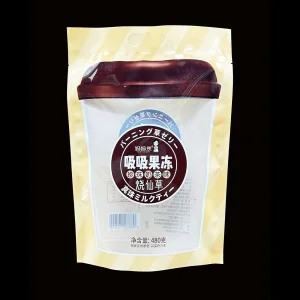
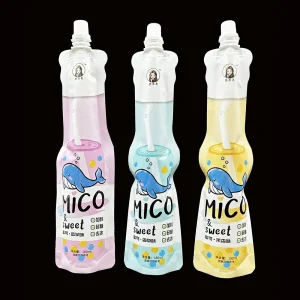
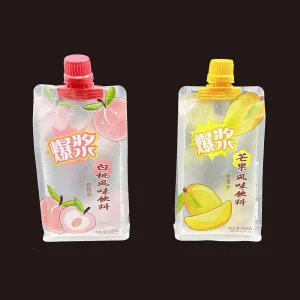
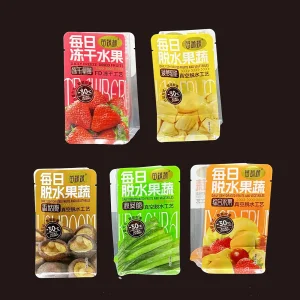
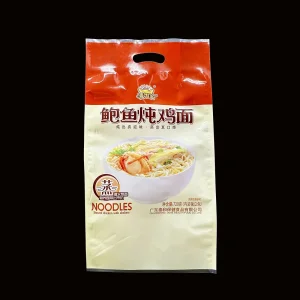
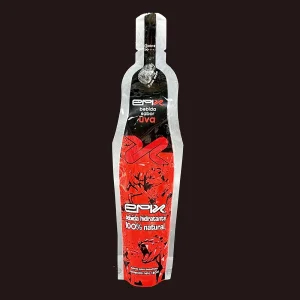
Dongfa Printing maintains collaborations with global brands across regions, ensuring safe, certified quality and support.
 DongFa Printing