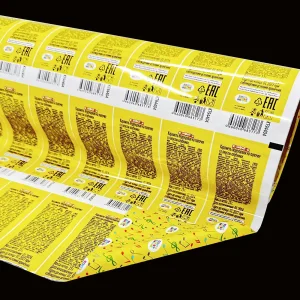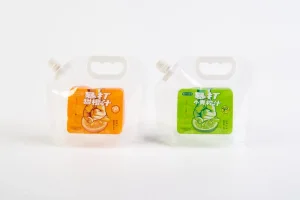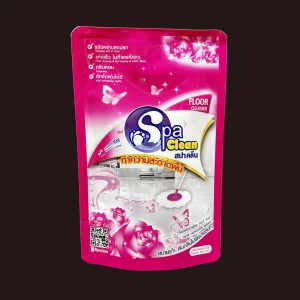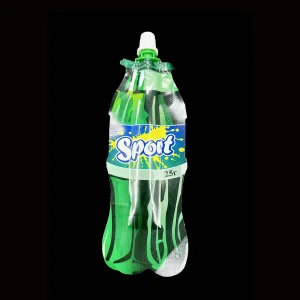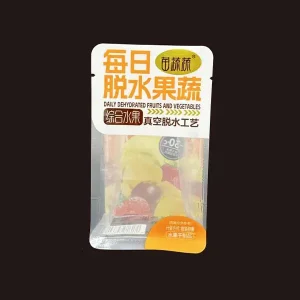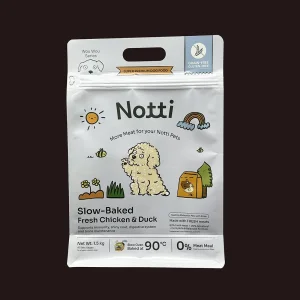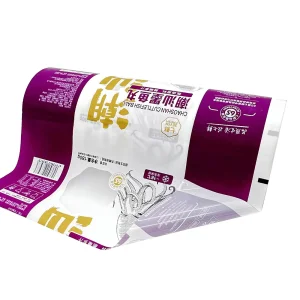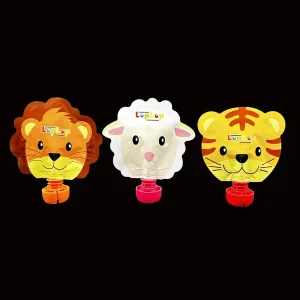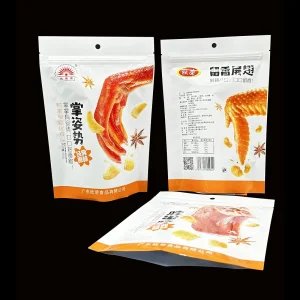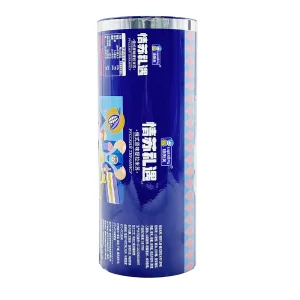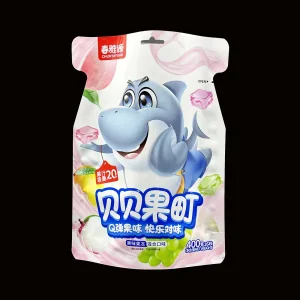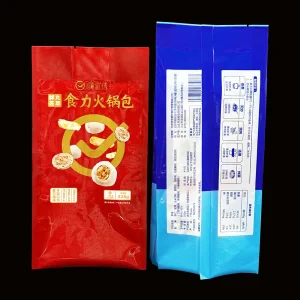
The global packaging sector is undergoing a profound transformation. Modern supply chains require flexible, smart, and lightweight structures that minimize raw material consumption while offering unparalleled barrier protection. Rigid packaging forms are increasingly being replaced by engineered flexible solutions. Industry projections indicate that the global market for flexible packaging, encompassing liquid spout pouches, high-barrier laminates, and retort film structures, is poised to sustain a compound annual growth rate (CAGR) exceeding 4.5% over the coming decade.
This growth is powered by two distinct market dynamics: consumer convenience and high-performance preservation. Brands in regions such as North America, Western Europe, and East Asia require packaging solutions that satisfy rigorous regulatory mandates while meeting sustainability objectives. OEM packaging manufacturers serve as pivotal partners in this process. Rather than supplying standard, off-the-shelf items, they engineer custom polymer and aluminum foil laminations designed to fit the precise barrier needs (OTR and WVTR) of specific products. By utilizing advanced raw materials like BOPP, PET, VMPET, NY (Nylon), and CPP, packaging manufacturers can prolong shelf life, optimize logistics efficiency, and reduce overall environmental footprint.
With over 35 years of professional printing and packaging experience, Dongfa Printing Co., Ltd. operates at the vanguard of custom flexible packaging development. The company specializes in creating high-performance packaging films and specialized bags tailored for demanding applications, including pasteurization and retort steam sterilization processes.
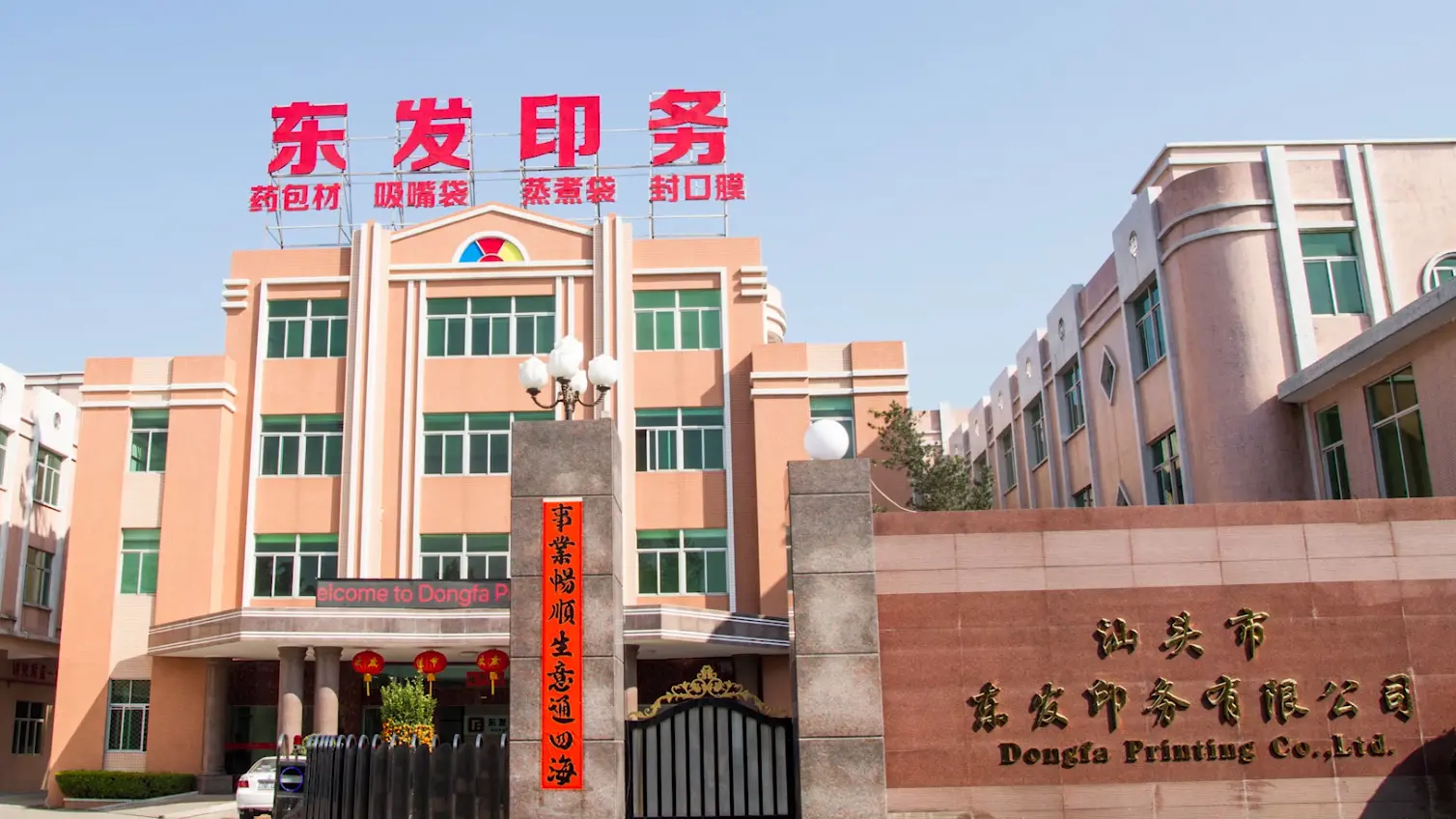
Equipped with state-of-the-art high-speed rotogravure printing presses and online real-time inspection equipment, Dongfa Printing ensures zero-defect outputs for high-volume orders. Production takes place inside GMP-compliant workshops, adhering to rigorous safety standards required for food contact, pharmaceuticals, and sensitive chemicals. Standard products are regularly supplied to high-demand regions including the Middle East, Southeast Asia, Africa, North America, and Japan.
By using modern, high-speed multi-layer co-extrusion and lamination machines, manufacturers can guarantee perfect adhesion between plastic, foil, and sealant layers, eliminating the risk of delamination.
Dongfa Printing integrates the entire manufacturing sequence from design, polymer formulation, plate making, high-definition printing, lamination, and final pouch conversion under one roof, minimizing cycle times.
Experienced engineering teams rapidly translate raw CAD artwork files into high-fidelity physical specimens. This agility helps brands minimize time-to-market for new packaging rollouts.
Flexible barrier pouches rely on complex multi-layer structures designed to optimize performance. Selecting the right combination of substrates is critical to ensuring product integrity, stability, and runnability on automatic packaging machinery:
Modern packaging lines demand precise performance properties from films. For automatic roll films, consistent friction coefficients (COF) are necessary to prevent issues on automated form-fill-seal (FFS) equipment. During solvent-free lamination, adhesive application density is closely regulated to prevent issues like bubbling, tunneling, or delamination, particularly during high-temperature pasteurization or steam autoclave sterilization.
Custom packaging requirements vary significantly across different product types and target markets:
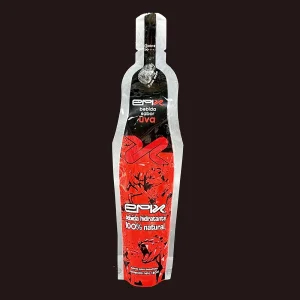
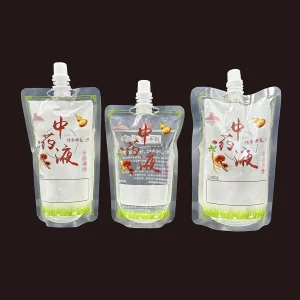
For liquid products like juices, purees, and sauces, spout pouches are an increasingly popular choice. Designing these pouches requires precise fitment engineering to ensure leak-proof seals, drop resistance, and convenient dispensing.
Products like dog and cat food require durable barriers to maintain freshness and aroma. Formats such as flat-bottom or octagonal side-gusset bags (often holding 2kg or more) utilize thick co-extruded structures to withstand physical handling while preserving product quality.
Ready-to-eat meals and frozen foods undergo heat sterilization, requiring materials that can withstand retort temperatures of 121°C to 135°C without compromising structural integrity or food safety.
Corporate procurement is moving beyond simple cost-per-thousand metrics. Today, purchasing teams evaluate manufacturers based on long-term value, material compliance, and supply security. Key factors driving global procurement decisions include:
Dongfa Printing aligns with these priorities by integrating sustainable manufacturing practices, lowering VOC emissions during the gravure printing process, and developing eco-friendly mono-material laminates that balance environmental performance with robust barrier protection.
We work closely with global brands, machinery manufacturers, and raw material suppliers to maintain high standards of quality and service.
 DongFa Printing