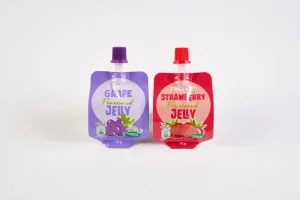
In modern global manufacturing, the query "Who is packing" extends far beyond simple container filling. It represents a complex network of material science, barrier engineering, sterilizability, and supply chain integrity. Flexible packaging manufacturers act as critical enablers for the preservation of nutritional values in food, preservation of sterility in medical devices, and maintenance of chemical stabilities in industrial applications.
To define the elite tier of packing manufacturers, we analyze their core technical frameworks: multi-layer co-extrusion technology, laminate structure formulation, and advanced coating processes. Top-performing plants specialize in producing functional films that control moisture vapor transmission rates (MVTR) and oxygen transmission rates (OTR). These properties protect sensitive products from premature oxidation and contamination.
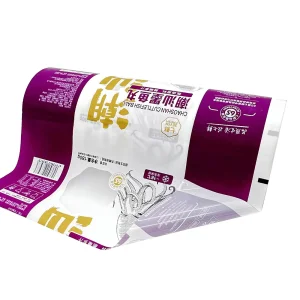
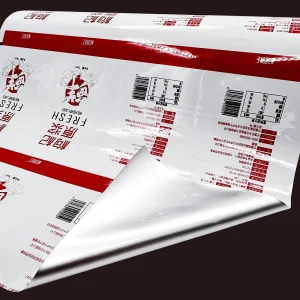
As global demand shifts toward sustainable, recyclable, yet highly resilient structures, identifying professional partners with deep R&D capabilities becomes a primary strategy for supply chain procurement teams. Global enterprises rely on manufacturers who can deliver high-speed automated packaging films and custom-configured stand-up pouches.
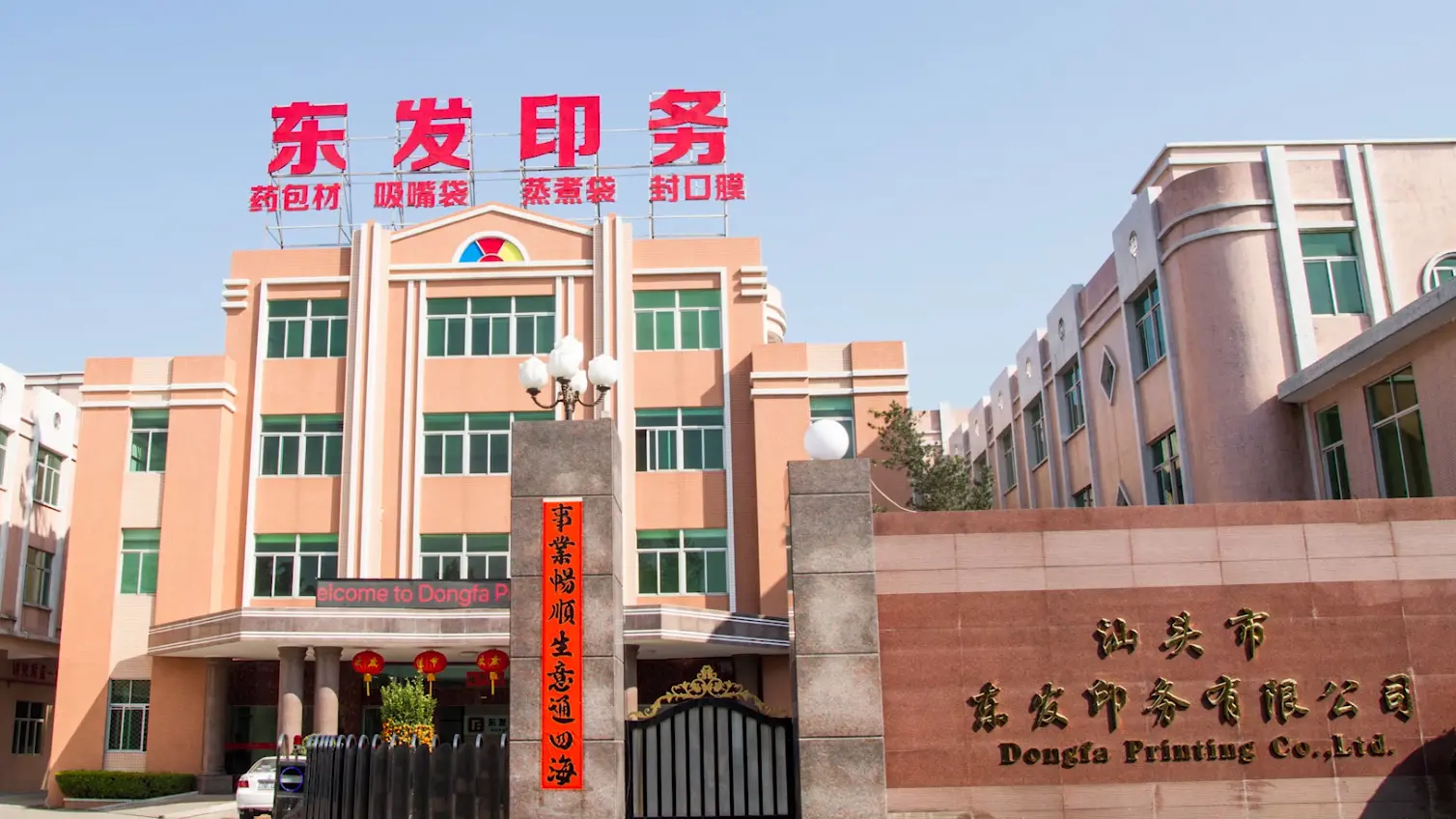
As a recognized authority in packaging manufacturing, Dongfa Printing Co., Ltd. integrates decades of material engineering experience with advanced manufacturing capabilities. Specializing in high-performance liquid packaging and multi-barrier retort laminations, we deliver packaging solutions designed for global supply chain resilience.
Our facilities deploy advanced printing machinery integrated with online optical inspection equipment.Operating in a certified GMP workshop, we run comprehensive checks for seal strength, solvent retention, and burst pressure. This maintains consistent quality across high-volume production runs.
We manage the entire lifecycle of packaging production internally. From digital graphic design and automated plate-making using precision rotogravure techniques to extrusion lamination, curing, bag-making, and fitment sealing, we ensure absolute process integrity at every step.
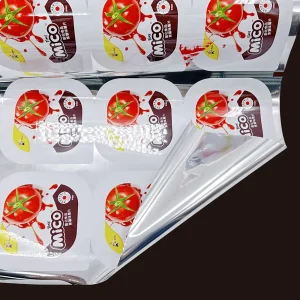
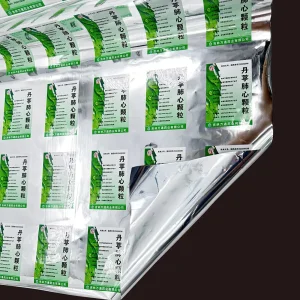
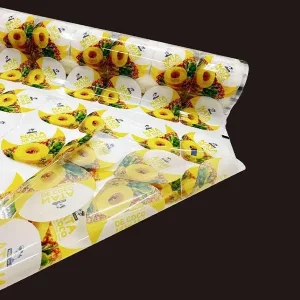
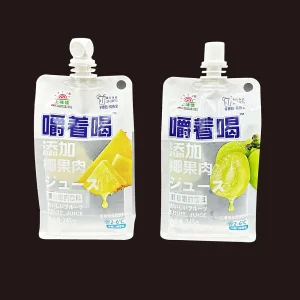
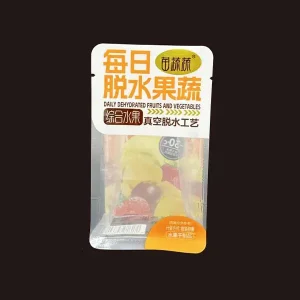
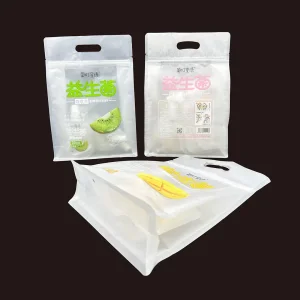
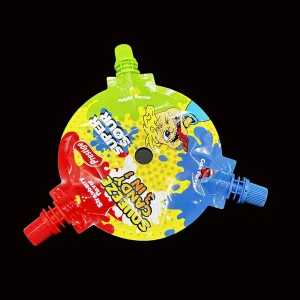
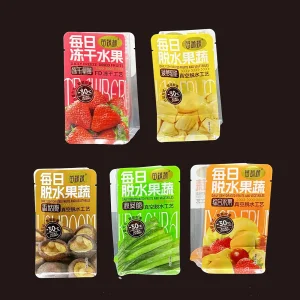
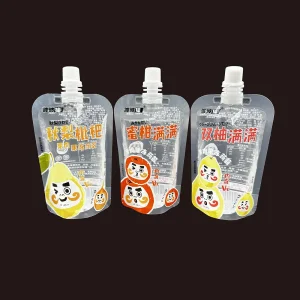
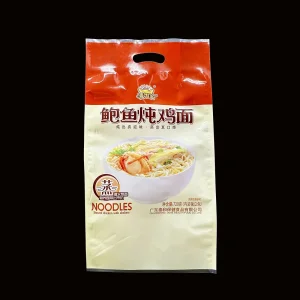
Our portfolio covers various flexible packaging profiles: custom liquid spout pouches, high-barrier retort packaging, quad-seal pouches, flat-bottom bags, and sealing cup films. This range meets the unique performance and marketing requirements of diverse consumer products.
For global businesses sourcing wholesale packaging, manufacturing efficiency determines speed-to-market and cost structures. Chinese flexible packaging manufacturing is built on extensive supply chain integration, advanced machinery, and optimized raw material sourcing.
By leveraging proximity to premier polymer producers, we source high-quality resins and films, such as oriented nylon (ONy/BOPA), polyester (PET), cast polypropylene (CPP), and high-barrier vinyl alcohol copolymers (EVOH). These materials form the building blocks of complex laminate structures.
Our multi-layer laminates, such as PET+AL+NY+RCPP, are engineered to survive autoclave temperatures of 121°C. By combining the mechanical stability of PET, the gas barrier performance of pure aluminum foil, the puncture resistance of nylon, and the high-temperature seal strength of retort cast polypropylene (RCPP), we provide long-term shelf stability for shelf-stable liquid and wet-food products.
1. Medical Grade (PET+AL+PE): Provides absolute protection against oxygen, light, and vapor transmission. Specifically designed to withstand sterilization protocols and protect sterile medical devices.
2. High-Temperature Retort (PET+AL+NY+RCPP): Resists thermal stresses during sterilization. Excellent seal integrity preventing delamination or leakages at 121°C pasteurization.
3. High-Barrier Liquid (PET+NY+PE): Highly resistant to drop impact, puncture, and hydraulic pressure. Optimized for chemical, beverage, and sauce dispensing systems.
Flexible packaging needs vary significantly across regional markets. Understanding these localized demands allows us to optimize film structures and pouch geometries for specific regional regulations, retail trends, and supply chain logistics.
Key Needs: Convenient opening features, child-resistant closures, and stand-up pouches that improve shelf visibility. Sourcing centers on high-barrier cat and dog pet food packaging (e.g., 2kg octagonal gusseted bags) and resealable structures that reduce food waste.
Key Needs: Highly regulated medical device and pharmaceutical packaging. Manufacturers must provide high-barrier medical packaging films (72μm and 92μm PET+AL+PE structures) that comply with strict hygiene standards and sterile barrier conditions.
Key Needs: High mechanical durability and thermal resistance for hot-fill and retort processes. The prevalence of liquid food products, sauces, and culinary condiments drives demand for custom flat-bottom spout pouches and high-barrier easy-tear cup sealing films.
Adopting recyclable mono-material laminates, compostable barriers, and PCR-based resins to align with global environmental mandates.
Modern packaging design prioritizes carbon footprint reduction. Traditional multi-material structures (such as PET/PE or PET/AL/PE) present recycling challenges because separating the bonded layers is difficult. In response, the industry is transitioning toward mono-material solutions.
Our engineering teams are developing mono-material PE structures and PP-based retort solutions that offer comparable gas and moisture protection to traditional laminates. This helps brand owners meet extended producer responsibility (EPR) regulations without compromising product shelf life.
At the same time, we focus on material reduction by down-gauging films. By utilizing high-yield resins and advanced orientation technologies, we manufacture high-strength films with lower overall weight. This reduces transportation emissions and municipal solid waste volume.
To ensure supply chain reliability, quality consistency, and regulatory compliance, procurement officers must evaluate packaging partners across several key operational areas:
Verify that your manufacturing partner maintains cleanrooms suitable for pharmaceutical and medical device production. Ensure they hold ISO, GMP, and food contact safety certifications (such as FDA and EU food safety compliance) for direct product contact layers.
High-speed filling lines require defect-free film webs. Partners should utilize online optical inspection cameras during printing and lamination. This technology automatically flags and logs anomalies in registration, print quality, or laminate bonding.
Ensure your manufacturer can design structures with tailored performance profiles, including oxygen scavenging properties, anti-fog coatings, high-temperature retort resistance (121°C), and easy-tear functions.
Find detailed technical answers regarding materials, sterilization, and manufacturing capabilities to guide your flexible packaging procurement decisions.
We collaborate with leading global brands to supply high-performance packaging materials.
 DongFa Printing