Explore our high-performance stand-up pouches and barrier films designed for daily chemicals, liquids, and beverages.
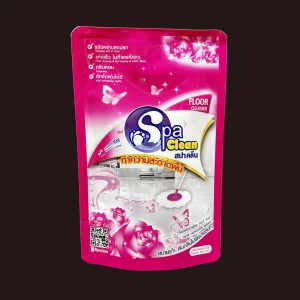
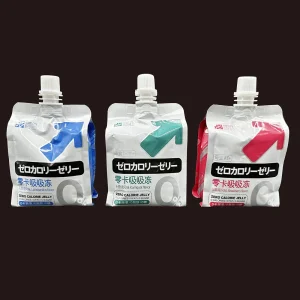
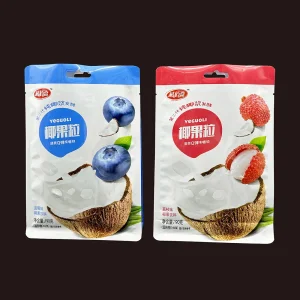
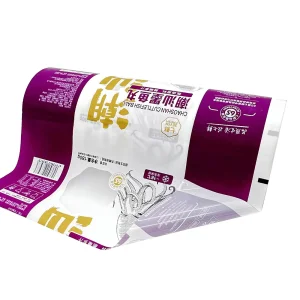
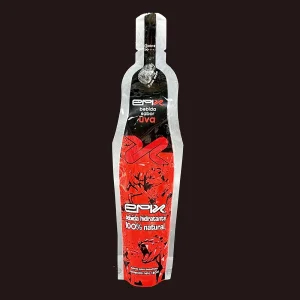
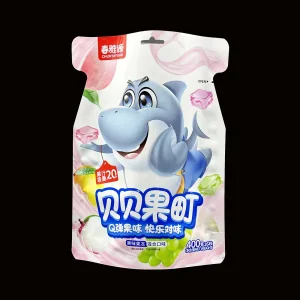
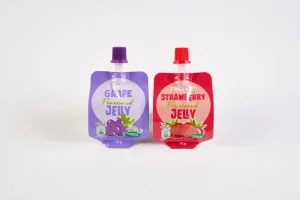
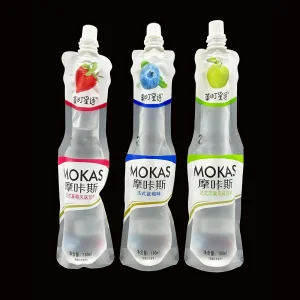
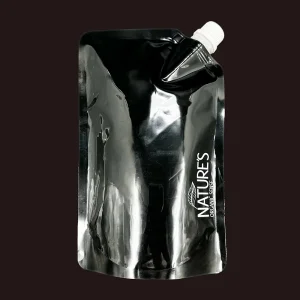
In the modern landscape of FMCG, industrial, and pharmaceutical packaging, the shift from rigid packaging formats (such as glass jars and tin cans) to flexible, lightweight configurations has accelerated. At the forefront of this evolution is the Aluminum Foil Stand Up Pouch. Offering an absolute barrier against oxygen, moisture, and ultraviolet light, aluminum laminate structures represent the zenith of product preservation and shelf-life extension.
Key Takeaway: Solid aluminum foil (AL) layers, even at gauges as low as 6.3 to 9 microns, provide a physical barrier with a Water Vapor Transmission Rate (WVTR) and Oxygen Transmission Rate (OTR) of practically zero. This minimizes product degradation, preserves volatile aromatics, and maintains chemical integrity.
Flexible packaging relies on co-extrusion and adhesive lamination of different polymer and metal foils to leverage the unique physical properties of each component. Aluminum foil on its own is prone to flex-cracking and pinholing. To counter this, suppliers construct multi-layer laminates:
| Lamination Structure | Typical Thickness | Target Application | Key Property |
|---|---|---|---|
| PET / AL / PE | 90μm - 120μm | Dry food, coffee, powder formula | Total light & moisture block |
| PET / AL / NY / RCPP | 110μm - 140μm | Retort food, liquid soups, pet food | 121°C - 135°C steam sterilization |
| PET / VMPET / PE | 70μm - 110μm | Daily chemicals, liquid soap, snacks | High cost-efficiency, good barrier |
| BOPP / VMPET / PE | 80μm - 100μm | Dry powders, agricultural chemicals | High tensile stiffness and gloss |
The global demand for aluminum stand-up pouches is driven by the logistical and environmental efficiency they present. A truckload of flat, empty flexible pouches is equivalent to over 25 truckloads of empty glass jars, significantly cutting scope-3 upstream transportation emissions. Industrially, the integration of fitments and spouts has expanded the utility of stand-up pouches into the liquid and beverage industries, challenging traditional plastic bottles.
Currently, the market demands fast throughput, zero-defect sealing, and materials compatible with high-speed form-fill-seal (FFS) machines. Key challenges include maintaining sealing integrity across the corner transition zones of gusseted pouches and avoiding delamination under high thermal load during pasteurization processes.
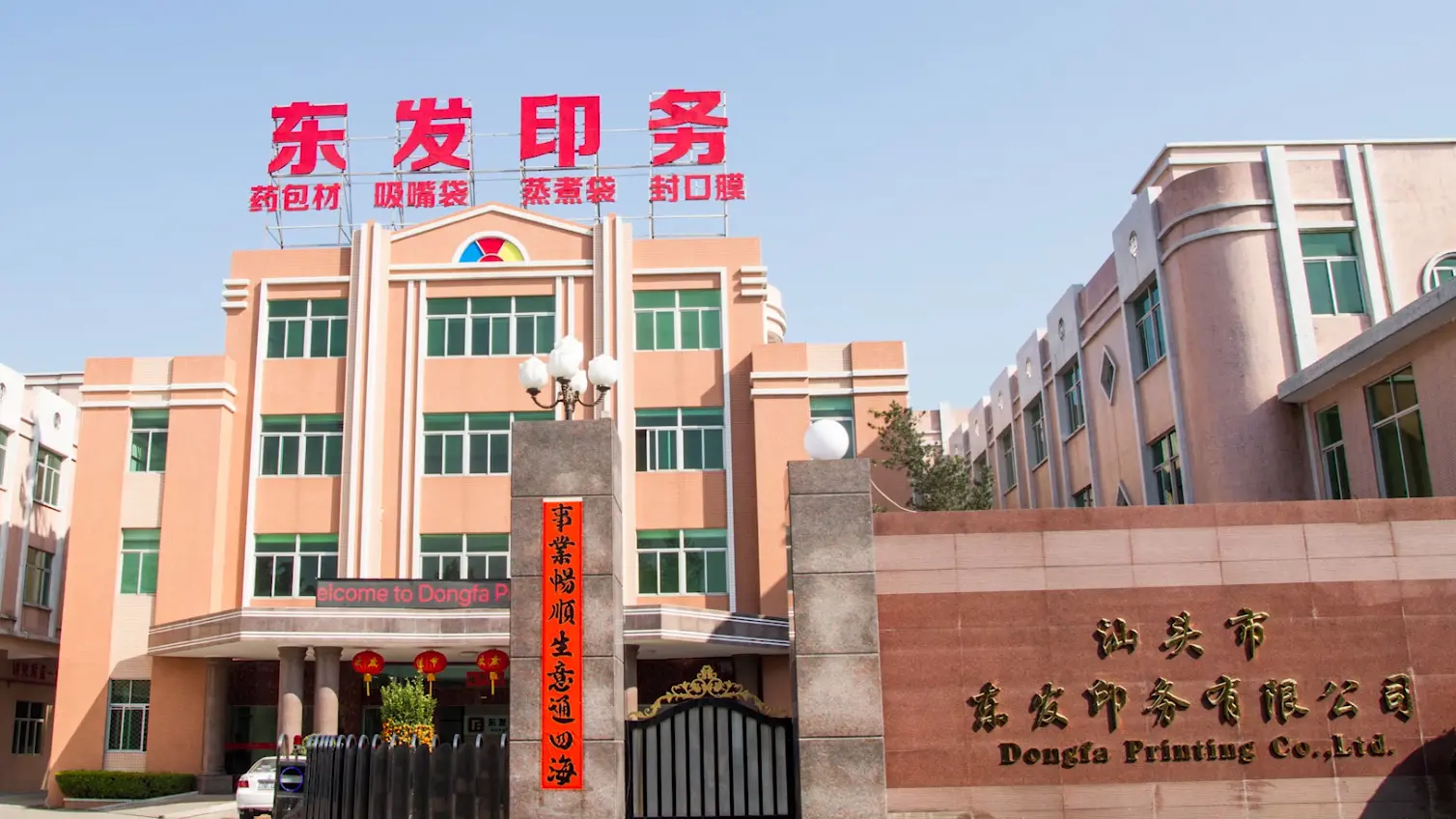
With over 35 years of professional printing and packaging manufacturing experience, Dongfa Printing Co., Ltd. has established itself as an industry leader. Operating from a state-of-the-art facility equipped with inline quality inspection systems and a clean GMP workshop, we adhere strictly to international standards.
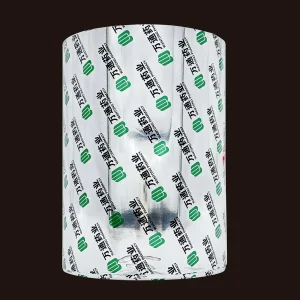
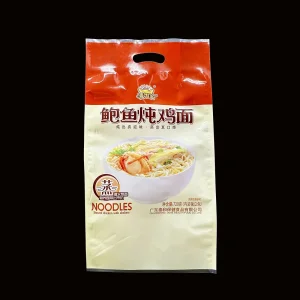
Our capabilities cover the entire manufacturing process, from design and plate-making to extrusion, lamination, slitting, bag-making, and final quality control. We provide custom flexible packaging for food, pharmaceuticals, daily chemicals, and medical applications. Our product catalog includes spout bags, retort bags, flat-bottom bags, quad-seal pouches, and high-performance laminated roll films.
To support high-temperature requirements, our R&D division has developed specialized adhesives and sealants capable of undergoing high-pressure retort steam sterilization without losing bond strength.
Dongfa Printing operates in compliance with international food and drug contact regulations. Our raw materials are sourced from globally recognized suppliers, ensuring compliance with FDA regulations, EC 10/2011, and European Union packaging requirements. Our inline vision inspection systems detect deviations in print alignment, laminating defects, and surface anomalies down to 0.1mm, ensuring batch consistency.
Liquid and semi-liquid commodities present unique packaging challenges. Unlike dry products, liquids are prone to hydraulic shock when dropped, and chemical surfactants in liquid soaps can degrade standard adhesive laminates over time. Therefore, engineering the correct barrier structure is essential.
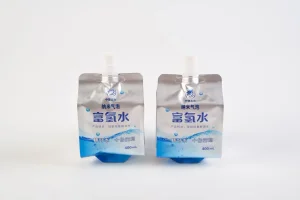
Soaps, shampoos, detergents, and body washes contain surfactants and alcohols that can penetrate low-density PE layers and chemically break down the standard lamination adhesives. For this sector, Dongfa utilizes specialized co-polymers and chemical-resistant barrier films. The incorporation of ergonomic spouts (ranging from 8.6mm to larger diameters) and anti-choke caps ensures safety and user-friendly dispensing.
Products like ready-to-eat meals, soups, and liquid dairy beverages require high-temperature sterilization. The packaging must withstand temperatures of 121°C or 135°C for extended periods. Under these conditions, standard adhesive layers can delaminate, and typical PE will melt. Dongfa's retort-grade pouches use a specialized four-layer structure (PET/AL/NY/RCPP) bonded with polyurethane adhesives to ensure structural integrity and heat resistance.
Medical packaging demands high sterile-barrier performance. Laminated films with a thickness of 72μm and above provide high mechanical strength and reliable sealing parameters. They prevent gas migration, protecting moisture-sensitive medical compounds from humidity, oxygen, and microbial contamination.
As the industry shifts toward circular economy practices, traditional multi-material laminates face recycling challenges. Dongfa's R&D is focused on three main initiatives:
Find answers to common questions about material selection, sterilization, and customization options.
Choose from our selection of flat-bottom bags, quad-seal pouches, and specialized medical and liquid packaging films.
 DongFa Printing