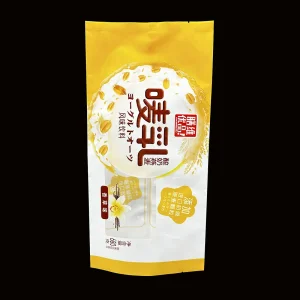
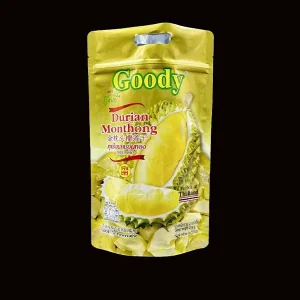
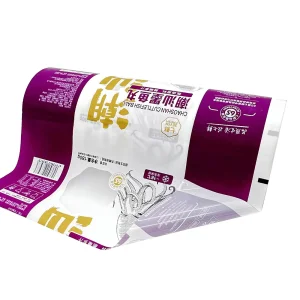
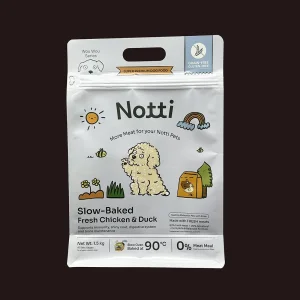
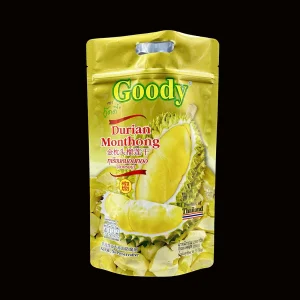
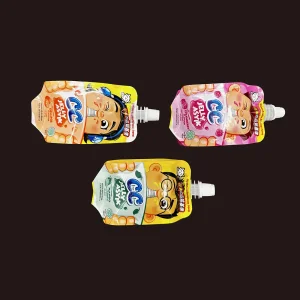
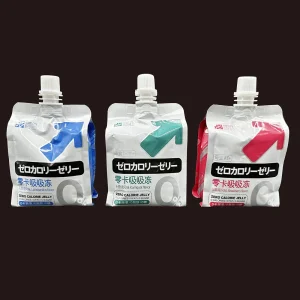
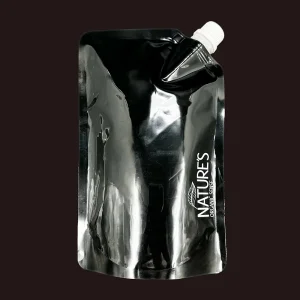
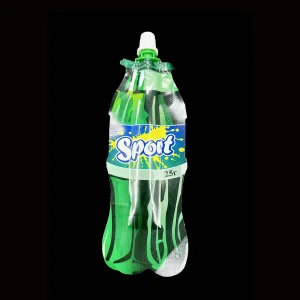
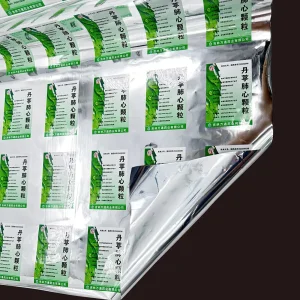
Engineered for freshness, durability, and visual appeal. Explore our premium selection of laminated bags, barrier films, and customized pouches.
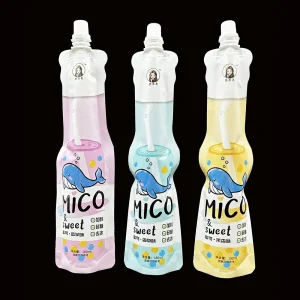
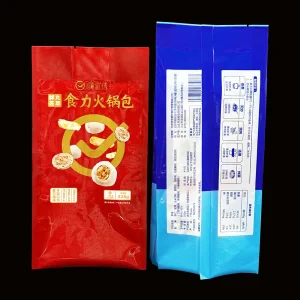
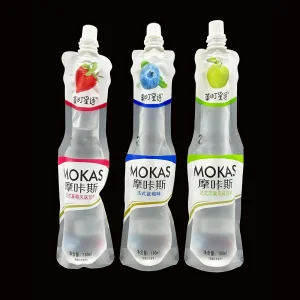
A comprehensive analysis of flexible packaging technology, global procurement demands, material science, and manufacturing infrastructure.
The specialty coffee landscape has transitioned from local artisanal cafes into highly complex, multi-channel brands requiring robust supply chain capabilities. Modern packaging for coffee beans, cold brew concentrates, instant micro-ground powders, syrups, and RTD (Ready-To-Drink) beverages plays a dual role: preserving delicate sensory attributes (such as volatile aromatics and delicate lipids) while acting as the core driver for brand positioning.
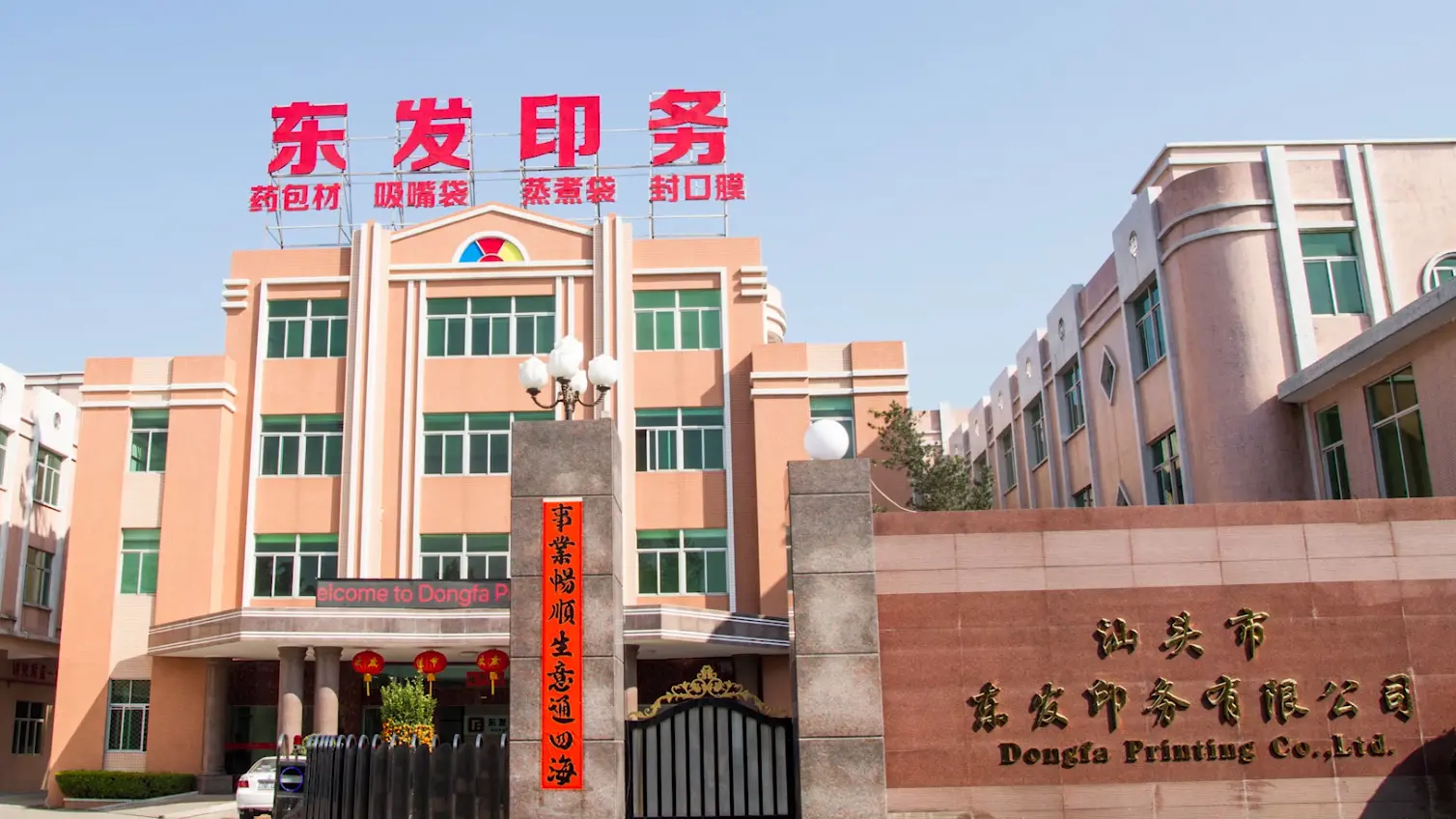
Historically, packaging was viewed merely as a container. Today, it represents a critical point of brand experience and shelf-life optimization. Brand owners and purchasing managers must source from factories that understand the delicate chemistry of freshly roasted coffee—specifically the degassing requirements and oxidation vulnerabilities. As a pioneering manufacturer with over 35 years of professional printing and packaging experience, Dongfa Printing Co., Ltd. specializes in advanced flexible packaging designed to maintain product integrity through extreme thermal, chemical, and physical stresses.
International procurement professionals representing major coffee chains in North America, Europe, Japan, and Southeast Asia face distinct logistical and technical challenges. When identifying packaging partners in China, the evaluation criteria extend far beyond price per unit:
Achieving a long shelf life requires specific material engineering. Different coffee products have distinct chemistry, requiring custom laminate structures:
Usually packaged in quad-seal, side-gusseted, or flat-bottom pouches. These require one-way degassing valves to release carbon dioxide while preventing oxygen entry. Common structure: PET / AL / PE or PET / VMPET / PE.
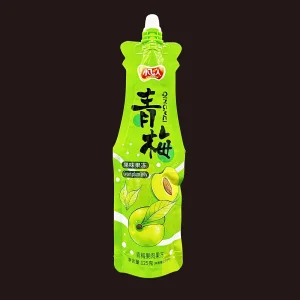
Liquid coffee concentrates, jellies, and cold brew products require spout pouches designed to handle retort processing. Common structure: PET / NY / PE (e.g., thickness 103µm to 110µm) to endure drop impacts and thermal pasteurization.
Typically packed in stick-packs or outer envelopes using automatic film rolls. High barrier is required in thin structures. Common structure: PET / VMPET / PE or eco-friendly paper/foil laminates with optimized sealability.
Selecting the correct thickness is critical. For instance, our standard 75µm PET+PE pouches offer excellent flexibility and clarity for frozen products, while our heavy-duty 108µm and 110µm spouted pouches provide the puncture resistance and seal strength needed for high-fill-volume liquid beverages.
Sourcing from China offers distinct advantages in scale, infrastructure, and technical expertise. Advanced facilities utilize automated processes to ensure consistency and minimize human error.
At Dongfa Printing Co., Ltd., we utilize high-precision printing equipment integrated with online quality inspection systems. These digital scanners detect sub-millimeter defects in real-time, verifying registration, color consistency, and seal integrity. Our production occurs within a GMP-compliant cleanroom workshop to prevent particulate contamination, which is essential for pasteurization and retort steam sterilization processes. This setup ensures that our spout bags and sealing cup films meet stringent food safety standards.
Our vertically integrated operations run from raw film extrusion and lamination to high-speed bag-making and automated spout assembly. By maintaining control over the entire supply chain, we offer stable pricing, reliable lead times, and consistent quality that helps brand owners navigate global market changes.
Packaging must perform well under diverse retail, logistical, and climatic conditions:
Crucial insights for purchasing managers and brand owners looking to optimize their packaging procurement strategy.
Q1: What is the benefit of a 103µm to 110µm thickness for liquid spout pouches?
A: Thicknesses in the range of 103µm to 110µm offer an optimal balance of barrier protection, structural stiffness, and cost-efficiency. These films are engineered with co-extruded Nylon and PET to withstand high temperatures (pasteurization/retort sterilization) and drop impacts during transit.
Q2: How does online quality inspection impact product yield and consistency?
A: Our online camera-based inspection systems automatically detect print defects, pinholes, and sealing anomalies. This ensures that every roll film or finished bag meets strict quality metrics before shipment, reducing defect rates to near zero.
Q3: Are Dongfa's packaging materials compatible with retort steam sterilization?
A: Yes, our custom spout bags and retort films are manufactured with high-grade, temperature-resistant resins, allowing them to withstand temperatures ranging from 121°C to 135°C during sterilization without delaminating or losing barrier properties.
Q4: What customization options are available for the bag surface?
A: We offer gravure and flexographic printing options, including matte, gloss, spot UV, holographic patterns, and tactile textures, helping your products stand out on store shelves.
Q5: How does Dongfa support environmental and sustainable packaging goals?
A: We optimize material thickness to minimize waste, utilize eco-friendly inks, and continuously develop recyclable mono-material laminates that reduce environmental footprint while maintaining product freshness.
Direct supply from our GMP facility, offering custom designs, various sizes, and specialized configurations.
Upholding "Integrity, Professionalism, Innovation, and Win-Win" to deliver superior products and services to global markets.
 DongFa Printing