 DongFa Printing
1 / 3
Aluminum is known for its strength and resistance to punctures, making it an excellent barrier against external elements. This ensures that the contents remain fresh and protected from moisture, light, and oxygen, which can degrade food quality over time.
Compared to traditional glass or rigid plastic containers, aluminum gusseted pouches are significantly lighter, reducing shipping costs and carbon footprint. Their flexible design allows for efficient storage, as they can be flattened when empty, saving valuable space.
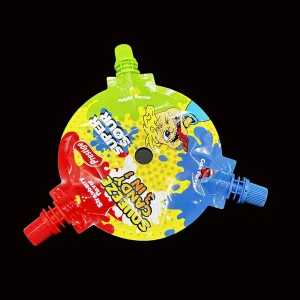
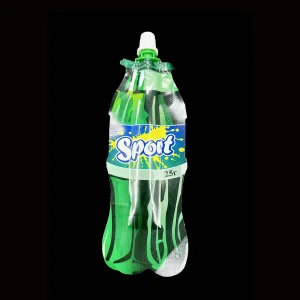
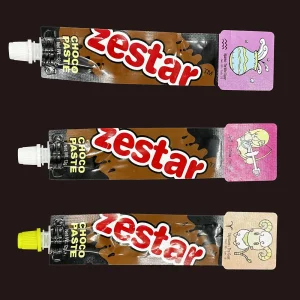
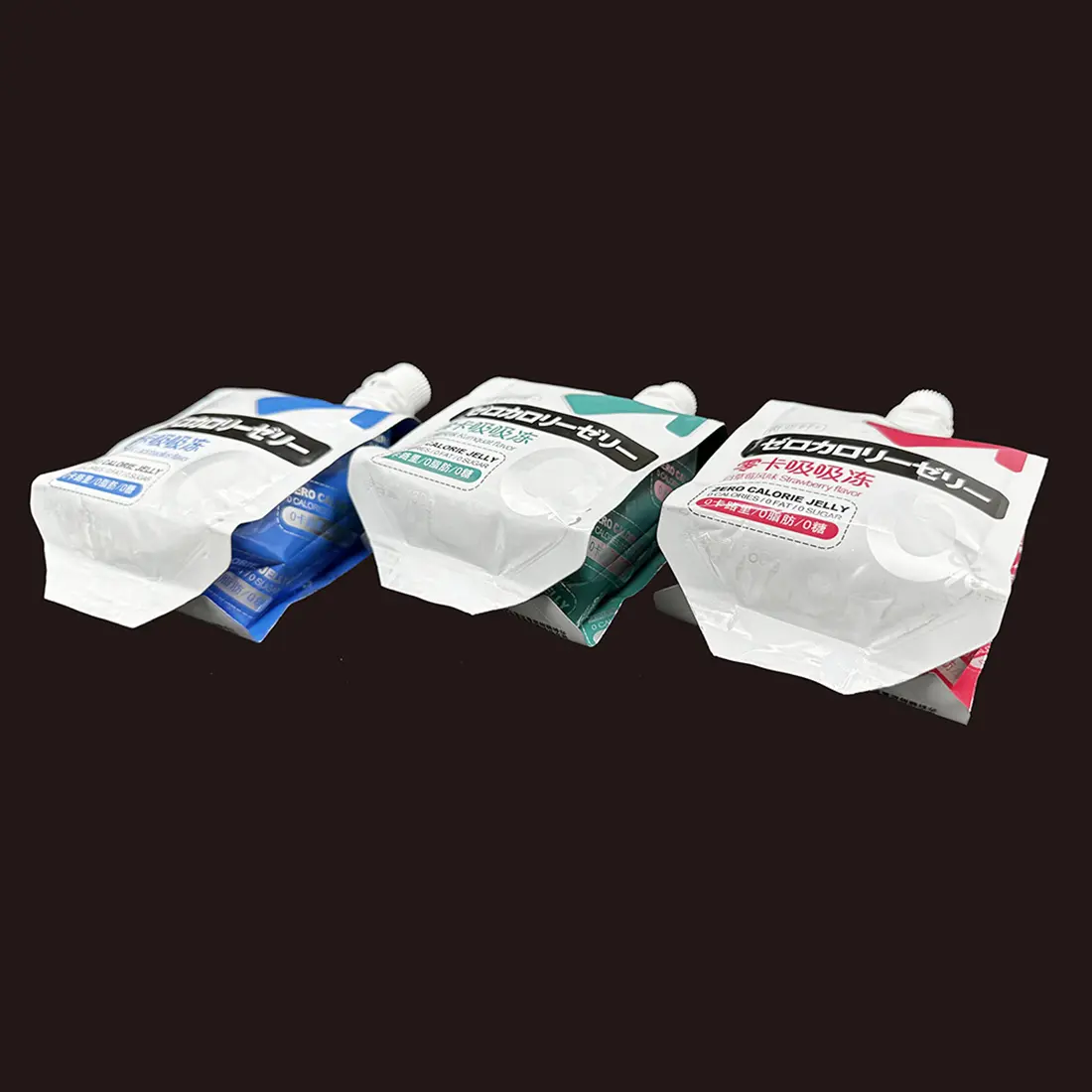
Brands can take advantage of the printability of aluminum pouches to create eye-catching designs that stand out on the shelves. Custom graphics, colors, and finishes can be applied to enhance brand identity and attract consumers.
As the world becomes more environmentally conscious, the demand for sustainable packaging solutions is on the rise. Aluminum is recyclable, and many manufacturers are adopting eco-friendly practices in their production processes.
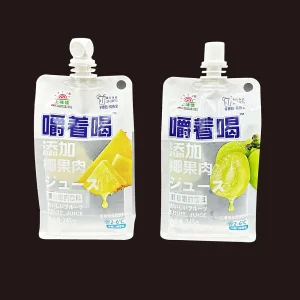
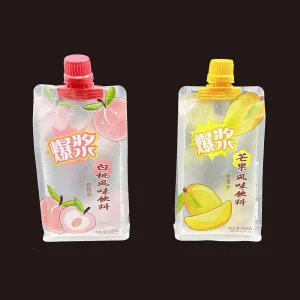
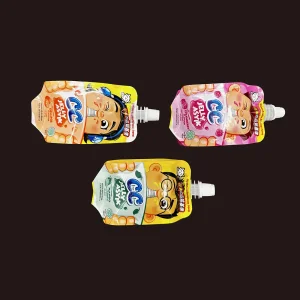
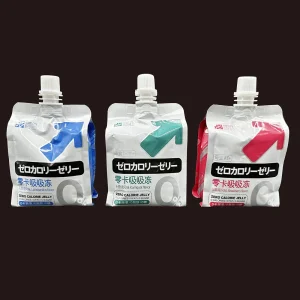
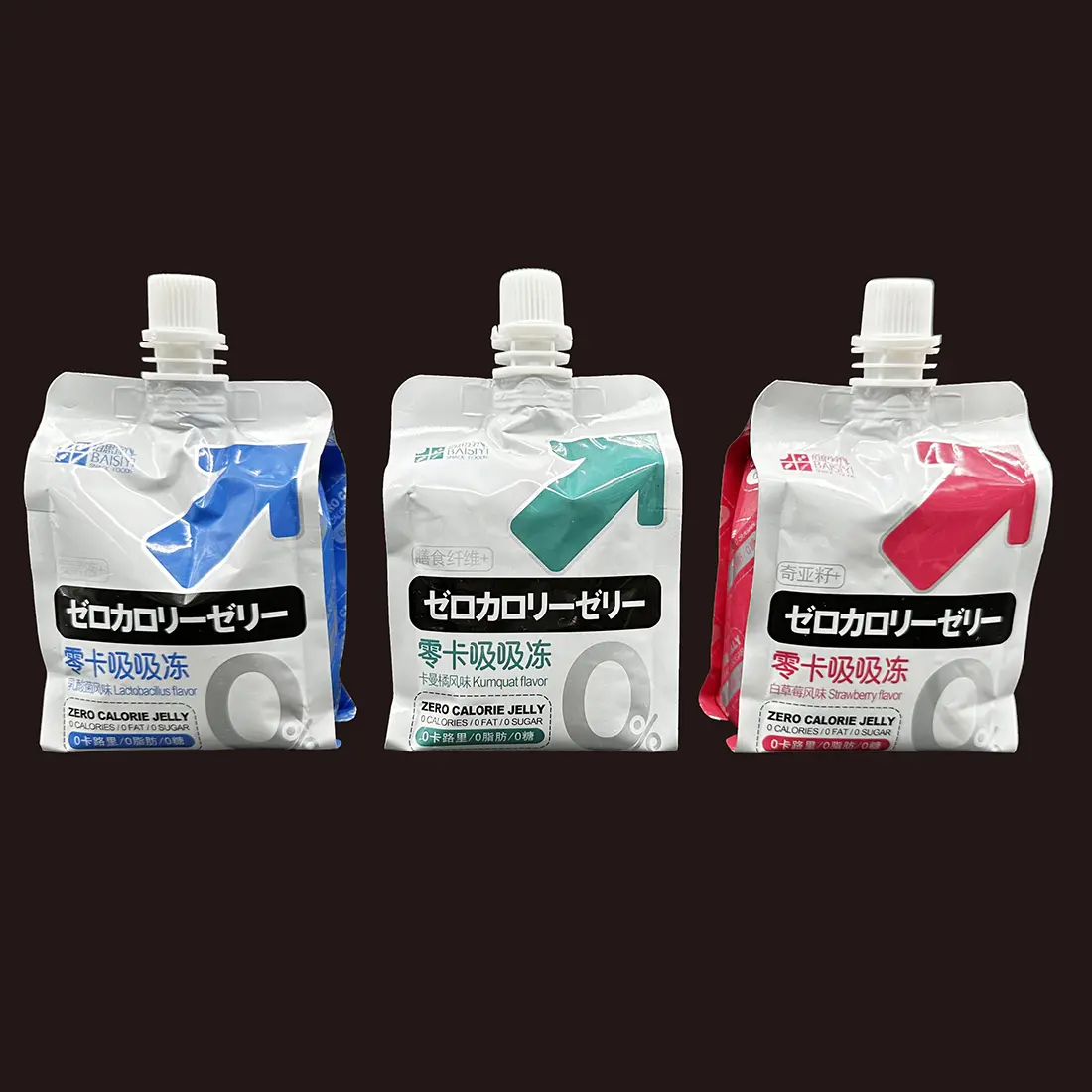
These pouches are suitable for a wide range of products, including sauces, beverages, snacks, and even pet food. The spout feature allows for easy dispensing, making them ideal for both home use and commercial applications.
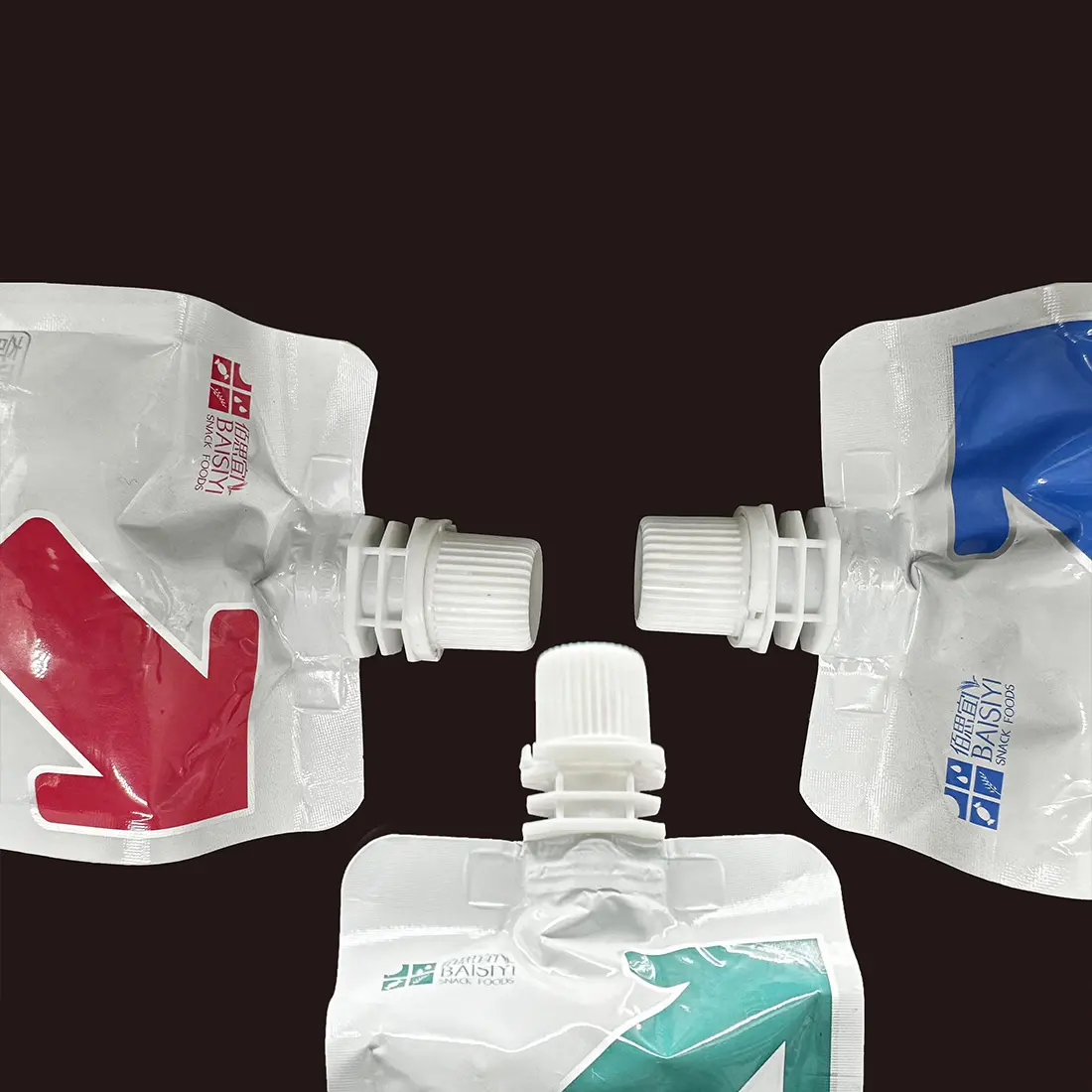
These pouches feature a gusseted bottom design. When the pouch is filled, the bottom expands to form a stable base, allowing the package to stand upright on shelves for better visibility and access.
Yes, they are manufactured using odorless, food-grade materials specifically certified to be safe for direct food contact. This prevents chemical leaching and ensures the original taste and smell of the product are preserved.
They are highly versatile and ideal for liquids, semi-liquids, and dry goods. Common applications include sauces, beverages, syrups, purees, liquid snacks, and pet food.
The aluminum layer acts as an exceptional barrier system that blocks light, oxygen, and moisture. This high durability keeps food products fresh and extends their shelf life.
Yes, aluminum is a recyclable material. Additionally, because the pouches are lightweight and compress flat when empty, they require less energy to transport, effectively reducing the overall carbon footprint.