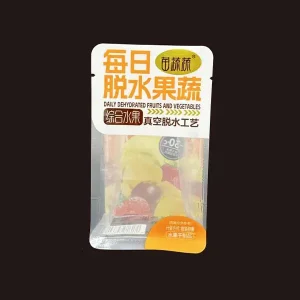
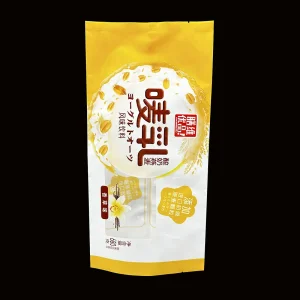
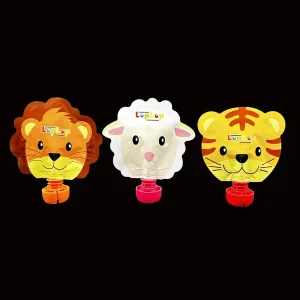
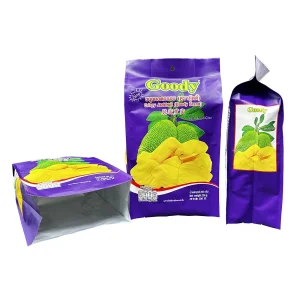
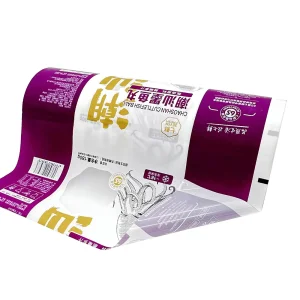
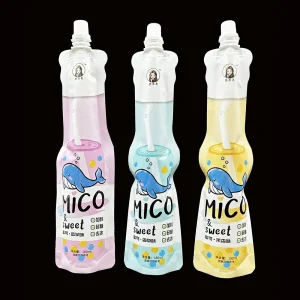
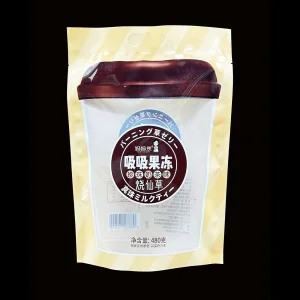
A comprehensive analysis of design methodologies, multi-barrier integration, and global manufacturing capacities in China's advanced packaging facilities.
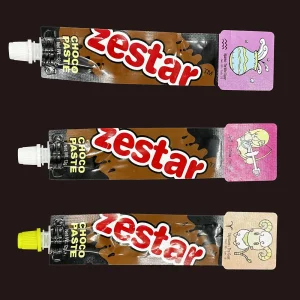
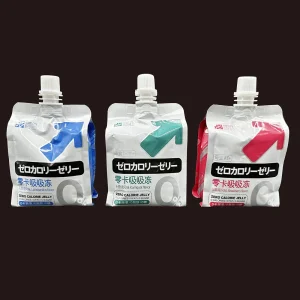
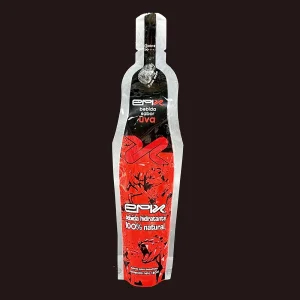
The global shift from rigid packaging containers (such as glass jars, tin cans, and HDPE bottles) to flexible pouch systems is driven by economic, functional, and environmental optimization. Custom Spout Pouches represent the pinnacle of flexible packaging technology, combining the structural integrity of rigid plastic containers with the lightweight efficiency of laminate roll film. They offer unmatched convenience, chemical stability, and drop resilience, making them the preferred vessel for liquid and semi-liquid commodities worldwide.
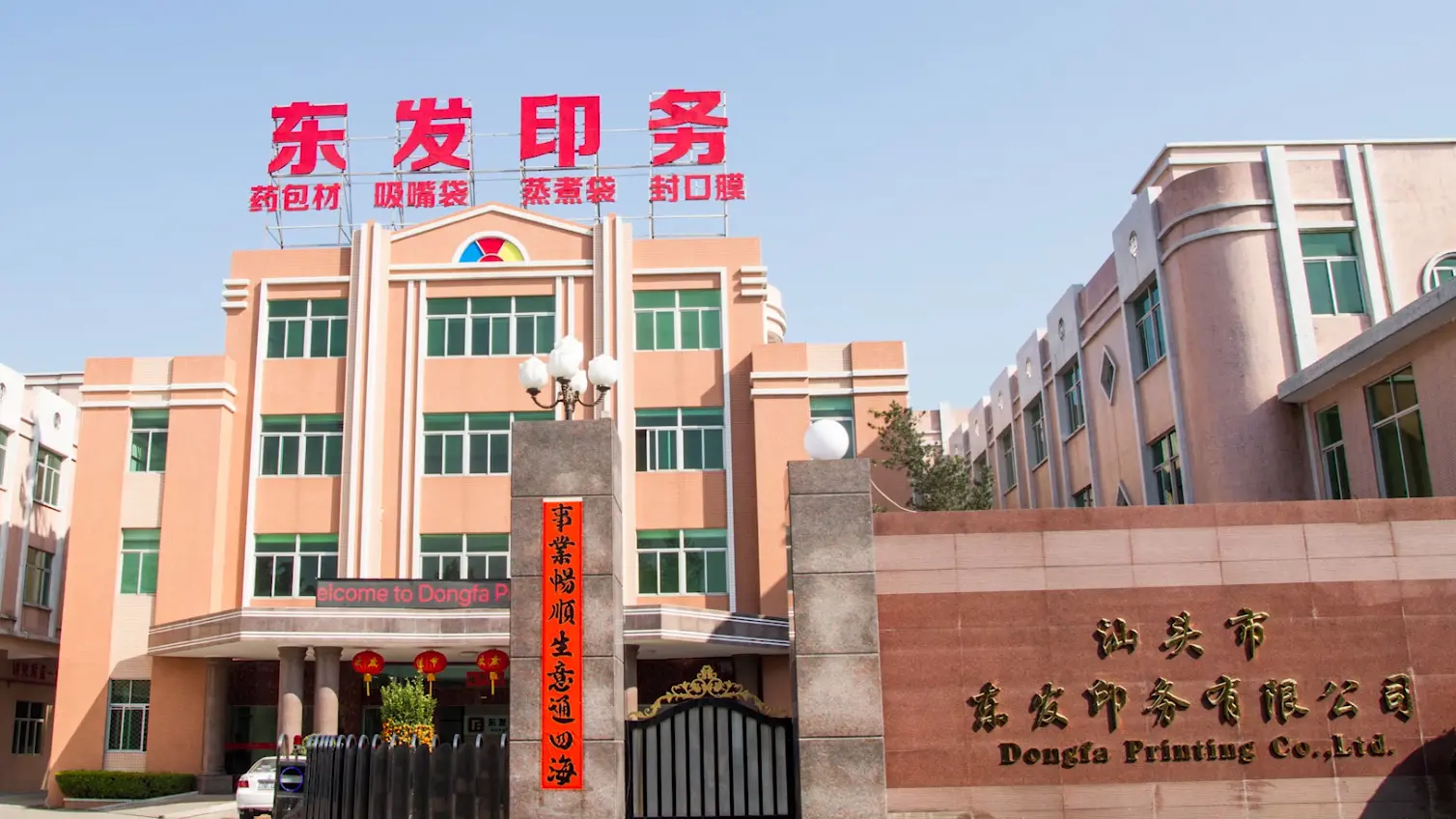
As a leading authority in flexible packaging systems, Dongfa Printing Co., Ltd. leverages over 35 years of engineering experience to supply global brands with high-performance barrier solutions. Operating under ISO-certified protocols and GMP-compliant workshops, our production systems convert advanced polymers, aluminum foils, and eco-friendly mono-materials into sophisticated packaging. Whether for thermal retorting, pasteurization, or high-speed automated filling lines, our products are engineered to protect your formulation, lengthen shelf life, and minimize environmental impact.
How automation, high-speed rotogravure machinery, and online digital inspection engines drive cost efficiencies and consistency.
Equipped with high-performance 10-color rotogravure presses capable of handling multi-layered substrates with micron-level register accuracy. Our setups guarantee premium optical clarity and brand fidelity.
Integrating online quality inspection equipment onto the printing and laminating machines. Every square inch of the web is optically scanned in real-time, instantly rejecting pinholes, ink splashes, and lamination voids.
By implementing advanced dry/solvent-free lamination systems, we assure zero organic solvent residues (VOCs). This preserves organoleptic safety, crucial for high-barrier food, beverage, and medical bags.
Dongfa Printing's infrastructural resilience rests on our GMP-certified workshops. Modern spout pouch production requires strict dust and microbiological controls. Our cleanrooms maintain constant humidity and temperature, mitigating electrostatic charging that can attract dust prior to heat-sealing. This prevents seal contamination, which is the leading cause of channel leaks in spout pouches during high-stress supply chain transport.
The structural engineering, polymer chemistry, and sustainable pathways shaping modern flexible liquid packaging.
Flexible packaging relies on lamination—merging polymers with differing physical properties to create a customized barrier film. For spout pouches, the laminated structure must withstand pressure, support structural form, resist punctures, and prevent the ingress of oxygen, moisture, and UV light. Below is a breakdown of the standard layers and modern sustainable options:
| Layer Sequence | Material Options | Primary Technical Function | Standard Application Example |
|---|---|---|---|
| Outer Layer (Print Web) | PET, BOPP, Matte BOPP, Kraft Paper | High mechanical strength, thermal resistance during sealing, excellent printability. | 12μm PET for standard barrier bags. |
| Barrier Interlayer | AL (Aluminium Foil), VMPET, NY (Nylon / OPA), EVOH | Oxygen barrier (OTR < 0.1 cc/m²/day), moisture barrier (WVTR < 0.1 g/m²/day), gas preservation. | 7μm Aluminum Foil for long-term shelf stability. |
| Strengthening Layer | NY (Biaxially Oriented Polyamide) | Provides high impact toughness, puncture resistance, and drop elasticity. Essential for liquid pouches. | 15μm Nylon for high-capacity liquid pouches (e.g., 2kg/2L). |
| Inner Sealant Layer | CPP, LLDPE, R-CPP (Retort CPP), Metallocene PE | Heat sealability, chemical resistance, resistance to stress-cracking, and product-compatibility. | 80μm-120μm Cast Polypropylene (CPP) for hot-fill and retort. |
With environmental directives like the European Union's Packaging and Packaging Waste Regulation (PPWR) setting strict recycling targets, traditional multi-material laminates (e.g., PET/AL/PE) are transitioning to circular structures. Dongfa Printing leads this transition with our recyclable Mono-Material PP (Polypropylene) and Mono-Material PE (Polyethylene) spout pouches. By utilizing specialized high-density resins and oriented films (MDO-PE or BOPP), we match the barrier characteristics and thermal resilience of classic structures without contaminating the recycling loop. These bags can be processed in standard PP/PE recovery facilities, offering global brands a path to zero-waste packaging compliance.
Optimized polymer recipes and spout formats engineered for distinct chemical, biological, and physical parameters.
Sterilization: Retort treatment (up to 121°C or 135°C for 30 minutes) and pasteurization processes.
Applications: Purees, baby foods, sauces, broth, soups, and ready-to-eat meals.
Key Metric: High-performance R-CPP inner films to prevent delamination during high-temperature pressure cooking.
Key Requirements: Puncture resilience, zero odor/taste transfer, leak-proof spouts.
Applications: Fruit juices, sports energy gels, carbonated drinks, alcoholic spirits, and RTD cocktails.
Engineering Feature: Ergonomic anti-choke caps for baby food; tamper-evident closures to maintain product freshness.
Key Requirements: Chemical resistance to acids, surfactants, solvents, and bases.
Applications: Liquid detergents, hand soaps, engine oils, windshield wash, and agricultural fertilizers.
Engineering Feature: Custom chemically inert inner layers (such as metallocene-catalyzed PE) to prevent environmental stress-cracking (ESCR).
Direct metrics required by procurement and packaging engineers for request for quotations (RFQs) and production line validation.
Dongfa Printing collaborates with corporate sourcing departments to optimize pouch geometry, sealing parameters, and material usage. When submitting an RFQ for custom spout pouches, specifying the following performance parameters ensures accurate pricing and reduces prototyping cycles:
Our commitment to international food-contact safety standards, testing regimes, and regulatory compliance.
For global pharmaceutical, food, and daily chemical brands, regulatory compliance is non-negotiable. Dongfa Printing operates a comprehensive quality control system starting from raw material verification (COA audit) to final pressure testing. Our facility regularly updates testing reports for food contact safety in compliance with European Union (EU No 10/2011), US FDA regulations, and Mercosur standards.
Our testing labs are equipped to perform essential pre-shipment validation protocols, including:
| Testing Standard | Equipment Employed | Target Parameter |
|---|---|---|
| ASTM F88 / F88M | Electronic Tensile Tester | Seal Peel Strength (> 35 N/15mm) |
| ASTM F1140 | Restrained Pouch Burst Tester | Burst Pressure Resistance (> 60 kPa) |
| ASTM D3985 | Oxygen Permeation Analyzer | Oxygen Transmission Rate (OTR) |
| ASTM F1249 | Water Vapor Permeation System | Moisture Vapor Transmission Rate (WVTR) |
Delivering high-quality products and excellent service to leading brands globally.
Addressing core technical questions, logistics parameters, and material engineering issues commonly raised by procurement executives.
 DongFa Printing