Engineered for extreme barrier protection, shelf stability, and compatibility with international retort sterilization guidelines.
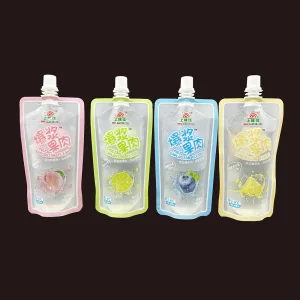
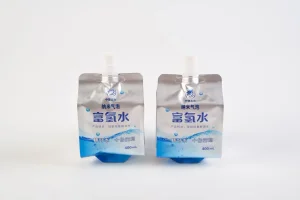
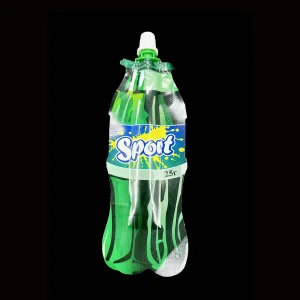
Drip pack coffee (also known as drip bag coffee) has emerged as one of the fastest-growing segments in the global coffee sector. As consumers increasingly prioritize both speed and cup quality, packaging serves as the critical link in preserving volatile aroma profiles and preventing chemical deterioration. For coffee roasters, distributors, and brands globally, partnering with an experienced China drip pack coffee supplier is essential to secure highly engineered, food-grade barrier films that prevent degradation caused by oxygen exposure, moisture infiltration, and ultraviolet degradation.
The fresh roasted state of coffee is notoriously sensitive. Freshly ground coffee contains delicate lipophilic compounds, dynamic aromatic aldehydes, and volatile oils that immediately oxidize when exposed to air. To address this, the industrial standard relies on multilayer, laminated structures that incorporate protective polymer compounds. From a materials science standpoint, these packaging solutions use high-barrier materials like EVOH (Ethylene Vinyl Alcohol), VM-PET (Vacuum-Metallized Polyester), and pure aluminum foils to minimize Oxygen Transmission Rates (OTR) and Water Vapor Transmission Rates (WVTR). Maintaining an oxygen barrier below 1.0 cc/m²/day and moisture permeability below 0.1 g/m²/day ensures that ground coffee remains as aromatic and fresh as the day it was roasted, with an extended shelf life of up to 18 months.
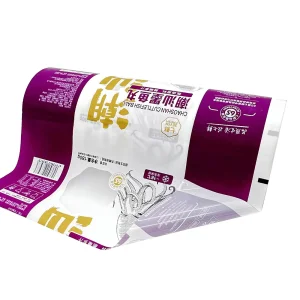
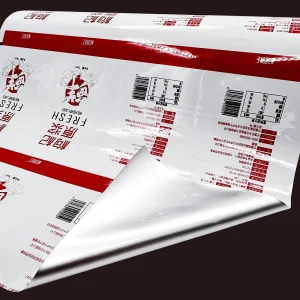
As a leading manufacturing hub, China's supply chains have evolved to supply sophisticated, sustainable packaging materials. Dongfa Printing Co., Ltd. has spent decades refining the mechanical properties of laminated roll films and pre-made pouches to match the performance demands of modern packing machines. In typical drip coffee assembly configurations, the packaging material goes through intense mechanical stresses, including high-speed form-fill-seal (FFS) cycles, ultrasonic mesh welding, and nitrogen flush injections.
Our typical high-barrier drip coffee pouch configuration consists of three primary, co-extruded/laminated functional layers designed to maximize durability and freshness:
A critical parameter in B2B coffee supply chains is sealing integrity. Traditional thermal sealing risks damaging delicate non-woven filter fabrics, which can introduce plastic particulate micro-contaminants or alter the extraction profile. Advanced Chinese manufacturers utilize ultrasonic sealing, which generates localized friction heat only at the molecular interface of the filter bag. This guarantees a clean, hermetic seal without using chemical adhesives, preserving the authentic cup profile and meeting strict European and North American food contact regulations.
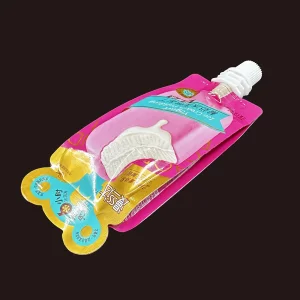
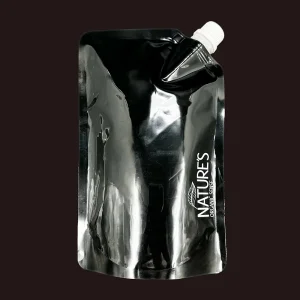
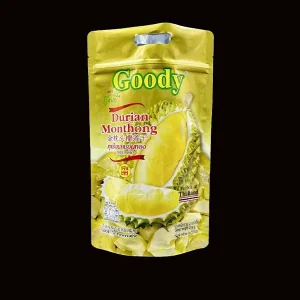
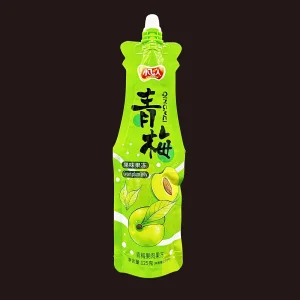
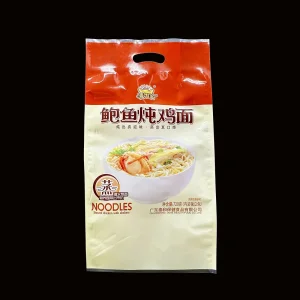
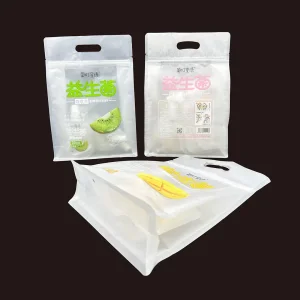
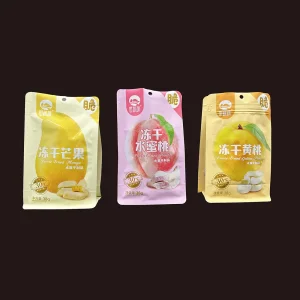
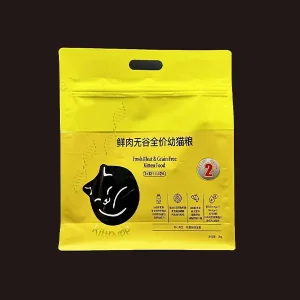
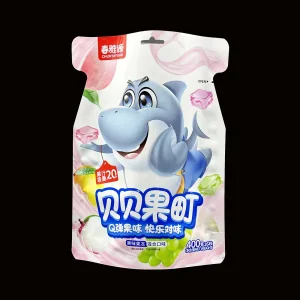
From classic stand-up pouches and quad-seal bags to custom-contoured shapes, we tailor packaging formats to optimize shelf appeal and support high-speed packaging machinery lines.
Designed to withstand demanding sterilization processes, including pasteurization and high-pressure retort sterilization at temperatures up to 121°C.
We actively develop biodegradable PLA non-woven filters and single-material recyclable plastic pouch options to help global coffee brands reduce their carbon footprint.
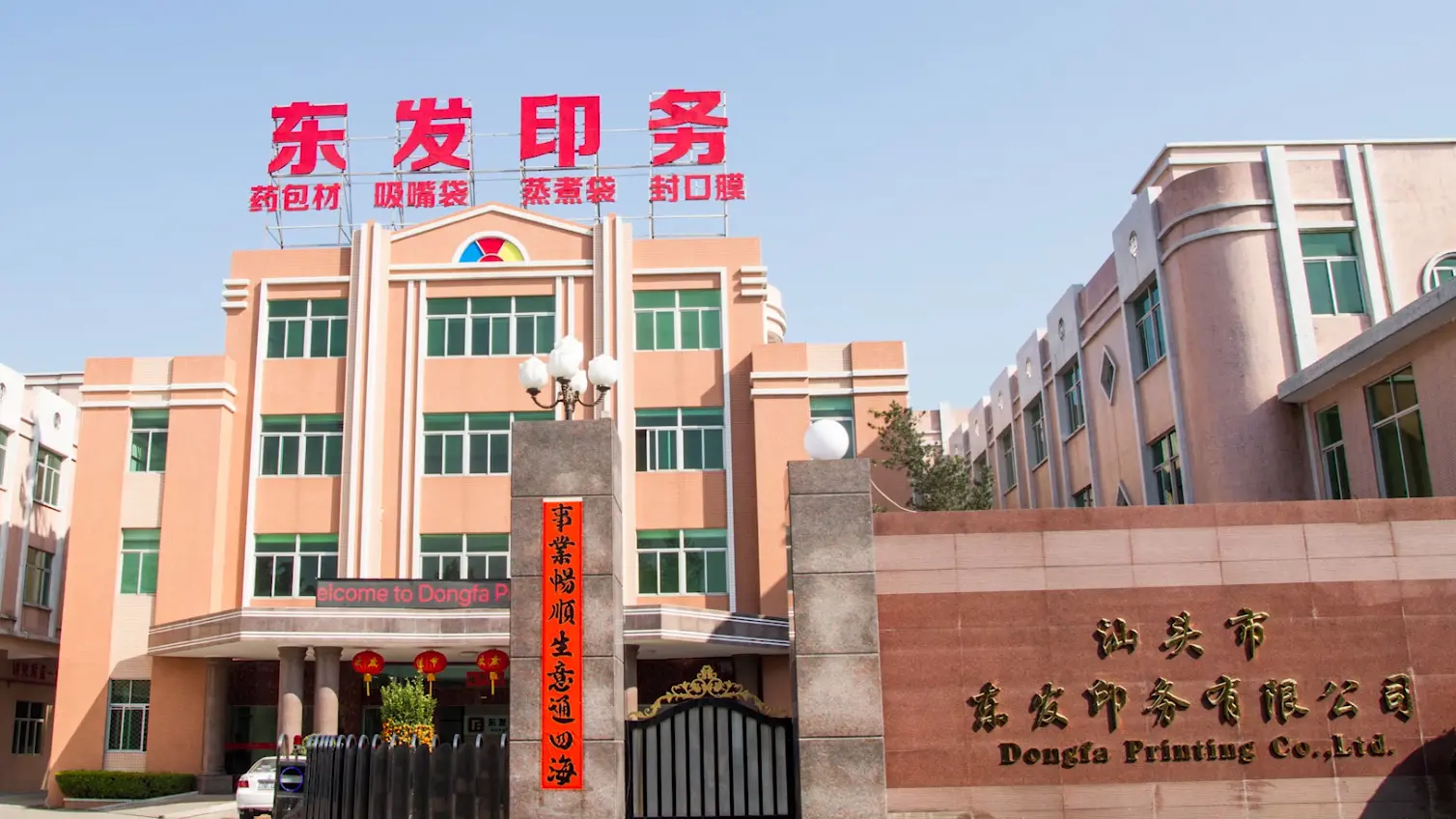
Why source drip pack coffee packaging components from China? The answer lies in the deep supply chain ecosystem. Dongfa Printing Co., Ltd. operates a vertically integrated production model. Our facilities handle everything from raw material processing and co-extrusion lamination to high-speed multi-color printing, slitting, and final bag making. This integration reduces transportation and communication overhead, leading to faster lead times and consistent product quality.
Our GMP-compliant cleanroom workshops minimize air particulate and microbial contamination during manufacturing. This cleanroom setup is essential for manufacturing components that contact hot beverages directly, preventing contamination and off-odors that would affect delicate single-origin specialty coffees. Furthermore, our printing lines feature advanced online quality inspection equipment. This system uses high-resolution cameras and real-time AI image analysis to detect minor defects like ink smudges, color shifts, pinholes, or misregistrations at speeds up to 300 meters per minute.
This rigorous quality control translates directly to cost savings for brands. With zero defect rates and precise slitting tolerances, our rolls feed smoothly into automatic packaging machines (such as Yamanaka, Fuso, or Fuyo lines), minimizing machine downtime, heat sealing failures, or material waste during high-speed production.
Drip bag coffee consumption has spread beyond its origin in Japan to become a global staple. Each market requires specific configurations to meet local consumer preferences and regulatory standards:
Consumers in these markets favor single-origin profiles and require compact, highly rigid drip bag hangers that fit securely on various cup sizes. The packaging design trends emphasize minimalist aesthetics, soft-touch matte varnishes, and clean labeling. In Southeast Asian markets, the high humidity requires superior WVTR barriers to prevent the ground coffee from caking inside the single-serve packets.
In Western markets, sustainability is a key factor in purchase decisions. Brands look for compostable materials, such as bio-based PLA filters and fully recyclable mono-polymer polyethylene outer pouches. Additionally, packaging formats trend toward larger retail carton packs (e.g., 10-count or 20-count boxes), requiring robust outer flat-bottom pouches with resealable zippers to keep individual packs organized.
The Middle Eastern market is seeing a rise in demand for premium, giftable coffee packaging. Gold leaf accents, rich metallic gravure prints, and high-barrier structures like aluminum foil layers are popular. These structures protect the coffee from oxidation under high ambient temperatures during shipping and storage.
Exporting packaging materials globally requires strict compliance with international food contact regulations. Dongfa Printing maintains ISO 9001, ISO 22000, and standard food-grade certifications. Our materials undergo migration tests to verify compliance with US FDA 21 CFR regulations, European EC 1935/2004 standards, and German LFGB food safety guidelines.
We verify that our barrier adhesives, solvent-free laminations, and printing inks do not release harmful chemical compounds (like heavy metals, primary aromatic amines, or volatile organic compounds) during extraction. This focus on chemical safety is why our packaging materials are widely used for baby food pouches, medical applications, pet foods, and liquid packaging.
What are the MOQ (Minimum Order Quantity) requirements for custom drip pack coffee envelopes?
For custom-printed roll film or pre-made pouches, the standard MOQ typically ranges from 10,000 to 30,000 pieces per design, depending on the sizing, material structure, and printing complexity. Contact our sales department to discuss custom pilot runs for new brand launches.
What printing options do you offer for custom B2B packaging?
We operate high-speed rotogravure printing presses capable of printing up to 10 colors. This process supports precise pantone matching, registration, matte/gloss contrast finishes, and metallic effects to elevate shelf appearance.
Do you offer fully compostable or recyclable material configurations?
Yes. We manufacture eco-friendly options, including mono-PE recyclable laminates and fully compostable PLA/paper structures. These configurations maintain high barrier performance while meeting modern environmental standards.
How do you ensure zero-defect quality on high-speed automatic packaging lines?
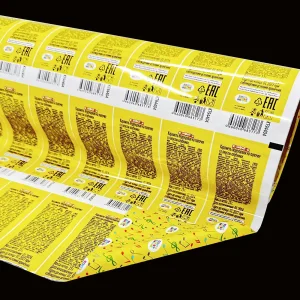
Our production lines are equipped with automated inline quality inspection systems. These cameras detect color shifts, printing defects, or physical imperfections in real-time, ensuring roll reels run smoothly on high-speed form-fill-seal machinery.
Can your pouches handle high-temperature sterilization?
Absolutely. Our retort-grade films are engineered to withstand temperatures up to 121°C during steam sterilization and pasteurization cycles without delamination or barrier degradation.
Engineered for chemical products, pet food, daily cosmetics, and large-scale automatic filling operations.
We deliver reliable flexible packaging solutions and engineering support to global brands and food processors.
 DongFa Printing