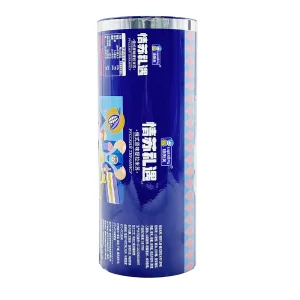
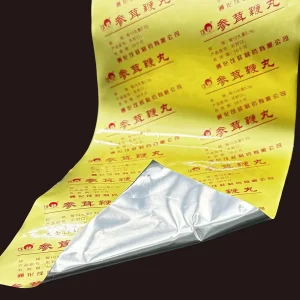
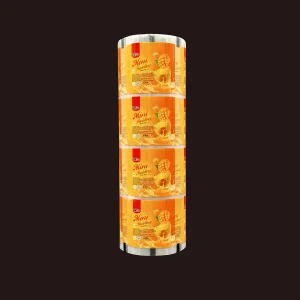
Unlocking superior barrier technologies, thermal durability, and food preservation mechanisms to replace rigid container formats.
SEO Insight & Information Gain: Historically, hot-pack food service systems relied heavily on rigid metal or glass containers. Today, the global FMCG and industrial packaging sectors demand flexible laminates, co-extruded films, and high-performance sealing cup films to minimize logistics costs, reduce carbon footprint, and maintain aseptic compliance. Dongfa Printing leads this transition with state-of-the-art co-polymer engineering.
Capable of enduring pasteurization, HPP, and retort steam sterilization processes up to 121°C–135°C without compromising structural integrity or delaminating layers.
Utilizing high-density VMPET, Nylon (NY), and PET materials to optimize Oxygen Transmission Rates (OTR) and Water Vapor Transmission Rates (WVTR) for extended shelf life.
Engineered easy-tear layers incorporating low-temperature heat-seal EVA or chemically resistant CPP to ensure flawless hermetic sealing on automated assembly lines.
For operations using high-performance filling machines, material thickness consistency (measured in micrometers, e.g., 108μm, 110μm, or 103μm) plays an essential role in mechanical throughput. Modern packaging systems utilize multilayer extrusion. For example, a PET/VMPET/EVA laminate provides dual benefits: the PET outer layer provides high tensile strength and print clarity, the VMPET core acts as a metallized barrier block to UV rays and ambient humidity, and the EVA layer ensures a tight seal with clean-peel properties. Alternatively, NY/CPP systems are deployed for high-pressure retort sterilization processes up to 121°C.
Analyzing market shifts toward mono-materials, automated high-speed logistics, and sustainable chemistry in international trade.
Brands in Western Europe and North America are transitioning from multi-material composites to recyclable mono-material structures (such as all-PE or all-PP laminates). Dongfa Printing is actively innovating in sustainable barrier coatings to reduce environmental impact while maintaining high oxygen barriers, helping partners reach carbon-neutral targets.
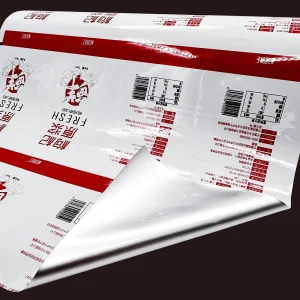
Global packaging plants operate high-speed automated form-fill-seal (FFS) systems. If film coefficient of friction (COF) or tensile memory is inconsistent, machines jam. Our automated roll films (such as 88μm and 92μm structures) are engineered with optimized slip agents to ensure fast, continuous processing.
Chemical migration limits are highly regulated under EU and FDA standards. Using advanced electronic-shaft rotogravure printing presses and solvent-free lamination systems, Dongfa Printing keeps residual solvents far below standard thresholds, ensuring total safety for sensitive products like baby food, liquid jellies, and medical solutions.
Factory 4.0: Supply Chain Resilience & Production Advantage: Operating out of automated GMP workshops, Dongfa Printing integrates online vision inspection cameras directly onto printing presses. These systems scan 100% of the run in real-time, instantly identifying alignment shifts, ink anomalies, or pinholes, preventing compromised film rolls from reaching the shipping stage.
Over 35 years of professional printing & packaging manufacturing, specializing in food, medicine, and chemical packaging solutions.
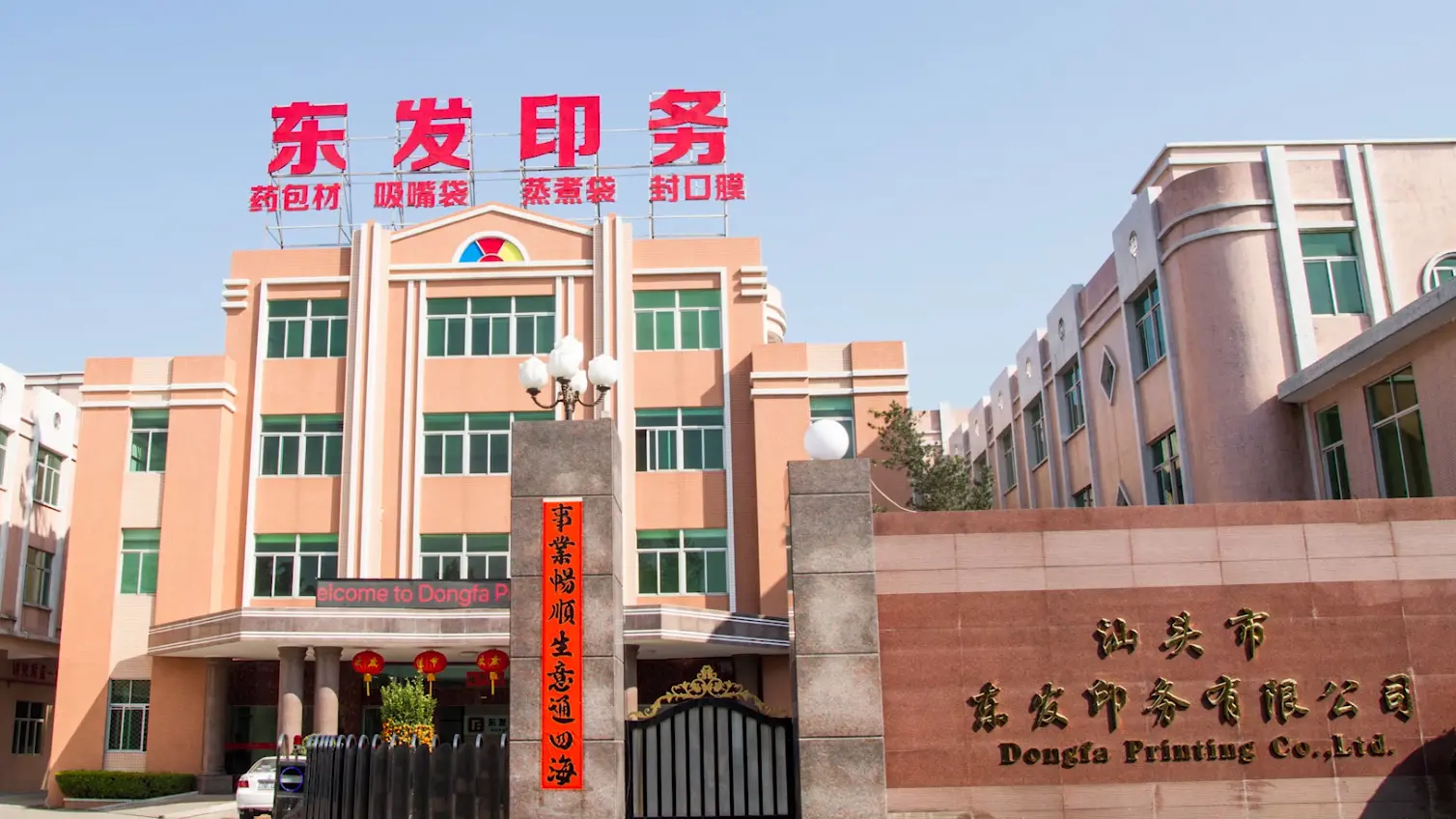
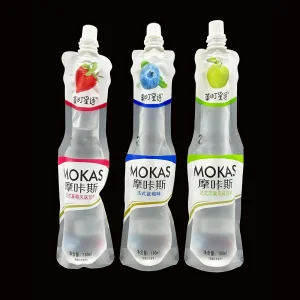
We specialize in the development and production of various liquid packaging films and bags, suitable for use in pasteurization and retort steam sterilization processes, as well as different types of spout bags and sealing cup films. Based on our printing machines with online quality inspection equipment and GMP workshops, we adhere to high-quality materials, professional production, and strict quality control.
Our business scope covers the entire process from design and plate making to printing and binding. Whether it is commercial printing or personalized customization, we fulfill customer needs with our professional technical skills and attentive service.
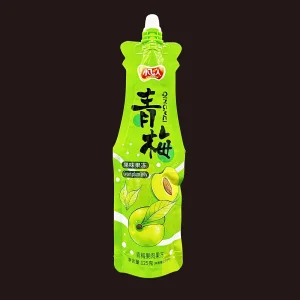
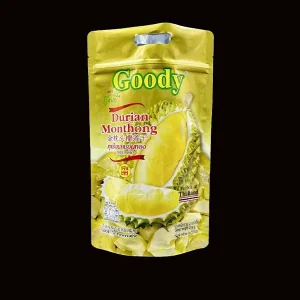
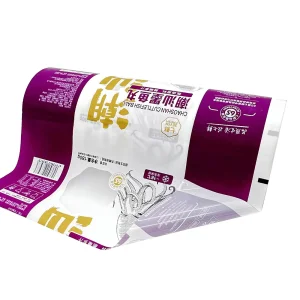
We produce spout bags, retort bags, back sealing bags, three-side seal bags, stand-up pouches, quad-seal pouches, flat-bottom bags, zipper pouches, and customized roll films for food, medicine, and daily-use products.
Our corporate values are "integrity, professionalism, innovation, and win-win." We strive for win-win outcomes with customers, employees, and society, guiding our business practices and inspiring our team.
Our products are exported to the Middle East, Southeast Asia, Africa, North America, and Japan, receiving widespread praise. We prioritize environmental protection and sustainable development, striving to reduce pollution and waste.
Aligning high-barrier flexible packaging with industrial applications and end-user needs.
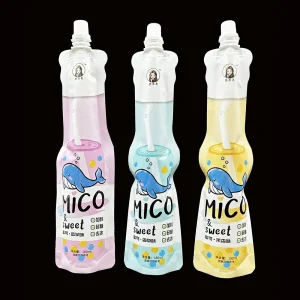
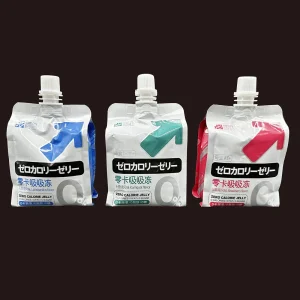
Spout stand-up pouches (108μm to 110μm thickness) are engineered to withstand hot-fill processes where temperatures reach 85°C to 90°C. Optimized structural design prevents thermal shrinkage or seal failure during inline cooling water baths.
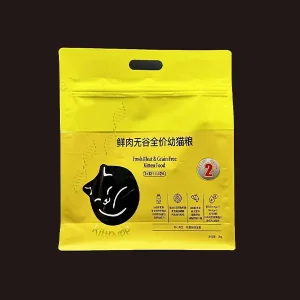
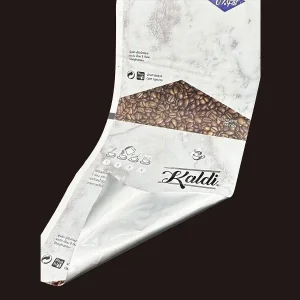
Flat bottom zipper pouches (such as 2kg configurations) and high-temperature packaging films are engineered to survive autoclave steam cooking cycles up to 121°C. This maintains barrier protection and prevents gas leaks over long distribution cycles.
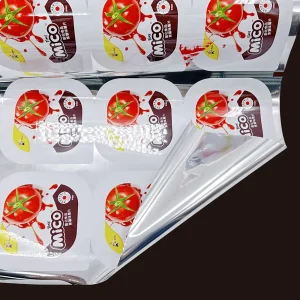
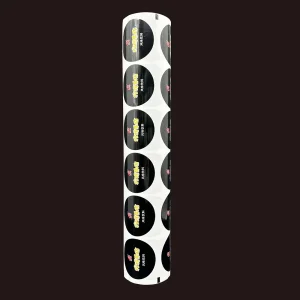
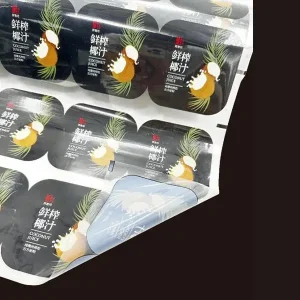
Our PET+VMPET+EVA and NY+CPP sealing films are engineered for automatic tray sealer machines. They provide consistent heat sealing, reliable peelability, and tight barrier integration to keep dairy products, puddings, and sauces fresh.
Answers to critical questions regarding film performance, sterilization chemistry, and sourcing logistics.
PET/VMPET/PE structures are excellent for general barrier protection and light protection, with heat resistance up to approximately 90°C. For retort sterilization systems reaching 121°C to 135°C under high pressure, a Nylon/CPP structure is required. Nylon offers puncture resistance and structural stability, while Cast Polypropylene (CPP) acts as the high-temperature sealing layer, resisting thermal deformation during autoclave processing.
We work with raw material suppliers using food-grade resins and print using low-migration polyurethane inks and solvent-free adhesives. Lamination takes place in our ISO-compliant GMP workshop, followed by curing at controlled temperatures. This process reduces VOCs and residual solvents to levels below international migration limits, complying with FDA and European regulations.
Even small variations in film thickness affect heat transfer and sealing rates on automated equipment. A calibrated thickness (e.g., 108μm for spout pouches) is selected to match specific machine settings, ensuring uniform seal strength. Inconsistent thickness can lead to weak seals or film burn, making precise micrometer control essential for efficient high-speed production.
Our internal quality control lab conducts tests including gas chromatography (for solvent residue), tensile and peel strength tests, burst pressure testing for spout bags, and environmental aging chambers to simulate shelf life. We also offer pre-shipment testing to ensure compatibility with your filling equipment.
Delivering packaging solutions and reliable services to brands worldwide.


 DongFa Printing