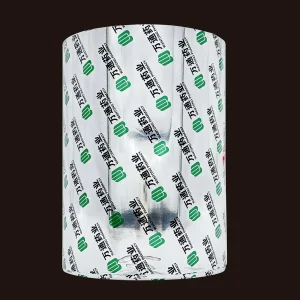
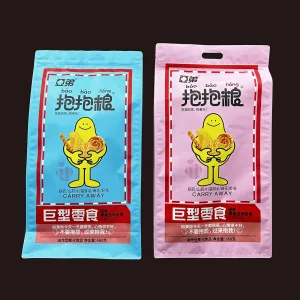
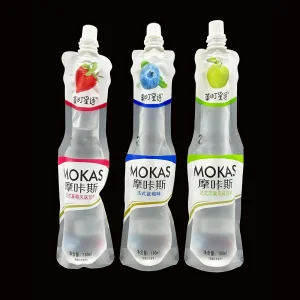
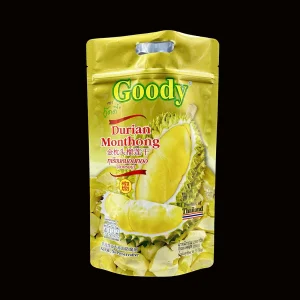
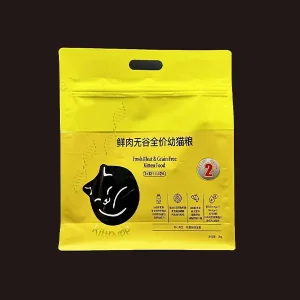
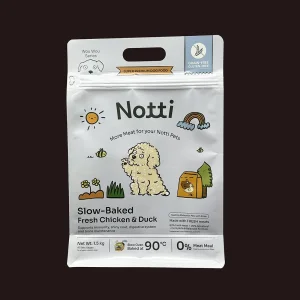
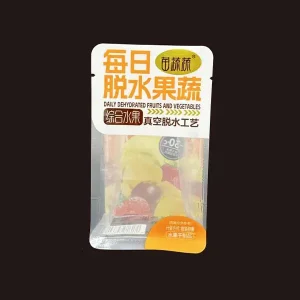
Engineered for minimal dead weight, high barrier properties, and maximum durability for commercial outdoor food production.
In the high-stakes discipline of backpacking and wilderness exploration, weight is the ultimate metric of performance, safety, and physical endurance. A central question facing outdoor food brands, commercial packagers, and long-distance hikers alike is: "How much should backpacking food weigh?"
Statistically, the industry consensus recommends target dry food weights ranging between 1.5 to 2.0 pounds (680 to 907 grams) per person, per day. This mass must yield a high energy yield, targetting approximately 120 to 150 calories per ounce (4.2 to 5.3 kcal/g). To achieve this demanding ratio, food scientists rely heavily on freeze-drying and dehydration technologies. However, the unsung hero of the equation is the packaging material science.
"Conventional rigid packaging structures can account for up to 15% of total food cargo weight. Transitioning to advanced flexible barrier packaging reduces this parasitic weight to less than 2%, significantly decreasing the cumulative weight burden of multi-day expeditions."
The weight of the food itself is fundamentally linked to its moisture content. Removing moisture reduces the bulk weight by up to 90%. However, dehydrated and freeze-dried foods are highly hygroscopic; they greedily absorb moisture and oxygen from the air, which leads to rapid oxidation, rancidity of fats, and loss of crisp texture. Thus, high-barrier laminates are mandatory. The challenge is delivering this barrier without adding heavy plastics or metal sheets.
| Packaging Material Structure | Thickness (Typical) | Weight per m² | Oxygen Barrier (OTR) | Moisture Barrier (WVTR) |
|---|---|---|---|---|
| PET / AL / PE (Alu Foil Laminate) | 105µm - 145µm | 110 - 150g | < 0.1 cc/m²/day | < 0.1 g/m²/day |
| PET / VMPET / PE (Metallized) | 75µm - 108µm | 80 - 110g | < 1.0 cc/m²/day | < 0.8 g/m²/day |
| NY / PE (Co-extruded High-Strength) | 72µm - 100µm | 70 - 95g | < 15.0 cc/m²/day | < 2.5 g/m²/day |
The global demand for high-performance backpacking food packaging is experiencing a major expansion. Commercial procurement departments from Europe, North America, and Japan are seeking materials that satisfy three critical criteria: lightweight, puncture resistance, and environmental sustainability.
In particular, the rise of "pour-and-serve" meals (where hot water is added directly into the bag) has shifted structural demands toward high retort laminates capable of sustaining temperatures up to 121°C/135°C without delaminating or leaching chemical compounds. Brands cannot afford compromised seals, which lead to spoilage and jeopardize brand equity.
As international supply chains experience volatility, China's packaging factories have transitioned toward high-value, high-precision engineering—known as Industry 4.0. Companies like Dongfa Printing Co., Ltd. leverage integrated manufacturing loops that combine plate making, high-speed multi-color printing, solventless lamination, and automated bag-making under one roof.
Key manufacturing benefits that drive global procurement to China include:
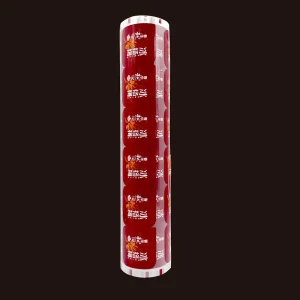
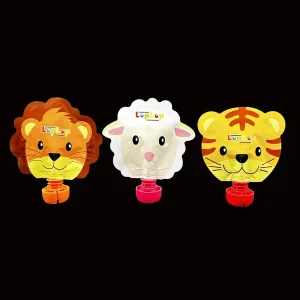
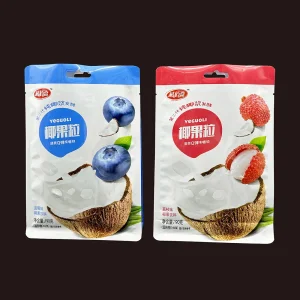
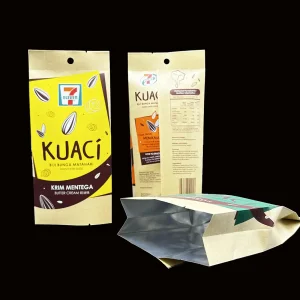
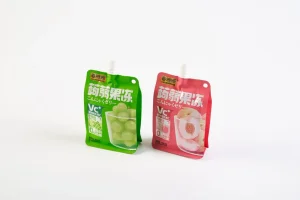
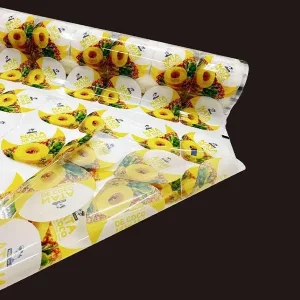
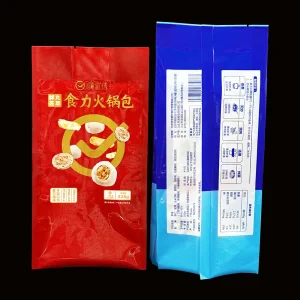
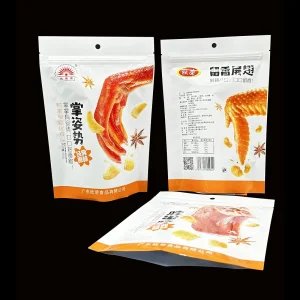
To optimize food weight, manufacturers utilize targeted plastic matrices. Our product portfolio represents these configurations, including:
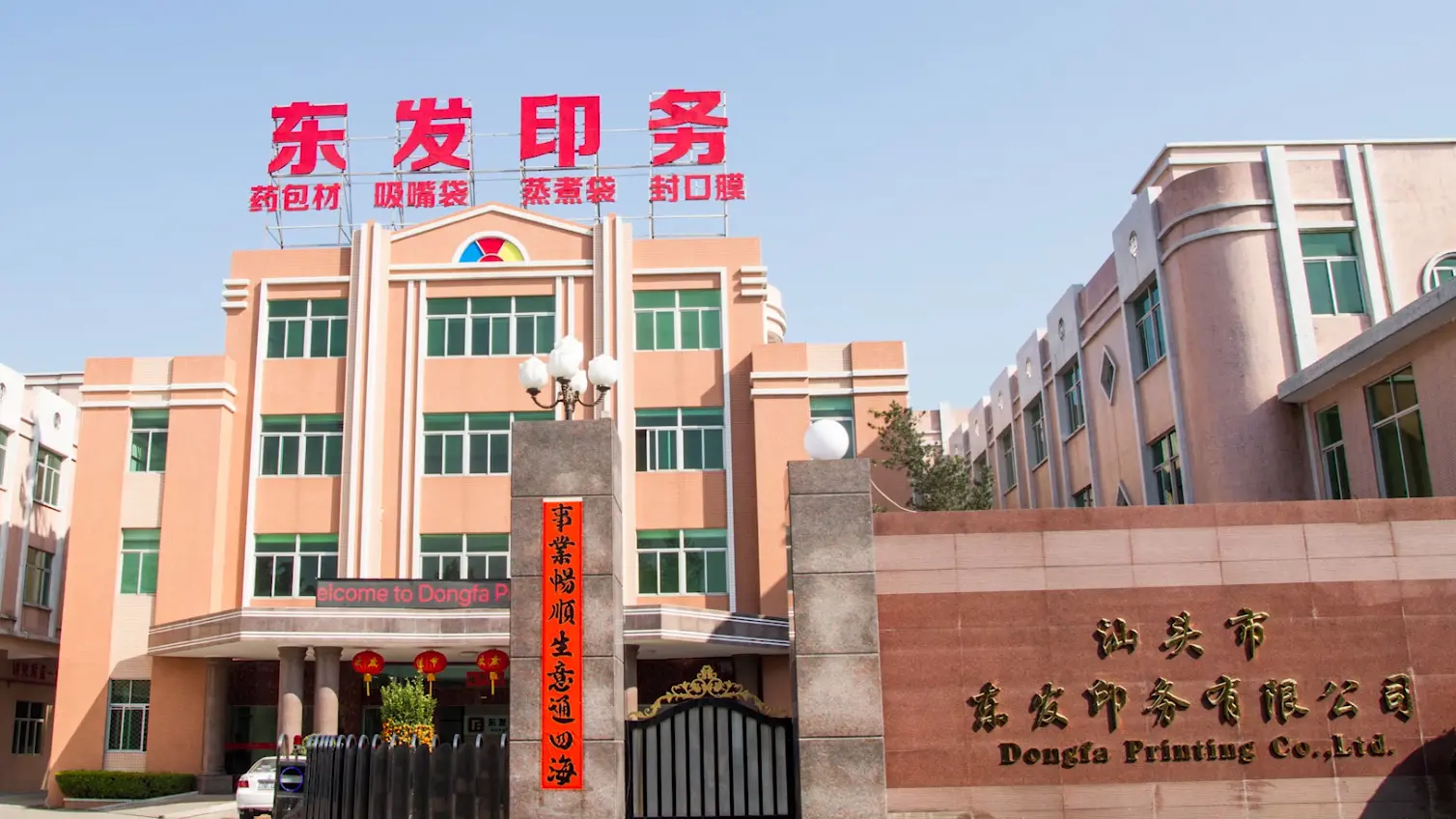
GMP Compliant Lamination Facility
How modern technology is reshaping the global lightweight nutrition infrastructure.
Transitioning from complex laminates to recyclable mono-PE or mono-PP structures that match traditional barrier performance while minimizing carbon footprint.
Sourcing shelf-stable lipids (nut butters, seed oils) packed in micro-sized lightweight spout pouches, eliminating heavy plastic jars on long hikes.
Increased demand for retort-capable pouches that survive contact with boiling water without releasing phthalates or affecting food taste profile.
Dongfa Printing Co., Ltd. has over 35 years of professional experience in printing and packaging manufacturing. We provide all kinds of packaging, specialize in the development and production of various liquid packaging films and bags, suitable for use in pasteurization and retort steam sterilization processes, as well as different types of spout bags and sealing cup films.
Based on our state-of-the-art printing machinery equipped with online quality inspection systems and a standardized GMP workshop, we adhere to premium materials, professional production protocols, and strict quality control. We can provide you superior products and best service.
Since our establishment, Dongfa Printing has been committed to providing customers with efficient and high-quality printing services. Our business scope covers the entire process from design and plate making to printing and final conversion. Whether it's high-volume commercial runs or personalized customization, we fulfill customer needs with our professional technical skills and attentive service.
Our corporate values are "integrity, professionalism, innovation, and win-win." We uphold integrity as our foundation, professionalism as our basis, innovation as our driving force, and strive for win-win outcomes with customers, employees, and society.
We believe in transparent partnerships, precise material specifications, and honest lead-time commitments.
Equipped with state-of-the-art machinery and certified engineering talent to deliver flaw-free flexible packaging.
Constantly researching new polymers, barrier films, and lightweight structures for the changing global market.
Building sustainable long-term value chains that benefit brands, manufacturers, and end consumers alike.
Trusted by major consumer brands and industrial companies globally.


Expert answers regarding food weight, packaging options, and China manufacturing capabilities.
From flat-bottom designs to specialized spout applications, locate the exact configuration your supply chain requires.
 DongFa Printing