High-performance barrier laminates, spout pouches, and kraft composites precision-manufactured for international supply systems.
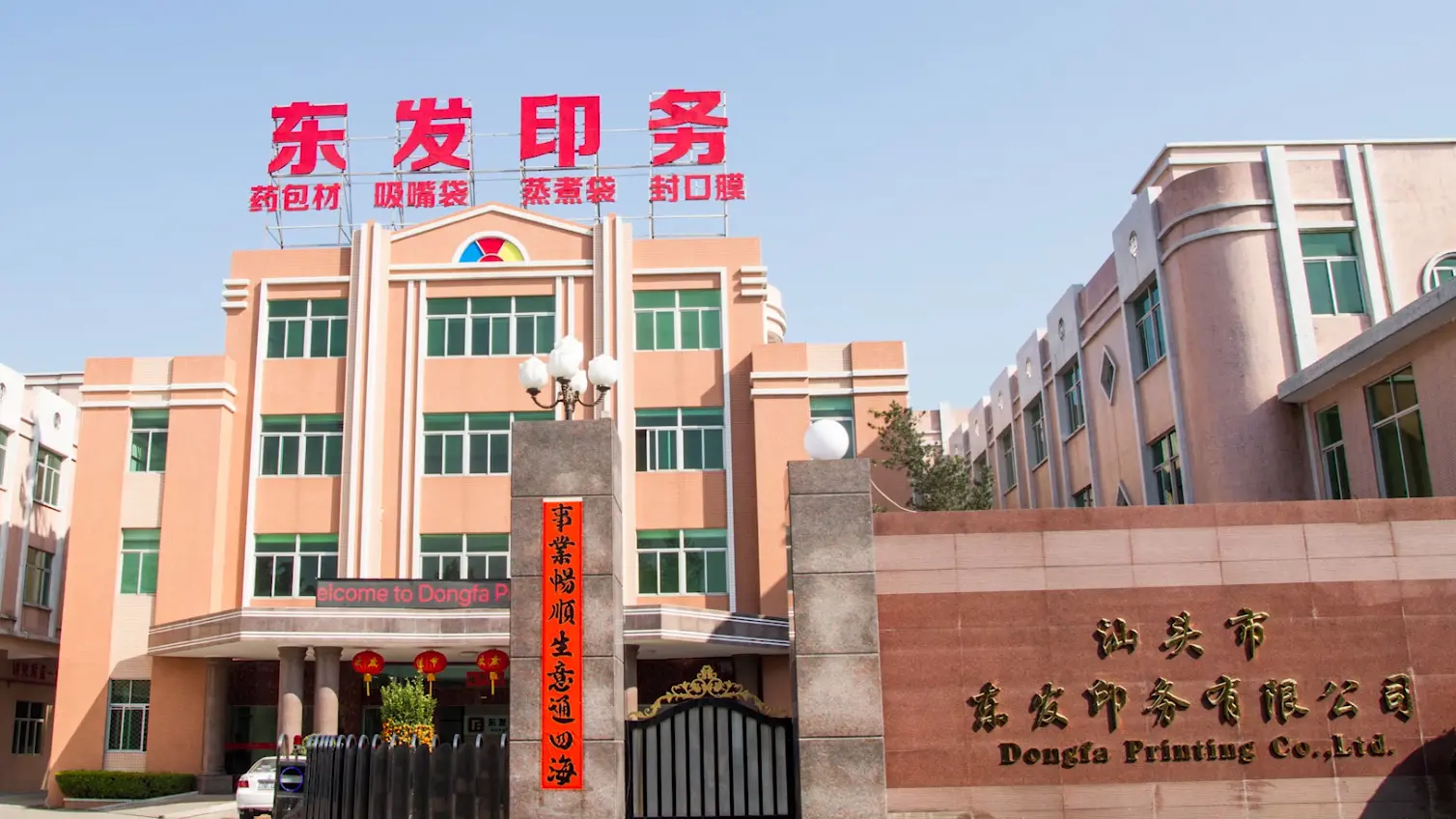
In the highly competitive global consumer goods, pharmaceutical, and specialty foods markets, packaging functions as both a critical barrier protecting product integrity and a primary touchpoint for sustainable brand equity. The demand for China Pouch Kraft Suppliers and Factories has surged as procurement executives seek the optimal combination of functional cost-efficiencies, raw material sustainability, and advanced barrier performance. As a pioneer in packaging innovation, Dongfa Printing Co., Ltd. presents this analytical look at high-performance laminates, production criteria, and compliance protocols governing today's flexible packaging systems.
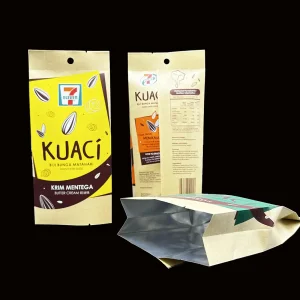
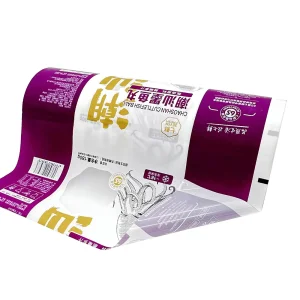
The modern Kraft pouch is not merely a single sheet of paper; it is a complex, co-extruded multi-layer composite system engineered to isolate the enclosed product from environmental elements. Typical high-performance laminates incorporate raw Kraft paper (supplying mechanical structural stiffness, puncture resistance, and natural visual aesthetic) bound to distinct barrier polymers and sealant webs. The layer-by-layer composition of a typical four-layer Kraft laminate is configured as follows:
By optimizing these structural components, Dongfa Printing ensures that our composites resist delamination during high-temperature sterilizations (such as pasteurization and retort procedures), extending the shelf-life of complex compounds and liquid foods.
Strategic procurement from a dedicated China-based flexible packaging factory provides distinct technical advantages. Located in China’s advanced printing industrial clusters, Dongfa Printing manages a highly integrated manufacturing infrastructure. This vertical integration allows us to optimize raw material sourcing (such as FSC-certified kraft papers, specialty polymers, and custom closures) while reducing waste through precision high-speed machinery.
With 35 years of industrial experience, our facility handles complex production runs using advanced rotogravure press technologies. This high-throughput capability is coupled with online optical defect inspection systems, ensuring that print alignments, seal integrity, and shape profiles meet precise parameters. Additionally, our high-density automated manufacturing lines reduce handling times, enabling faster lead times and lower unit costs compared to regional packaging converters in North America or Western Europe.
For multinational food, chemical, and pharmaceutical brands, packaging compliance is non-negotiable. Leading regulatory bodies (including the US FDA, European Union EC 1935/2004, and APAC health ministries) enforce strict limits on plasticizer migrations, heavy metals, and raw chemical contact. Dongfa Printing operates a GMP-standard cleanroom workshop to maintain absolute environmental cleanliness during extrusion, printing, and bag-making cycles.
Our raw materials (from PE resins to water-based food-grade inks) are fully certified and traceable. Our internal testing laboratory performs regular seal strength tests, burst pressure tests, and gas chromatography measurements to monitor solvent retention. This transparent process guarantees that every pouch, whether configured with a reclosable zipper or an integrated pouring spout, is suitable for retail and transport conditions.
As international consumer packaging directives trend toward circular economy models, the industry is transitioning away from mixed-material laminates that are difficult to recycle. The goal is to develop recyclable mono-material structures (such as all-PE or all-PP barrier pouches) that match the protective performance of traditional multi-material composites.
Dongfa Printing is at the forefront of this shift, developing advanced mono-oriented PE structures coated with high-barrier EVOH (Ethylene Vinyl Alcohol). These formulations provide excellent protection against oxygen and moisture, while remaining compatible with existing polyethylene recycling systems. This technological advancement allows brands to meet strict packaging waste requirements without compromising product safety or shelf-life.
| Material Structure Type | Typical Thickness Range | Oxygen Barrier (OTR) | Moisture Barrier (MVTR) | Primary B2B Application |
|---|---|---|---|---|
| Kraft Paper / VMPET / LLDPE | 110μm – 140μm | Medium-High (<1.5 cc/m²/day) | Excellent (<1.0 g/m²/day) | Coffee, Specialty Tea, Nut Products, Granular Foods |
| Kraft Paper / AL Foil / LLDPE | 120μm – 150μm | Near Zero (<0.05 cc/m²/day) | Near Zero (<0.05 g/m²/day) | Dehydrated Infant Food, Organic Powder, Long Life Products |
| Recyclable PE / EVOH / PE (Monomaterial) | 90μm – 130μm | High (<0.8 cc/m²/day) | Good (<1.5 g/m²/day) | Eco-Conscious Food Brands, Household Chemicals, Cosmetics |
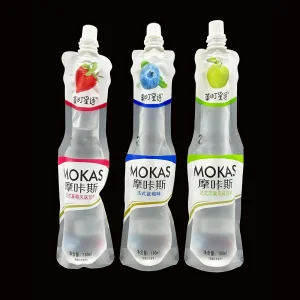
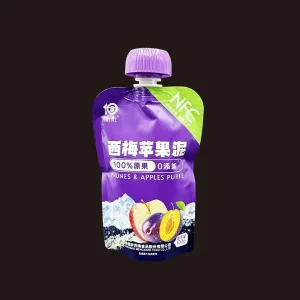
| PET / Nylon / Retort PE (Spouted) | 100μm – 145μm | Excellent (<1.0 cc/m²/day) | Excellent (<0.8 g/m²/day) | Liquid Purees, Sauces, Pasteurization Beverages, Soup Stocks |
Deploying flexible packaging formats to meet regional logistics demands, retail display setups, and specific industrial applications.
Laminated Kraft pouches fitted with one-way degassing valves release carbon dioxide from roasted beans while blocking oxygen entrance. This structural design preserves delicate aromatics and prevents oxidation during sea transit and retail storage.
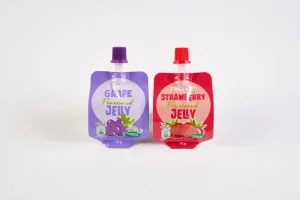
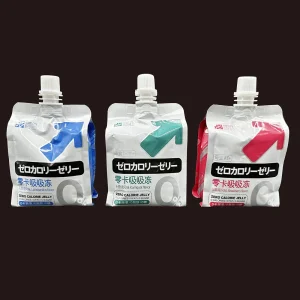
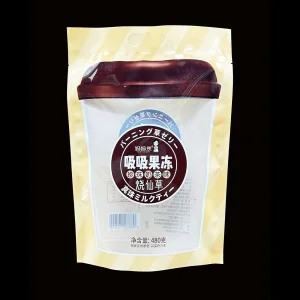
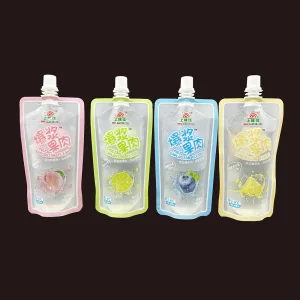
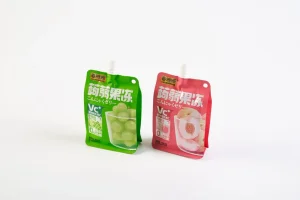
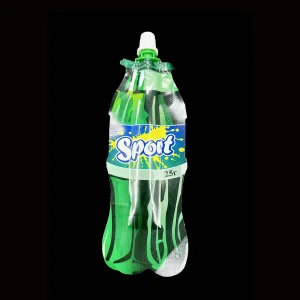
Heavy-duty, stand-up spouted pouches provide a stable alternative to glass jars and metal cans. Capable of surviving pasteurization and high-pressure steam sterilization, these pouches optimize retail shipping weight and minimize product damage during transport.
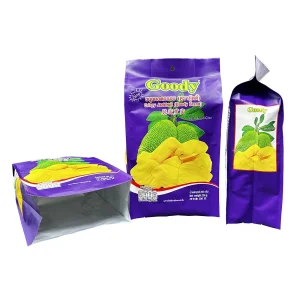
Flat-bottomed bags and quad-sealed pouches made with high-performance PE+VMPET+PE layers protect household detergents, cosmetics, and agricultural powders from moisture and clumping, ensuring consistent product performance.
When selecting a manufacturing partner, B2B procurement managers must look beyond unit pricing. Realized value is determined by the total cost of ownership (TCO), which includes scrap rates, fill-line efficiency, and legal compliance. Partnering directly with a manufacturer like Dongfa Printing offers several key operational benefits:
Detailed technical answers addressing custom manufacturing, barrier selection, and supply chain logistics.
Direct access to our factory-certified flexible packaging solutions, including high-performance barrier bags, spouted films, and custom composites.
 DongFa Printing