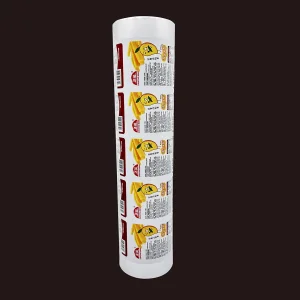
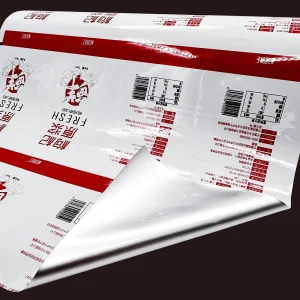
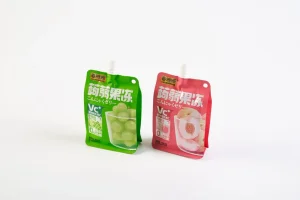
The global flexible packaging market is witnessing a major paradigm shift as consumer packaged goods (CPG) brands phase out traditional metal cans and glass bottles. At the center of this conversion is the retort pouch—a highly engineered laminate structured to withstand extreme thermal processing while preserving sensory and nutritional properties. Retort technology is expanding rapidly because it offers a significant reduction in transportation weight, carbon footprint, and energy consumption during thermal processing.
Retort packaging uses high-temperature, high-pressure steam sterilization to eliminate micro-organisms. It preserves structural integrity up to 135°C, ensuring a commercial shelf life of 12 to 24 months without refrigeration or chemical preservatives.
Empty retort pouches are shipped flat, saving warehousing space and reducing transit costs. A single truck can carry millions of empty pouches, reducing shipping volume by up to 90% compared to equivalent metal cans.
The thin profile of retort pouches allows heat to reach the thermal center of the food much faster than in thick metal cans. This shorter exposure time prevents overcooking, preserving the texture, flavor, and nutrients of the packaged food.
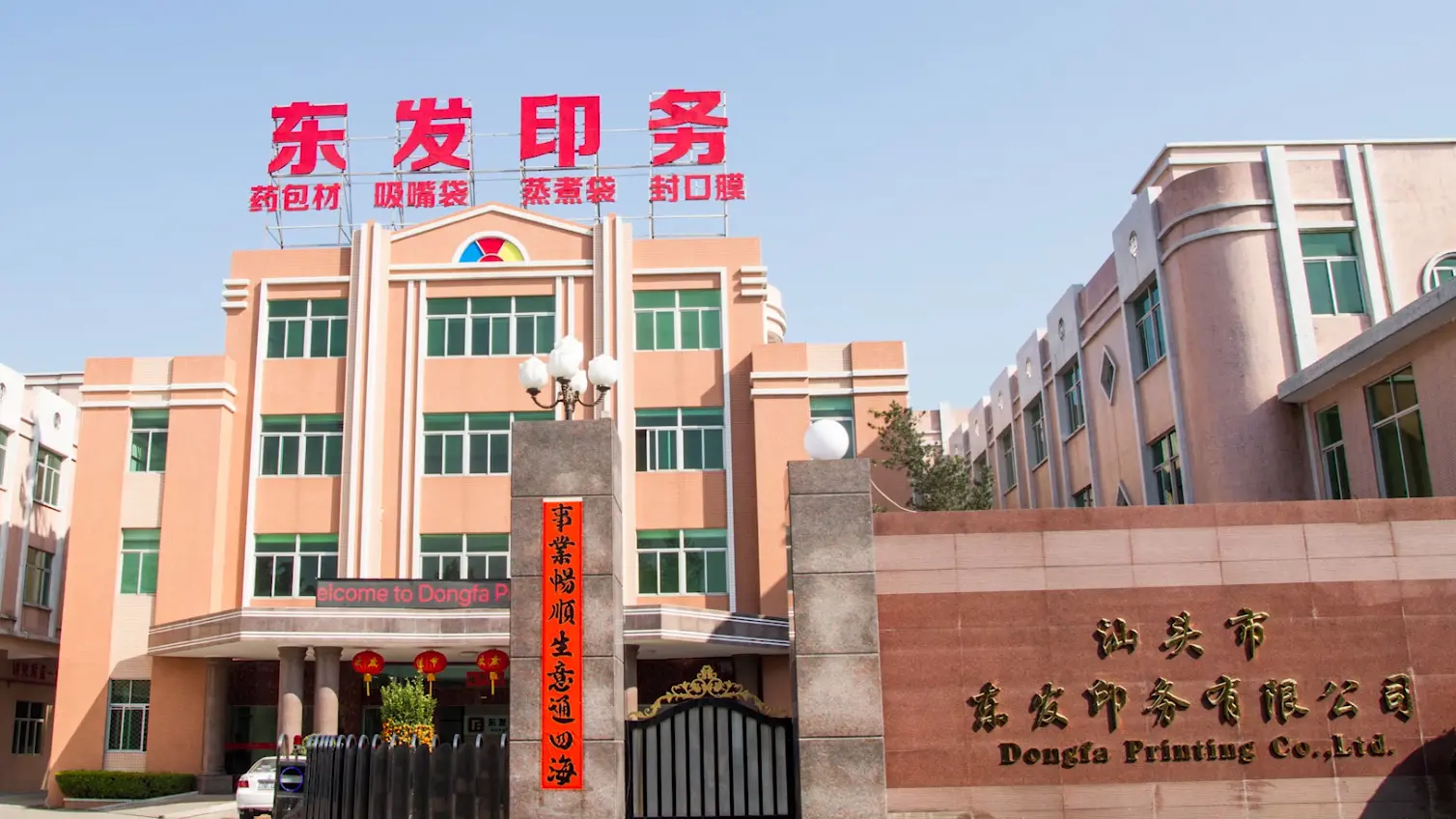
Dongfa Printing Co., Ltd. has over 35 years of professional experience in printing and packaging manufacturing. We specialize in the development and production of various liquid packaging films and bags suitable for pasteurization and retort steam sterilization processes, as well as spout bags and sealing cup films.
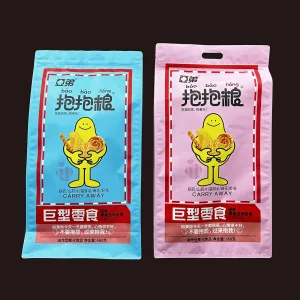
Operating from a state-of-the-art GMP-compliant cleanroom workshop and using advanced high-speed rotogravure printing presses with online vision defect inspection systems, we maintain precise control over material formulation and manufacturing tolerances. We offer custom flexible packaging for food, medicine, daily-use items, and chemicals—including retort bags, stand-up pouches, spout bags, quad-seal pouches, flat-bottom bags, and customized roll films.
Our core corporate values guide our business practices: "integrity, professionalism, innovation, and win-win". We aim to drive packaging innovation while focusing on environmental protection and sustainable development to minimize waste.
To withstand high sterilization temperatures (121°C to 135°C) and counter internal thermal expansion, retort structures must be carefully balanced. Multi-layer laminations utilize high-temperature adhesives to prevent delamination during retorting.
| Film Layer / Structure | Material Thickness | Primary Barrier / Functional Purpose | Target Applications |
|---|---|---|---|
| PET // AL // BOPA // RCPP (4-Layer Foil) | 100μm - 140μm | High barrier to oxygen, moisture, and light. OTR < 0.5 cc/m²/day. | Long shelf-life meat, wet pet food, curries. |
| PET // BOPA // RCPP (3-Layer Transparent) | 90μm - 120μm | Clear view packaging, moderate gas barrier, high puncture resistance. | Cooked beans, chestnuts, sauces. |
| SiOx-PET // BOPA // RCPP (Non-Foil Barrier) | 95μm - 115μm | Metal-free barrier coating. Oxygen barrier, microwaveable. | Ready-to-eat microwaveable meals, baby food. |
| BOPA // RCPP (2-Layer Flex structure) | 80μm - 100μm | Strong mechanical strength, low temperature resistance, pasteurizable. | Short-term preservation pasteurized soups, liquid sauces. |
Provides a smooth, heat-resistant surface for rotogravure printing. It protects the middle barrier layers from external abrasion and sustains tensile stress during processing.
Protects the contents against oxygen, light, and humidity. Aluminum foil offers a complete block, while specialty nylon (BOPA) provides high mechanical strength and puncture resistance.
Provides strong seal strength and chemical resistance. RCPP remains stable at temperatures up to 135°C without melting, ensuring package seal integrity after thermal exposure.
Dongfa Printing maintains production continuity and cost stability through integrated supply chain pathways, localized raw material sourcing, and automated manufacturing systems.
Our rotogravure printing and lamination lines use integrated optical camera inspection systems. This technology detects micro-defects, pinholes, print shifts, and lamination voids in real time, preventing defective materials from advancing.
To meet international food contact standards, our bag-making and sealing processes are housed in a GMP-certified cleanroom. This controlled environment minimizes particulate and microbial contamination.
Each batch of raw resin, barrier film, adhesive, and ink is registered in our ERP system. This allows full lot traceability from chemical synthesis through lamination and shipping to global clients.
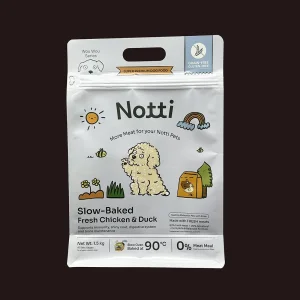
Wet cat and dog foods require reliable sterilization to prevent bacterial growth. Our foil-laminated retort pouches preserve aroma, taste, and freshness, offering a durable replacement for heavy metal cans.
Popular in military rations (MREs) and commercial ready-meals. The flat profile of the pouch enables rapid thermal processing, preventing over-processing and preserving food texture.
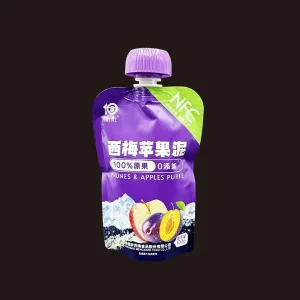
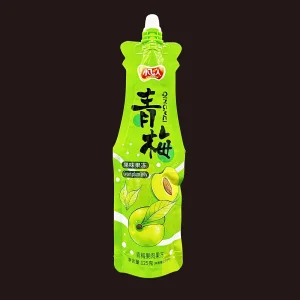
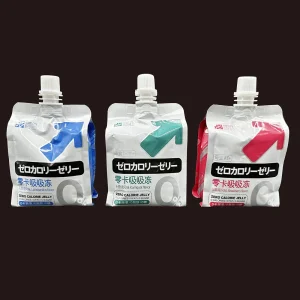
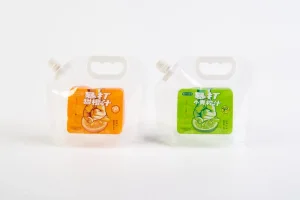
Perfect for energy gels, purees, and fruit juices. Our pouches feature high-flow heat-welded plastic spouts that prevent leaks and remain stable under high pasteurization and retort temperatures.
Our products comply with global standards for direct food contact. We conduct regular migration testing for heavy metals and residual solvents to ensure safety and quality under high-temperature sterilization.
As circular economy regulations tighten globally, the transition from mixed-material laminates to mono-material structures is accelerating. Historically, mixing PET, Aluminum, and Polypropylene prevented recycling. Our research team has developed mono-material PP structures that maintain high oxygen barriers while remaining compatible with standard PP recycling streams.
Our mono-material retort pouches utilize specialized oriented polypropylene (MOPP) and cast polypropylene (CPP) layers, achieving high barrier properties and structural integrity without metal foils.
All sealants and contact layers are 100% BPA-free and comply with strict food contact standards, preventing chemical migration during high-pressure thermal sterilization.
Optimized laminate structures improve thermal heat transfer, reducing overall retort run times and helping manufacturers lower their carbon emissions and utility costs.
Providing premium products and reliable service to global brands.




 DongFa Printing