In the global specialty coffee market, maintaining the integrity of roasted beans during the journey from roastery to consumer is an complex science. Roasting triggers complex chemical transformations, generating vital volatile compounds that define the flavor profile. Over time, exposure to oxygen, ambient moisture, and ultraviolet rays can accelerate degradation, turning prized compounds into flat, oxidized profiles. This is why coffee brands require advanced barrier packaging engineered for high-performance preservation.
Dongfa Printing Co., Ltd. brings over 35 years of professional printing and packaging experience. Our manufacturing facilities focus on developing advanced liquid packaging films, retort pouches, and customizable coffee barriers that withstand pasteurization, high thermal stress, and rigorous degassing kinetics. Featuring state-of-the-art online inspection systems and GMP-grade cleanrooms, we deliver reliable, high-barrier solutions that keep coffee fresh and consistent worldwide.
Over three decades of manufacturing mastery in printing, laminate structures, and functional barriers.
Surgical-grade production cleanliness ensuring absolute hygiene, zero chemical migration, and safety.
High-resolution optical cameras detect micro-fissures and printing discrepancies in real time.
Exporting key packaging materials to Japan, North America, Europe, Southeast Asia, and the Middle East.
Specialty coffee requires strict control over gas exchange. Roasted coffee emits carbon dioxide (CO2) while absorbing oxygen (O2). Without degassing valves and proper barriers, bags would swell and burst, or let oxygen enter, causing rancidity. To achieve an optimal shelf-life of 12 to 24 months, high-barrier flexible laminates must target a near-zero Oxygen Transmission Rate (OTR) and Water Vapor Transmission Rate (WVTR).
We configure multi-layer polymer structures designed for specific barrier requirements. Below is the typical architectural logic for co-extruded films and flexible packaging laminates:
| Film Layer Material | Typical Thickness | Primary Technical Purpose | Relative Barrier Performance |
|---|---|---|---|
| PET (Polyethylene Terephthalate) | 12μm | Outer printing substrate; structural rigidity; high thermal resistance. | Standard physical shield |
| BOPP (Biaxially Oriented PP) | 18μm - 20μm | Tension control, excellent moisture barrier, high transparency. | High moisture protection |
| AL (Aluminum Foil) | 7μm - 9μm | Total gas, light, and aroma barrier; ensures longest shelf life. | Absolute barrier (OTR/WVTR ≈ 0) |
| VMPET (Vacuum Metallized PET) | 12μm | Cost-effective light and gas barrier; excellent reflectivity. | High barrier |
| NY (Nylon / BOPA) | 15μm | High puncture resistance; mechanical flexibility; prevents flex-cracking. | High puncture protection |
| PE (Polyethylene) / RCPP | 50μm - 120μm | Food-contact inner layer; provides low-temperature heat-sealability. | Sealant & structural backing |
Technical Insight: By layering NY (Nylon) with AL (Aluminum Foil) and PE, we protect the barrier from micro-fractures during transport, keeping coffee fresh even in tough shipping environments.
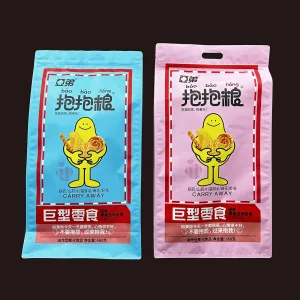
Also known as block bottom bags, this style features a clean box profile with excellent shelf stability. Five printable panels provide ample branding space for premium beans, and the flat base ensures the bag stays upright on retail shelves.
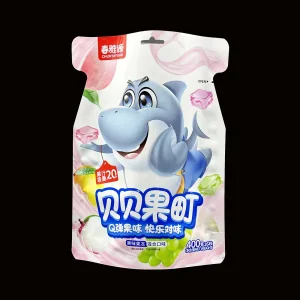
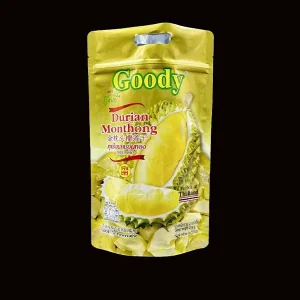
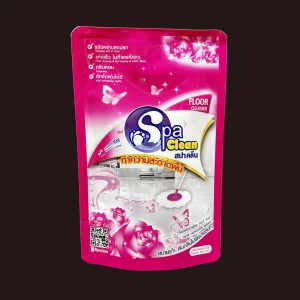
A classic, cost-effective option for whole beans and ground coffee. Reinforced bottom gussets and press-to-close zippers make stand-up pouches convenient, reusable, and easy to pack on automated lines.
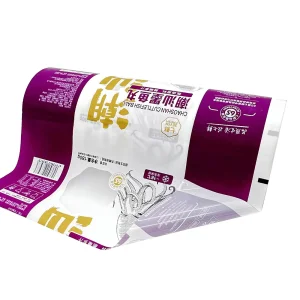
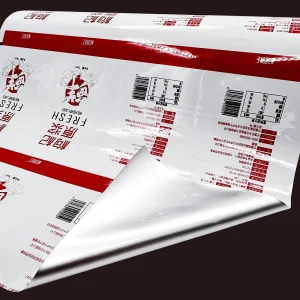
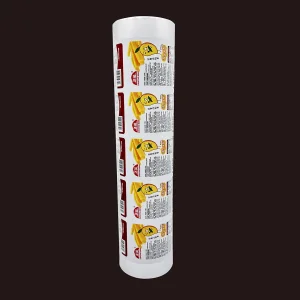
Designed for high-speed automated vertical form-fill-seal (VFFS) systems. Our roll films feature stable slip coefficients (COF) and reliable seal integrity, helping brands scale production while minimizing waste.
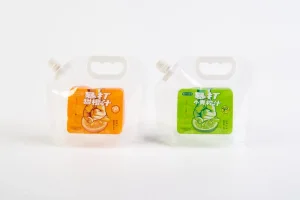
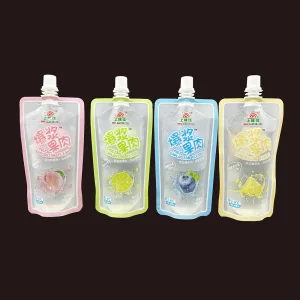
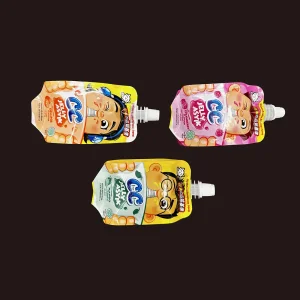
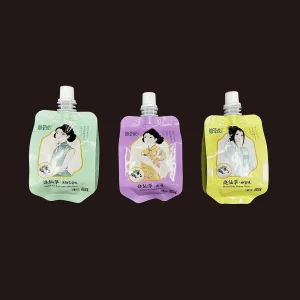
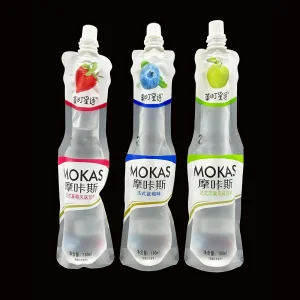
For ready-to-drink (RTD) cold brews and coffee concentrates. These structures handle high-temperature sterilization up to 121°C, preserving flavor quality without chemical preservatives.
Our degassing valves vent carbon dioxide while blocking external oxygen. This prevents bags from bloating and protects sensitive coffee oils from oxidation, locking in fresh roasted aroma.
In global flexible packaging manufacturing, speed, price, and quality must be carefully balanced. At Dongfa Printing, we leverage automated machinery and smart manufacturing principles to produce reliable packaging materials at scale.
Our facility runs high-speed rotogravure presses and solvent-free laminating lines. Operating in GMP-certified, dust-free environments, we protect food packaging from volatile organic compound (VOC) emissions and external contaminants. By tracking production parameters in real time, we prevent common lamination issues like tunneling, delamination, and uneven tension.
We use automated inline inspection systems that scan printed webs at high speeds. These systems flag pinholes, color variations, and alignment issues, ensuring consistent quality across high-volume production runs.
We perform strict raw material testing, melt flow index verification, and bond strength validation to ensure packaging layers remain securely laminated throughout shipping and storage.
Located near major shipping ports, our facility coordinates sea, air, and rail logistics to provide reliable, on-time delivery to global coffee roasters and brands.
Our solvent-free laminators reduce chemical waste, creating safe, low-VOC packaging that supports your brand's sustainability initiatives.
Importing packaging materials requires compliance with global food safety regulations. Dongfa Printing products meet strict safety standards worldwide. We use materials approved for direct food contact, complying with FDA regulations, EU requirements, and Japanese Food Sanitation laws.
Our team works closely with procurement and quality teams to provide the necessary documentation, including:
Documents outlining the raw polymers used and confirming compliance with EU Regulation No. 10/2011.
Verifying that materials and additives are safe for long-term dry and wet food storage.
Independent lab analyses confirming zero heavy metals, harmful plasticizers, or hazardous bisphenols in the film layers.
The packaging industry is shifting toward more circular, sustainable options. Standard multi-material laminates (like PET/AL/PE) are difficult to recycle because separating the layers is costly. To address this, we are developing and refining eco-friendly alternatives:
By using modern, high-density PE-only (MDO-PE/PE) or PP-only laminates, we create packaging that is fully recyclable in local PE/PP streams while maintaining high barrier performance.
For brands targeting zero waste, we produce biodegradable films derived from plant starches (PLA, PBAT). Combined with compostable degassing valves, they decompose naturally without leaving harmful microplastics.
We replace metallized layers with EVOH (Ethylene Vinyl Alcohol) co-extrusions, creating recyclable packaging that provides excellent gas barriers to keep coffee fresh.
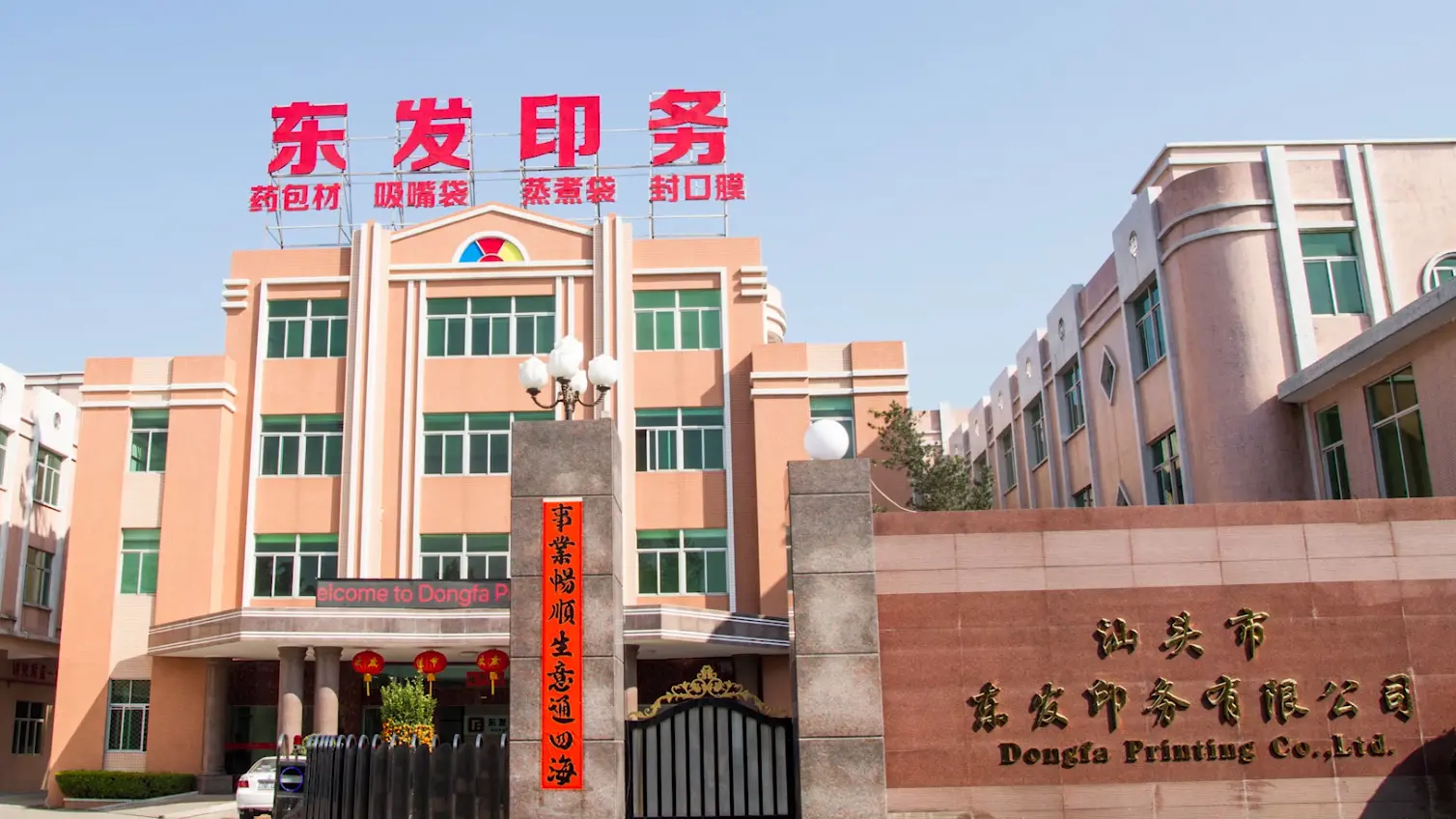
Our values—integrity, professionalism, innovation, and win-win relationships—guide our business practices. We continue to invest in our production capabilities to help global clients reduce environmental impact while keeping their products fresh. We welcome you to visit our factory to explore custom packaging solutions for your brand.

Roasted coffee beans contain delicate lipids and aromatic oils that oxidize quickly when exposed to air. This oxidation ruins the coffee's flavor and aroma. High-barrier films, such as those made with aluminum foil or EVOH, block oxygen entry to preserve freshness.
Freshly roasted coffee naturally releases carbon dioxide (CO2) for days after roasting. A one-way degassing valve allows this CO2 to escape so the bag doesn't swell and burst, while preventing oxygen from getting inside and staling the coffee.
Mono-material bags are made from a single plastic family, like PE or PP, which makes them easier to recycle in standard municipal recycling programs. Traditional foil bags combine multiple plastic and metal layers that are difficult to separate and recycle.
Nylon has high tensile strength and puncture resistance. Adding a nylon layer to laminates protects against pinholes and flex-cracks during long-distance shipping, keeping the protective barrier intact.
Our GMP-certified facility follows strict cleanliness and quality checks. We conduct regular solvent residue testing, seal strength verification, peel tests, and use inline cameras to find and flag any defect during printing and lamination.
Yes. We use retort-grade films, including specialty PET, nylon, and RCPP (Retort Cast Polypropylene). These materials are designed to withstand temperatures up to 121°C during sterilization without breaking down or leaking chemicals.
We use high-speed optical inspection systems on our printing presses. These cameras scan the film in real time, comparing it to the approved master design to catch errors in registration, color, or text instantly.
Solid Aluminum Foil (AL) provides a complete barrier to gases, light, and moisture. VMPET is a plastic film coated with a thin layer of vaporized metal. While VMPET is more flexible and cost-effective, solid aluminum foil is the best choice for maximum shelf life.
 DongFa Printing