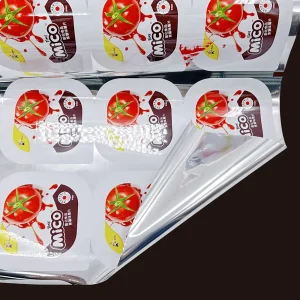
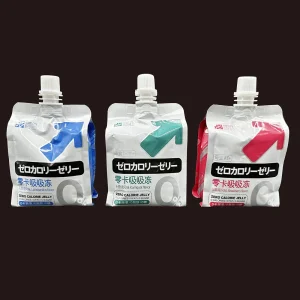
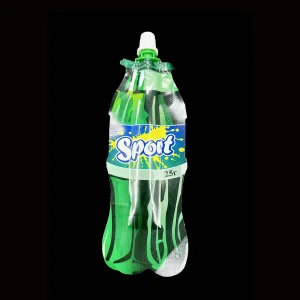
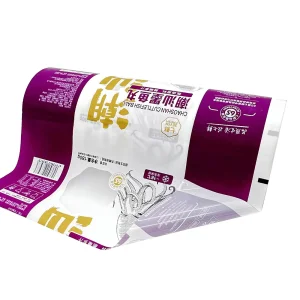
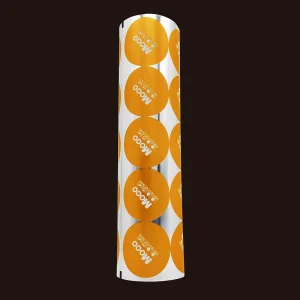
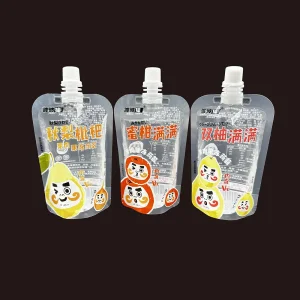
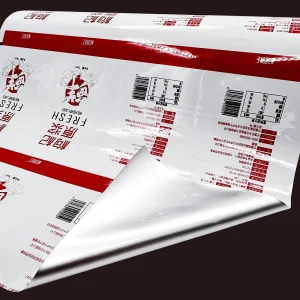
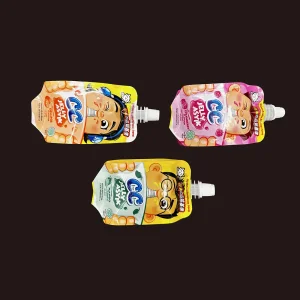
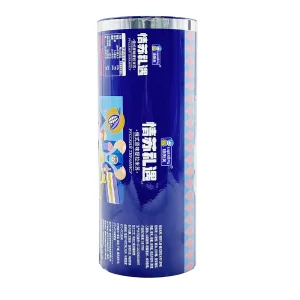
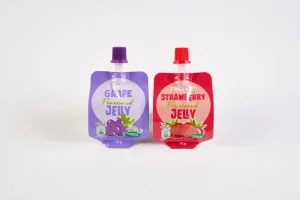
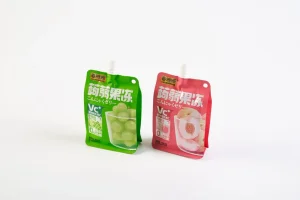
At Dongfa Printing Co., Ltd., we build on decades of global packaging innovation. Backed by 35 years of professional experience, we specialize in high-performance liquid packaging films, spout pouches, sealing cup films, and custom flexible laminates. Our state-of-the-art manufacturing plants utilize online automated optical inspection systems and operate under strict GMP cleanroom standards to ensure total compliance for food, pharmaceutical, and high-barrier chemical packaging.
Whether you require pasteurization-stable films or high-temperature retort steam sterilization packaging (withstanding up to 121°C), our engineered materials deliver the reliable physical protection and barrier performance that modern brands demand.
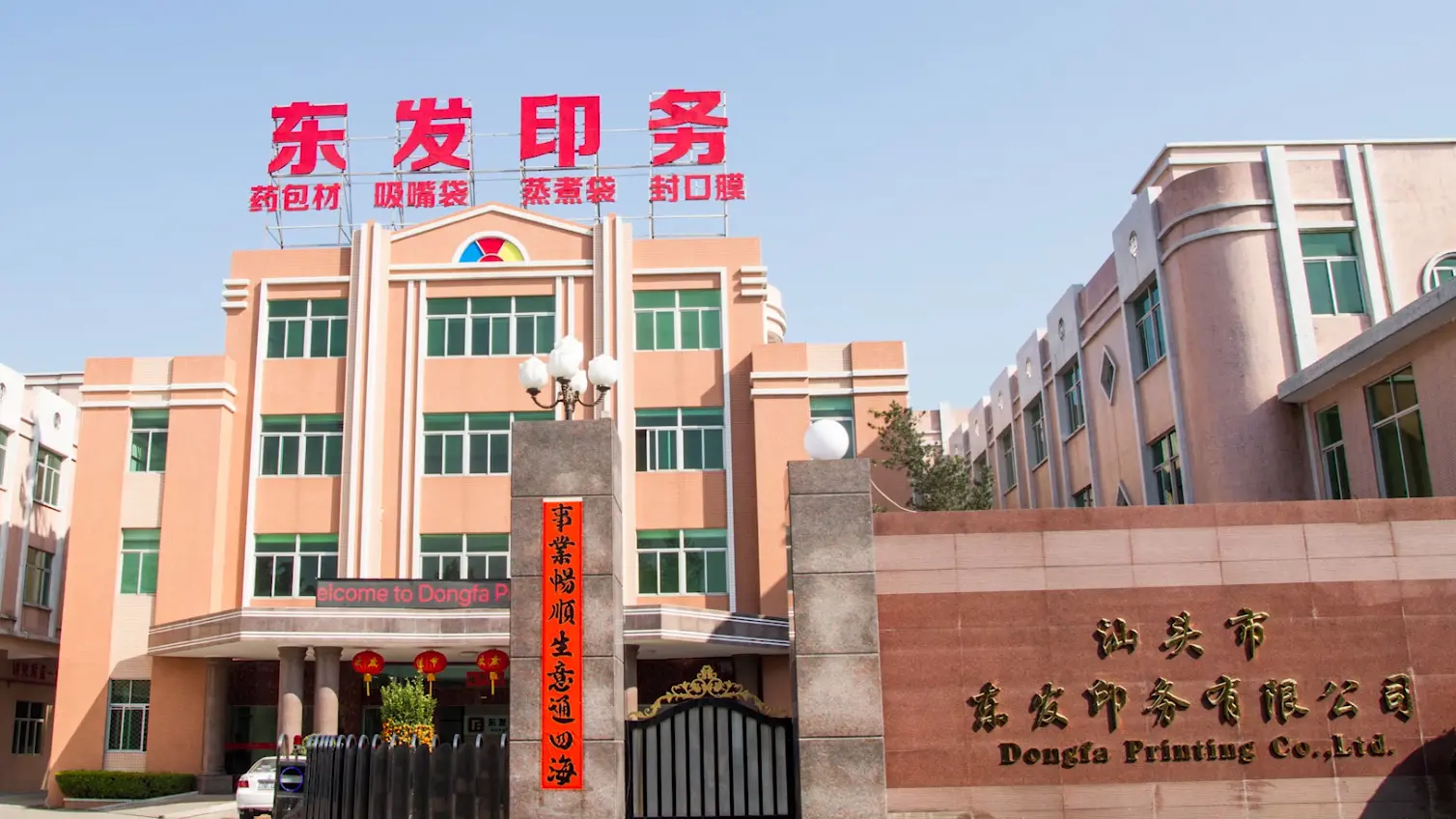
Explore our top-tier manufacturing runs for liquids, chemical solutions, and sterile pharmaceutical films.
The genesis of blister packaging dates back to the late 1950s and early 1960s, a period marked by rapid expansion in synthetic pharmaceuticals. The design was born out of a critical need: the global pharmaceutical industry required a standardized, unit-dose packaging format that could guarantee hygiene, ease of compliance, and optimal moisture and oxygen barriers. The invention is widely credited to the German pharmaceutical company Schering AG (collaborating with engineering designer Karl Klein and machinery developers) in 1962 for their groundbreaking oral contraceptive, Anovlar.
Before the blister pack, pills were packaged in bulk glass bottles. This configuration exposed the entire batch to ambient air and humidity every time the bottle was opened, accelerating degradation. The push-through blister card was invented to enforce regimen compliance (labeling days of the week alongside individual thermoformed pockets) and preserve active ingredient efficacy on a per-dose basis.
Historically, the earliest blister packs utilized thermoformed polyvinyl chloride (PVC) sheets heat-sealed to a hard-tempered aluminum foil backing. The simplicity of pushing a solid pill through a thin aluminum layer (known as lidding foil) forever changed the ergonomics of retail medication. Today, this basic architectural blueprint has evolved into high-performance flexible pouches, sterile retort packaging, and sophisticated multi-layer barrier laminates.
Modern global suppliers like Dongfa Printing adapt these original principles of mechanical protection and hermetic sealing. In historical blisters, a single polymer sheet (PVC) acted as the barrier. In modern packaging runs, we utilize advanced co-extrusion and laminations: combining oriented polyamide (NY/OPA) for puncture resistance, polyethylene terephthalate (PET) for print quality and mechanical tensile strength, and cast polypropylene (CPP) or polyethylene (PE) for reliable thermal sealing. This transition from simple plastic pockets to multi-layered, active barrier packaging ensures maximum shelf stability for sensitive liquids and dry goods alike.
How our automated production lines translate historical concepts into scalable industrial advantages.
Engineered to withstand intense thermal loads. Ideal for pasteurization and sterilization protocols required by clinical-grade materials and liquid food items.
Integrated quality control with real-time digital cameras scanning for microscopic pinholes, printing misalignments, and barrier variations instantly.
All medical-grade and food-contact packaging materials are manufactured under strict dust-free environments to eliminate environmental contaminants.
Years of Industrial Printing
Food & Medical Raw Materials
Exporting Nations Served
In-Line Defect Tolerance
Navigating global packaging procurement requires an optimal balance of cost control, structural durability, and rapid design turnarounds. As a leading manufacturer, Dongfa Printing provides direct-from-factory pricing that significantly lowers operational overhead for global buyers compared to regional distributors. We leverage vertically integrated raw material partnerships, allowing us to source premium resins (PET, NY, PE, EVOH, and aluminum foil structures) at stable, volume-protected rates.
For international buyers in North America, Japan, Europe, and the Middle East, compliance is non-negotiable. Dongfa Printing structures its manufacturing processes to align with global standards:
We provide comprehensive third-party testing documentations (including material datasheets, migration limits, and barrier coefficient certifications) with every wholesale order to simplify local customs clearances and quality assurance audits.
Modern blister packaging concepts have migrated into pouch and roll film applications. By combining distinct polymer layers, we can control the precise Gas Transmission Rates (OTR) and Water Vapor Transmission Rates (WVTR) of your packaging. For instance, when designing packaging for liquids and chemical compounds, the introduction of a nylon (NY) layer provides massive puncture resistance, while a vacuum-metallized PET (VMPET) layer provides excellent light and oxygen blocking at a fraction of the cost of pure aluminum foil.
Tailoring specific barrier dynamics to regional industry standards and distinct filling lines.
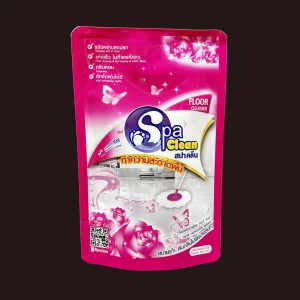
For soaps, liquid detergents, and industrial chemicals. Formulated with PET+NY+PE to resist chemical corrosion, stress-cracking, and physical rupture during long-distance shipping.
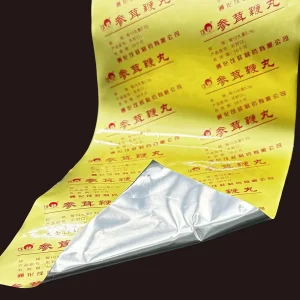
92μm high-performance barrier film structures. Designed for pharmaceutical-grade medical devices and clinical products that demand sterile heat-seal lidding.
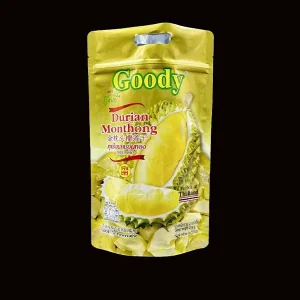
High-barrier laminate layers optimized for heat processes up to 121°C. Prevents oxygen ingress, extending food storage shelf-life without chemical preservatives.
As regulatory bodies in the EU and North America tighten restrictions on single-use plastics, the packaging industry faces a massive evolution. The future of blister and flexible packaging lies in monomaterial recyclability and biodegradable barriers. Dongfa Printing is actively innovating in all-PE structures and compostable barrier laminates that mimic the gas-blocking properties of classic multi-polymer films while remaining fully recyclable within standard waste streams.
Furthermore, the integration of smart indicators (such as thermochromic inks that change color if a sterile seal is compromised) is transitioning from advanced R&D concepts to retail shelves, giving manufacturers and consumers real-time validation of product freshness.
Premium wholesale packaging customizable by dimension, thickness, and material barrier formulation.
Technical answers to critical packaging questions from industry procurement professionals.
Working with leading international brands to supply premium food, beverage, and medical packaging.
Our corporate values are "integrity, professionalism, innovation, and win-win." We uphold integrity as our foundation, professionalism as our basis, innovation as our driving force, and strive for win-win outcomes with customers, employees, and society. These values not only guide our business practices but also inspire our team to continuously move forward.
Dongfa Printing's corporate vision is to become a leading company in the printing industry. We strive for excellence, constantly innovate, and are dedicated to providing customers with better printing products and services. Additionally, we prioritize environmental protection and sustainable development, striving to reduce pollution and waste in the production process, and contributing to the harmonious development of society and the environment.
 DongFa Printing