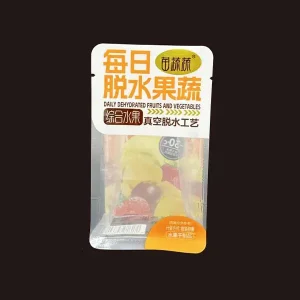
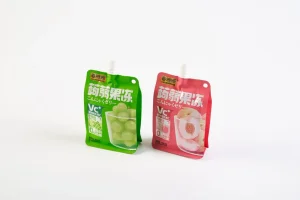
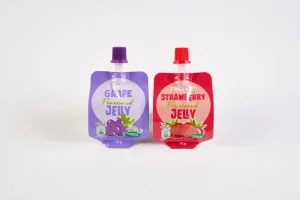
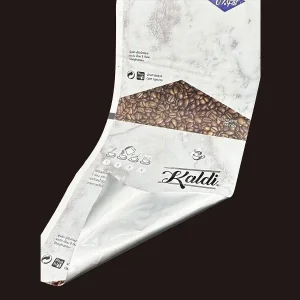
In the ever-evolving landscape of food packaging, retort packaging roll film has emerged as a game-changer, offering innovative solutions for preserving food while ensuring safety and convenience. This specialized packaging material is designed to withstand high temperatures and pressures, making it ideal for the retort process, which involves sealing food in pouches or containers and then heating them to eliminate harmful microorganisms.
What is Retort Packaging Roll Film?
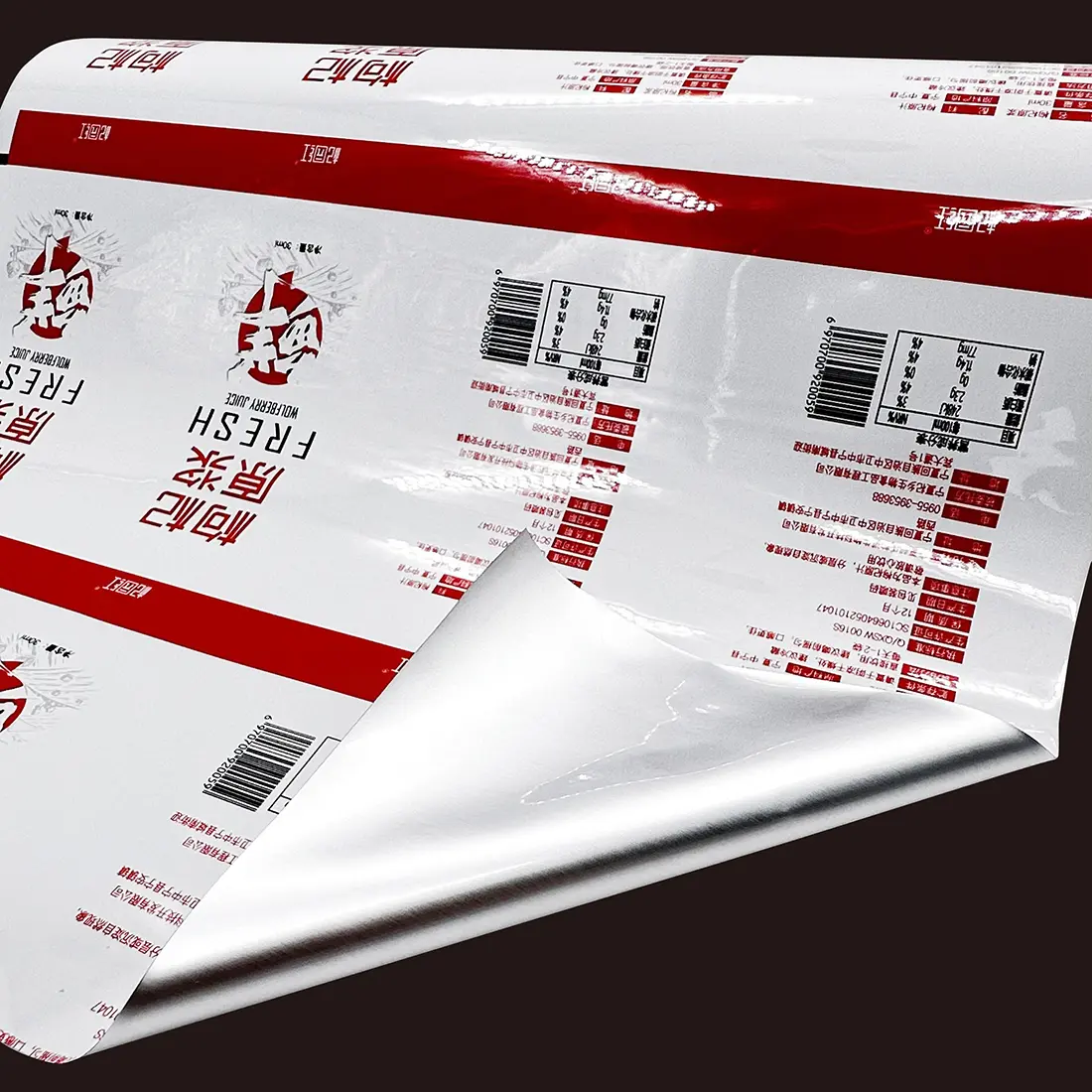
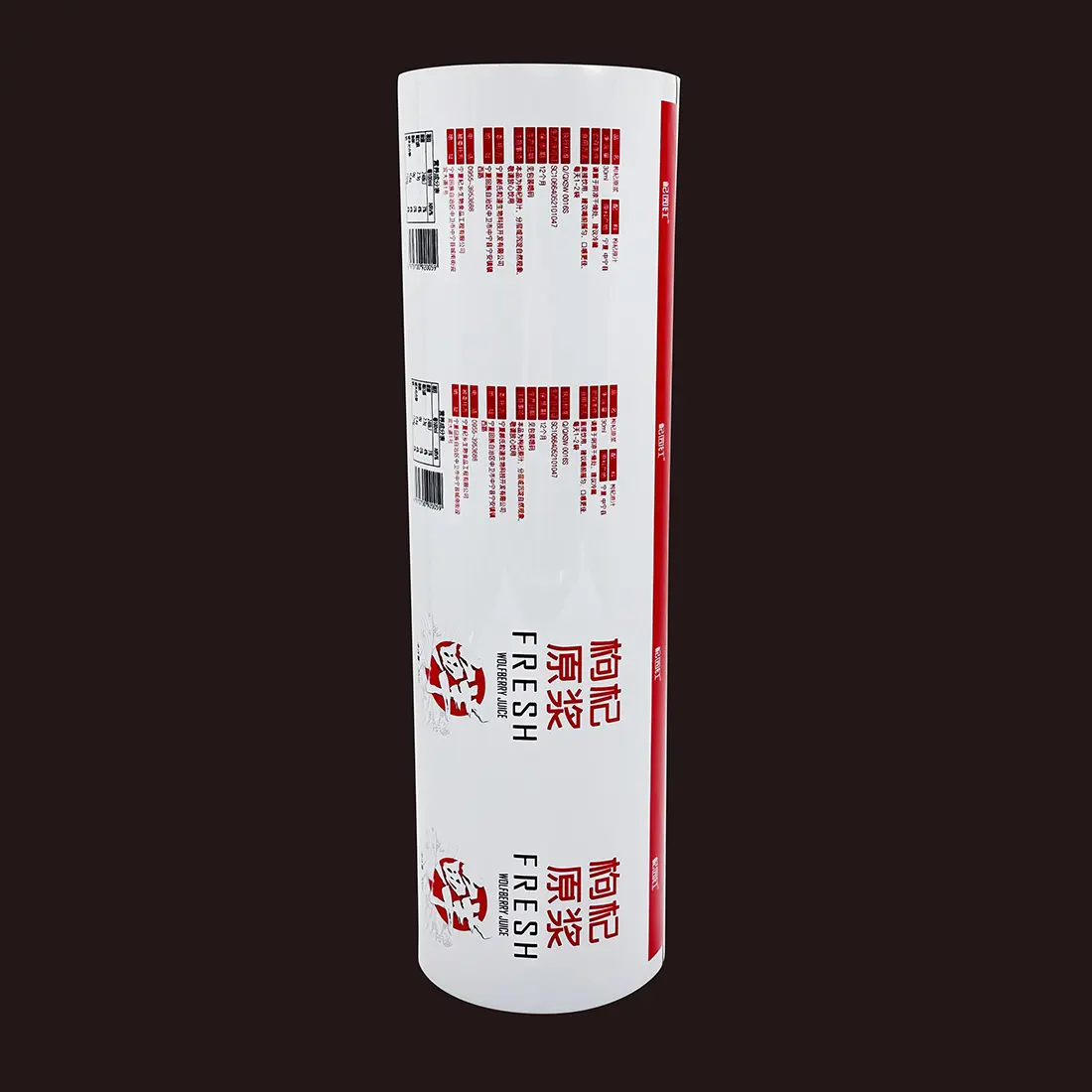
Retort packaging roll film is a flexible packaging material that is typically made from a combination of layers, including polyester, aluminum foil, and polyethylene. This multi-layer construction provides an excellent barrier against moisture, oxygen, and light, which are critical factors in maintaining the quality and shelf life of food products. The roll film is produced in large rolls, allowing manufacturers to create custom-sized pouches or bags that suit their specific needs.
Advantages of Retort Packaging Roll Film
Extended Shelf Life
One of the primary benefits of using retort packaging roll film is its ability to extend the shelf life of food products. By effectively sealing in freshness and preventing contamination, this packaging method allows food to be stored for months or even years without refrigeration.
Convenience
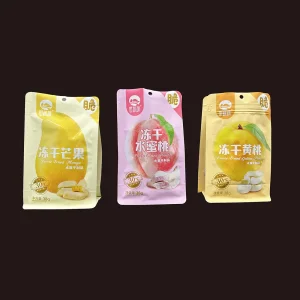
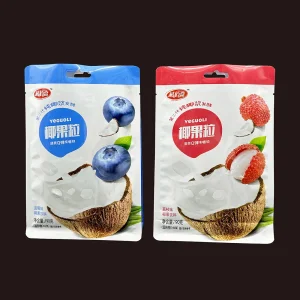
Retort packaging is lightweight and easy to handle, making it a convenient option for both manufacturers and consumers. The roll film can be easily converted into various shapes and sizes, catering to different food items, from ready-to-eat meals to soups and sauces.
Safety
The retort process, combined with the protective qualities of the roll film, ensures that food remains safe for consumption. The high-temperature treatment kills bacteria and pathogens, significantly reducing the risk of foodborne illnesses.
Sustainability
As the world becomes more environmentally conscious, the demand for sustainable packaging solutions is on the rise. Retort packaging roll film can be designed to be recyclable or made from biodegradable materials, aligning with the growing trend towards eco-friendly practices in the food industry.
Cost-Effectiveness
The efficiency of retort packaging roll film can lead to cost savings for manufacturers. The ability to produce custom-sized pouches reduces material waste, and the extended shelf life of products can lower distribution and storage costs.
Applications of Retort Packaging Roll Film
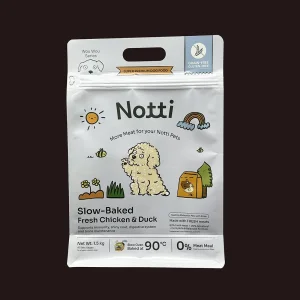
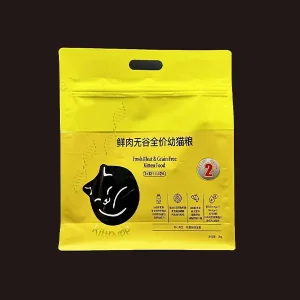
Retort packaging roll film is widely used across various sectors of the food industry. It is particularly popular in the production of ready-to-eat meals, pet food, sauces, and soups. The versatility of the roll film allows it to accommodate a range of food textures and consistencies, from liquids to solids, making it an ideal choice for diverse culinary applications.
Future Trends in Retort Packaging
As technology continues to advance, the future of retort packaging roll film looks promising. Innovations in materials science are leading to the development of even more effective barrier films that can enhance food preservation. Additionally, the integration of smart packaging technologies, such as QR codes and sensors, may provide consumers with real-time information about the freshness and safety of their food.
In conclusion, retort packaging roll film is revolutionizing the way food is preserved and presented. With its numerous advantages, including extended shelf life, convenience, safety, and sustainability, it is no wonder that this packaging solution is gaining traction in the food industry. As manufacturers continue to explore new applications and technologies, retort packaging roll film is poised to play a crucial role in the future of food packaging.
Frequently Asked Questions (FAQ)
Q
What materials are used to make retort packaging roll film?
Retort packaging roll film is typically made from multiple layers including polyester (PET), aluminum foil, and polyethylene (PE). This multi-layer structure provides an effective barrier against moisture, oxygen, and light, ensuring optimal food preservation during and after the retort process.
Q
How long can food last in retort packaging?
Food products sealed in retort packaging can have a shelf life ranging from several months to several years, depending on the type of food and packaging specifications. This extended shelf life is achieved without the need for refrigeration, making retort packaging ideal for long-term storage and distribution.
Q
Is retort packaging roll film safe for food contact?
Yes, retort packaging roll film is specifically engineered to be food-safe. The materials used comply with international food safety standards and regulations. The high-temperature retort process also eliminates bacteria and pathogens, ensuring the food inside remains safe for consumption throughout its shelf life.
Q
What types of food products are commonly packaged using retort roll film?
Retort packaging roll film is widely used for ready-to-eat meals, soups, sauces, pet food, seafood, and meat products. Its versatility allows it to handle a wide range of food textures and consistencies — from liquid-based products to solid foods — making it a popular choice across many segments of the food industry.
Q
Is retort packaging environmentally friendly?
Retort packaging can be designed with sustainability in mind. Some versions of retort roll film are made from recyclable or biodegradable materials. Additionally, the reduction in food waste due to extended shelf life and the elimination of refrigeration requirements contribute positively to the overall environmental footprint of the packaging.
Q
What are the future developments expected in retort packaging technology?
The future of retort packaging roll film is focused on advanced barrier materials for improved preservation, integration of smart packaging features such as QR codes and freshness sensors, and the development of more sustainable and recyclable film structures. These innovations aim to enhance both consumer experience and food safety standards across the global food industry.
 DongFa Printing