High-durability lamination, specialized spout assemblies, and verified structural integrity tailored to Australian standards.
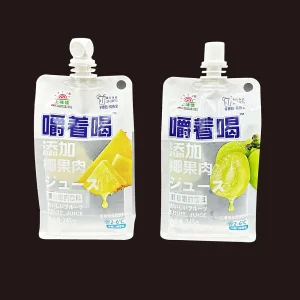
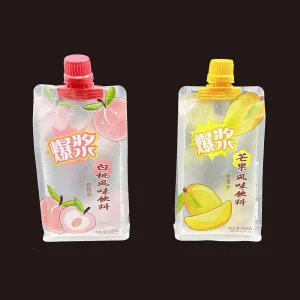
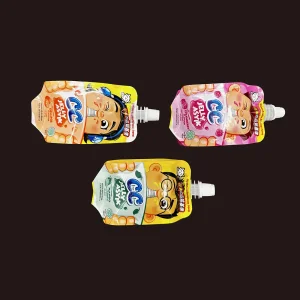
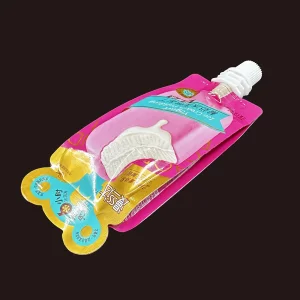
Decoding how food logistics, local retail ecosystems, and commercial hubs drive the demand for advanced spout laminate bags across New South Wales.
In Sydney's fast-evolving FMCG and specialty chemicals sectors—spanning logistics hubs in Western Sydney (Wetherill Park, Erskine Park) to artisan food hubs in Inner West Sydney—traditional packaging systems like rigid glass and heavy HDPE canisters are rapidly being phased out. Today, procurement managers and plant engineers prioritize Spout Pouches and Flexible Refill Packaging to mitigate soaring supply chain and transportation overheads.
This operational transition is deeply aligned with the Australian Packaging Covenant Organisation (APCO) 2025 National Packaging Targets. Forward-thinking food processors, cosmetic manufacturers, and beverage bottlers in NSW are upgrading to high-performance laminates that optimize space, improve shipping weight-to-product ratio, and minimize post-consumer waste in municipal landfills. From high-pressure pasteurized (HPP) juices to heavy industrial emulsions, spout bags offer a modern, highly functional interface that appeals directly to Australia’s eco-conscious consumer base.
Spout pouches are shipped flat before filling, meaning one truckload of empty spouted bags holds equivalent capacity to roughly 25 truckloads of empty rigid plastic bottles. This dramatically reduces warehousing, transit emissions, and fuel surcharges across the Sydney metro area.
By integrating multi-layered co-extruded films—specifically utilizing layers like Nylon (PA) for puncture resistance and Ethylene Vinyl Alcohol (EVOH) or Aluminum for high oxygen and water vapor barriers—we ensure sensitive products stay fresh without cold-chain dependence.
We supply custom fitments from standard 8.5mm baby food nozzles to 22mm bulk dispensing spouts. All closures feature tamper-evident rings and anti-choke safety caps that meet rigorous Australian retail safety benchmarks.
How engineering innovations and materials science are shaping functional and circular economy packaging systems.
Modern flexible packaging engineering requires a delicate balance between mechanical durability and circular design. The global packaging landscape is moving away from complex multi-material structures (such as PET/Al/PE laminates) which, despite their excellent barrier performance, are difficult to recycle mechanically. Our R&D department is actively pioneering three key technical fronts:
| Feature / Parameter | Standard Laminates | Advanced Barrier Laminates | Eco-Friendly Mono-Material (New) | |
|---|---|---|---|---|
| Typical Film Stack | PET / PE (Polyester/Polyethylene) | PET / AL / Nylon / PE | MDO-PE / EVOH / PE (Recyclable) | PET / CPP (121°C Retort Rated) |
| Oxygen Transmission Rate (OTR) | < 50 cc/m²/24hr | < 0.5 cc/m²/24hr (Excellent) | < 1.5 cc/m²/24hr (High Barrier) | < 2.0 cc/m²/24hr |
| Water Vapor Transmission (WVTR) | < 3.0 g/m²/24hr | < 0.1 g/m²/24hr | < 0.8 g/m²/24hr | < 1.0 g/m²/24hr |
| Sterilization Capabilities | Ambient / Hot-Fill (up to 85°C) | Hot-Fill & Retort (121°C) | Warm-Fill (up to 65°C) | Retort Steam Sterilization (121°C / 135°C) |
| Recyclability Status (Australia) | Landfill / Soft Plastics Scheme | Landfill Only | Fully Recyclable (APCO Class B) | Soft Plastics Recyclable |
To support Australian brands aiming for Circular Economy integration, we have engineered mono-material PE pouches. By utilizing Machine Direction Oriented Polyethylene (MDO-PE) as the outer printing web, combined with a high-barrier EVOH co-extrusion and a low-temperature sealing PE inner liner, we achieve high stiffness and transparency while maintaining a 100% single-polymer classification. These bags can be processed directly in PE recycling loops without separating layers.
For ready-to-eat baby foods, ambient-stable sauces, and shelf-stable functional broths, standard heat resistance is insufficient. Our retort-grade spout bags are structured with cast polypropylene (CPP) and specialty cross-linked adhesives. They are engineered to survive autoclave temperatures of 121°C for up to 45 minutes under pressure, maintaining package integrity and avoiding delamination or spout detachment during thermal stress.
The interface between the rigid HDPE spout and the flexible laminate represents the primary weak point for potential leaks. We utilize multi-stage hot-bar and cold-bar sealing tools on our high-speed bag-making lines. This thermal bonding is continuously checked via burst-pressure testers and dye-penetrant leak checks to guarantee zero failure under drop and shipping simulations.
How we address different commercial demands in Sydney and global markets with tailored material and design options.
For craft breweries, cold brew roasters, and organic baby food producers. We supply food-grade, BPA-free laminates with custom cap designs to prevent choking hazards, complete with high-level oxygen barriers to preserve flavor profiles and nutrient density without chemical preservatives.
Designed to resist oil penetration and acidic corrosion. High-strength structures like PET/Nylon/PE prevent localized degradation from organic acids in mustard, ketchup, salad dressings, and chili paste, featuring customized non-drip spout systems.
Refill packaging systems for laundry detergents, liquid soaps, automotive fluids, and cosmetics. Formulated with chemical-resistant barrier films that stop chemical permeation and volatile organic compound (VOC) escape while maintaining stand-up stability on retail shelves.
Streamlining the procurement pathway from our production facility directly to your distribution center in Sydney.
Importing flexible packaging from overseas can sometimes introduce regulatory and logistical challenges if not handled by an experienced manufacturer. We provide comprehensive technical support and documentation to ensure compliance with Australian import laws, customs regulations, and local environmental standards.
All raw materials—polymers, masterbatches, adhesives, and printing inks—strictly conform to AS 2070-1996 (Plastic materials for food contact use), as well as European Commission Directive (EU) No 10/2011 and US FDA Regulations. Certificates of Analysis (COA) are provided with every batch.
We handle all packaging configurations to ensure stable container transport. Shipments are palleted, plastic-wrapped, and loaded with moisture-absorbing desiccants. Regular shipping lines directly connect to Port Botany (Sydney), providing reliable door-to-port or door-to-door (DDP) logistics.
Before dispatch, every batch undergoes mechanical testing, including tension testing, heat-seal strength checks, and drop tests. Customers receive a complete quality test report alongside photos of the container packing process to ensure total transparency.
Integrating 35+ years of packaging expertise with modern, automated printing and laminating systems to deliver quality at scale.
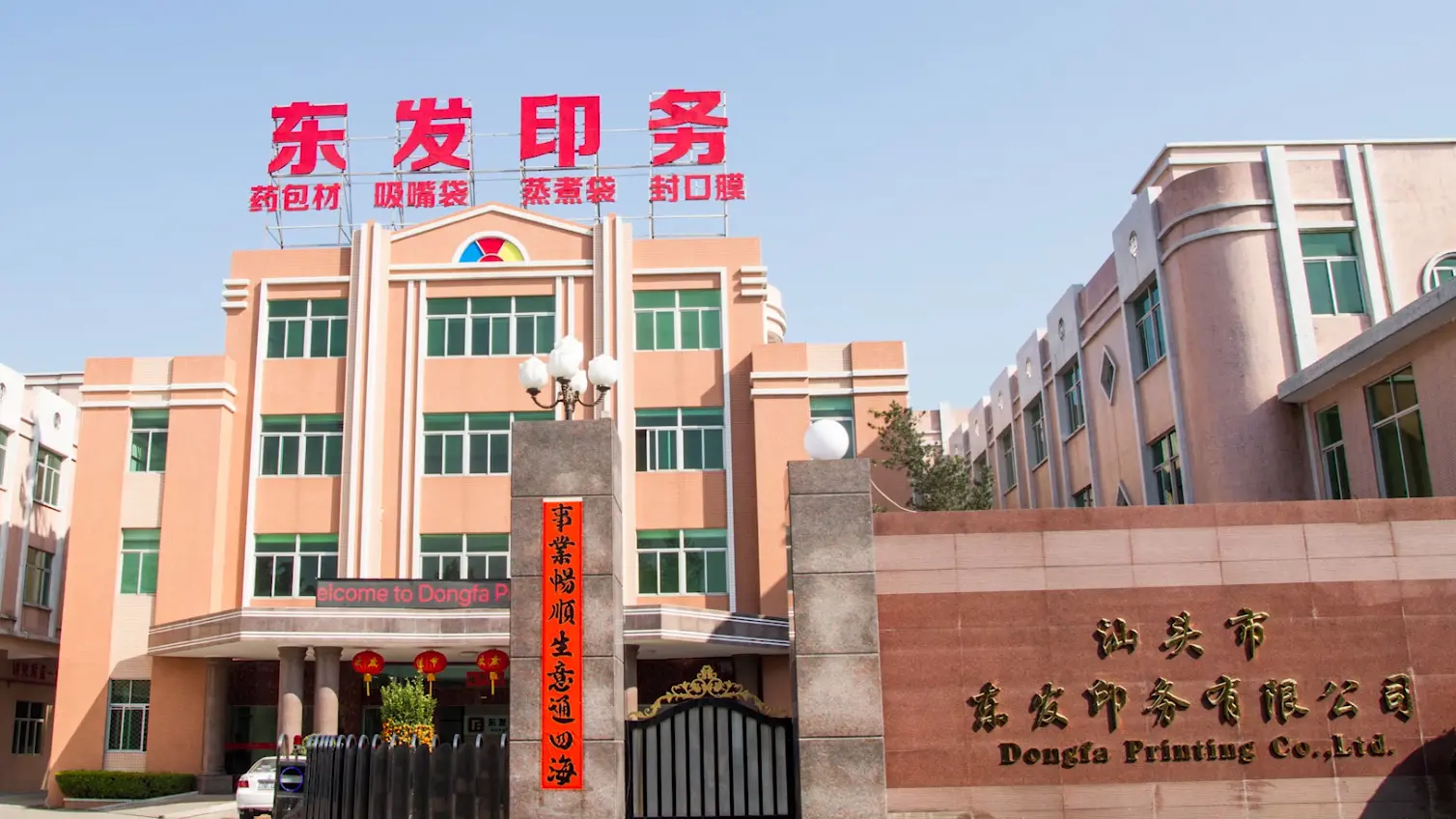
At Dongfa Printing Co., Ltd., we run a modernized production facility characterized by stringent quality management systems and high-throughput packaging technology. Spanning over three decades of professional experience, we supply custom packaging solutions to clients in the Middle East, Southeast Asia, Africa, North America, Japan, and the Oceania market.
Our infrastructure operates under strict quality guidelines to guarantee that all packaging is safe for food and pharmaceutical contact. Our facilities feature:
We balance this technical precision with a strong commitment to environmental sustainability. By optimizing our lamination processes, energy recovery setups, and low-waste production pathways, we help reduce the environmental impact of your packaging materials.
Collaborative growth built on integrity, professionalism, innovation, and win-win relationships.
We work closely with global raw material suppliers and multinational brands to maintain a reliable and consistent supply chain. We use premium resins and high-grade barrier films to ensure that every shipment conforms to international performance standards.



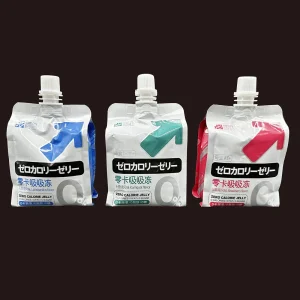
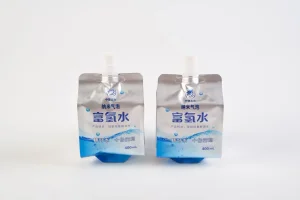
Select your container style, barrier layout, and thickness configurations to meet your specific packaging requirements.
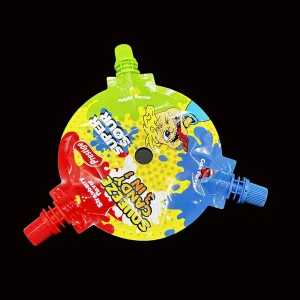
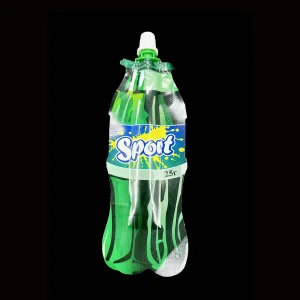
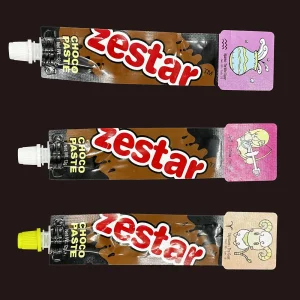

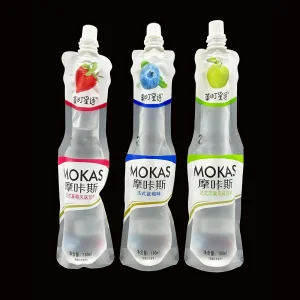
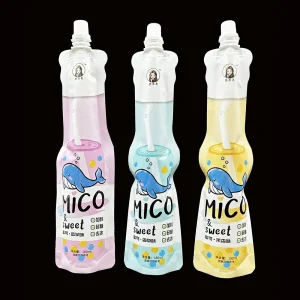
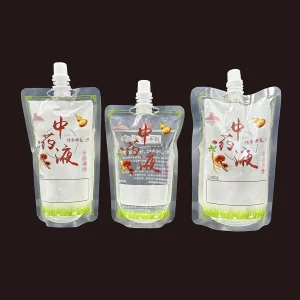
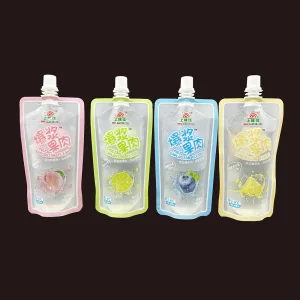
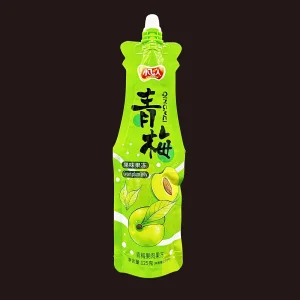
A standardized workflow designed to ensure design accuracy and reliable lead times.
Provide your design artwork or technical specs. Our team evaluates barrier needs, lamination setups, and physical dimensions, supplying standard CAD dielines to help you finalize your layout.
We print digital prototypes or build clear pouch samples. This step lets you run physical filling trials, test seal strengths, and verify spout compatibility with your filling machinery.
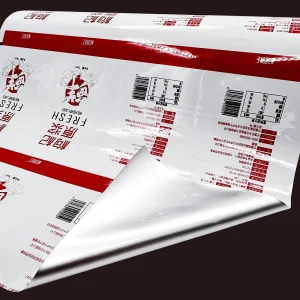
Upon design sign-off, we run high-speed gravure printing and solvent-free lamination. Continuous online quality checks monitor for defects throughout the run, ensuring clean, safe packaging.
Key technical and logistical information for procurement managers sourcing spout bags.
Contact our engineering team today for technical guidance, material calculations, and a competitive custom quote.
 DongFa Printing