Engineered to meet the stringent shelf-life requirements, safety standards, and logistical conditions of the Japanese distribution network.
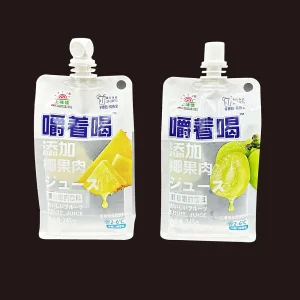
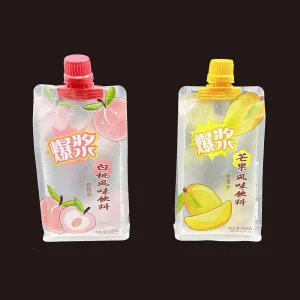
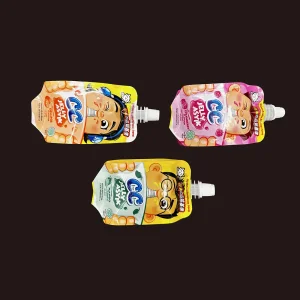
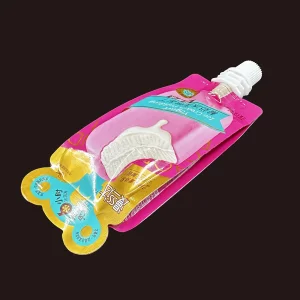
An in-depth analysis of consumer trends, legislative frameworks, and flexible packaging developments.
The Japanese market maintains some of the most rigorous food safety and packaging material standards in the world. Compliance with the Japanese Food Sanitation Act (JFSL) and the newly implemented Positive List System for synthetic resins is mandatory. Spout bags imported into Japan must display excellent chemical stability, low migration rates, and complete absence of hazardous plasticizers.
As a leading supplier, our manufacturing lines strictly adhere to these regulations, utilizing raw materials that comply with the Japan Hygienic Olefin and Plastics Association (JHOSPA) standards. This guarantees that liquid products, from acidic juices to oily condiments, experience zero chemical leaching or sensory degradation over extended shelf lives.
Japan’s unique demographic profile—characterized by an aging society and smaller household sizes—directly influences packaging design. Spout pouches are highly favored for their ergonomics, easy-opening mechanisms, and controlled dispensing. In particular, the "Universal Design" (UD) principles are heavily integrated, ensuring that elderly consumers can easily open and close the caps without excessive physical strain.
Adapting to the global transition from rigid packaging to high-performance, eco-friendly flexible solutions.
The global and Japanese domestic markets are rapidly moving away from multi-material laminates that are difficult to recycle. Our technical roadmap focuses heavily on developing mono-material PP (Polypropylene) and PE (Polyethylene) spout pouches that offer equivalent oxygen and moisture barrier performance (WVTR < 0.1g/m²/day) while being fully compatible with existing recycling streams.
Thermal processing is crucial for preserving liquid foods without artificial preservatives. Our retort spout pouches utilize advanced Biaxially Oriented Nylon (BON) and Cast Polypropylene (CPP) structures, capable of withstanding pasteurization (85°C to 100°C) and retort sterilization processes (up to 121°C or 135°C for 30 minutes) without delamination or seal failure.
By integrating transparent high-barrier layers like AlOx (Aluminum Oxide) or SiOx (Silicon Oxide) coated PET films, we provide excellent gas barriers equivalent to aluminum foil, while allowing consumers to inspect the product inside. This increases user confidence, crucial for premium Japanese food and beverage segments.
Years of Printing & Packaging Experience
GMP Food Grade Cleanroom Production
Oxygen Transmission Rate (OTR) Capability
Online Quality Inspection Defect-Free Rate
How our custom engineered spout bags fit seamlessly into daily Japanese consumer and industrial workflows.
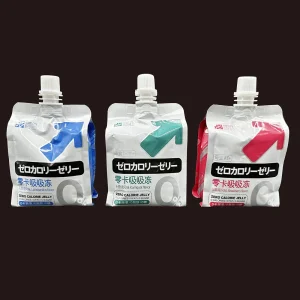
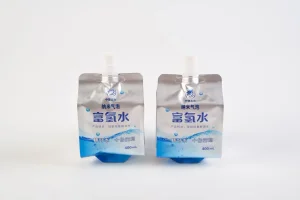
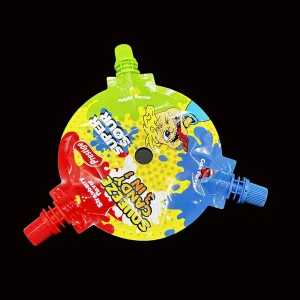
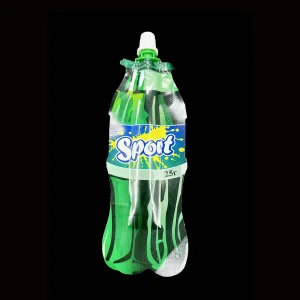
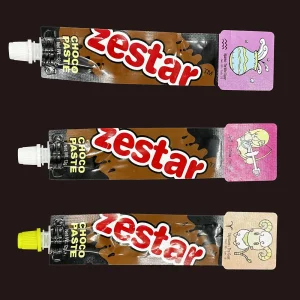
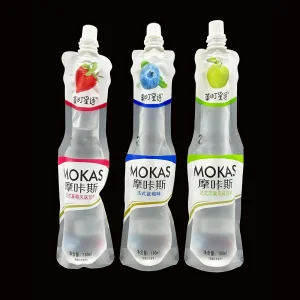
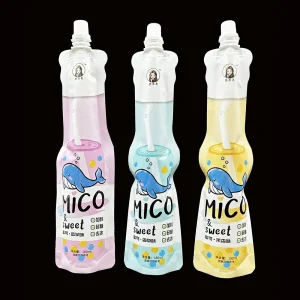
Functional energy gels, sports hydration, and fruit juices packed in lightweight stand-up spout pouches dominate Japanese convenience store shelves (like 7-Eleven, Lawson, and FamilyMart). Our pouches feature customizable corner or center spouts (ranging from 8.6mm to 15mm in diameter) that are fully optimized for high-speed automated rotary filling machinery commonly used by Japanese contract packagers.
Traditional sauces like Dashi, Soy Sauce, and Miso paste require exceptional light and oxygen barriers to prevent oxidation, discoloration, and loss of delicate umami flavors. We offer laminated structures utilizing Nylon, Aluminum Foil, and Retort-grade Cast Polypropylene (R-CPP) to survive thermal processing while preserving regional taste profiles.
Japan is a world leader in the refill packaging market for household detergents, shampoo, conditioner, and body wash. To support environmental goals, brands utilize flexible refill bags. Our customizable thickness configurations (ranging from 98μm to 115μm) provide robust drop test performance, leak-proof properties during transit, and convenient pouring channels that align with the bottles they refill.
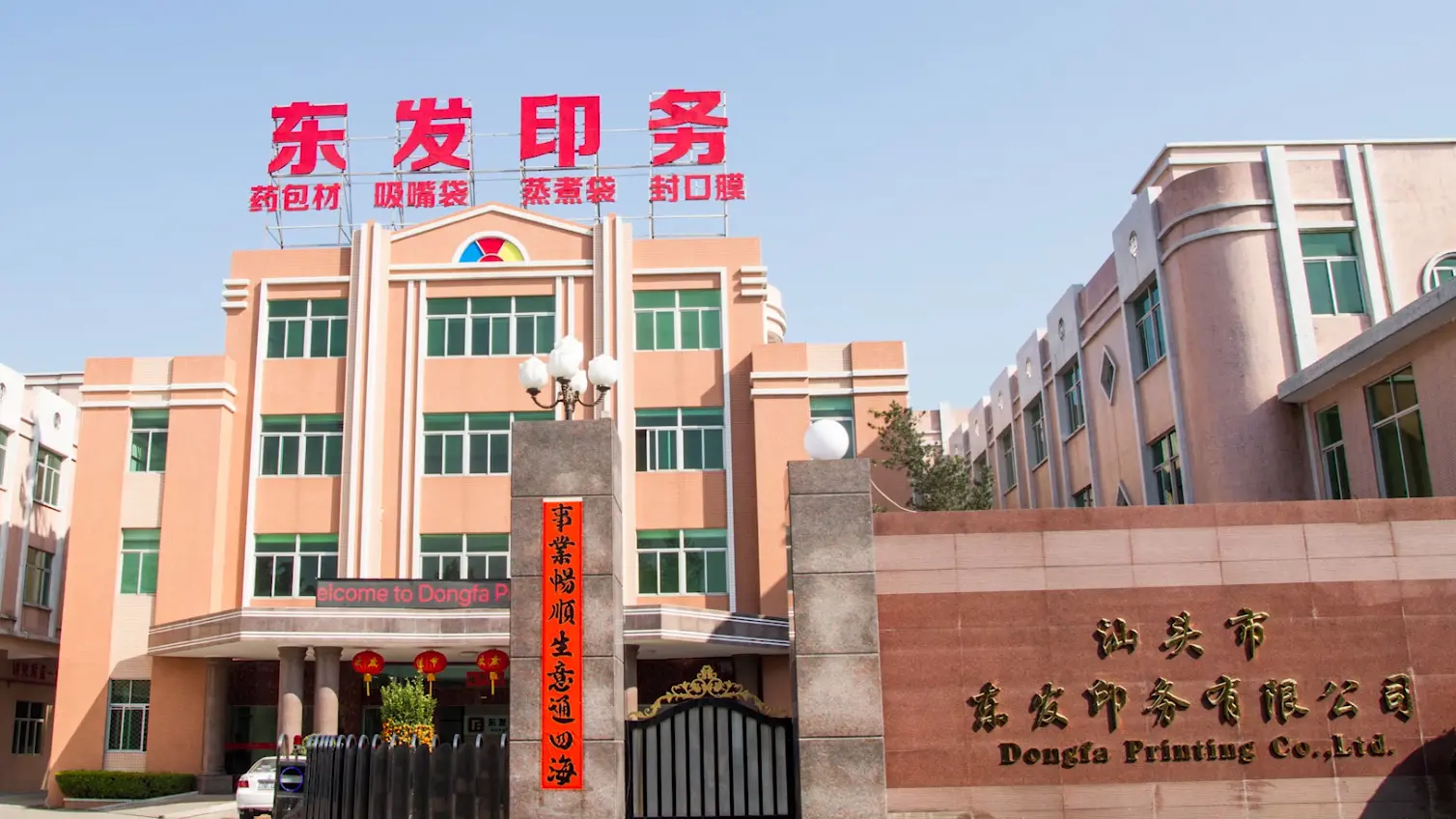
Dongfa Printing Co., Ltd. has over 35 years of professional experience in the printing and packaging manufacturing sectors. We specialize in the development, compounding, and production of high-barrier liquid packaging films and pouches. Our systems are engineered to withstand pasteurization and high-pressure retort steam sterilization processes, ensuring optimal packaging integrity for Japanese logistics.
Equipped with state-of-the-art rotogravure printing presses with integrated online quality inspection cameras, we identify and eliminate print or extrusion defects down to fractions of a millimeter. All processes are completed inside our GMP standard cleanroom workshops, assuring that all spout bags comply with international hygiene criteria and Japan's regulatory policies for food-contact surfaces.
Our values of "Integrity, Professionalism, Innovation, and Win-Win" drive our R&D forward. We actively minimize environmental footprints by engineering thinner, high-performance films and investing in VOC exhaust treatment systems within our production facilities, helping Japanese brands fulfill their sustainability promises.
Collaborating with leading global brands to supply safe, reliable, and innovative packaging materials.


Custom materials, specific shapes, and precise thickness grades engineered for distinct industrial applications.

Technical guidance and answers to common compliance questions for importing spout bags into Japan.
All resins and additives used in our packaging are strictly sourced from raw material suppliers compliant with the newly established Japanese Positive List System for food contact materials. We offer fully traceable raw materials and provide formal documentation, including certificates of compliance and migration analysis (testing limit values for heavy metals, residues, and solvent migration) to ensure trouble-free customs clearance and compliance checks in Japan.
Yes. We specialize in high-temperature flexible laminates. Our retort spout pouches use cast polypropylene (R-CPP) and biaxially oriented nylon (BON) layers paired with high-performance polyurethane adhesives. They are designed to withstand autoclave retort sterilization conditions up to 121°C for 30 minutes, or 135°C for shorter intervals, without risking micro-leaks, pouch deformation, or delamination.
To support carbon neutrality targets and the recycling practices of Japan's municipalities, we provide mono-material structures (such as Mono-PE and Mono-PP), which are simplified for recycling streams. Additionally, we manufacture pouches with post-consumer recycled (PCR) resin content and bio-based plastics. These materials maintain standard high barriers for vapor and oxygen transmission while lowering overall carbon footprints.
We mitigate risks using our inline vision inspection systems, ultrasonic sealing technologies, and rigorous drop testing protocols. We run burst pressure and compression tests on every batch to ensure the spout and plastic film interface remains completely integrated. We also utilize multi-layer structures, incorporating high-strength nylon (PA) to provide puncture resistance, protecting pouches from vibration and impact damage during maritime transport to Japanese ports (Tokyo, Osaka, Yokohama, Nagoya).
Our standard Minimum Order Quantity (MOQ) depends on pouch sizes and structures, typically ranging between 10,000 to 20,000 units. For custom-designed spout shapes or print patterns, our normal lead time is 15 to 25 days post artwork approval. We support full custom printing (rotogravure, up to 10 colors), custom pouch geometries, and varying spout dimensions (diameter 8.6mm, 10mm, 13mm, 15mm, to 22mm) to match your filling machinery specifications.
 DongFa Printing