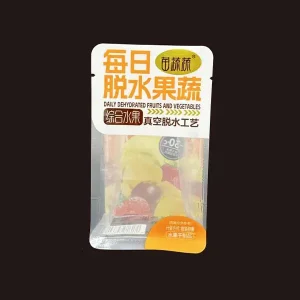
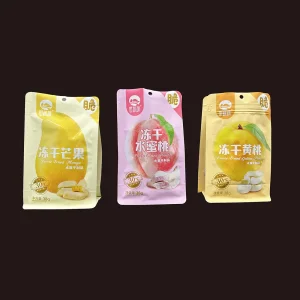
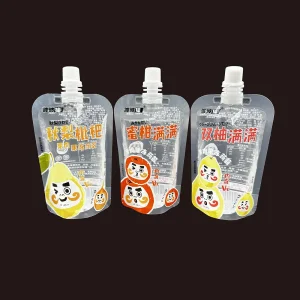
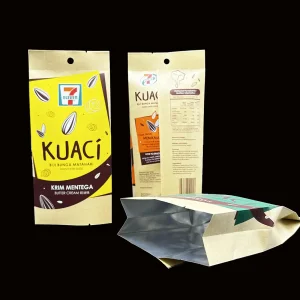
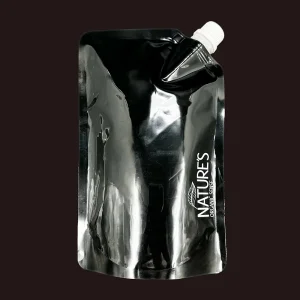
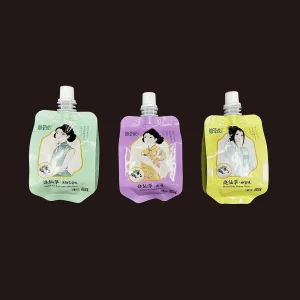
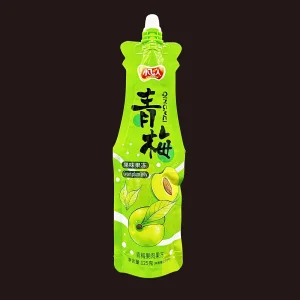
High-barrier films, customizable pouches, and fluid-dispensing packaging engineered to rigorous food-grade and industrial specifications.
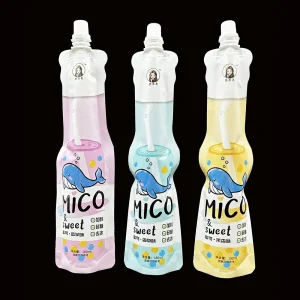
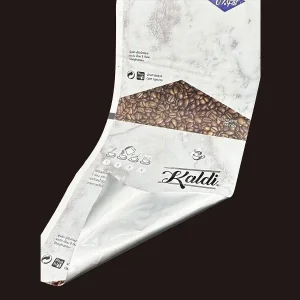
In the domain of flexible packaging, the term "gusset" denotes an integrated fold, indent, or expansion crease configured within the structure of a pouch.
Historically, a gusseted bag transforms a flat two-dimensional sleeve into a three-dimensional container. The mechanics are simple yet elegant: by folding a flat sheet of polymer or composite laminate inwards on either the lateral boundaries (side gusseted bags) or along the bottom perimeter (bottom gusseted pouches), the total internal volumetric capacity increases exponentially once the package is filled.
From a mechanical perspective, gussets act as shock-absorbers and distribution panels, spreading the weight of the contents across multiple planes rather than focusing stress lines purely on flat seals. When we talk about "China Gusseted Bag Meaning Factories," we are addressing a dynamic B2B environment where technical customization, cost performance, and barrier integrity converge to support global supply chains.
How procurement managers from North America, Europe, and Asia optimize their packaging pipelines through Chinese manufacturing hubs.
B2B buyers evaluate factory engagement not just on per-unit bag pricing, but on integrated parameters including extrusion efficiency, plate-making cost, tooling setup times, and shipping optimization to lower total landed costs.
Food-contact and pharmaceutical grade gusseted packaging requires strict GMP-level cleanroom production. Our facility maintains clean environments to prevent contaminants, satisfying rigorous FDA and European standards.
With raw material costs fluctuating, partnering directly with a primary Chinese packaging factory allows enterprise clients to secure long-term pricing agreements, customized inventory forecasting, and prompt raw material access.
Engineered for pasteurization, retort steam sterilization, and absolute barrier protection.
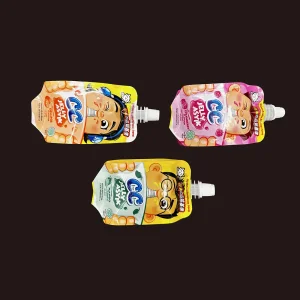
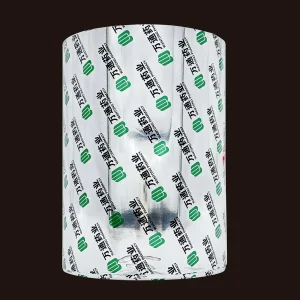
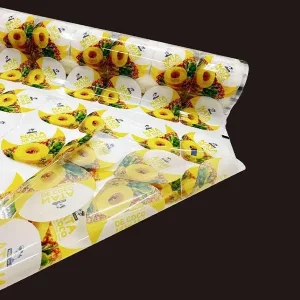
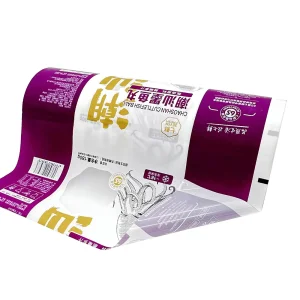
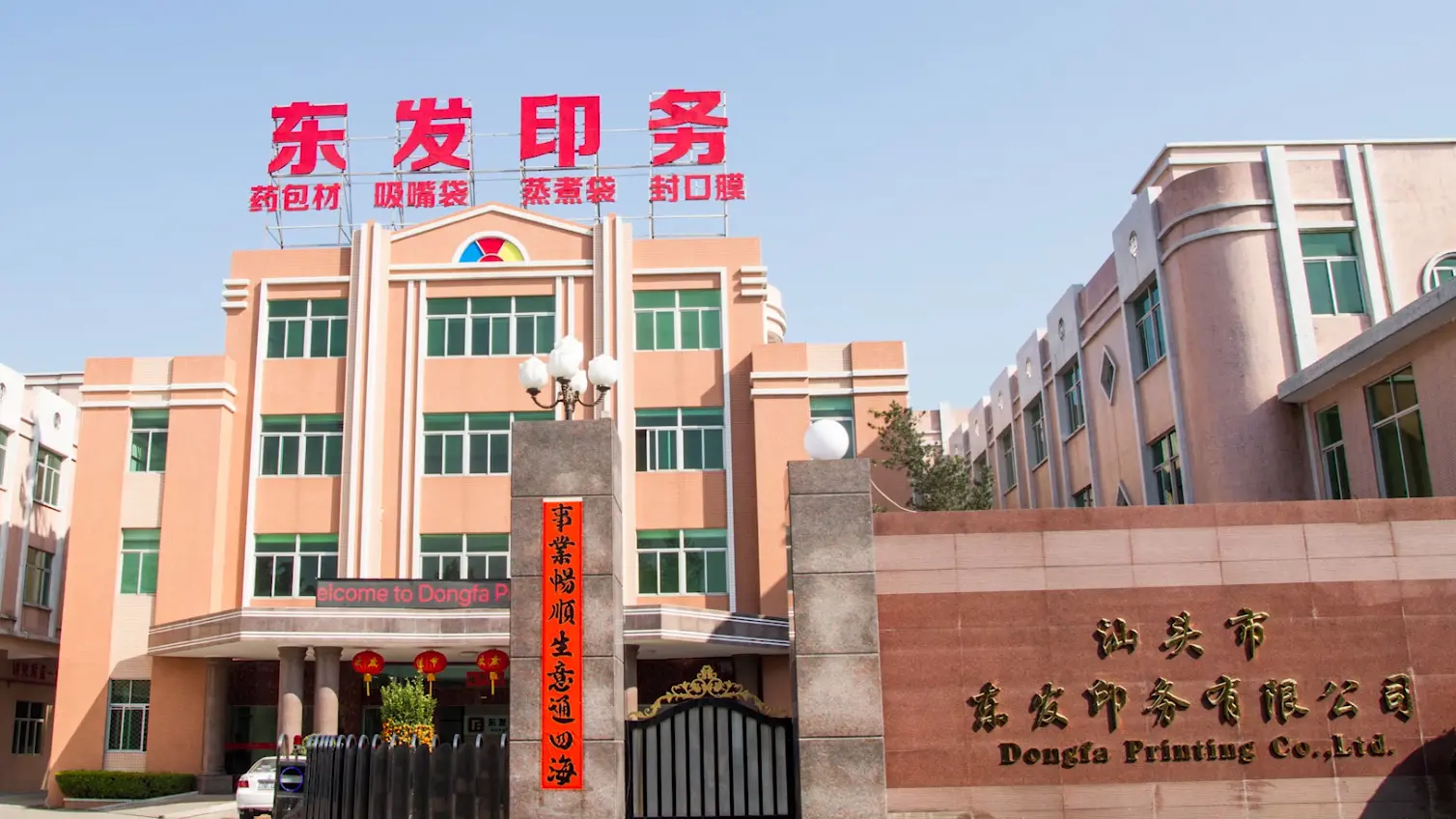
Dongfa Printing Co., Ltd. has over 35 years of professional experience in printing and packaging manufacturing. We provide all kinds of packaging, specialize in the development and production of various liquid packaging films and bags, suitable for use in pasteurization and retort steam sterilization processes, as well as different types of spout bags and sealing cup films.
Based on our advanced printing machinery outfitted with online quality inspection equipment and our standard GMP workshop, we adhere to premium materials, professional production protocols, and strict quality control matrices. We deliver superior customized products and reliable solutions designed for longevity and performance.
Custom multi-layer laminated barrier structures designed for specific industry packaging requirements.
Octagonal gusseted bags for cat/dog food (e.g., 2kg to 10kg packages) utilize high-strength laminated layers such as PET/AL/PE or PET/NY/PE to maintain oxygen barrier integrity, prevent oil seepage, and retain flavor freshness.
Engineered to endure 121°C retort sterilization processes. Combining PET, Nylon, and Cast Polypropylene (CPP) layers, these pouches withstand high temperatures, mechanical agitation, and high pressure during thermal pasteurization.
Resistant to acidic compounds, organic solvents, and caustic chemical formulations. Formulated using specialized co-extruded films and custom-configured polyolefins to prevent chemical migration and physical degradation.
Adapting to global environmental directives through next-generation circular economy barrier materials.
Transitioning from complex non-recyclable multi-material structures to high-performance Mono-PE and Mono-PP laminates with EVOH barrier layers, matching historical shelf-life profiles.
Implementation of zero-solvent EB (Electron Beam) offset and flexographic printing. Minimizes VOC generation and reduces print carbon footprint by 40% across large-run gusseted bag production.
Integration of dynamic high-resolution QR systems and RFID-enabled gusseted packaging for farm-to-shelf traceability, addressing global transparency standards.
Quality control in our manufacturing plants starts at the molecular level. Each batch of raw polymer resin (PET, PE, Nylon, CPP) undergoes rigorous testing for Melt Flow Index (MFI) and density, verifying material integrity before extrusion.
During high-speed lamination, online optical inspection cameras identify micro-pinholes, air pockets, or print anomalies at speeds of up to 400 meters per minute. Completed gusseted bags are subjected to mechanical testing, including:
Meets 21 CFR standards for direct contact with food, beverages, and medical products.
Compliant with Regulation (EU) No 10/2011 concerning plastic materials intended to contact food.
Class 100,000 cleanroom manufacturing prevents physical, chemical, and biological cross-contamination.



Technical answers resolving key inquiries regarding flexible barrier gusseted bags and factory capabilities.
Further designs specializing in high-barrier performance, custom fitments, and optimized material usage.
 DongFa Printing