In the hyper-competitive global beverage landscape, coffee packaging is no longer just a container—it is a critical preservation technology. Coffee beans, ground coffee, ready-to-drink (RTD) cold brews, and specialty cafe beverages present complex chemical stability requirements. The preservation of delicate volatile organic compounds (VOCs), lipids, and delicate sensory profiles demands advanced barrier properties to stop oxygen degradation, moisture ingress, and ultraviolet light penetration.
At the intersection of food science and flexible film manufacturing, Chinese packaging factories have shifted from standard laminations to high-engineering composite systems. This whitepaper analyzes how high-performance packaging films, stand-up spout pouches, and retort-capable materials safeguard quality, prolong shelf life, and scale supply chains from manufacturing centers in China to retail shelves worldwide.
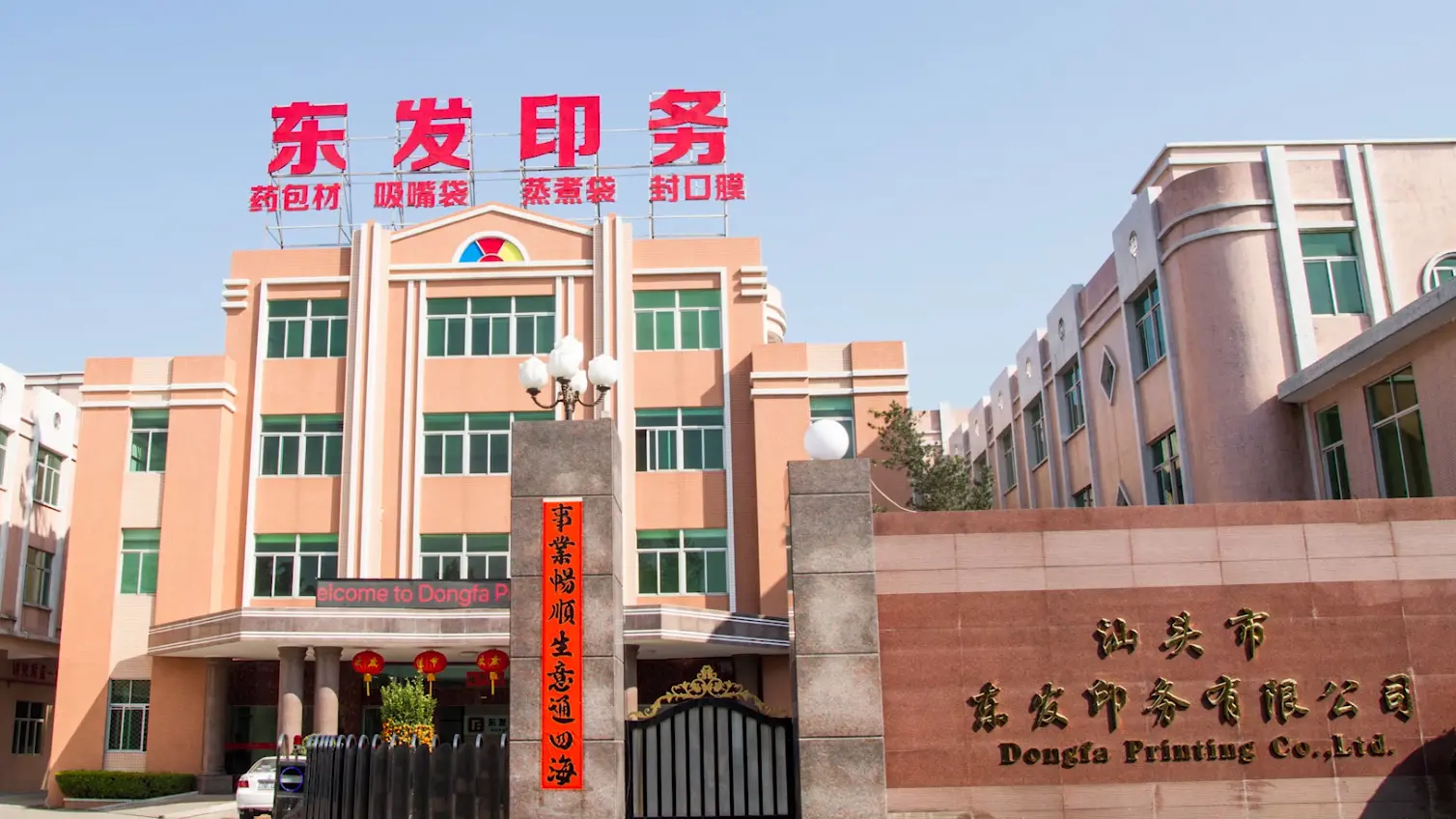
Dongfa Printing Co., Ltd. stands as a premier manufacturer in China with over 35 years of professional experience in printing and packaging manufacturing. Over the decades, we have dedicated ourselves to the development, engineering, and mass production of various liquid packaging films, coffee-specific bags, retort pouches, and advanced high-barrier laminates.
Our state-of-the-art facility features a GMP-standardized cleanroom workshop designed to guarantee food-grade safety and hygiene. Armed with advanced high-speed printing machinery equipped with online real-time quality inspection systems, we eliminate defects on the fly. We maintain an unwavering commitment to excellent raw material selection, advanced production runs, and strict multi-step quality control systems, positioning us as an industry-leading packaging supplier.
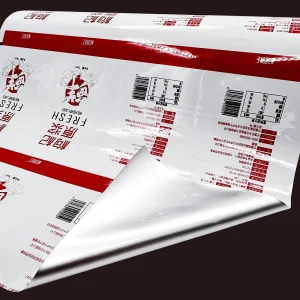
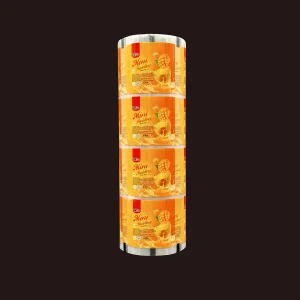
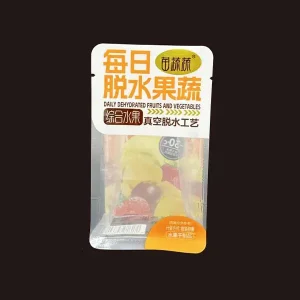
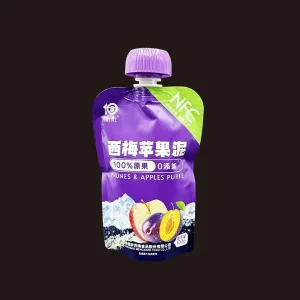
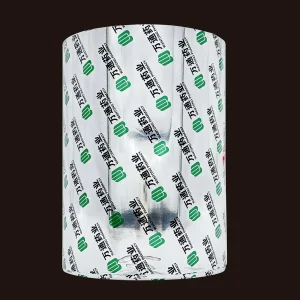
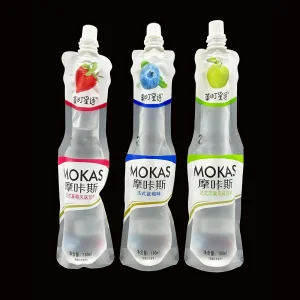
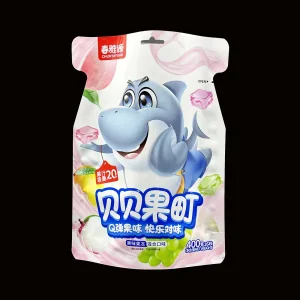
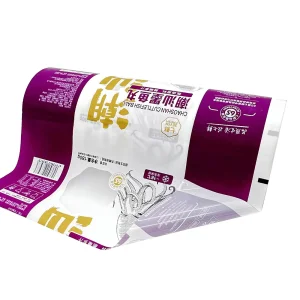
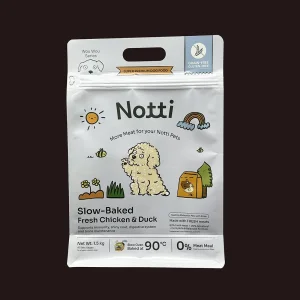
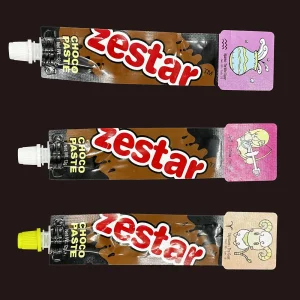
Custom Flexible Packaging Specialization: Our production line supports customized requirements across multiple sectors, including food, beverage, medical packaging, daily-use products, and chemical applications. Our versatile design capabilities allow us to produce spout bags, retort bags, back sealing bags, three-side seal bags, stand-up pouches, quad-seal pouches, flat-bottom bags, zipper pouches, and high-performance custom roll films.
The international supply chain for coffee houses, quick-service cafes, and RTD beverage manufacturers demands resilient packaging solutions that can withstand transcontinental transit, varying temperature environments, and rigorous handling. Dongfa Printing’s products are exported globally, receiving widespread praise in major international markets including the Middle East, Southeast Asia, Africa, North America, and Japan.
Integrating our 121°C retort sterilization packaging film with high-pressure steam processing creates shelf-stable RTD canned-alternative formats. Ideal for cold brew concentrates, milk-based lattes, and specialty teas requiring extended non-refrigerated distribution.
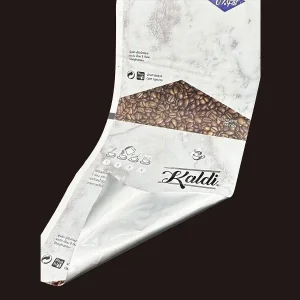
Heavy-duty flat bottom bags and aluminum composite films designed for roasted coffee beans. These packaging systems handle inner gas expansion via custom degasification valve implementations, preventing bag oxidation and rupture during bulk transport.
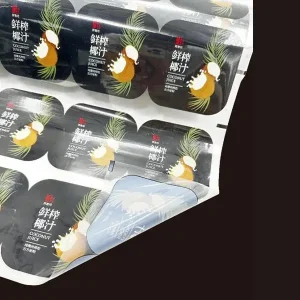
We engineer high-speed sealing cup films (easy-tear and hermetic seal) and custom spout pouches for coffee syrups, liquid purees, and cold-brew bases. Designed for seamless integration on automatic tray-sealers and cup-filling lines.
To prevent degradation from environmental hazards, we design multi-layer structures containing distinct functional polymers. Standard monolayer plastics allow gas migration, causing rancidity in coffee lipids. Our technical engineers use advanced co-extrusion and dry lamination methods to integrate high-barrier raw materials:
| Film Configuration Type | Common Thickness Range | Key Barrier Components | Ideal Application Scenario |
|---|---|---|---|
| PET + VMPET + PE | 72μm to 90μm | Metallized Polyester & Polyethylene | Dry coffee powder, ground retail coffee, dry mixes. Excellent UV reflection. |
| PET + NY (BOPA) + AL + RCPP | 100μm to 120μm | Aluminum Foil & Retort Cast Polypropylene | High-temperature retort pouches (121°C sterilization) for liquid coffees. |
| PET + PE (High Clarity) | 80μm to 108μm | Linear Low-Density Polyethylene blend | Transparent flat bottom pouches, retail display bags requiring product visibility. |
| MOPP + VMPET + PE | 90μm to 112μm | Matte BOPP surface film with high barrier core | Premium cafe packaging requiring modern tactile matte finish and UV protection. |
For shelf-stable, milk-blended canned-alternative coffees, the packaging must survive thermal treatment at 121°C under pressure. Dongfa's high-temperature retort films use specialized adhesive systems that resist delamination under steam pressure. The inner retort cast polypropylene (RCPP) layer ensures heat-seal integrity during processing, maintaining a sterile barrier throughout a 12-to-24 month shelf life.
Our material configurations are engineered to maintain Oxygen Transmission Rates (OTR) of less than 1.0 cc/m²/24hr and Water Vapor Transmission Rates (WVTR) below 1.0 g/m²/24hr. By applying aluminum foil or metallized barrier films, we protect fragile coffee aroma profiles from oxidation and shield hygroscopic soluble coffee powders from clumping.
Navigating import regulations and food-contact compliance can be complex for global packaging buyers. Dongfa Printing simplifies this by strictly aligning our manufacturing steps with international standards. From raw materials to finished reels, every production run is fully documented for complete batch traceability.
All beverage and food pouches are processed within our Class 100,000 GMP-compliant cleanrooms. This environment prevents microbial and particulate contamination, meeting the strict standards required by pharmaceutical and food-grade packaging buyers globally.
Our printing presses feature online visual inspection systems. High-definition cameras scan the moving web at high speed, immediately flagging ink variations, pinholes, or lamination flaws to guarantee consistent quality across every batch.
Our raw materials are FDA-approved for food contact, meeting EU Commission regulations, and complying with stringent safety rules for markets in Japan, North America, the Middle East, and Southeast Asia.
As brands seek to reduce their environmental impact, the packaging industry is moving toward sustainable, high-barrier solutions. Dongfa Printing’s development team is focused on reducing waste and emissions while maintaining product shelf life:
Traditional multi-material pouches (like PET/AL/PE) are difficult to recycle. We are investing in mono-material PP and PE structures. These packaging systems use advanced high-barrier coatings to match the performance of traditional foils while remaining fully recyclable in standard waste streams.
To reduce volatile organic compounds (VOCs) during production, we utilize soy-based inks and eco-friendly solvents. In addition, our surface printing features UV-cured matte finishes that protect packages from sunlight degradation while providing a modern tactile texture on retail shelves.
We collaborate closely with global ingredient brands, machinery manufacturers, and logistics providers to deliver fully integrated, high-performance packaging systems.
As a leading factory, we assist procurement teams and packaging engineers with technical questions regarding material specifications, barrier performance, and manufacturing processes:
 DongFa Printing