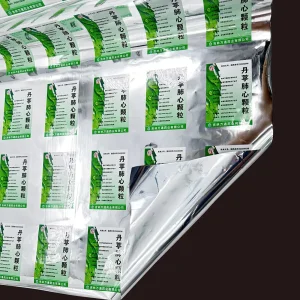
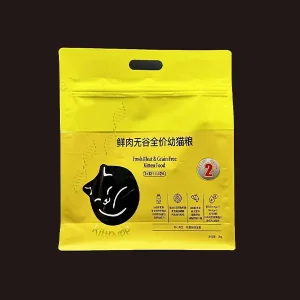
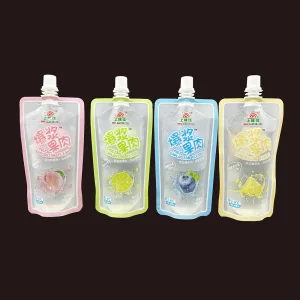
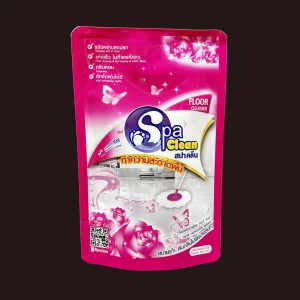
Explore our factory-engineered portfolio of high-barrier flat bottom pouches and specialized liquid packaging systems, built to exceed international compliance standards.
Transforming product presentation and preservation with engineering-focused flexible materials.
In the modern global supply chain, packaging is no longer just a vessel; it is a critical variable in logistics optimization, preservation science, and brand performance. The rise of the Flat Bottom Standing Pouch (often referred to as the box pouch or block bottom pouch) represents a major structural shift in packaging engineering. Combining the shelf stability of a rigid folding carton with the lightweight, high-barrier benefits of flexible films, this format has become the standard for premium retail and industrial distribution.
From a macro perspective, the transition to flat bottom pouch architectures addresses key challenges in logistics and carbon footprint reduction. Traditional rigid packaging (such as PET bottles, glass jars, and metal cans) incurs massive transportation overhead, consuming significant fuel and warehouse space even when shipped empty. Flat bottom pouches ship flat, reducing inbound transport emissions by up to 75% and overall material volume by up to 60% compared to rigid alternatives. This structural efficiency translates directly to lower operational expenses and a more sustainable footprint for global brands.
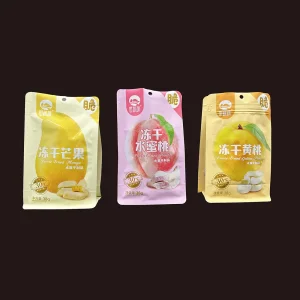
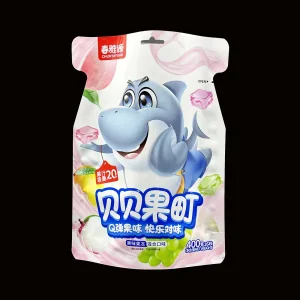
Flat bottom structures offer five discrete printing panels—front, back, left gusset, right gusset, and bottom. This maximizes shelf presence and allows for multi-lingual compliance labeling without sacrificing brand aesthetics.
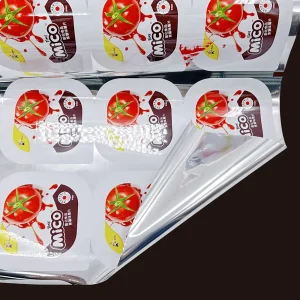
Engineered with multilayer co-extruded films including PET, Nylon (BOPA), Aluminum foil, and EVOH. These layers provide near-zero Oxygen Transmission Rates (OTR) and Moisture Vapor Transmission Rates (MVTR).
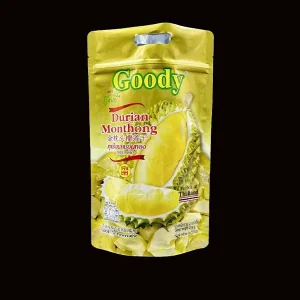
The flat bottom profile allows the pouch to stand unsupported even when filled with high-density materials like pet food, grains, or liquids. The design uses up to 30% less shelf space than a standard stand-up pouch of equivalent volume.
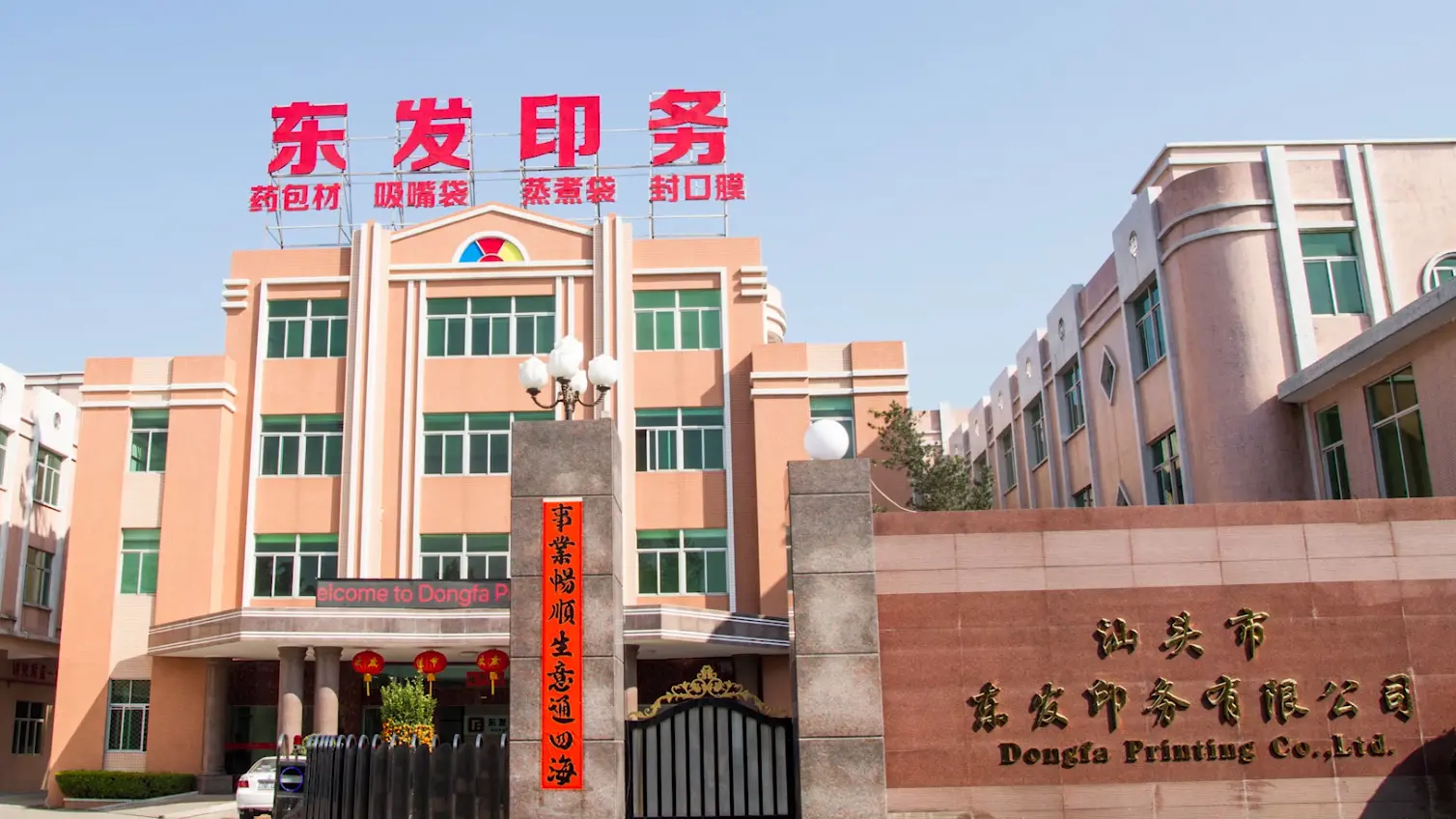
Established in 1989, Dongfa Printing Co., Ltd. has developed into a leading manufacturer of high-barrier flexible packaging films and converted bags. Operating from our GMP-certified sanitary manufacturing facility, we specialize in high-performance structures that withstand demanding processes like pasteurization and retort steam sterilization (121°C).
Equipped with advanced multi-color rotogravure printing presses and high-speed solvent-free laminating lines with online optical inspection, we ensure absolute consistency, zero delamination risk, and defect-free production. Our core values of integrity, professionalism, and innovation guide our operations, supporting brands across food, medicine, and industrial chemicals globally.
Understanding the engineering behind our customized barrier laminates and polymers.
The performance of a flat bottom pouch depends on the properties of its co-extruded laminate layers. Different products demand targeted barrier designs to prevent degradation from oxygen, moisture, UV light, and mechanical stress. Our raw material selections are strictly food-grade and comply with FDA, EU, and Japanese food contact regulations.
| Laminate Layer | Common Material Configurations | Primary Function | Target Applications |
|---|---|---|---|
| Outer Layer (Print Web) | PET (12μm), OPP (20μm), Matte OPP | High-definition print carrier, heat resistance, external abrasion protection. | All pouches, dry foods, retail goods. |
| Barrier Layer | Al Foil (7-9μm), VMPET (12μm), BOPA (Nylon), EVOH | Absolute barrier against O₂ and H₂O. Blocks UV radiation and preserves aroma. | Coffee, Retort Food, Medical Powders, Spout Pouches. |
| Intermediate Layer | BOPA (Nylon 15μm), PET | Puncture resistance, mechanical strength, drop-test toughness. | Liquid spouted pouches, heavy pet food bags (>2kg). |
| Inner Sealant Layer | CPP (Cast PP), LLDPE (Linear Low-Density PE) | Hermetic heat sealability, chemical resistance, organoleptic neutrality. | Liquid, chemical, and hot-fill retort packaging. |
Customized flexible packaging solutions engineered for specific vertical applications.
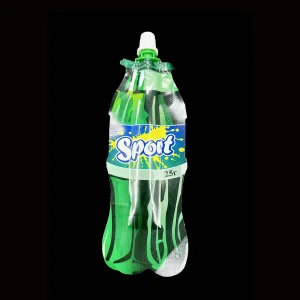
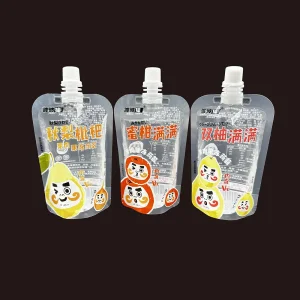
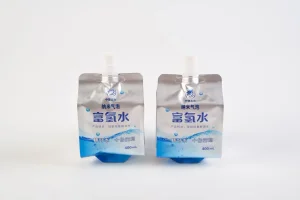
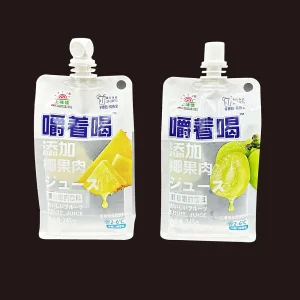
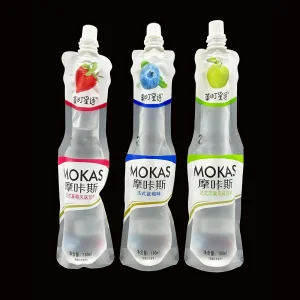
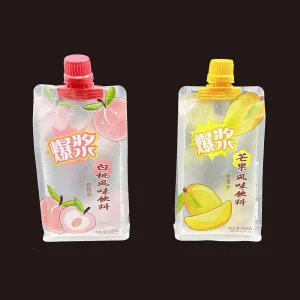
Equipped with customized spouts, ergonomic handles, and specialty shapes, our pouches serve as a lightweight replacement for rigid plastic bottles. Designed to handle hot-fill, pasteurization, and aseptic filling lines without leakage.
Heavy-duty flat bottom bags featuring slider zippers, hook-and-loop closures (press-to-close), and high puncture resistance. Keeps kibble fresh, prevents grease migration, and stands sturdy on retail shelves.
Engineered for high chemical resistance, static dissipation, and pharmaceutical-grade hygiene. Ideal for diagnostic test components, surgical films, and household agrochemical concentrates.
Ensuring cross-border compliance, traceability, and supply security for multinational brands.
Operating a global supply chain requires adherence to strict quality control, manufacturing traceability, and regulatory standards. Our GMP-compliant production environment is designed to prevent cross-contamination, maintaining strict hygiene control throughout the printing, dry-lamination, slitting, and bag-making processes.
Our commitment to quality is backed by advanced automated technology. Our high-speed rotogravure printing presses and laminators feature integrated high-resolution camera detection systems. These inline optical inspection systems compare every millimeter of the run against the approved master digital proof, identifying and tagging errors like print registration shifts, pinholes, solvent spots, or cosmetic defects in real time.
Developing next-generation materials to support circular economy initiatives.
As international regulations tighten around single-use plastics and packaging waste (such as the EU's Packaging and Packaging Waste Regulation - PPWR), the demand for sustainable, circular-economy-ready materials has grown. Dongfa Printing's R&D department is focused on three main pillars of eco-friendly flexible packaging:
Traditionally, multi-material laminates (like PET/PE or PET/AL/PE) are difficult to recycle because the layers cannot be easily separated. We have developed mono-material options using MDO-PE (Machine Direction Oriented Polyethylene) paired with low-temperature sealing PE resins. This creates a fully recyclable structure (SPI Code 2) that still matches the tensile strength and heat resistance of traditional laminates.
For organic products and dry foods, we offer compostable flat bottom pouches made from certified biodegradable layers (such as PLA, Kraft paper, and PBS). These pouches are certified for industrial composting environments (EN 13432 and ASTM D6400) while providing a functional barrier against moisture and oxygen.
To help brands meet sustainability targets, we can integrate up to 50% food-grade PCR resins (such as chemically recycled rPET) into the non-contact layers of our structural laminates, reducing the consumption of virgin plastic resins.
We deliver reliable flexible packaging solutions to top brands and distribution networks worldwide.
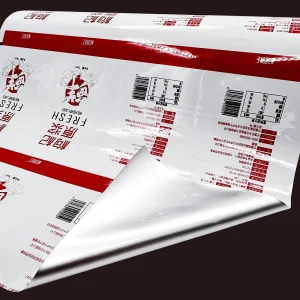
Explore our technical barrier rollstock films, high-durability pouch formats, and specialized sealing solutions.
Technical answers to frequent questions from supply chain managers, QA teams, and packaging engineers.
 DongFa Printing