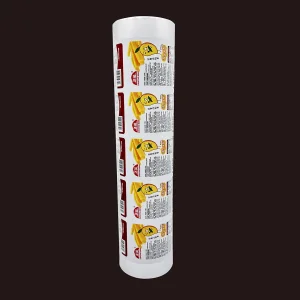
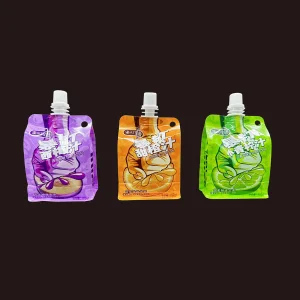
Explore our engineering-focused range of high-barrier films, spouted pouches, and custom laminates optimized for retorted and pasteurized applications.
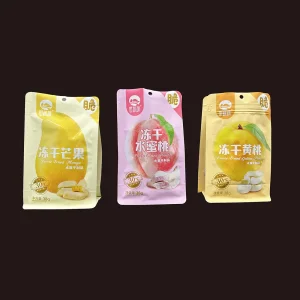
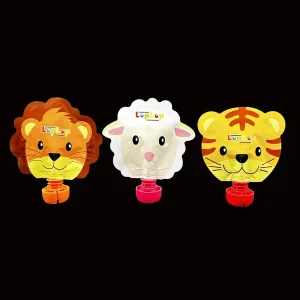
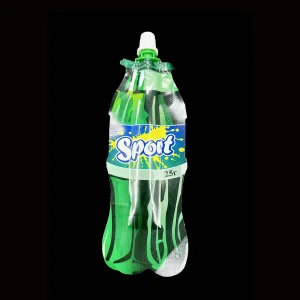
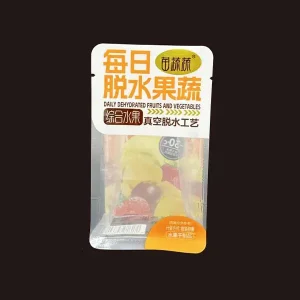
Retort packaging refers to a highly specialized category of flexible packaging structures designed to survive commercial thermal sterilization (autoclaving). The process exposes the sealed package to temperatures typically ranging from 121°C to 135°C (250°F to 275°F) under high pressure for extended durations (often between 20 to 90 minutes). This intensive heat-pressure cycle destroys all vegetative microorganisms, ensuring shelf-stability for up to 24 months without refrigeration.
“From a material science perspective, retort pouches are composite structures. They combine multiple polymer layers, and often metallic foils, to achieve a zero-oxygen, zero-moisture transmission environment capable of resisting dynamic thermal expansion and contraction.”
Traditional rigid packaging, such as metal cans and glass bottles, has heavily shifted toward flexible retort pouches. This shift is driven by reduced shipping weights, lower carbon footprints, and improved organoleptic food quality. Because retort pouches have a much thinner profile than metal cans, heat penetrates to the thermal center of the product far more rapidly. Consequently, the food inside avoids overcooking, retaining nutritional value, color, and flavor profile integrity.
A typical high-performance retort pouch consists of 3 to 4 distinct laminated layers, each serving a critical barrier or structural function:
| Layer Sequence | Material Class | Primary Technical Purpose |
|---|---|---|
| Outer Layer | PET (Polyethylene Terephthalate) or BOPA (Nylon) | Provides high tensile strength, puncture resistance, and serves as the substrate for high-fidelity rotogravure printing. |
| Middle Barrier Layer | Aluminum Foil (AL) or EVOH / Silica-Coated Films (SiOx) | Acts as an absolute gas, light, UV, and moisture barrier. Critical for shelf-life extension. |
| Sub-Barrier / Cushioning | BOPA (Bi-axially Oriented Polyamide / Nylon) | Absorbs mechanical stress during retort expansion, preventing micro-pinholes in aluminum foil layers. |
| Inner Sealing Layer | RCPP (Retort Cast Polypropylene) | Provides high thermal seal integrity at 121°C–135°C. Features excellent seal-through-contamination properties. |
Discover the technological and structural advantages that place Chinese flexible packaging factories at the forefront of global distribution.
Chinese factories leverage massive localized chemical and polymer eco-systems. From direct polymerization of specialty RCPP and BOPA raw materials to high-speed automated extrusion, local access reduces shipping overheads and guarantees consistent material grades.
Leading companies like Dongfa Printing utilize high-speed rotogravure printing presses integrated with automated, real-time AI optical inspection. Every square millimeter of laminated film is scanned for microscopic ink splatters, pinholes, or lamination delamination, securing a zero-defect output.
Meeting global pharmaceutical and food safety standards (FDA, BRC, ISO), top-tier Chinese packaging suppliers process films under class 100,000 GMP sterilization workshops to eliminate microbiological risks prior to bagging.
Different product categories impose distinct physical and biochemical demands on packaging. A one-size-fits-all retort pouch does not exist. Industrial processing calls for customized laminate structures based on acidity, fat content, processing temperature, and light sensitivity.
Ready-to-Eat meals and Military MREs (Meals Ready to Eat) require high mechanical durability. These pouches must withstand drops, high-pressure environments, and manual handling in rugged conditions. Aluminum foil laminates (PET/AL/NY/RCPP) are widely used to guarantee absolute barriers against moisture loss and rancidity from oxygen penetration.
Pet foods (gravies, pates, meat chunks) contain organic fats and sulfur-rich proteins. Standard polymers degrade under the chemical attack of food acids during sterilization. Custom barrier formulations incorporating specialized copolymer resins prevent delamination and protect seal boundaries against fat-induced degradation.
Medical packaging film, ranging up to 72μm or 82μm thicknesses, must support reliable sterility under extreme thermal cycles. Used for intravenous solutions, medical equipment, and pharmaceutical formulations, these packaging films undergo severe testing protocols for chemical migration and tensile strength conservation.
Case Study: By using a multi-layer Nylon/RCPP structure instead of standard PET/PE, failures in spouted liquid bags during the cooling phase of retorting were reduced from 1.2% to less than 0.01% across 10 million units produced annually.
For international supply chain managers and QA departments, verifying factory capabilities is paramount to preventing catastrophic product recalls. Ensure your selected manufacturer checks off every element of this technical checklist:
A trusted manufacturer with 35+ years of packaging evolution and industrial innovation.
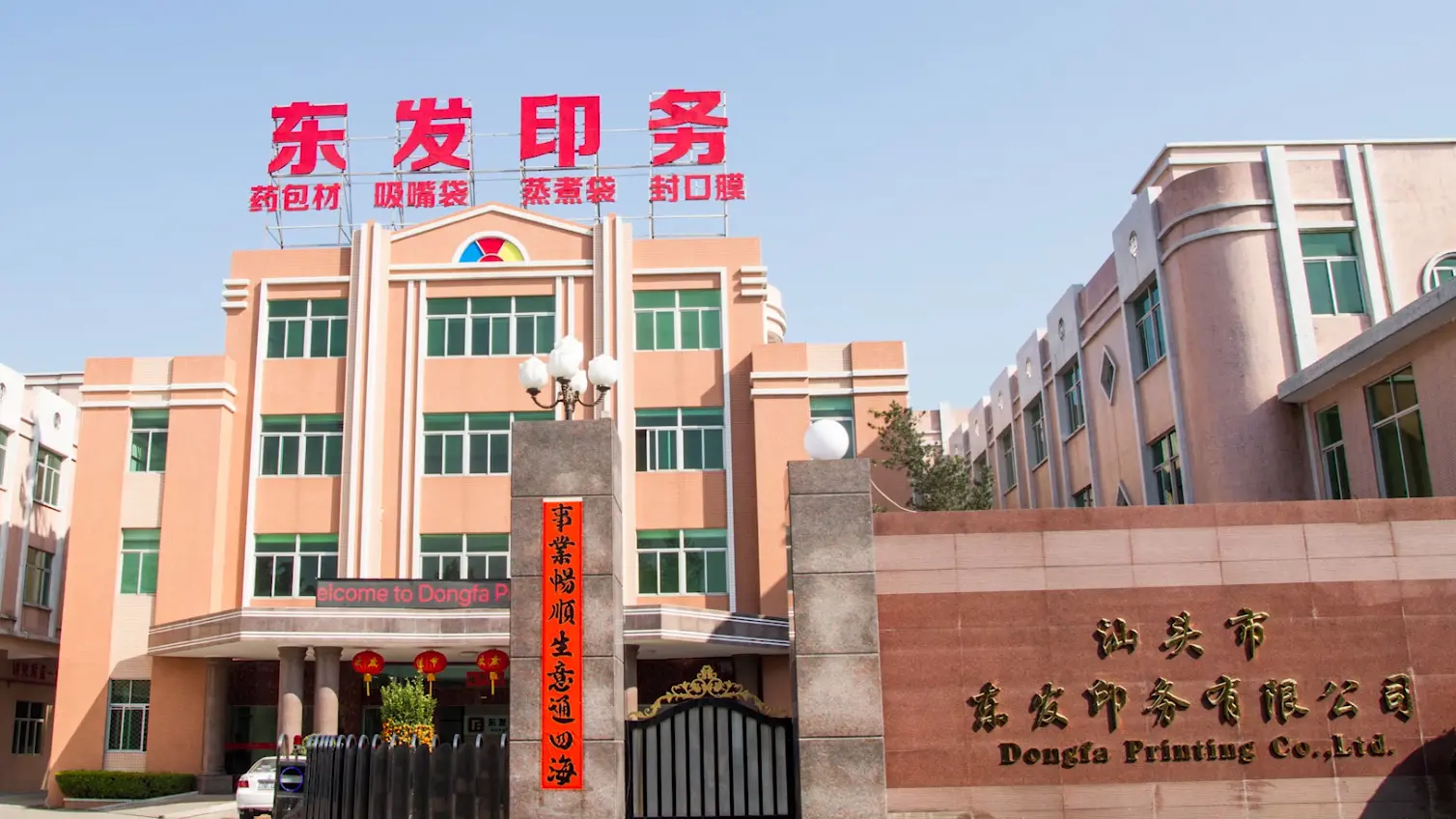
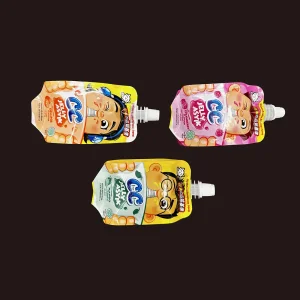
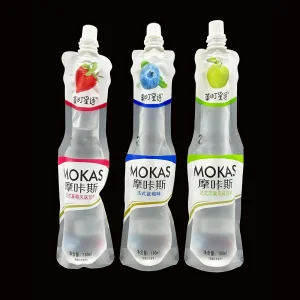
Dongfa Printing Co., Ltd. has over 35 years of professional experience in printing and packaging manufacturing. We provide all kinds of packaging, specialize in the development and production of various liquid packaging films and bags, suitable for use in pasteurization and retort steam sterilization processes, as well as different types of spout bags and sealing cup films.
Based on printing machines equipped with online quality inspection systems and our GMP workshop, we adhere strictly to premium materials, professional production, and rigorous quality control protocols.
Since its establishment, Dongfa Printing has been committed to providing customers with efficient and high-quality printing services. Our business scope covers the entire process from design, plate making to printing and binding. Whether it's commercial printing or personalized customization, we can fulfill customer needs with our professional technical skills and attentive service.
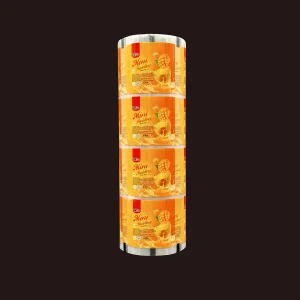
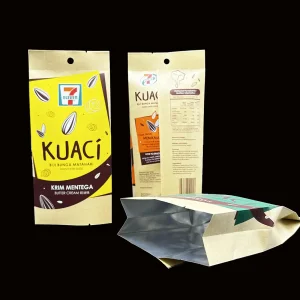
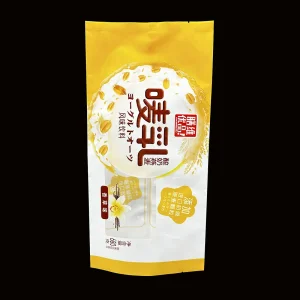
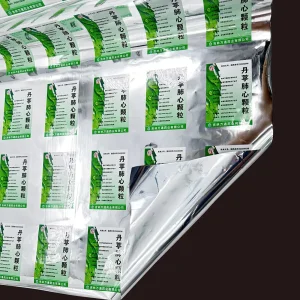
Our company is dedicated to producing custom flexible packaging for food, medicine, daily-use products, and chemical products. We offer a wide range of products, including spout bags, retort bags, back sealing bags, three-side seal bags, stand-up pouches, quad-seal pouches, flat-bottom bags, zipper pouches, and customized roll films. We consistently use high-quality materials for professional production and strict quality control.
Our products are mainly exported to the Middle East, Southeast Asia, Africa, North America, and Japan, and have received widespread praise from customers. Dongfa Printing's corporate vision is to become a leading company in the printing industry. Additionally, we prioritize environmental protection and sustainable development, striving to reduce pollution and waste in the production process.
Our corporate values are "integrity, professionalism, innovation, and win-win." We uphold integrity as our foundation, professionalism as our basis, innovation as our driving force, and strive for win-win outcomes with customers, employees, and society. We sincerely welcome you to visit our company for further business and cooperation opportunities!
We can provide you superior products and best service.

The global retort packaging industry is transitioning to address environmental, logistical, and technical updates. Forward-thinking manufacturers are adopting new technologies to meet international standard revisions:
Traditional multimaterial pouches (like PET/AL/PE) are difficult to recycle because separating the layers is costly. The latest trend is mono-material PP (Polypropylene) systems. These combine high-barrier PP substrates with high-temperature retortable CPP, matching the performance of mixed structures while fitting directly into existing polypropylene recycling programs.
Aluminum foil remains a popular gas barrier, but it prevents visual inspection of the package interior. Consumer demand for transparency has accelerated the deployment of high-barrier oxides like SiOx (Silicon Oxide) or AlOx (Aluminum Oxide) coatings. These micro-thin vapor coatings match the barrier performance of aluminum while allowing consumers to see the food contents and enabling the use of metal detectors on packing lines.
Integrating oxygen scavenging materials within the lamination layers helps eliminate trace oxygen trapped during packaging. This keeps food fresher, prevents oil oxidation, and maintains food quality for products sensitive to trace oxidation.
Get professional, authoritative answers to high-intent engineering questions concerning flexible retort technologies.
Discover more high-grade packaging structures and customized bag formats ready for high-speed filling lines.
 DongFa Printing