When global brands and purchasing managers ask the critical question—"Who makes corrugated boxes in China?"—they are searching for more than just automated paper-cutting plants. They are seeking structural partners capable of matching high-density logistics outer cartons with advanced food-grade inner barrier films. The modern corrugated and flexible packaging industry in China represents a highly integrated supply chain that spans paper production mills, high-grade corrugators, rotogravure printing facilities, and sterile processing plants.
China’s corrugated box factories have undergone a massive technological shift. The market is divided into traditional heavy-board manufacturers and modernized, clean-room integrated packaging companies. Leading manufacturers such as Dongfa Printing offer hybrid services: supplying structural, multi-ply fluted shipping containers while simultaneously producing high-barrier laminated internal pouches, ensuring your products survive transit stress, humidity shifts, and compression forces.
From Pearl River Delta hubs to Northern printing plants, Chinese corrugated and flexible packaging factories leverage massive economies of scale, highly integrated pulp supplies, and advanced automated flexo and rotogravure machines to deliver unmatched cost-per-unit ratios with rapid turnaround times.
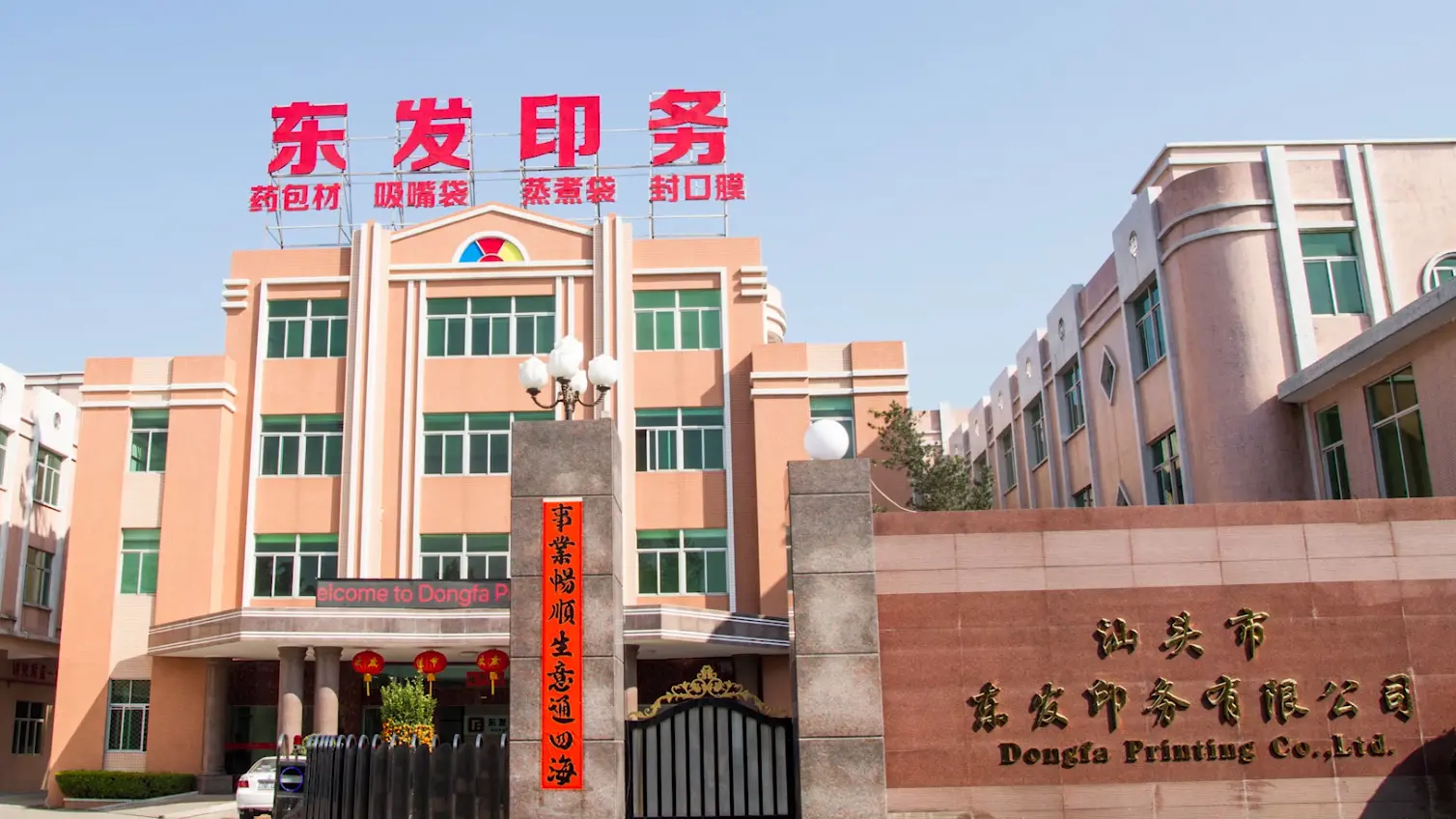
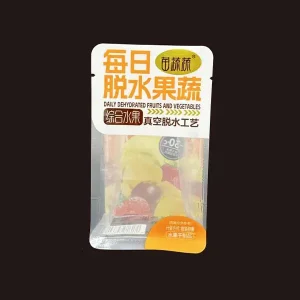
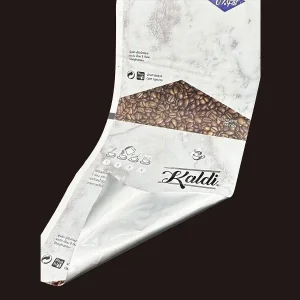
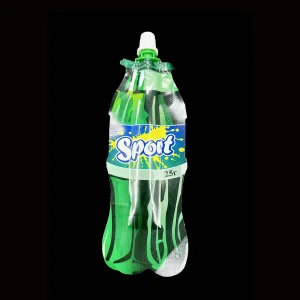
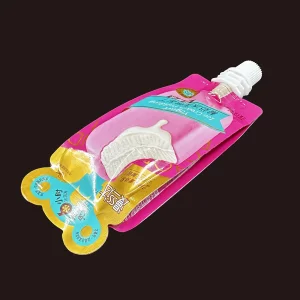
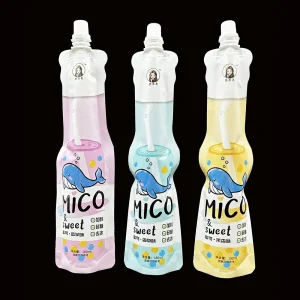
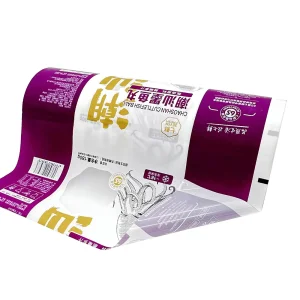
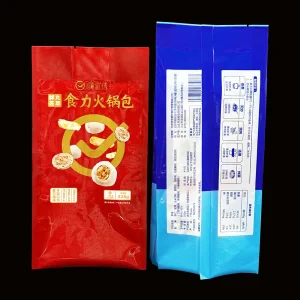
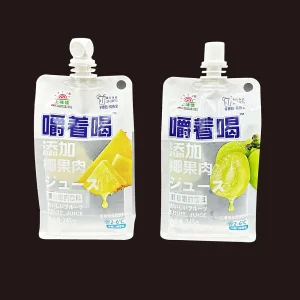
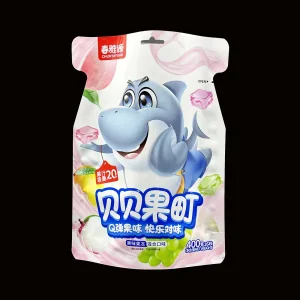
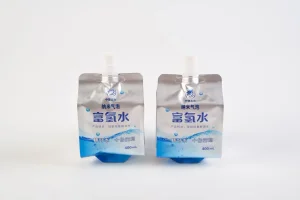
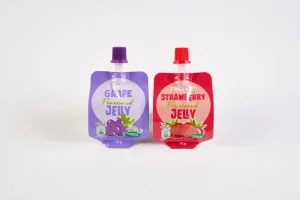
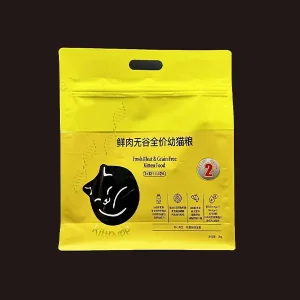
With over 35 years of professional experience in the printing and packaging sector, Dongfa Printing Co., Ltd. stands as a premier manufacturer of highly technical packaging solutions. While traditional box-makers only focus on standard outer cardboard, Dongfa Printing specializes in the structural engineering of both outer carton compatibility and advanced inner barrier configurations. We develop and manufacture liquid packaging films, pasteurization-safe pouches, retort bags, sealing cup films, and diverse spout bags.
Equipped with high-performance printing machinery and online real-time quality inspection technology, our state-of-the-art GMP cleanroom workshop ensures that food, medicine, and chemical packaging processes strictly adhere to global environmental and sanitary guidelines.
Our CAD-driven sample tables can execute precise structural adjustments on double-wall BC flutes or custom stand-up pouch dimensions, turning digital blueprints into physical samples within 48 hours.
Utilizing optical sorting systems and automated inline defect detection, we reduce structural box misalignment and micro-leaks in flexible barriers to near-zero PPM levels.
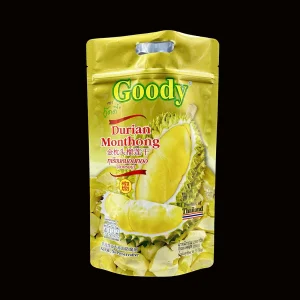
By grouping your orders of stand-up spout bags, roll films, and secondary outer corrugated cartons under a single supplier, you minimize customs inspection friction and freight space waste.
When sourcing corrugated boxes from China, procurement managers must evaluate several technical metrics to ensure the transit safety of internal goods (such as high-barrier liquid spout pouches).
ECT measures the top-to-bottom compression strength of the corrugated structure, directly predicting stackability in cargo container transport. Bursting test parameters (Mullen Test) indicate the outer liner's capability to withstand internal forces during dynamic shifting. Chinese factories standardly supply:
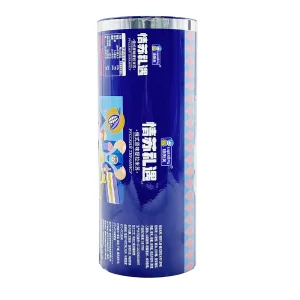
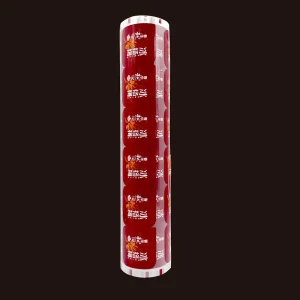
Moisture degrades paper fibers, causing corrugated containers to collapse in tropical shipping lanes. Pairing boxes with high-barrier plastic roll films (such as PET+VMPET+PE or retort-grade PET+NY+AL+CPP) ensures that the internal moisture level remains stable, keeping the outer corrugated case dry and structurally sound.
Dongfa Printing operates under the core values of "integrity, professionalism, innovation, and win-win." We strive for win-win outcomes with our clients, employees, and local societies. In our efforts to limit global industrial carbon footprints, we prioritize environmental protection and sustainable development. We actively reduce pollution, minimize waste in the production processes, and produce lightweight, highly protective paper-and-plastic composite materials.
Our products are mainly exported to the Middle East, Southeast Asia, Africa, North America, and Japan. Over the past 35 years, our high-barrier spout bags, customized roll films, and transit case alignments have earned widespread praise from global packaging groups.
We provide superior products and best service to our worldwide packaging partners.
 DongFa Printing