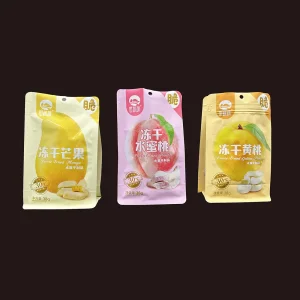
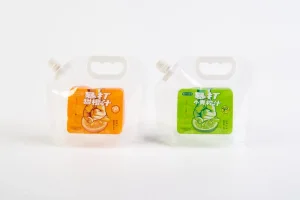
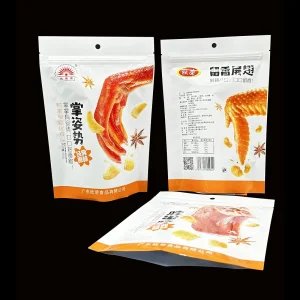
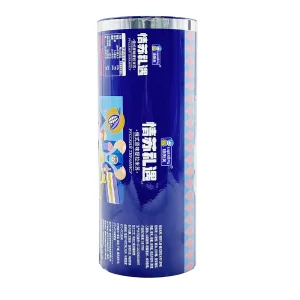
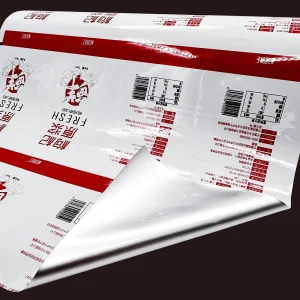
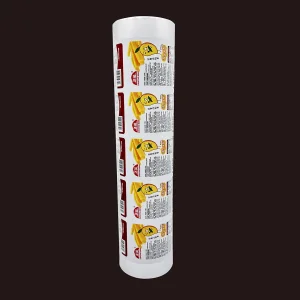
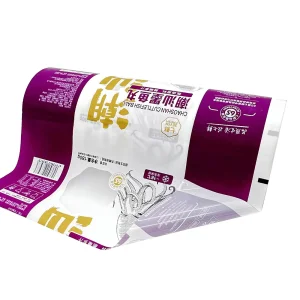
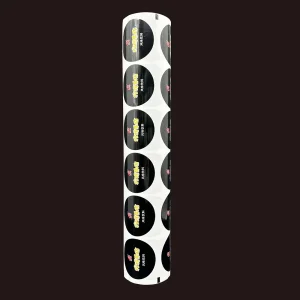
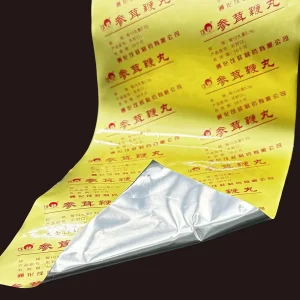
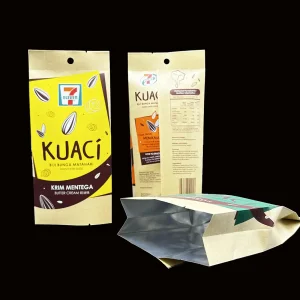
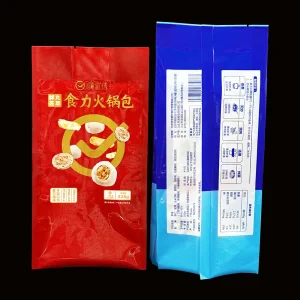
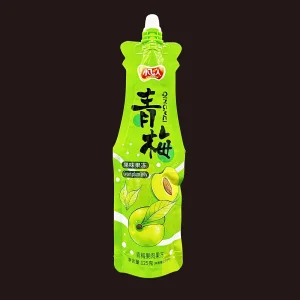
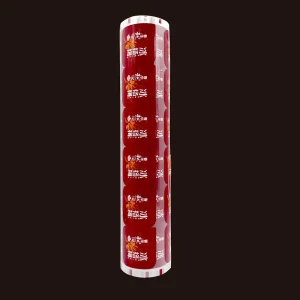
Explore our high-performance liquid pouches, multi-layer laminated barrier films, and retort-capable industrial packaging options designed for maximum freshness preservation.
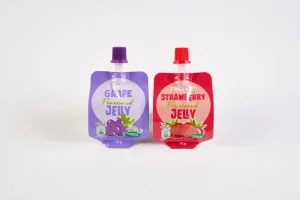
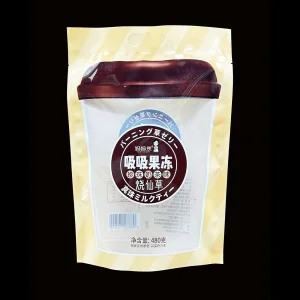
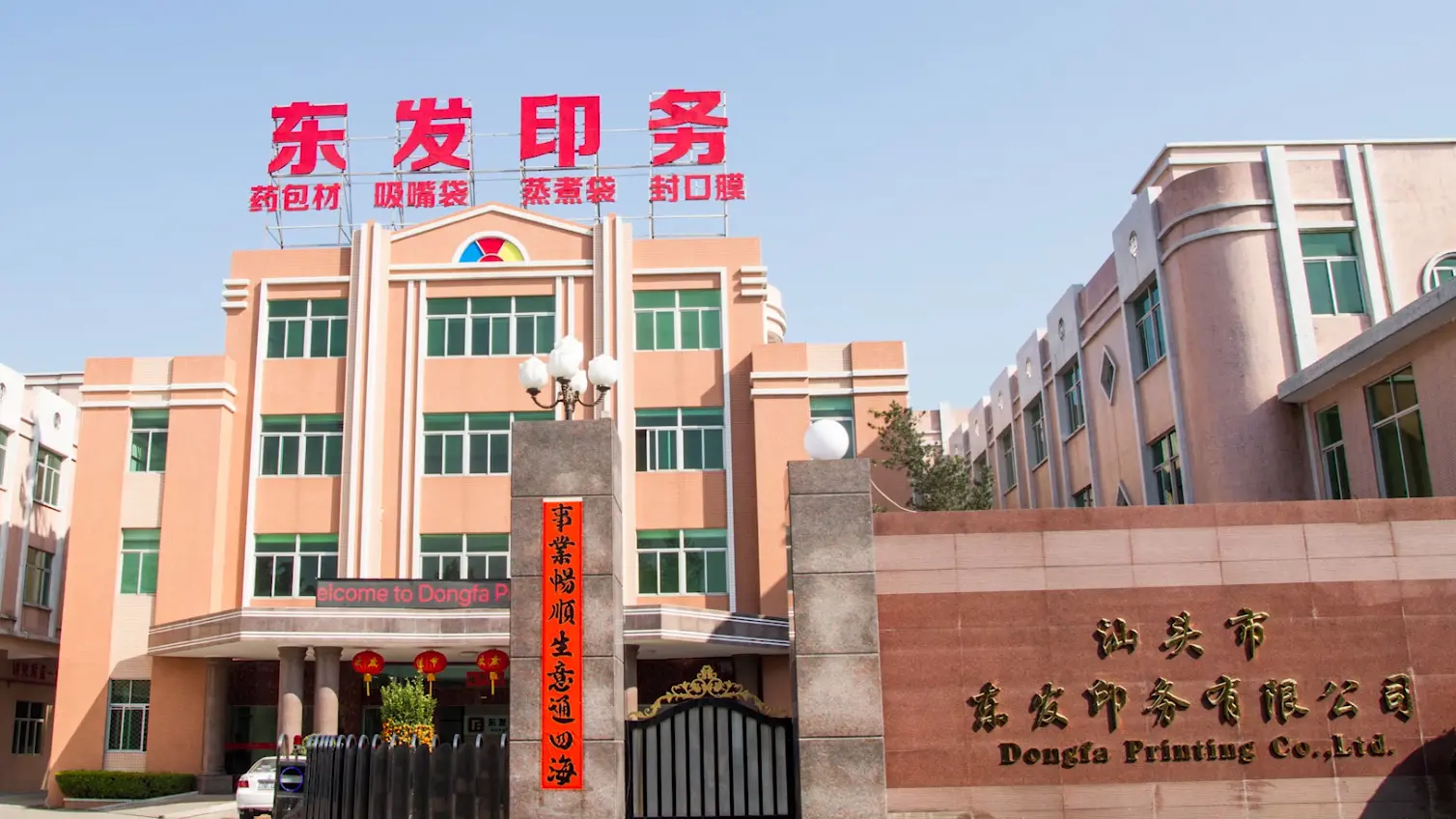
Established as a premier printing and technical laminating innovator, Dongfa Printing Co., Ltd. has dedicated over 35 years to manufacturing top-tier packaging films and bags. We specialize in custom high-performance solutions engineered to withstand pasteurization and high-temperature retort steam sterilization (up to 121°C).
Operating from state-of-the-art GMP purification workshops, our production lines feature advanced printing presses equipped with automatic online web inspection systems. This ensures that every millimeter of film meets food-grade, pharmaceutical-grade, and industrial-grade standards before dispatch.
Multi-layer PET/AL/PE, NY/CPP, and custom high-barrier laminates designed to keep Oxygen Transmission Rates (OTR) and Water Vapor Transmission Rates (WVTR) close to zero.
High-temperature retort materials designed for processes up to 121°C. Ideal for pre-packaged coffee beverages, liquid concentrates, sauces, and medical sterilization applications.
Optimized for high-speed automatic form-fill-seal (FFS) machines. Our film thickness tolerance is maintained within ±2% to ensure seamless assembly line operation.
The global coffee landscape has shifted from localized, immediate consumption to highly complex international supply chains. Specialty coffee roasters, commercial beverage producers, and brand owners now face the immense challenge of maintaining volatile organic aromatic compounds over long storage periods. Coffee beans release significant volumes of carbon dioxide (CO2) post-roasting, while simultaneously being highly sensitive to oxygen, moisture, and UV light exposure.
Historically, roasters relied on heavy tin cans or simple paper bags. However, the rise of modern chemistry and structural engineering has established multi-layer flexible barrier films as the industry benchmark. Dongfa Printing leads this transformation by manufacturing lightweight, puncture-resistant laminates that drastically reduce transportation emissions while offering superior product protection. Today's commercial roasters demand structural packaging that works in lockstep with their degassing protocols, ensuring that coffee beans do not oxidize, lose flavor, or cause bags to swell and rupture during transit.
To understand the science of coffee preservation, one must examine the specific layers and polymer characteristics used in flexible packaging. Below is an engineering overview of the raw material combinations developed at our factory to block environmental degradation agents:
| Material Structure | Common Thickness Range | Primary Technical Function | Ideal Application Scenario |
|---|---|---|---|
| PET / AL / PE | 90μm – 150μm | Zero light transmission; maximum oxygen (OTR) and water vapor (WVTR) barrier. | Roasted whole bean coffee bags, premium ground coffee, medical and chemical powders. |
| PET / VMPET / PE | 80μm – 120μm | Excellent barrier properties, cost-effective metallic appearance, and high puncture resistance. | Retail instant coffee sachets, portion-controlled ground coffee, automatic packaging rolls. |
| NY (Nylon) / CPP | 70μm – 110μm | High physical tensile strength, puncture resistance, and pasteurization/retort compatibility. | Cold brew pouches, ready-to-drink liquid coffee concentrates, retort-sterilized sauces. |
| Kraft Paper / AL / PE | 120μm – 160μm | Organic tactile aesthetic combined with high barrier protection of aluminum foil. | Artisanal whole bean roasters, organic single-origin specialty coffee packaging. |
Oxygen degrades coffee's lipid content, leading to rancidity. Light accelerates this chemical degradation, while moisture makes ground coffee clump and mold. By implementing strict thickness controls (such as our 80μm, 88μm, 98μm, and 145μm standard lines), Dongfa ensures that high-barrier laminated layers prevent outer atmospheric air from interacting with the roasted bean matrices, locking in volatile oils for up to 18 months.
Modern procurement officers are no longer just buying packaging; they are managing risk, compliance, and sustainability goals. Global sourcing trends in the coffee and beverage industry are defined by three major criteria:
Dongfa Printing's facility in China represents the cutting edge of modern smart manufacturing. By integrating Factory 4.0 principles, we address the common pain points of international buyers: lead times, quality consistency, and batch-to-batch traceability.
Our advanced online quality inspection equipment acts as a real-time defense system. High-speed, high-resolution cameras scan 100% of the moving web during the printing and lamination phases, flagging cosmetic issues, misregistrations, or pinholes instantly. This process minimizes human error, ensuring that defect rates are kept below industrial tolerances. Combined with our digital tracking systems, every batch of rollstock or pouches is mapped to its raw material origins, providing full transparency for audits.
Different markets and distribution channels demand distinct packaging architectures. Dongfa Printing customizes solutions to match these specific requirements:
Utilizes flat-bottom bags, quad-seal pouches, and stand-up zipper styles. Integrated degassing valves allow roasted CO2 to escape without allowing oxygen in, maintaining flavor profiles on store shelves.
Demands liquid-tight gusseted spout pouches (40ml - 1.5L capacity) designed to withstand pressure changes. These structures use nylon-reinforced barrier configurations to eliminate leakage during transit.
Utilizes automatic roll films optimized for high-speed, multi-lane stickpack machinery. Excellent thermal sealing layers guarantee leak-proof seals, even when powder gets trapped in the sealing area.
Answers to critical questions regarding material selection, performance testing, and import standards.
Retort sterilization requires material laminates that won't delaminate or lose barrier integrity under heat and pressure. We combine heat-resistant nylon (NY) or polyester (PET) outer layers with specialized CPP (Cast Polypropylene) inner sealing films, using high-temperature polyurethane adhesives to ensure stability.
Thickness dictates the barrier level, puncture resistance, and performance on FFS machines. Thinner films (80μm) work well for smaller, lighter packages, while thicker films (98μm or 110μm) are required for larger fills to prevent tearing and maintain seal integrity.
We combine online camera systems on our printing presses with strict offline lab tests. We test batch samples for heat seal strength, tensile strength, solvent retention, and oxygen/moisture transmission rates (OTR/WVTR) before releasing shipments.
Yes. We specialize in custom-tailored flexible packaging. We configure volume capacities from 40ml to 1.5L+ with custom shapes, gussets, handle cutouts, and specialized spouts to suit retail and industrial needs.
Our plants operate under GMP (Good Manufacturing Practice) conditions, and our materials comply with FDA, ISO, and SGS standards for food and medical contact safety.
Typically 15 to 25 days, depending on order size and complexity. This includes cylinder engraving, high-speed gravure printing, lamination, curing, slitting, and final quality control checks.
Heavy-duty options engineered for food preservation, medical applications, and high-speed packaging machinery lines.
We deliver high-end flexible packaging solutions to top brands and distribution systems worldwide.
 DongFa Printing